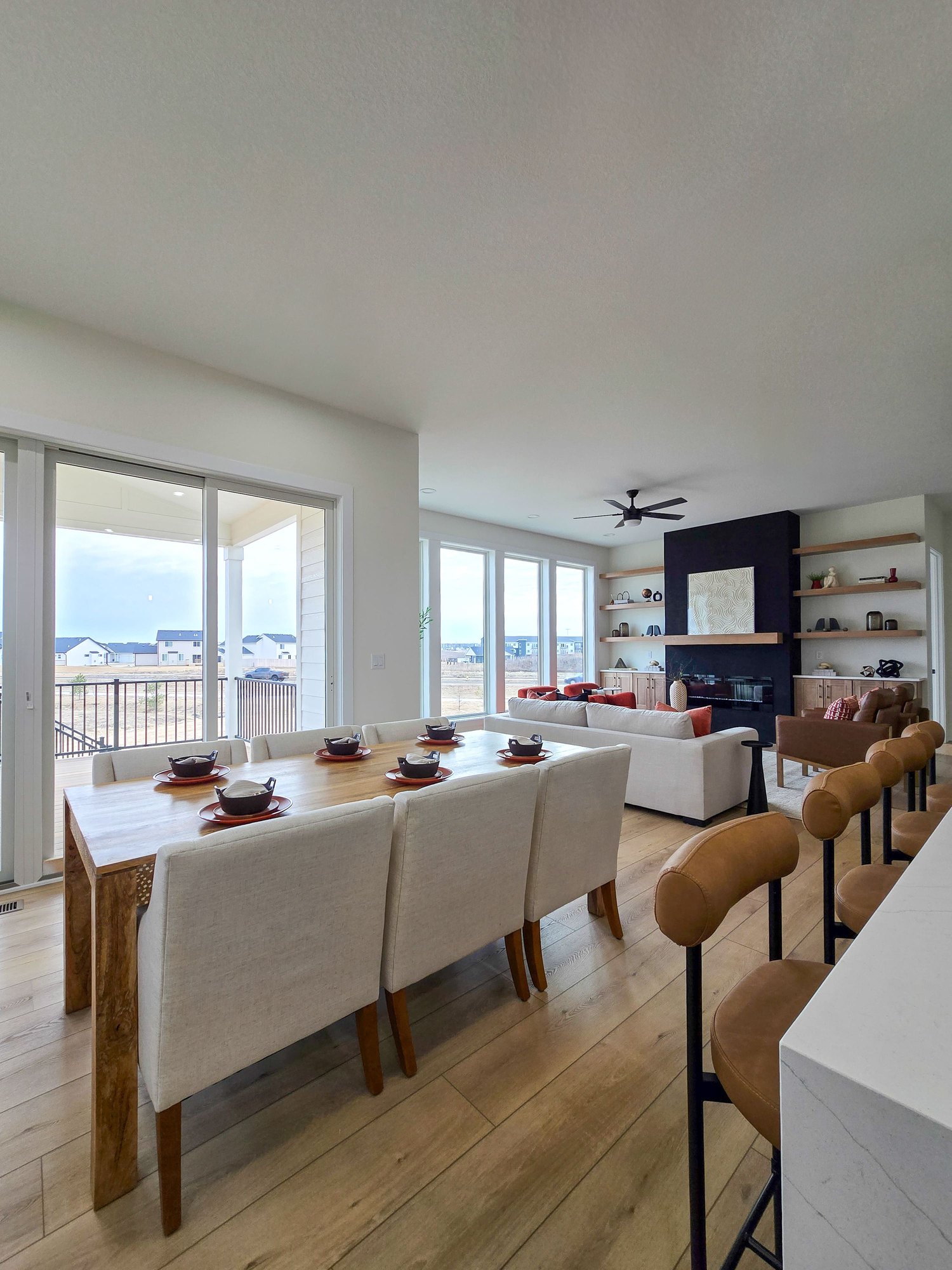
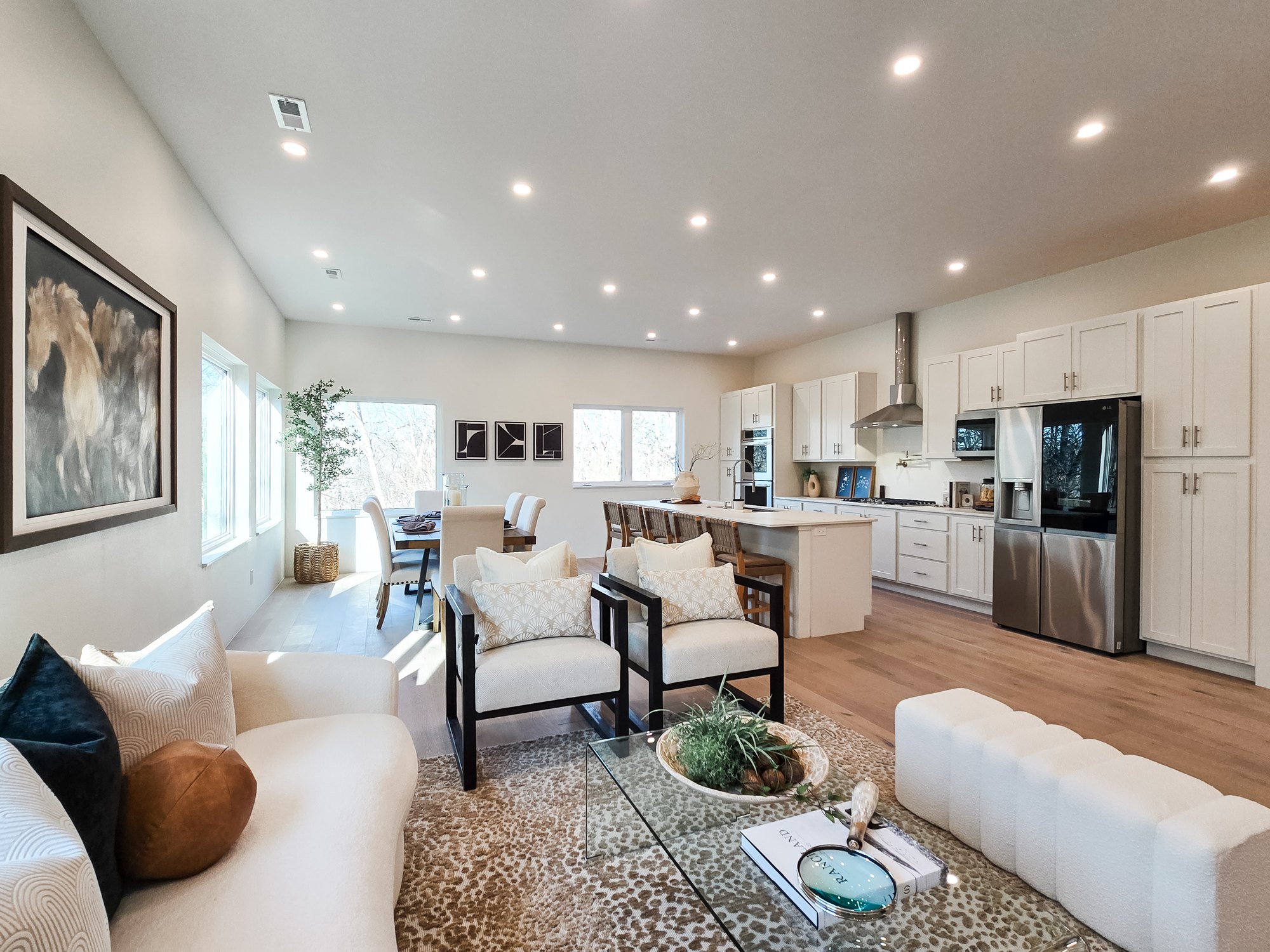
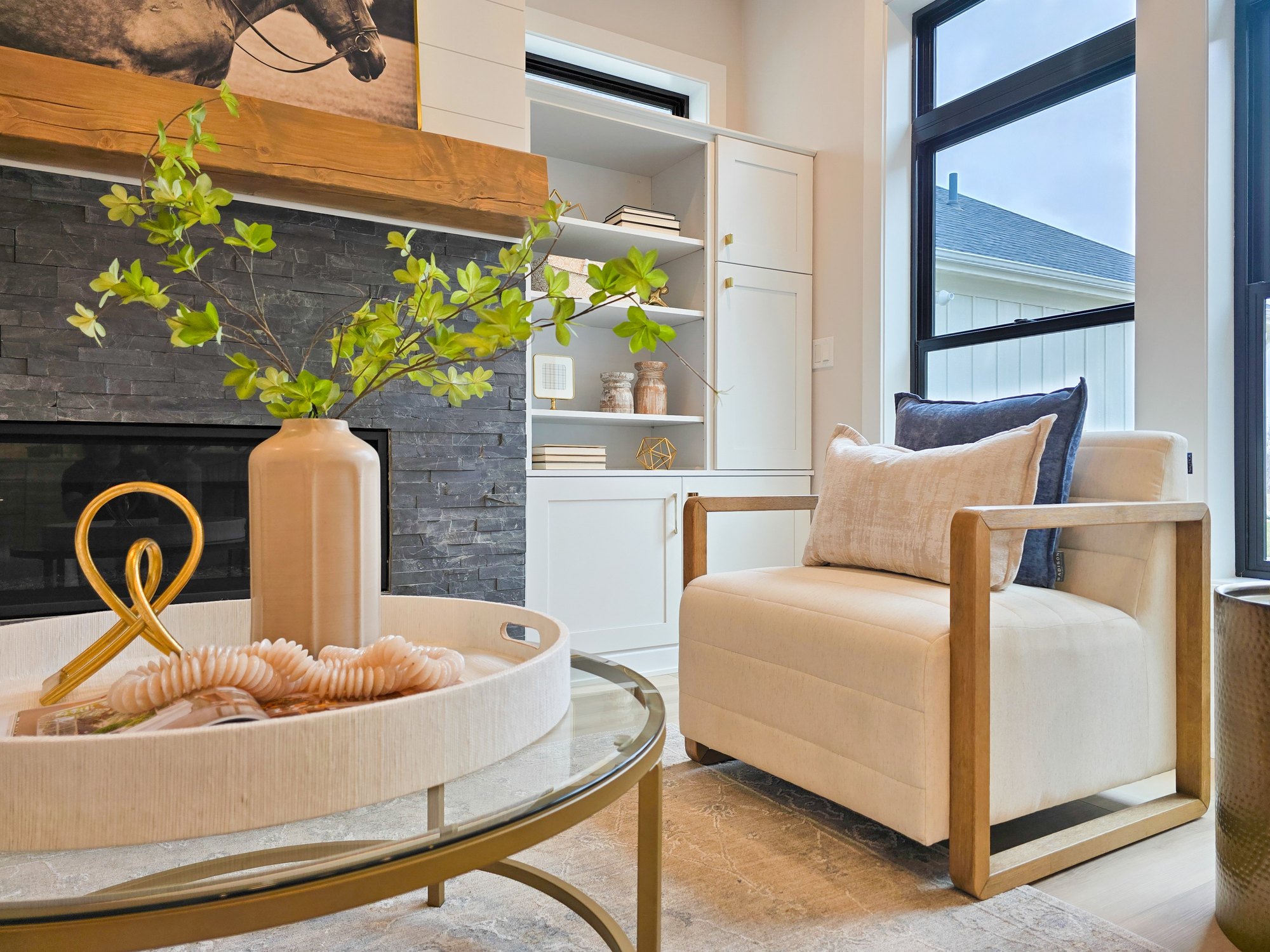
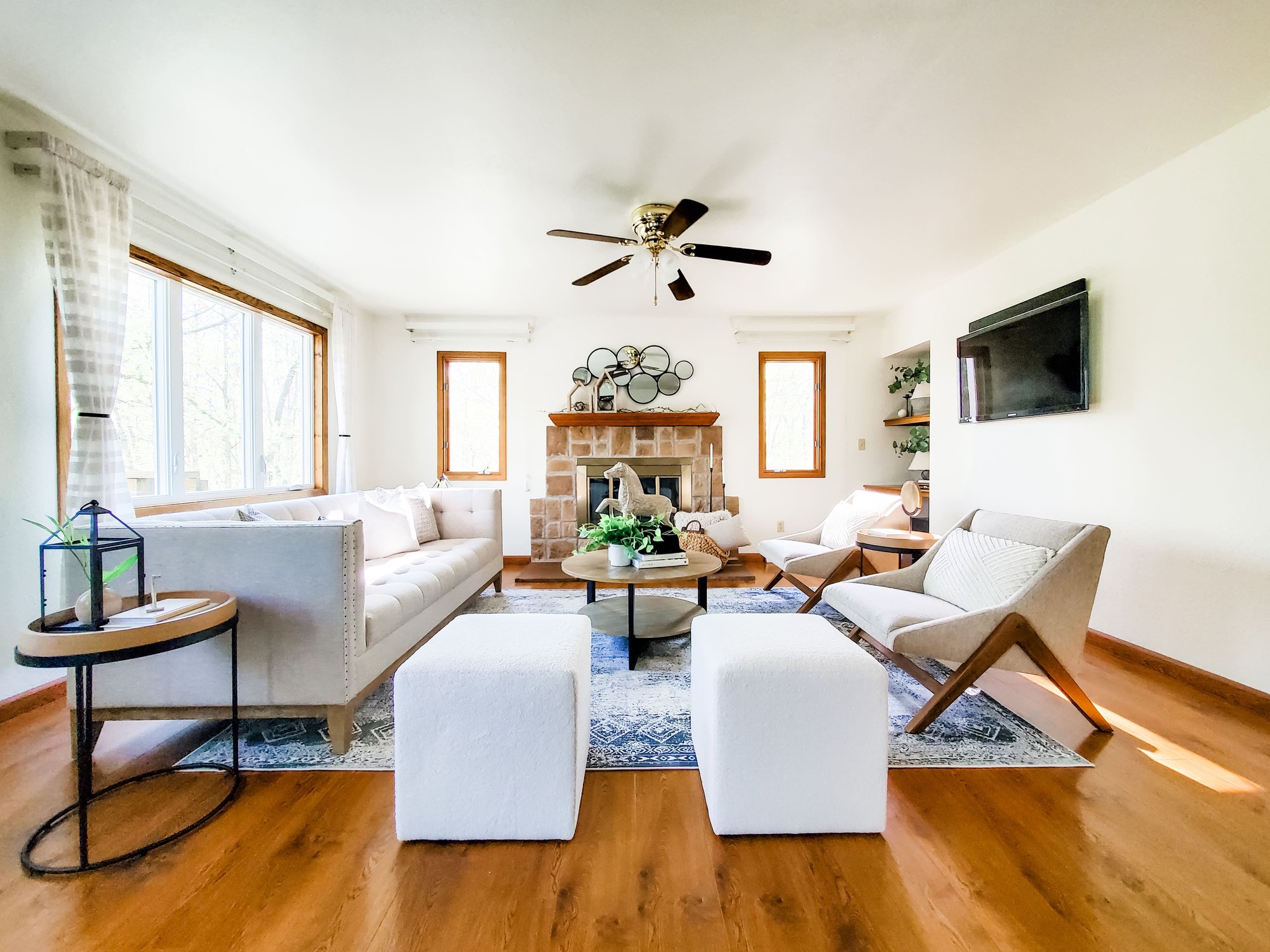
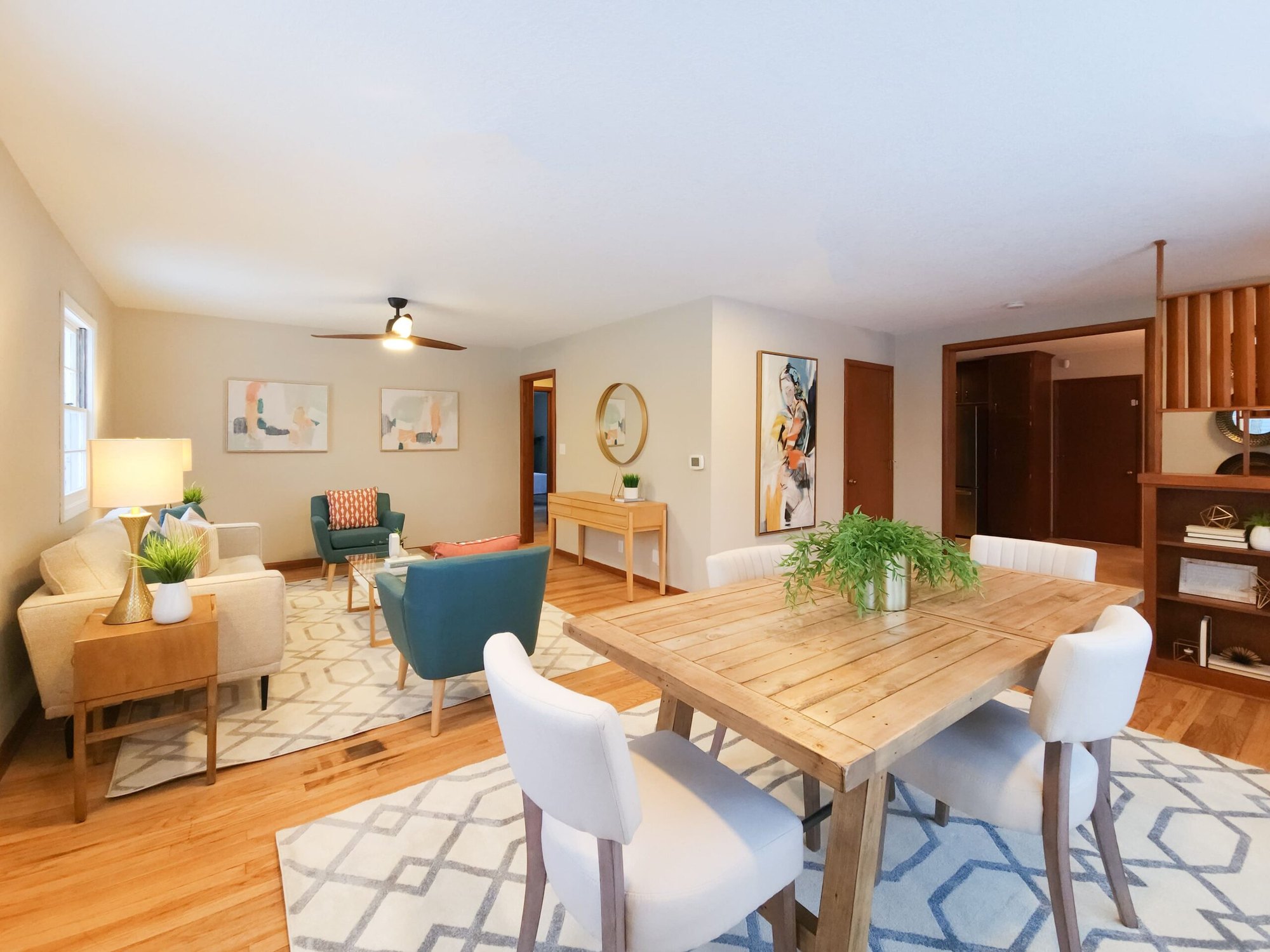
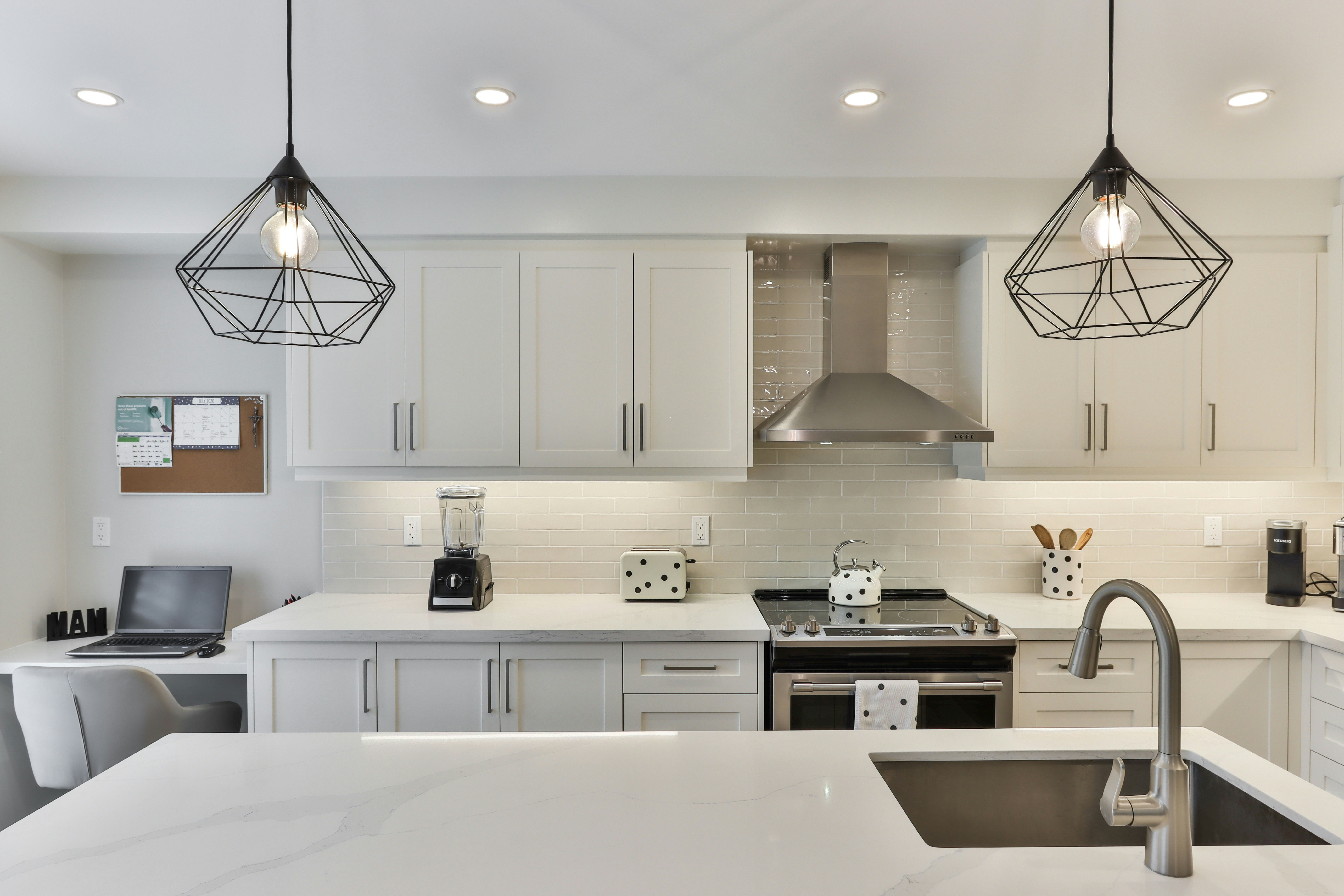
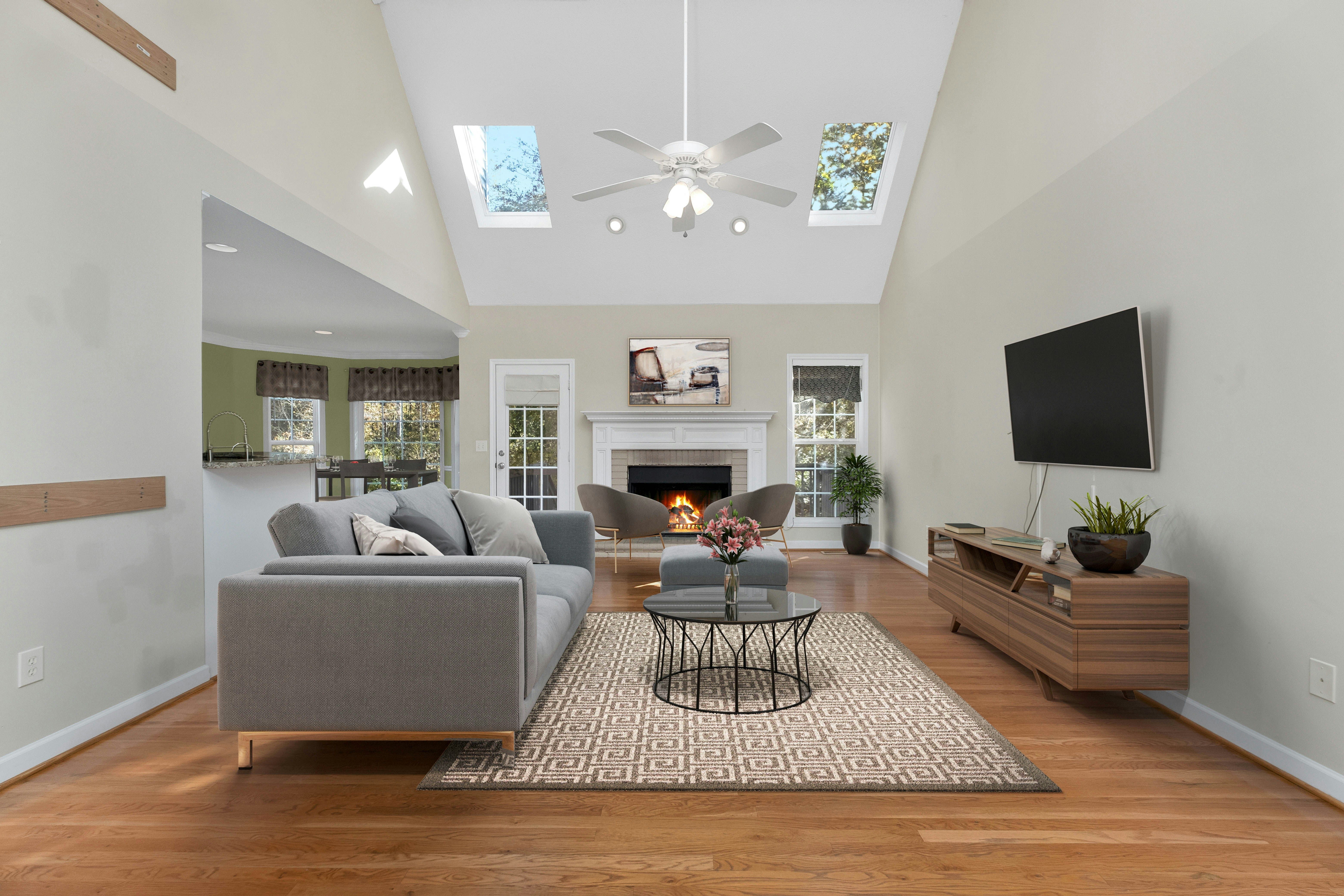
 Your Ames home will never have more attention on it than it does the morning the listing goes live. Buyers watching that price range for weeks or months get a listing alert in their inbox the instant the home posts to the MLS. They scroll through the photos before leaving for work, decide whether they want to see it that weekend, and start asking their agent to set up a showing if the first image holds them long enough to scroll through the rest of the gallery. Here at Sell It Well Home Staging, based in Boone, IA, the question of how a residential staging service raises your home’s value is about that first morning and the two or three weeks that follow.
The First Two to Three Weeks Carry the Money
A listing draws the most buyer attention in the first two to three weeks it’s available, because the buyers most likely to make a strong offer have already been waiting for it. They saved a search on Zillow, Realtor.com, or the local MLS feed weeks earlier, set criteria for price range and bedroom count, and have been opening every alert that lands in their inbox ever since. When your home matches those criteria, the alert lands in front of them. The clock on the offer starts then, not later.
The First Image Has to Do One Job
Your first listing photo is the only image guaranteed to be seen by the buyers receiving the alert. That photo appears as the thumbnail in the email, and it’s the click that opens the rest of the gallery for them. If the first image shows a room that reads as cluttered or wrong-scaled for the floor plan, the buyer scrolling alerts over coffee swipes past your home without ever opening the listing. Staging exists to make sure that first photo earns the click whenever the alert email goes out to the buyer pool.
The Showing Confirms What the Photo Promised
A buyer who clicks the listing schedules a showing because the photos sell a feeling about the home. That either confirms the feeling or breaks it. Staging holds the in-person walkthrough to the same standard the photos set, which means placing the anchor piece in the doorway sight line, setting the secondary furniture to match, and layering lights at the heights the room needs to read well in person. If the showing matches the photos, the offer follows fast, sometimes within the same week. When it doesn’t, the buyer leaves politely, and the offer never comes.
Listings That Miss the Early Window Pay for It
After the third week, the traffic curve on a listing drops sharply for most homes in the Ames market. Buyers in that price range who hadn’t already saved a search have moved on to homes that posted more recently. Those who did see your home and pass have already made up their minds about it. From week four forward, most listings start moving again only through a price reduction, which costs the seller more than staging would have at the start. That price drop also signals to the next buyer that something is wrong with the home, even when nothing is.
The Ames Buyer Pool Shapes What Gets Staged First
Staging an Ames home for the early window means understanding what Ames buyers are searching for at the moment your listing goes live. Single-family buyers in the 1,400 to 2,400 square foot range tend to focus on kitchen layout, primary bedroom proportion, and finished basement potential. Each of those rooms needs to be read at full intent in the first three or four photos of the gallery. We sequence the photo shoot so those rooms hit the alert email in the order that closes the click into the showing.
Get the Listing Photos Right Before They Get Scheduled
The fastest way to add real value to your Ames home is to stage it before the listing photographer is booked, so the first images hitting the alert email do the work they were meant to do. Reach Sell It Well Home Staging at (515) 238-3795 for a pre-photo walkthrough of your Ames home, scheduled in the week before your agent sets the photo date.