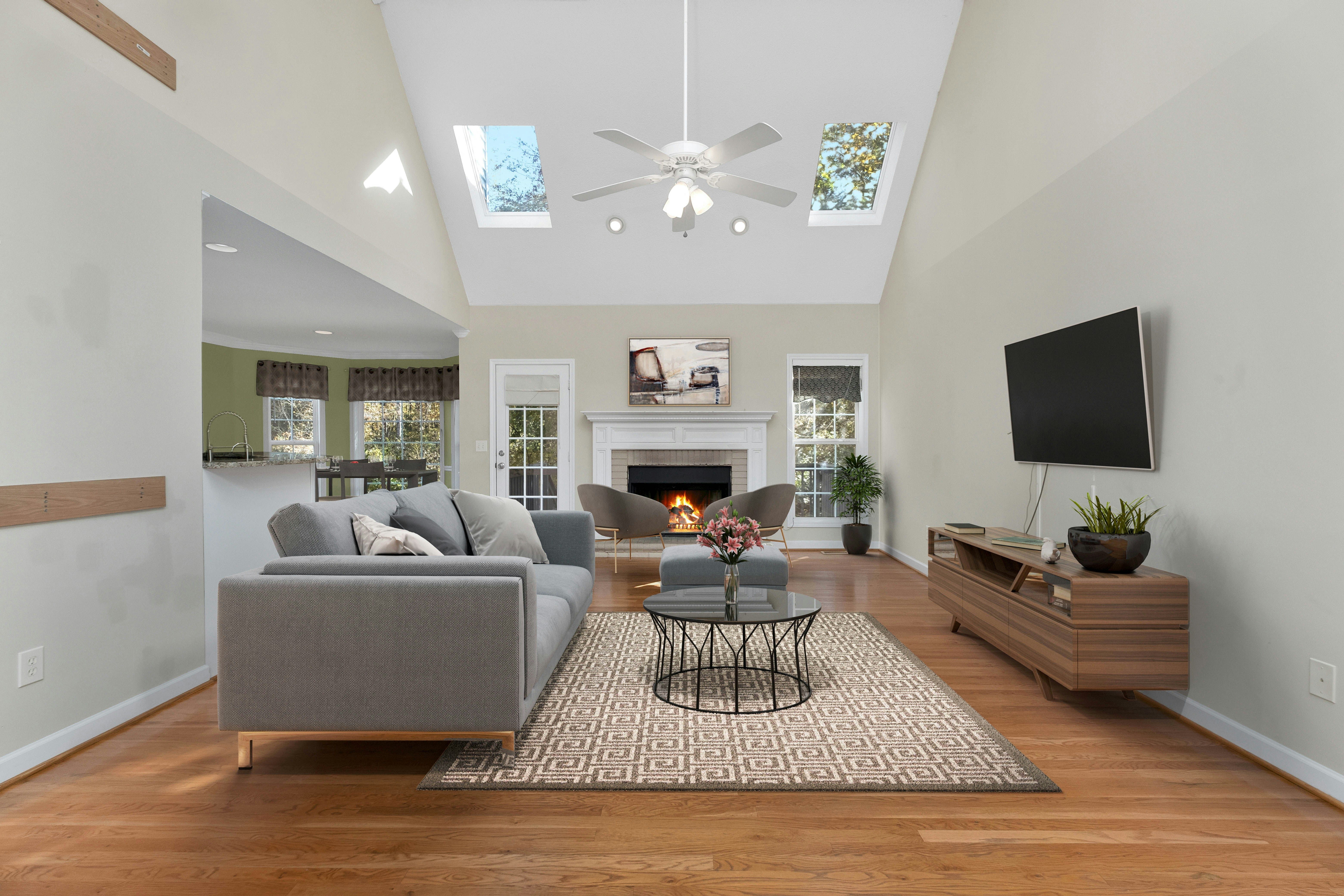
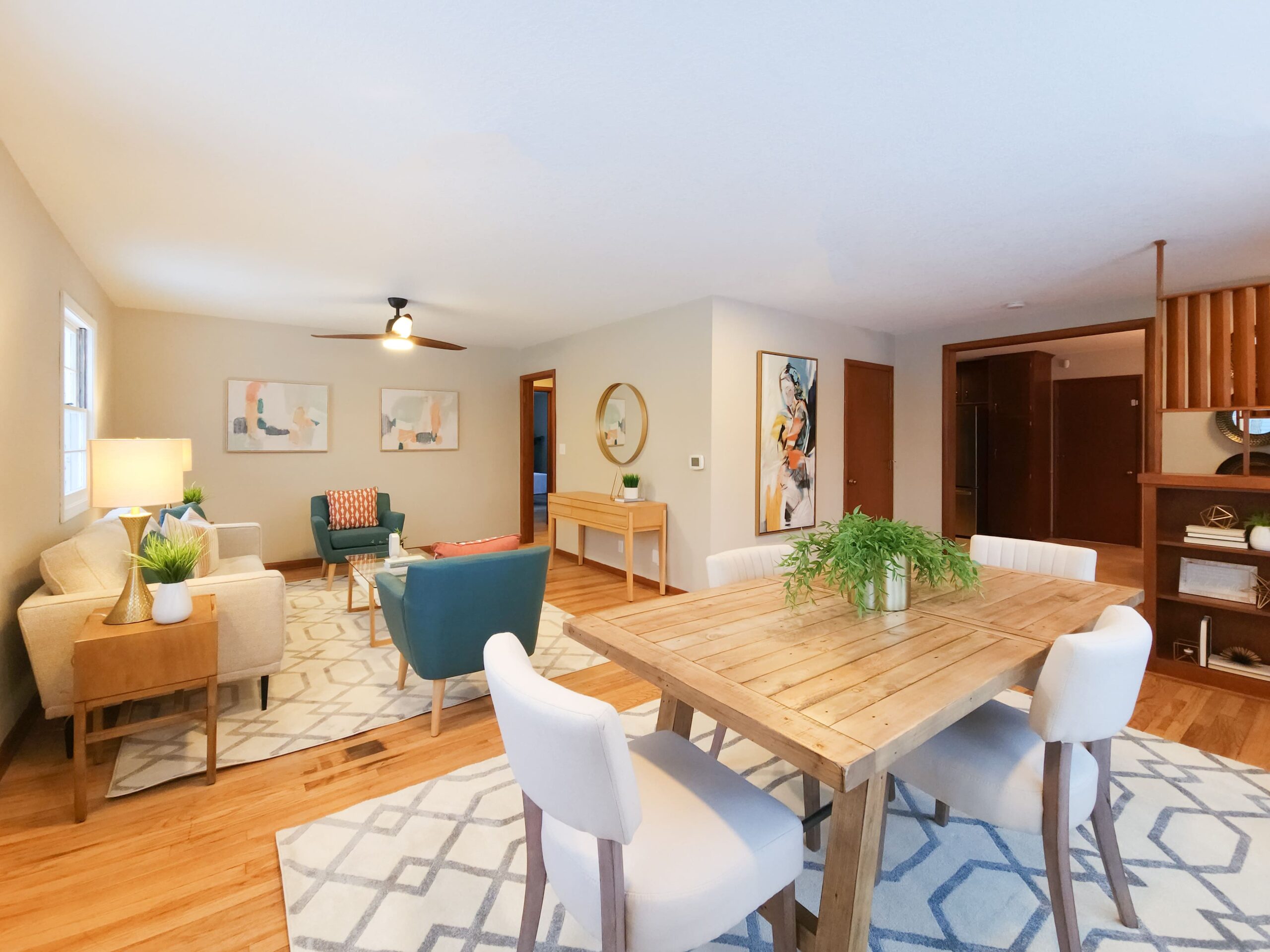
 Most home staging happens from the middle of the room. The training we paid for taught us to stop in the doorway instead, because that’s where the buyer stops too. Good taste won’t sell your house by itself, and the gap between taste and trained staging shows up the second a buyer crosses your threshold. Here at Sell It Well Home Staging in Boone, IA, we’d rather show you what certification does than ask you to take the word on faith.
Taste Versus Training
Personal taste tells you what you love living with day to day inside your home. Certification training teaches us what a stranger reacts to in the first moments of a walkthrough, and how to engineer that reaction across every room of your house at once. Those are two different jobs with two different goals attached to them. One decorates a home and the other one sells it, and only the second job moves the price line your agent set last week.
The Doorway-Anchor Read
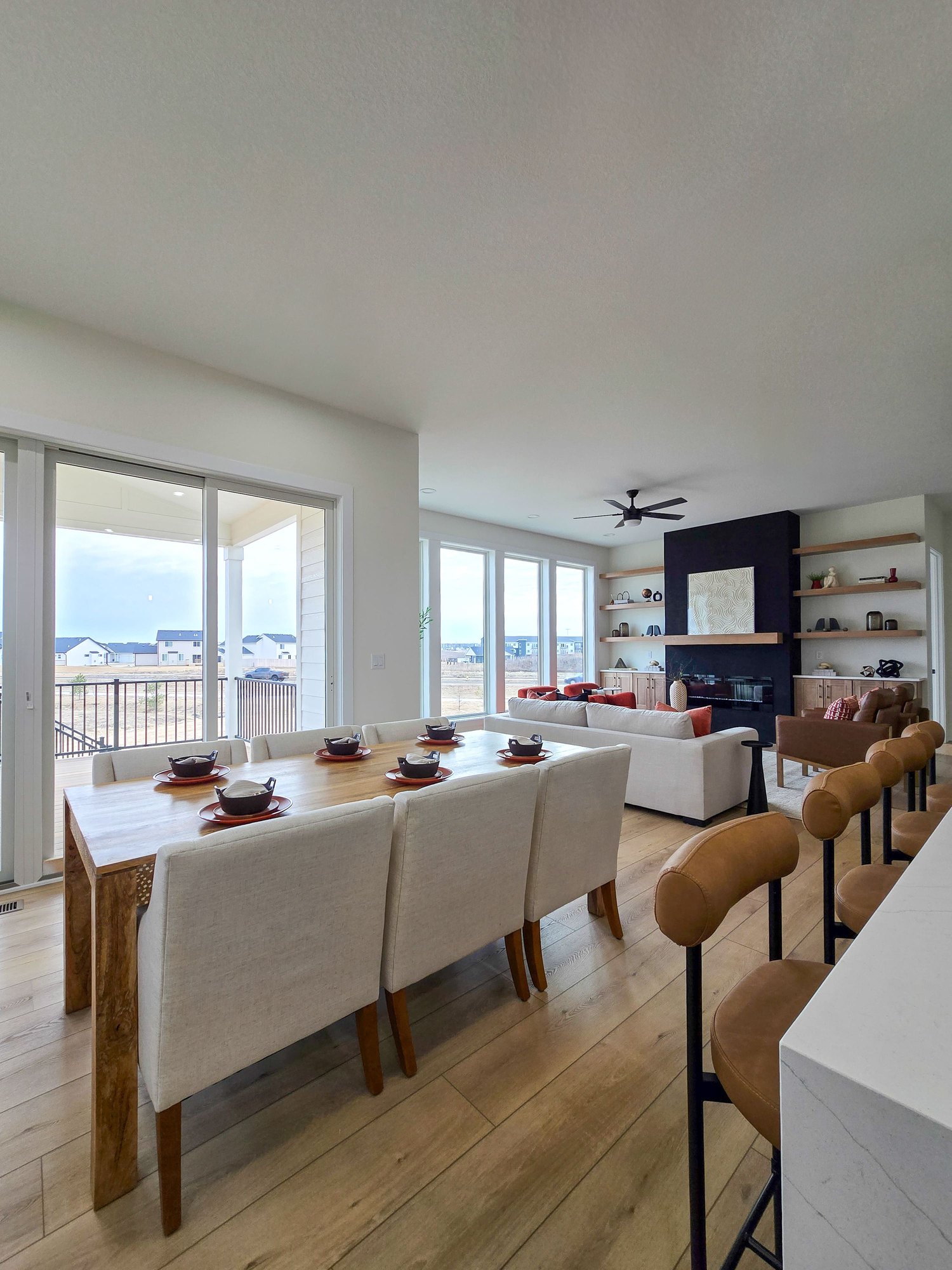
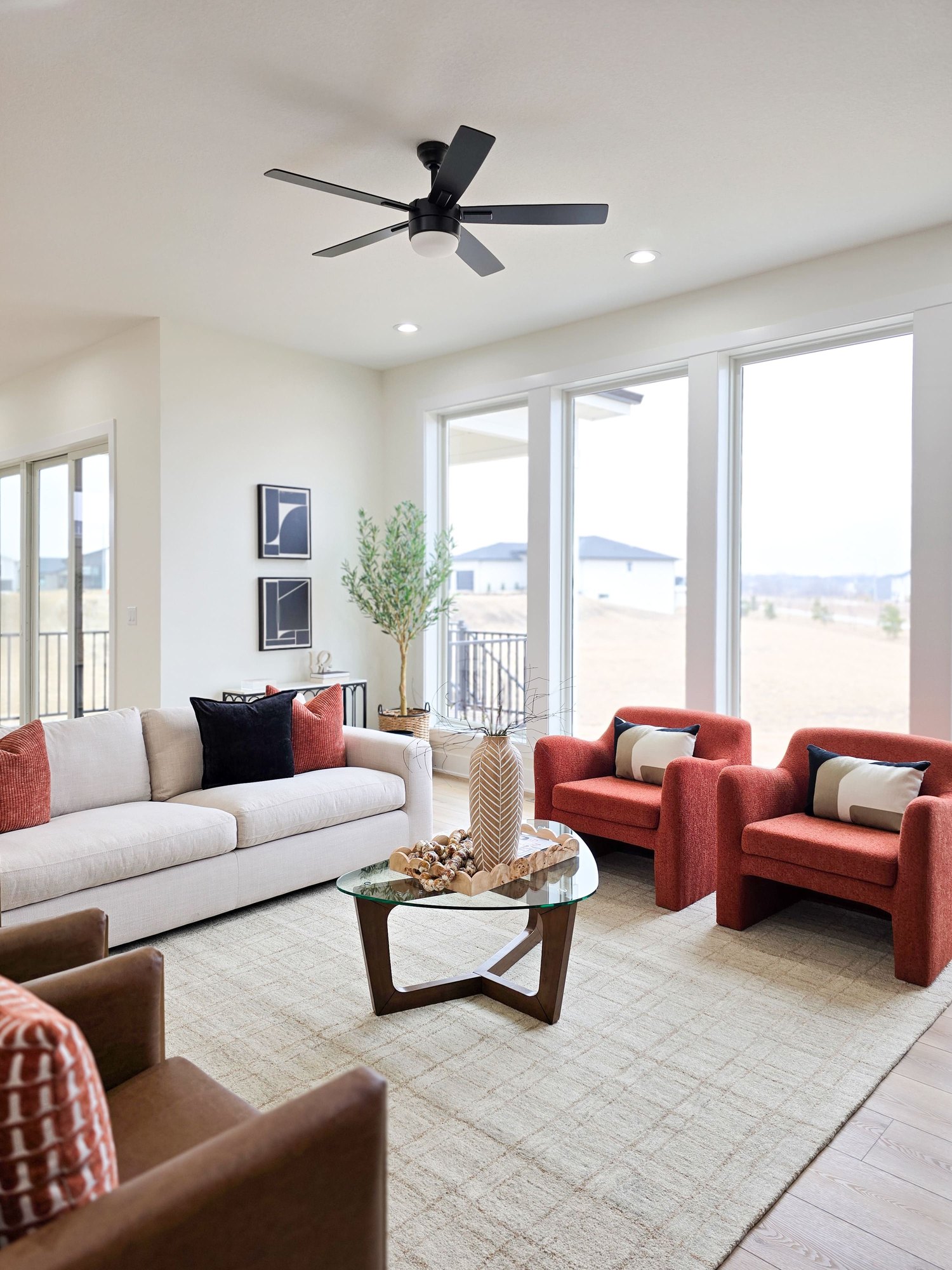
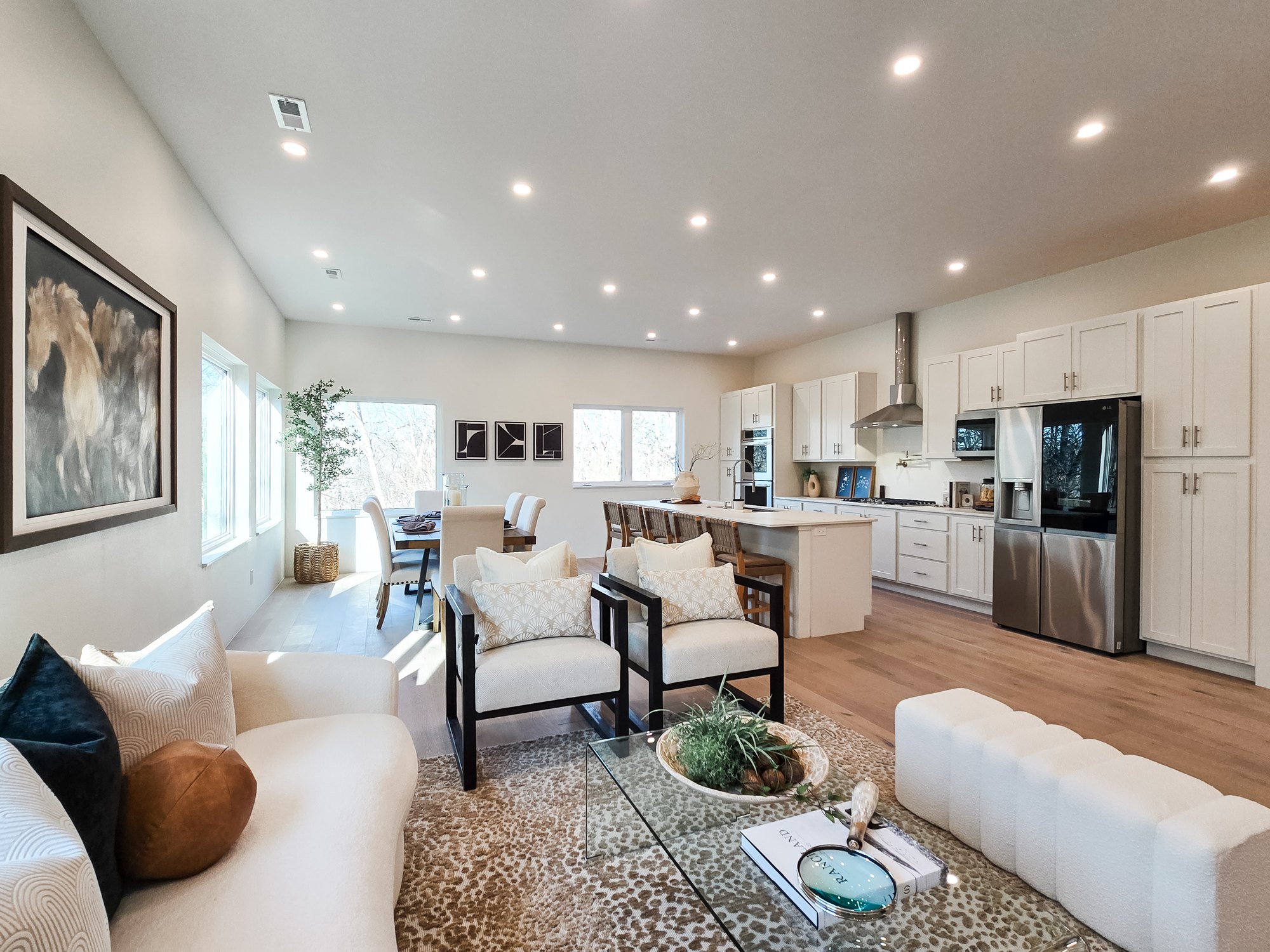
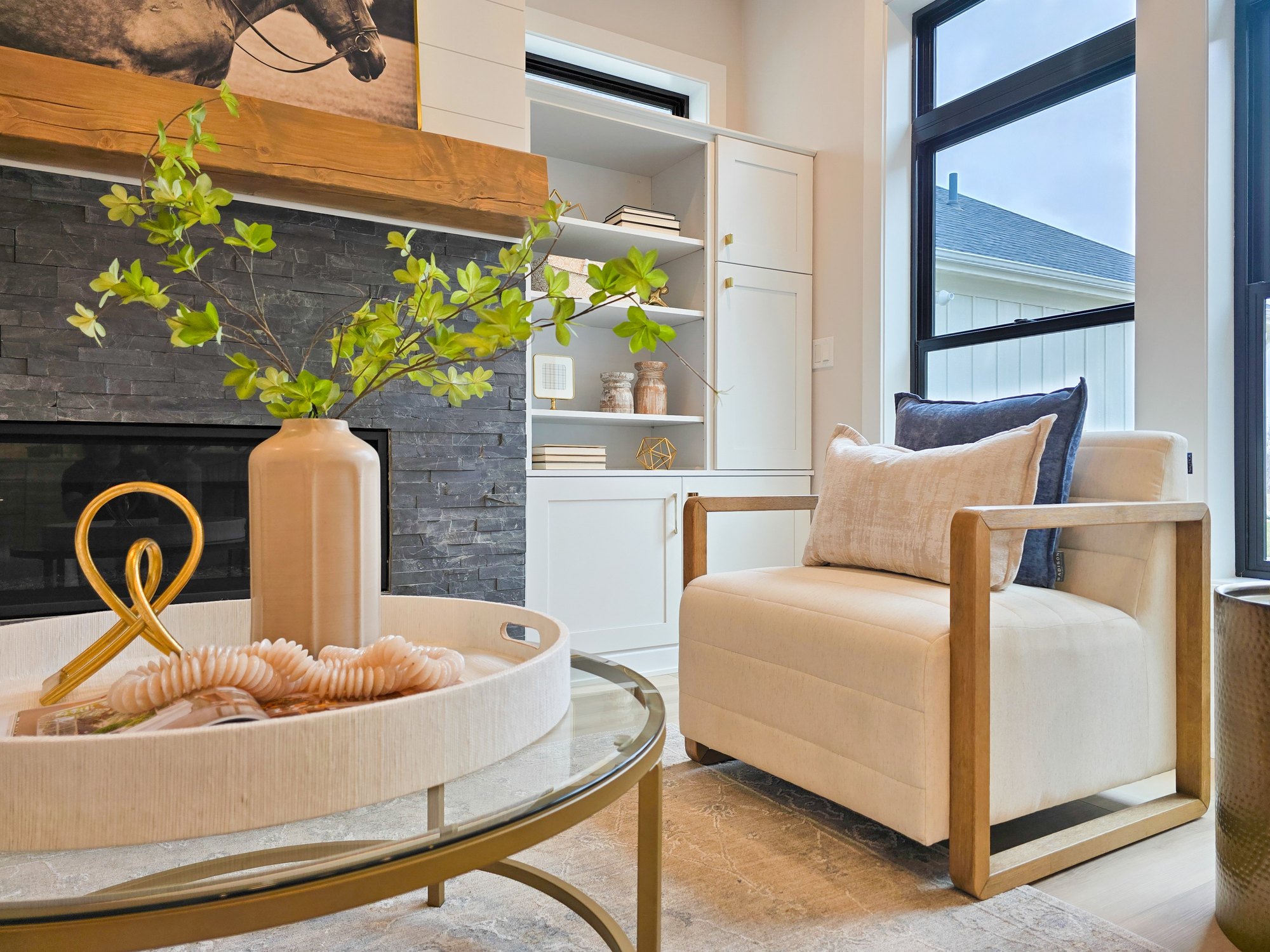
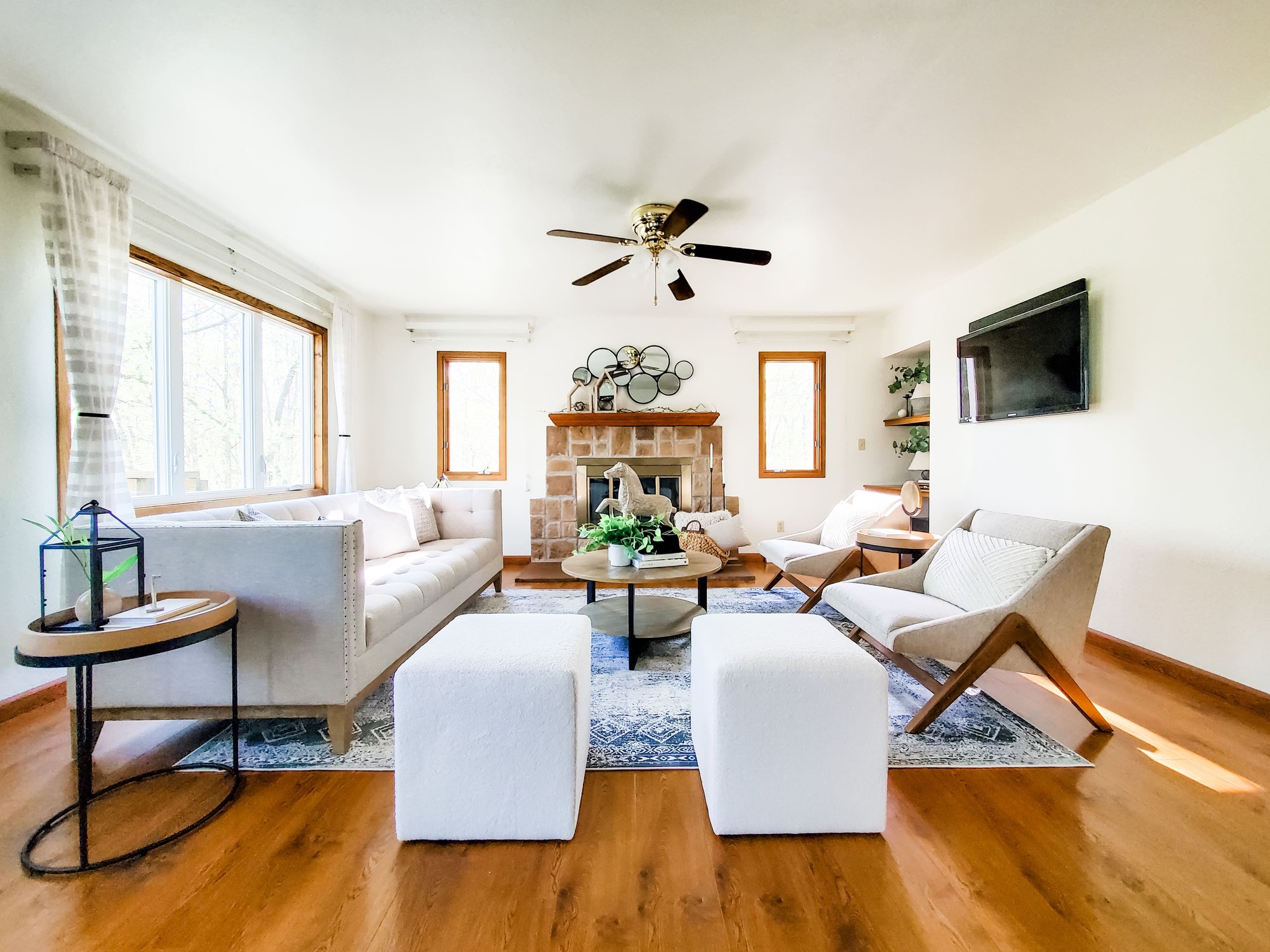
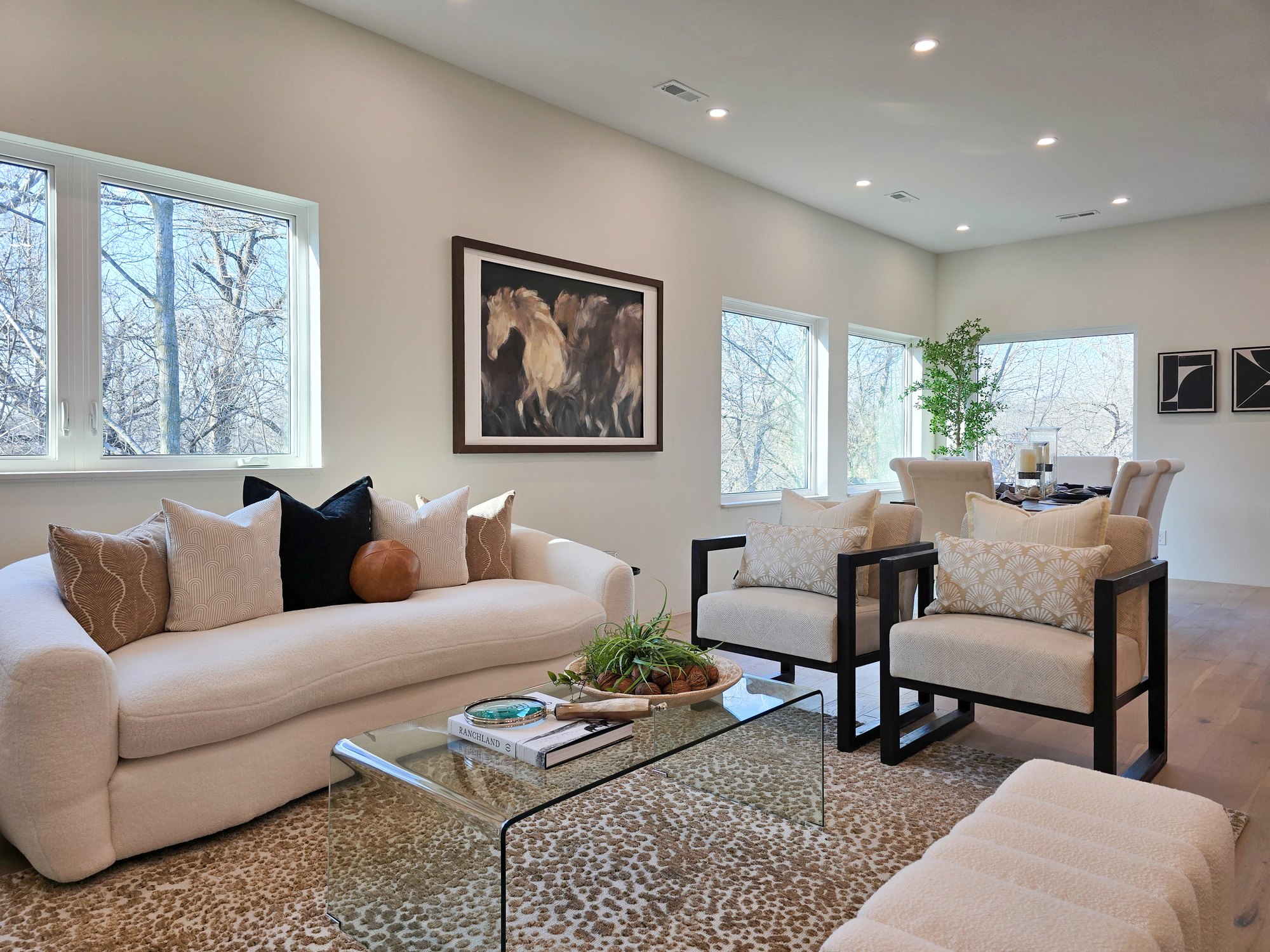
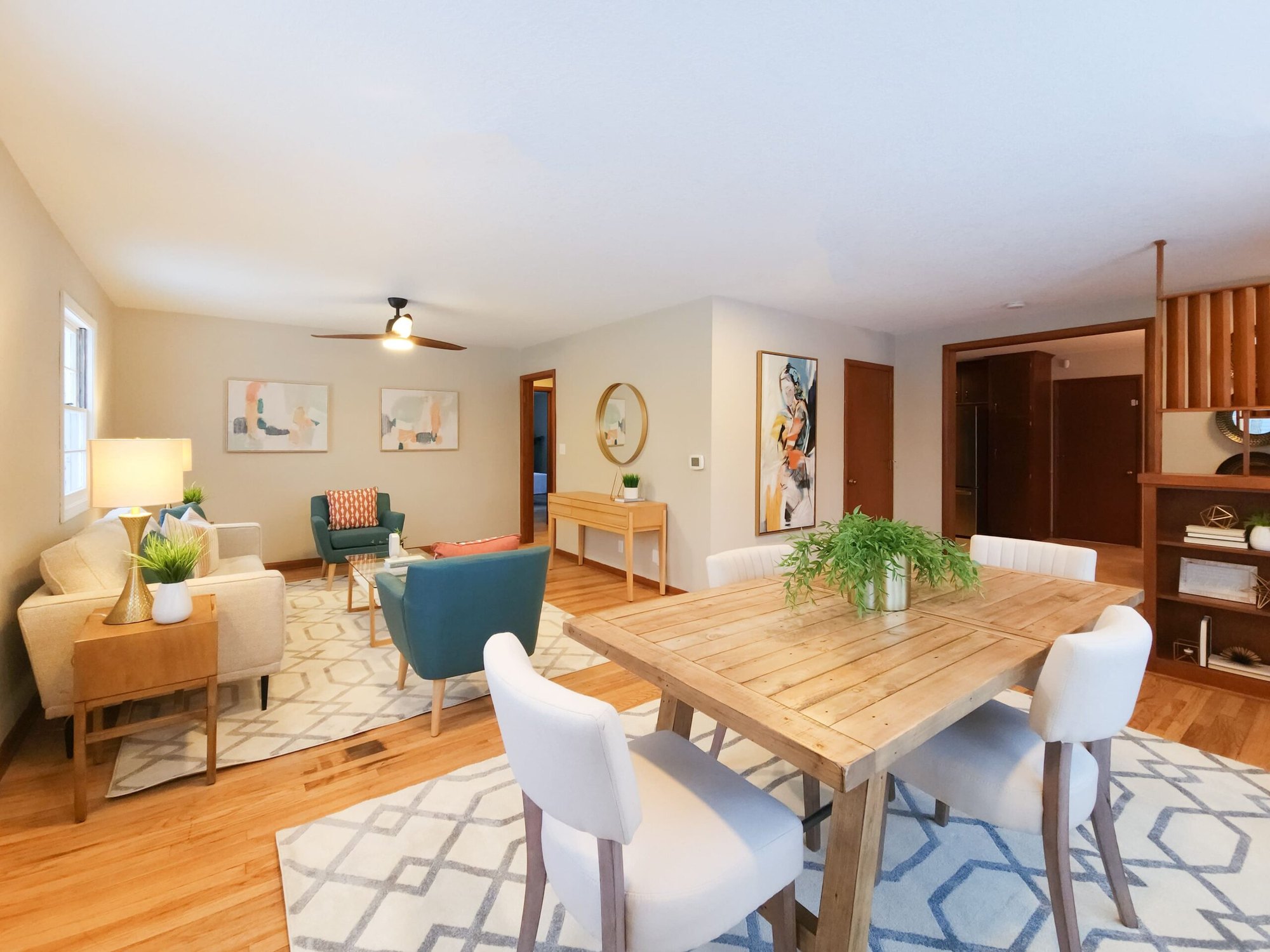
Every room of your home gets read from its doorway before anything else happens inside it. We stop at the threshold, we look once at the room, and we name the first piece of furniture a buyer’s eye lands on before they take their second step inside. That piece is what we call the anchor of the room. Where it sits decides whether the room reads as deliberate to a buyer or reads as random. Most self-staging happens from the middle of the room, which is why so many do-it-yourself spaces photograph cleanly from one angle and break down completely from another.
Anchor Placement and Room Scale
A correctly placed anchor sets the visual scale for every other piece of furniture that goes in around it after that. Your sofa needs the right width for the wall behind it and the right depth for the rug under it. Your bed needs the right footprint for the floor space on three sides of it. Your dining table needs at least 36 inches of pull-out clearance behind every chair, or the room reads as too small; the second is when a buyer pictures sitting down for dinner there. An anchor scale that’s off by one furniture size shrinks the room before a buyer finishes the walkthrough. The anchor scale that’s right opens the same square footage up beyond what the floor plan suggested it could hold.
Your Photographer Shoots From the Same Doorway
Your listing photographer frames the hero shot from the same threshold we use for our doorway read, and that overlap isn’t accidental on either end. When the anchor sits in the wrong spot, the hero shot collapses inside the camera frame. A buyer scrolling listings at night will swipe past your home before opening the rest of the photo set, because the first image is the one they’re guaranteed to see, and the first image is the one that earns the click into the rest of the gallery.
Real Training
Anyone can put initials after their name on a website footer and call it a credential worth paying for. Ask any stager you’re considering to walk one room with you and narrate the readout loud while they’re doing it. A trained stager identifies the doorway first. They name the anchor piece by piece for you. They walk the sight line, point at the scale issue, and tell you what they’d move before anything else changes. Untrained advice sounds like decorating tips pulled from a Sunday magazine, and trained advice sounds like a sequence of connected decisions, each one tied to what a buyer sees and when they see it.
A Trained Read of Your Boone Home
The piece your eye lands on first when you walk through your own front door is doing more for or against your asking price than every other piece in that room put together. Call Sell It Well Home Staging at (515) 238-3795 and we’ll meet you at your threshold for a full doorway read of your Boone home before any decision about staging gets made.