Learn how strategically placed interior wayfinding signs help patients navigate medical offices. Our professional signage provides clear directions, readable room labels, and accessible design.
We believe effective medical office signage starts with orientation. Patients need to understand the clinical layout before choosing a hallway, looking for a particular department or searching for a treatment area.
Our signage experts use a synergistic approach to help patients move on an informative journey throughout the clinical space. The goal is to make finding where they need to go as easy as possible, so they can remain focused on their own health and medical questions.
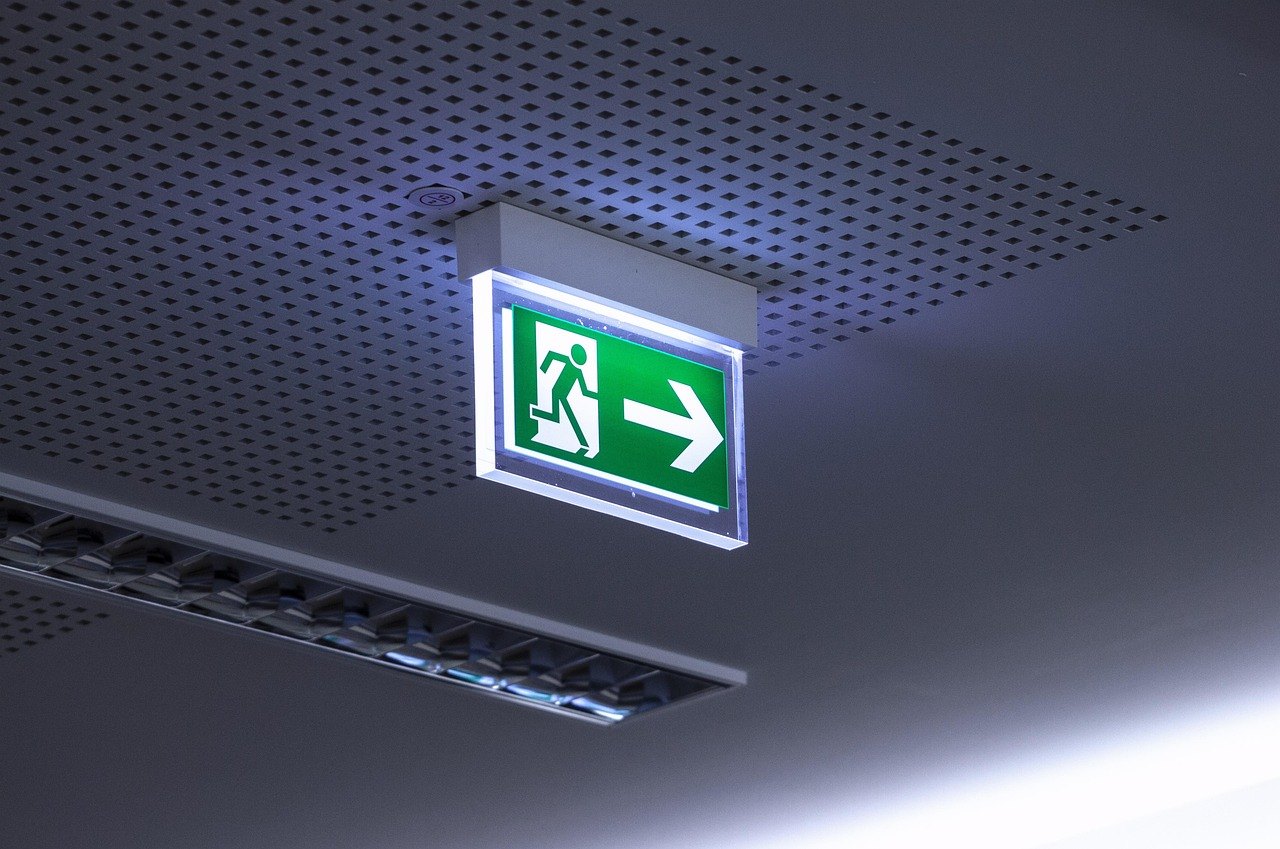
This typically calls for a strategic combination of overhead signs, wall-mounted arrows and color-coded pathways to intuitively guide visitors. By placing signs at important decision points, patients can more easily find the correct route without confusion. Using consistent, branded colors and symbols also makes it easier for patients to recognize important signs at key points.
This is especially helpful for medical offices with multiple providers or specialists a patient might need to visit in a single appointment. Unified signage helps connect each part of the patient journey. It also helps speed the natural flow of people from the main entrance to check-in, diagnostic services and treatment areas without confusion.
Once a patient reaches a specific area, clear signage confirms their location. This is reinforced with easy-to-read room numbers, department labels and provider directories. Each is branded with the same recognizable typeface and color scheme to be easy to visually pick out.
Readable identification signs will also help staff with the flow of daily operations. When patients find the right room independently, receptionists and other medical personnel spend less time asking questions or giving directions.
Of course, strategic sign placement is also important. Even the most well-designed sign loses value when patients encounter it too early or too late. Our signage experts understand the fine art of sign placement and visual flow to know where, how high or how prominently a sign needs to be displayed.
For example, a directory near the entrance establishes the overall layout, whereas a directional sign needs to appear where visitors must choose between corridors or entrances. A sign placed well before an intersection could potentially leave a patient unsure which turn to take.
When building a sign strategy, our experts walk through the facility from a first-time visitor's perspective to determine the best placement. We consider the view from the entrance and reception desk as well as the visual trajectory of every major hallway. Our signage strategy then takes into account furniture placement, doors or other visual obstacles to make sure signs are placed for maximum visibility.
If you have a clinic or medical office in the Zephyrhills, Lakeland, Brandon, Land O' Lakes or Temple Terrace, FL, area needing new or updated wayfinding signs, contact Amazing Signs today to schedule a consultation. Our signage experts will develop a sign strategy to help patients find their way throughout the facility to let everyone stay focused on care, without worrying about directions.