 The question surfaces in nearly every career conversation: You have to decide between logging into a virtual portal or walking across a college campus. For decades, the answer seemed obvious: serious education happened in lecture halls, and online learning carried an asterisk. Work looks nothing like it used to, and the way we weigh our options has changed too.
The Old Divide No Longer Holds
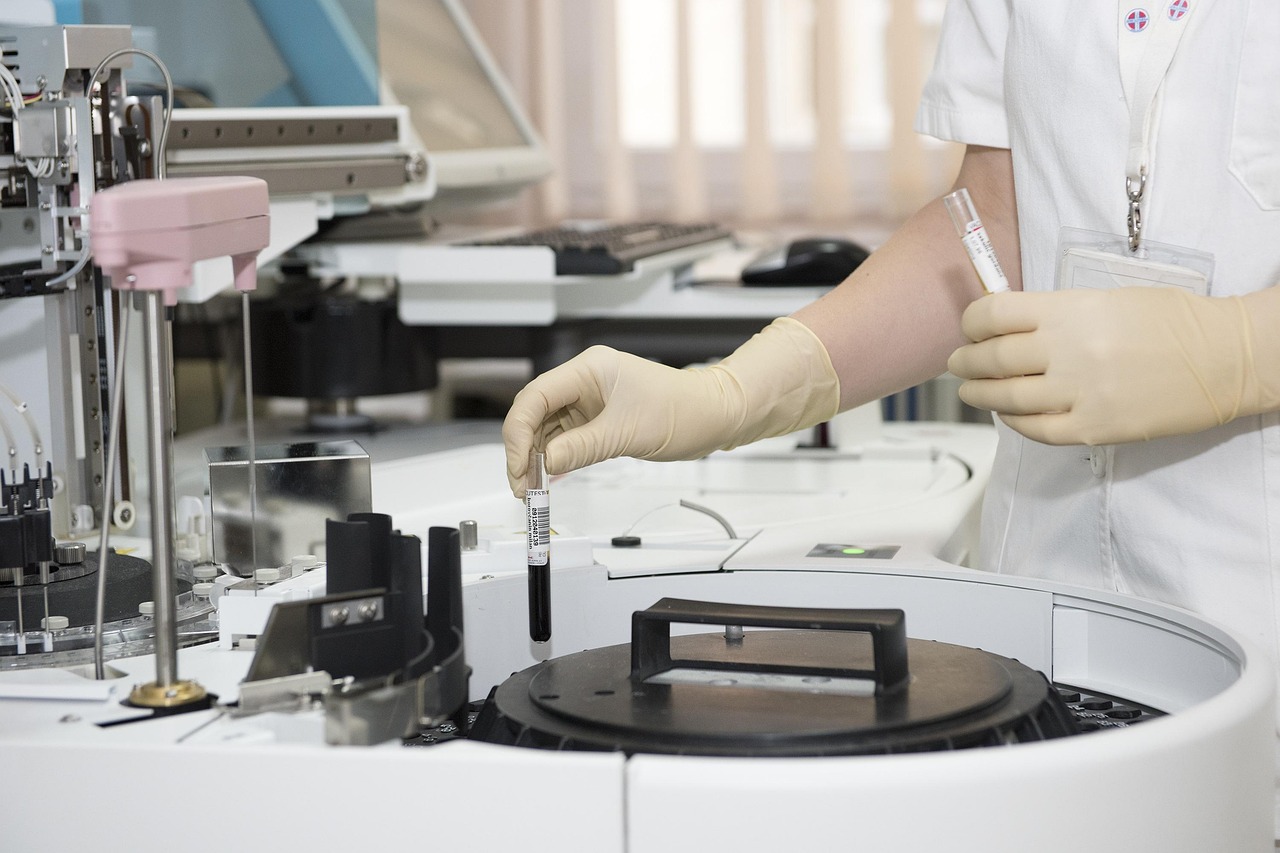
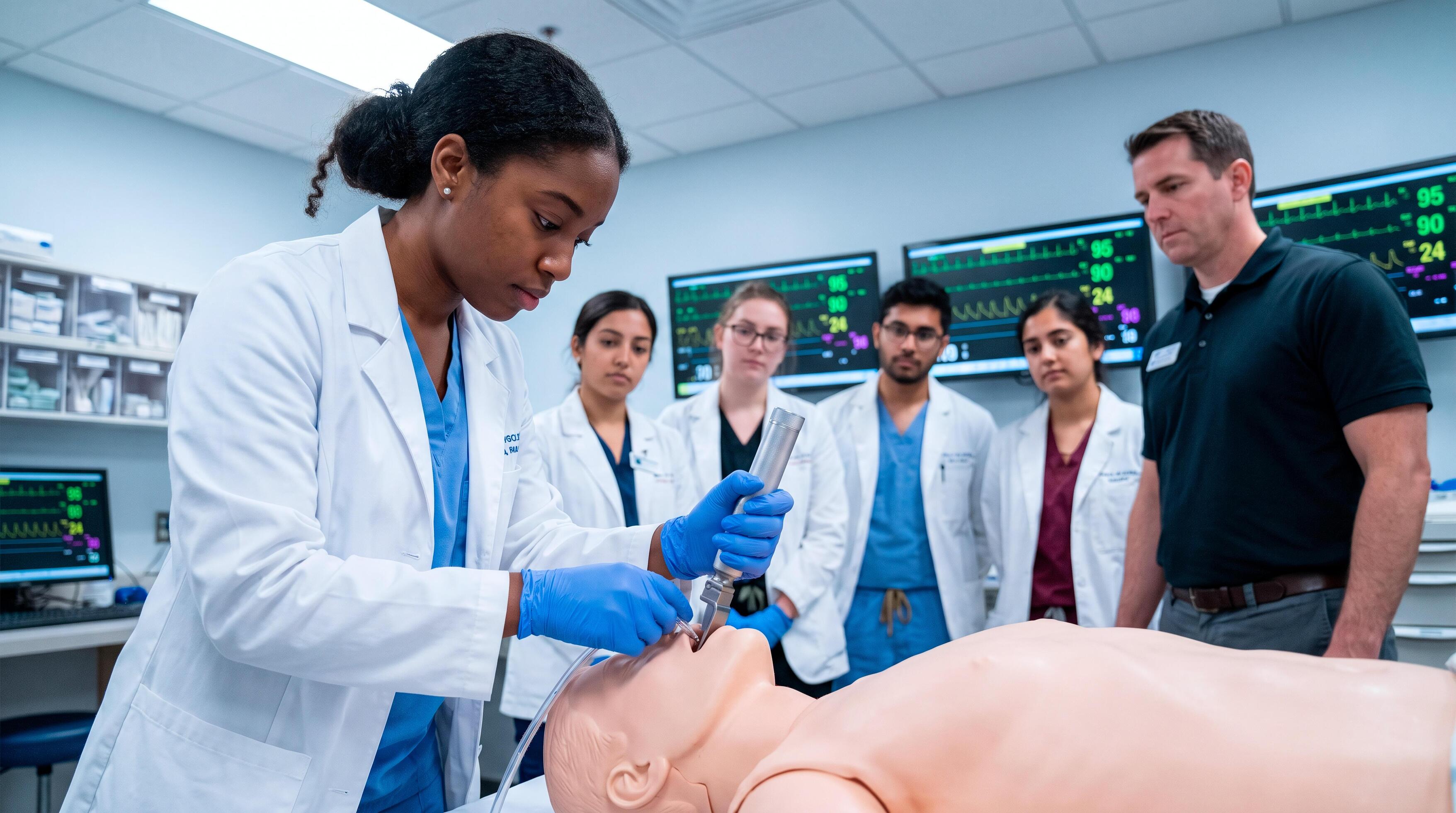
Old school schools built their name on face-to-face teaching, stacks of books, and the friends you meet on campus. These advantages remain real for certain learners, particularly recent undergraduates seeking immersive experiences or fields requiring hands-on laboratory work.
If you are already deep in your career, you know that the usual approach makes life much harder than necessary. A locked schedule fights against your boss, your kids, and the random fires you have to put out daily. And relocating for a degree? For most mid-career learners, the idea is simply impractical.
Remote learning kills the old hurdles. You still get a real education that carries plenty of weight. The best programs, designed intentionally for digital delivery rather than hastily converted from in-person formats, offer rigorous curricula, expert faculty, and learning experiences tailored to adult professionals.
What Actually Matters for Career Advancement
Employers care less about where you studied and more about what you can do. A credential opens doors; demonstrated competency keeps them open. This reality reframes the online-versus-traditional question entirely.
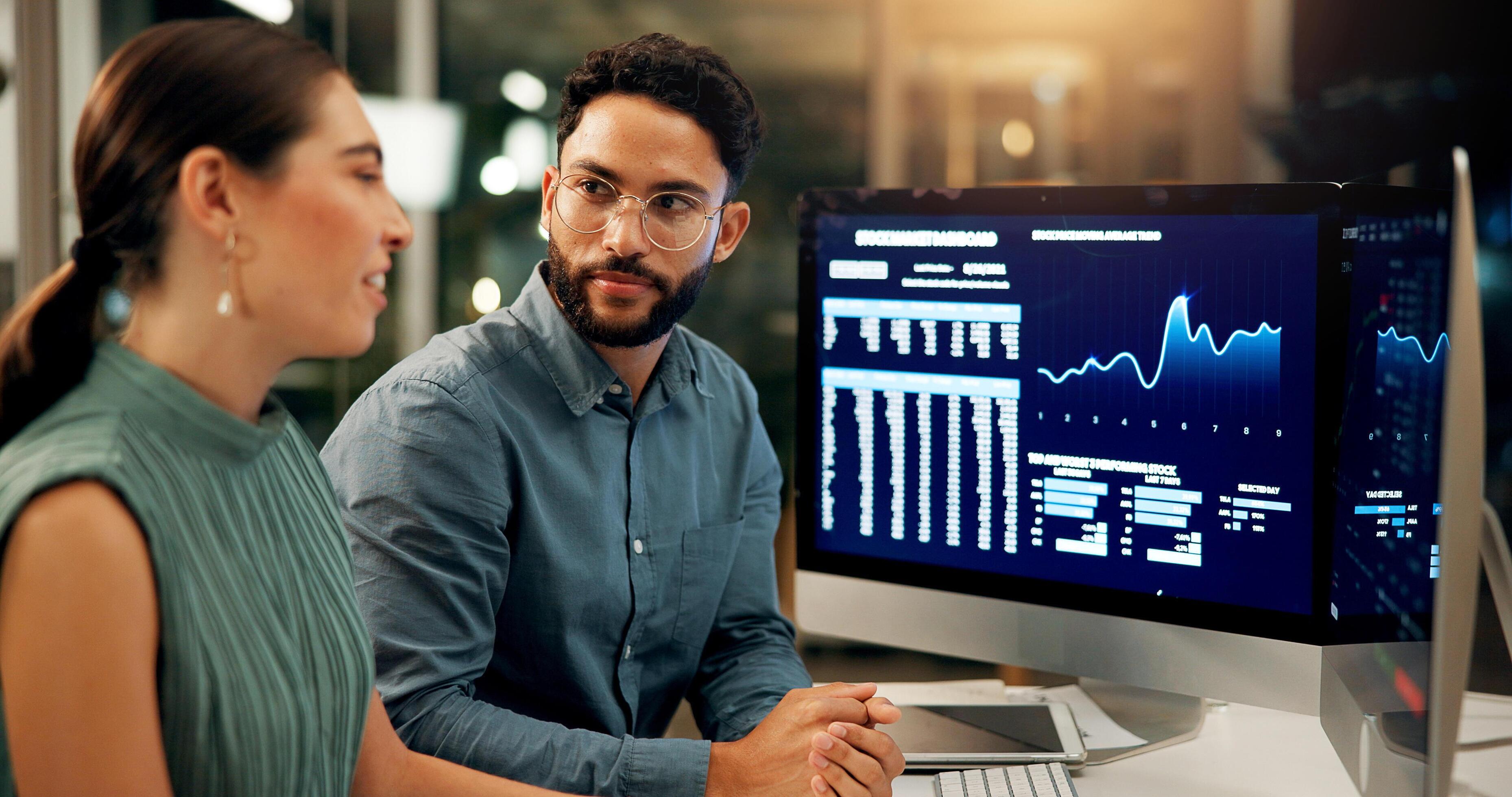
Focus on the traits that managers in healthcare and data science value most in new hires. Candidates who can analyze complex problems, deploy modern tools, communicate across functions, and adapt to evolving demands. These competencies develop through applied practice, not passive lecture attendance.
Vedere University saw this truth. They used it to build their entire graduate school curriculum. The Problem-Based Learning (PBL) approach places students inside realistic challenges from the first module. Rather than memorizing theory for exams, learners acquire skills by solving problems resembling those awaiting them in their careers. Graduates emerge with portfolios demonstrating capability, not just transcripts listing courses completed.
Flexibility as a Strategic Advantage
Time is a finite resource, and how professionals allocate it shapes career trajectories. Online programs return hours otherwise lost to commuting, parking, and rigid class schedules. Those recovered hours can flow toward family, toward current job responsibilities, or toward deeper engagement with coursework itself.
Vedere’s fully online master’s degrees—spanning Healthcare Management, Healthcare Analytics, Applied Data Science, and Digital Currency—deliver 36-credit curricula accessible from anywhere.
Virtual hubs link learners from Miami to the panhandle. You get to swap ideas with peers in different fields while building a network that stretches across the map. Faculty members bring global expertise into every session, translating research and real-world experience into actionable knowledge.
Credibility Built on Expertise
Many folks once laughed at the idea of putting online classes on a resume. People stopped worrying. Major universities went all in on virtual learning, and hiring managers finally noticed that the skills are real. What matters now is the institution behind the degree and the outcomes it produces.
Vedere University blends tough classroom standards with practical skills you actually use at work. From his time at IBM and the Alan Turing Institute to his leadership at KPMG, Dr. David Lopez brings years of consulting experience.
Sarasota Professionals Face a Clear Choice
Busy workers along the coast are ditching the traditional classroom for flexible digital programs. This shift supports the growing needs of our local hospitals and offices. It makes professional growth possible without the stress of a long move. The question is no longer online versus traditional; it is whether a program delivers skills employers value, taught by faculty who understand your industry.
Your Next Step Starts Here
Think about how a remote graduate degree aligns with your future. Chat with our admissions staff, check out our degree options, or book a time to talk about your goals. Your career is already in motion. The right education accelerates it.