 The title stays the same, but the daily tasks have changed. Five years ago, a data scientist might have spent most of their time wrangling spreadsheets and building descriptive dashboards. Today, the same role demands fluency in predictive modeling, optimization algorithms, and increasingly, the deployment of machine-learning systems that make real-time decisions at scale. For professionals in and around Sarasota weighing a return to graduate study, understanding this evolution is the first step toward capitalizing on it.
From Reporting to Reasoning
Traditional analytics answered the question, “What happened?” Machine learning asks a different question entirely: What lies ahead, and what steps must we take? This alteration forces us to rethink the entire recruitment process. Employers now expect candidates who can acquire, clean, and manage data while also building statistical models, designing experiments, and applying problem-solving strategies to open-ended questions. Communication skills matter just as much; the ability to visualize data for exploration, analysis, and collaboration separates analysts who inform decisions from those who drive them.
Vedere University’s Master of Science in Applied Data Science and Machine Learning was designed with precisely this reality in mind. The 36-credit curriculum moves students through three deliberate stages. The first stage builds solid programming basics and then walks you through statistical analysis and data visualization. Moving into phase two, you’ll work with higher-level programming and richer statistical models. Stage three introduces machine learning itself and situates those techniques within industry contexts, culminating in a capstone project that integrates everything learned.
Problem-Based Learning as Competitive Advantage
Lecture-and-exam models struggle to replicate the ambiguity professionals encounter on the job. Vedere’s programs instead adopt a Problem-Based Learning approach, increasingly recognized as an effective instructional method for cultivating the high-level competencies and transferable skills employers demand. Students do not simply absorb theory; they confront realistic scenarios, propose solutions, and iterate based on feedback. By graduation, they have practiced the very behaviors their future employers will expect.
Analytical competencies such as building models and understanding their limitations sit alongside technical skills like handling massive datasets, using optimization to inform decisions, and assembling computational pipelines from widely available tools. Mastering how you talk and listen ties everything together. Delivering reproducible analysis, collaborating across functional teams, and conducting data science activities with awareness of policy, privacy, security, and ethical considerations.
Healthcare as a Case Study
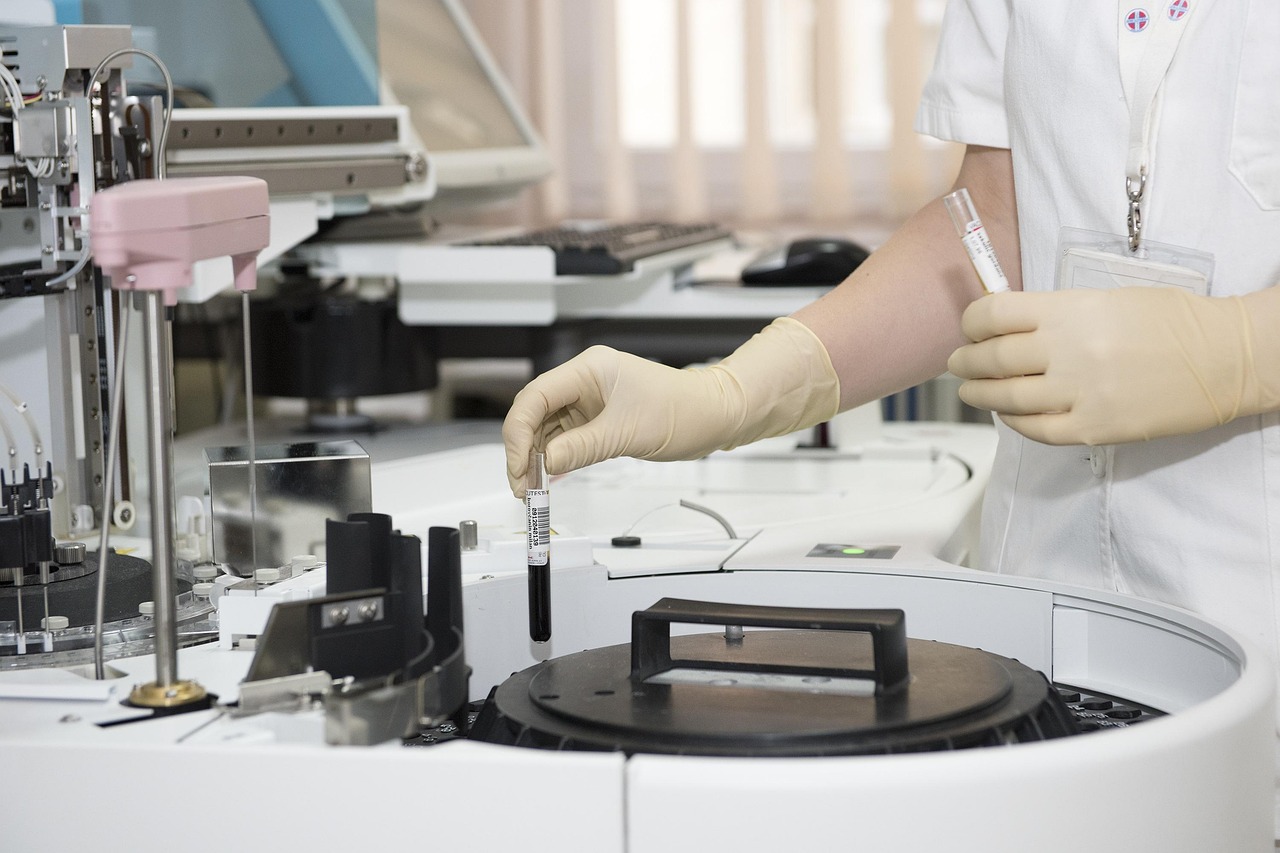
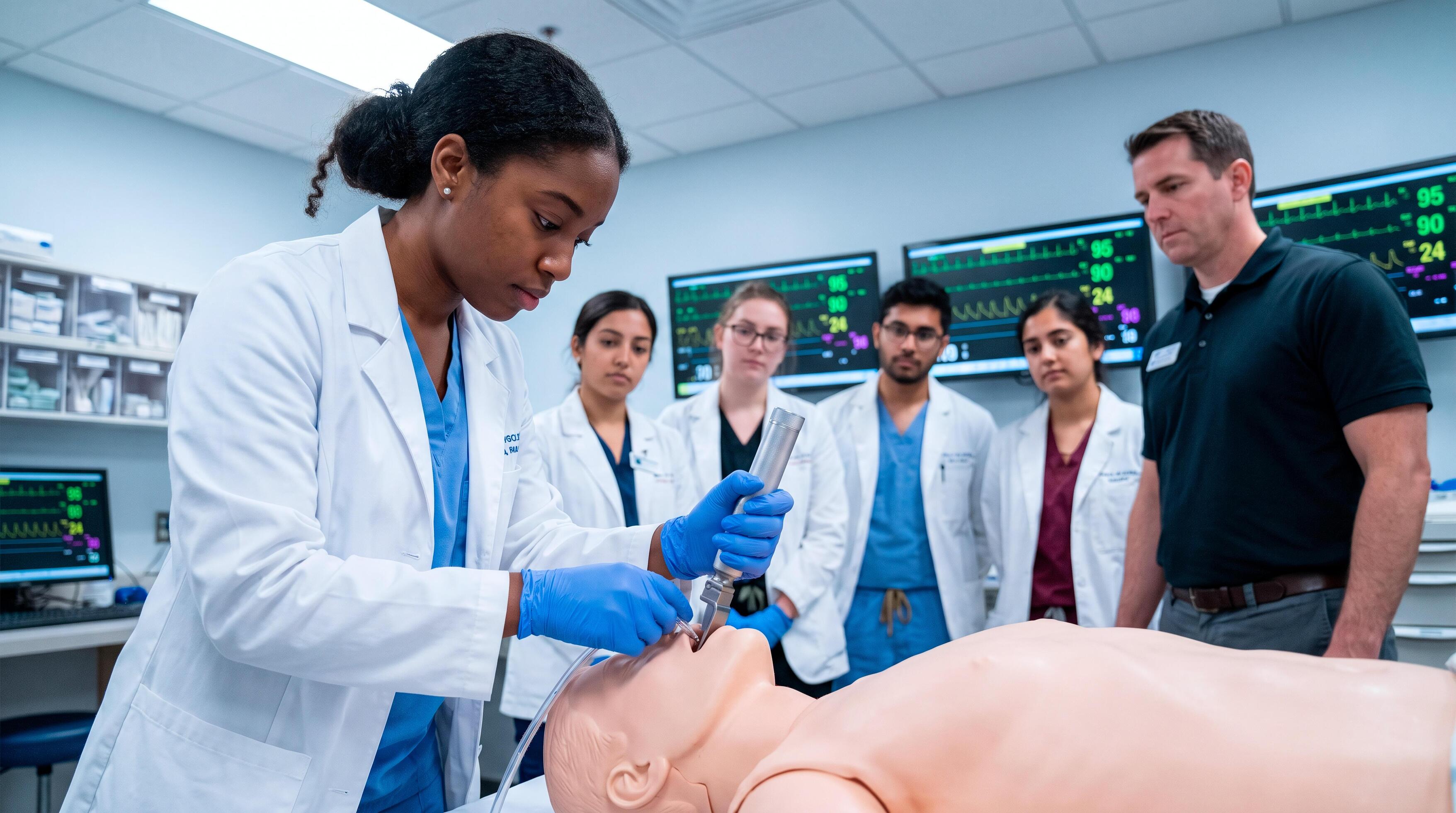
Nowhere is the ML-driven transformation more visible than in healthcare. By analyzing trends, hospitals can spot early signs of patient decline, plan appropriate crew numbers, and allocate needed supplies during busy periods. Vedere University, headquartered in Tampa and supported by Access Health Care Physicians, has developed a Master of Science in Healthcare Analytics that blends data-science rigor with clinical context. Students learn to translate business requirements into technical specifications, design secure AI-based systems, and apply their competencies to improve quality, utilization, and operations.
This healthcare-specific track shares foundational coursework with the broader Applied Data Science programs, including Python sequences and math modules, before branching into courses like The Business of Medicine and Healthcare Quality and Service Optimization. The outcome is a graduate who can read code and walk the clinic floor.
Generative AI Enters the Conversation
Generative AI, the latest edge in machine learning, raises the bar of what we expect. Professionals now encounter requests to automate documentation, build chatbots, or deploy large language models responsibly. The Master of Science program at Vedere focuses on applied data science and generative AI, directly answering the market’s call. Coursework covers when to use generative AI, how to design secure systems, and how to develop solutions consistent with privacy best practices, ethical principles, and security requirements. The capstone allows students to apply Stage one and Stage two skills to a self-defined business challenge, demonstrating impact before they ever update a résumé.
Flexibility for Working Professionals
You can take any of the three courses from anywhere, which means a nurse working the night shift, a data analyst buried in quarterly numbers, or someone switching careers while raising kids can stay on track without relocating or stopping their paycheck. The three-stage structure ensures each course builds on the last, while periodic virtual networking events connect learners to peers and faculty across Florida’s expanding health-tech ecosystem.
The short distance between Sarasota and Tampa’s medical networks, research labs, and incubators lets students turn capstone assignments into real‑world solutions for local issues. As a result, their portfolios stand out to recruiters long before graduation.
Chart Your Next Step
Machine learning has not simply created new job titles; it has rewritten the qualifications for existing ones. Professionals who invest now in the analytical, technical, and communication competencies employers seek will find themselves leading projects rather than catching up to them. Schedule a one-on-one advising call or request the full syllabus from Vedere University today, and start building the expertise that turns data into decisions.