 Picture two candidates interviewing for the same healthcare analytics position at a Tampa hospital system. Both hold master’s degrees. They can confidently explain how regression models work using popular Python packages. If the hiring manager probes for a practical solution, for example, predicting high‑risk readmissions after surgery, just a single candidate fires up a laptop and walks the team through a working model they created while earning their degree. That candidate attended a program designed around Problem-Based Learning. The other sat through lectures, passed exams, and hoped the job itself would teach what the classroom did not.
The Trouble with Traditional Models
You’ve probably heard the quiet claim that graduate school guarantees a step up in expertise and broader professional opportunities. Absorb enough theory now, apply it later. Students listen, take notes, memorize frameworks, and demonstrate retention through examinations. It’s a good fit when you need to grasp the basics. If you’re hiring for someone who can actually do the job, not just study it, the system drops the ball.
What Problem-Based Learning Actually Looks Like
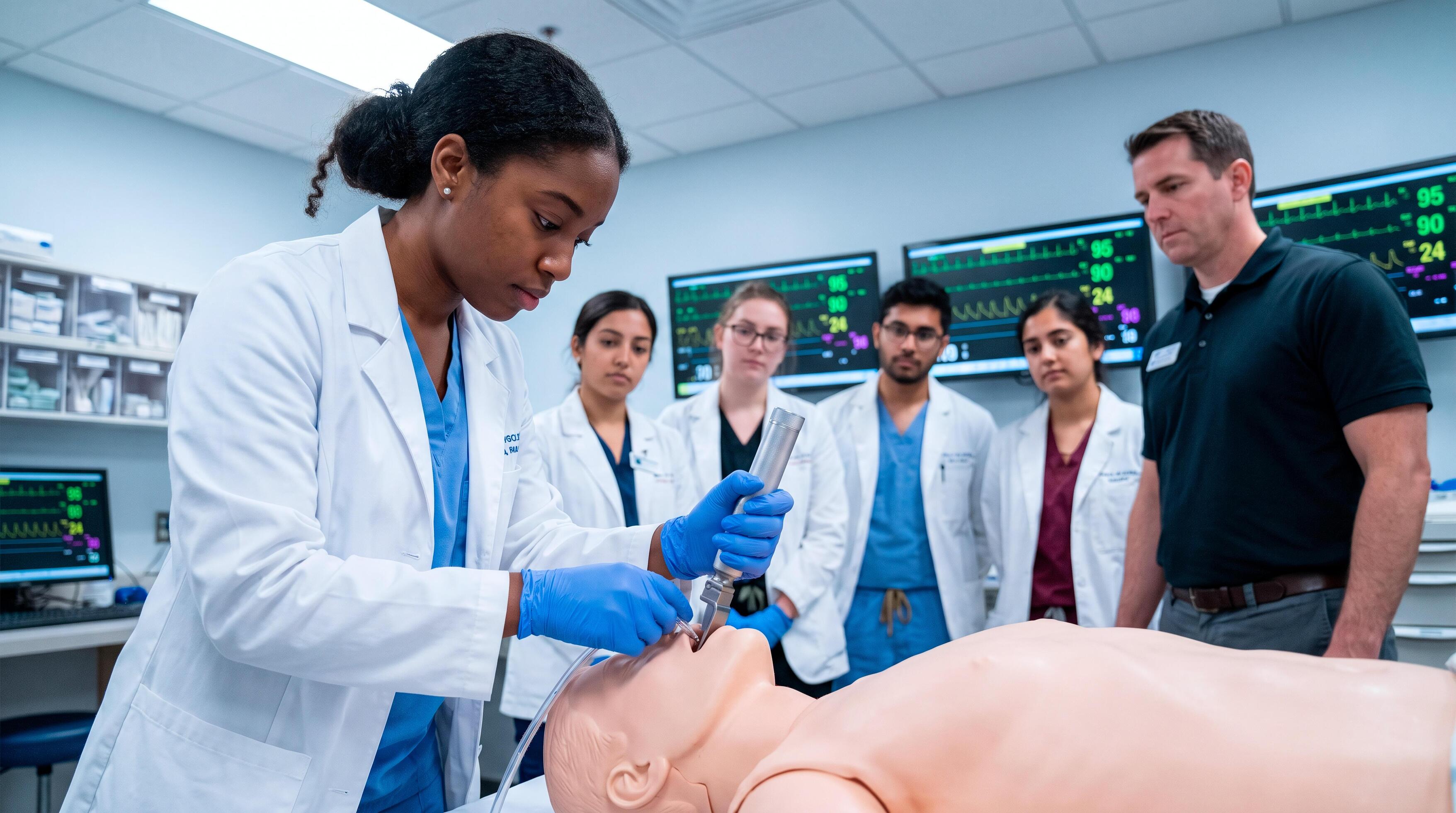
Vedere University structures its graduate programs around a pedagogy increasingly recognized as effective for cultivating high-level competencies and transferable skills. Rather than lecturing first and hoping application follows, Problem-Based Learning inverts the sequence. In the lesson, students run into a genuine scenario. They identify what they need to know. Their learning comes from hands-on tours that point them in the right direction. They propose solutions, receive feedback, and iterate.
Consider the Master of Science in Healthcare Analytics. A module might present students with a simulated hospital facing rising readmission penalties under value-based reimbursement. No professor stands at the front telling you which factors to study. Students must determine this themselves while pulling from statistical training, clinical context, and communication skills to frame the problem, analyze available data, and present recommendations a hospital executive could actually act upon.
The discomfort is intentional. So is the growth.
Three Stages, One Trajectory
The programs Vedere offers rely on one architecture. Stage one builds foundations: programming, statistics, data ethics, and the technical baseline every subsequent course assumes. Once you have the basics down, stage two shifts your focus to specific fields. You might fix hospital workflows, manage digital money, or launch machine learning tools. Stage three integrates everything into a capstone project drawn from real industry problems.
The capstone carries weight; it’s not just paperwork. Students in the Applied Data Science and Generative AI program might design a secure LLM deployment for clinical documentation. Healthcare Management students might develop a quality-improvement initiative modeled on an actual Tampa practice. Digital Currency students might prototype a blockchain-based credentialing system for healthcare providers. Imagine you’re handling a research task that must be both statistically sound and fully built out in code, then you have to describe what you found to a manager who knows nothing about regressions or APIs
When they graduate, they carry a portfolio alongside their transcript.
Faculty Who Have Done the Work
What you teach is important, and who teaches it is just as vital. Vedere’s faculty blend academic credentials with operational experience. Dr. Pariksith Singh, founder, Chairman, and Chief Education Officer of Access Health Care Physicians, manages a network of 65 clinics and cares for more than 30,000 patients across the state. From a research role at the Alan Turing Institute to jobs at KPMG, IBM, and Sky London, David Lopez blends academic and corporate experience. Before taking the helm at Vedere, Nawtej Dosanjh was Global Dean at Hult International Business School.
Why Tampa Employers Notice
The region’s healthcare and technology ecosystems have grown sophisticated enough to recognize the difference between graduates who need hand-holding and those who arrive ready to contribute. Tampa General Hospital, Moffitt Cancer Center, and USF Health all operate data-intensive environments hungry for talent that can hit the ground running.
Problem-Based Learning produces candidates who speak the language hiring managers use. When an interviewer describes a real operational headache, these graduates do not fumble through abstract frameworks. They ask clarifying questions, sketch approaches, and reference analogous challenges they tackled in coursework. This back and forth reads as a casual peer review, not a graded assessment.
Flexibility Without Compromise
Every Vedere master’s program runs fully online, structured for working professionals who cannot pause careers or relocate families. Asynchronous coursework accommodates night-shift nurses, practice managers with unpredictable schedules, and IT professionals balancing projects across time zones. Virtual networking events connect learners to peers and faculty throughout Florida’s expanding health-tech corridor.
Being flexible doesn’t water down the core. The same rigor applies whether a student logs in from downtown Tampa or a kitchen table in Sarasota. Problem-Based Learning demands engagement; passive consumption will not suffice. Committed students find the pace reasonable and the outcomes genuinely rewarding.
Choosing Relevance Over Tradition
Education should empower transformation. The goal is not to produce graduates who can recite definitions but professionals who can diagnose organizational problems, design evidence-backed solutions, and champion change within complex institutions.
Whether you run a Tampa hospital, a fintech startup, or a health‑care network, you’re after the same thing. They need analysts who have wrestled with messy data before encountering it on the job. They need product managers who have translated clinical needs into software features under faculty mentorship. They need leaders who have practiced communication, emotional intelligence, and cross-functional collaboration in low-stakes environments so they can deploy those skills confidently when the stakes rise.
Start Building Your Portfolio
Theory without application is trivia. If you start a tool cold, you’re just guessing. The intersection of structured, mentored, project-driven learning is where careers accelerate. Explore Vedere’s program offerings, request a detailed syllabus, or schedule an advising conversation today. Your next employer will ask what you have built. Test your answer to see if it has enough merit to spread.