A lot of our older patients have figured out a trick without knowing why it works. Their back aches on a walk around the block, so they’ve started doing their walking at the grocery store instead, pushing a cart. Bent over that handle, they can go for half an hour. Leaning forward gives the nerves in the lower back a bit more room, and it’s a classic sign of spinal stenosis.
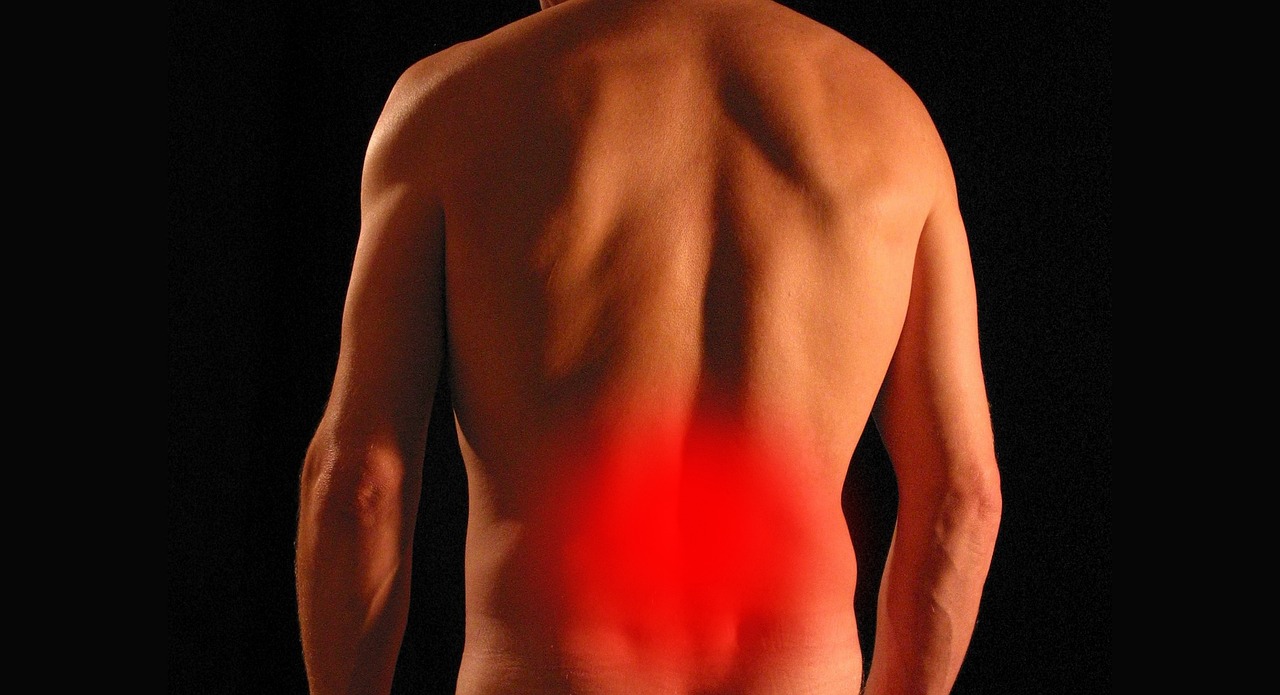
Back pain tends to show up more as the years go by. It doesn’t have to keep you on the couch, though, and physical therapy is one of the best ways to get moving again.
What’s Going On Back There
Your spine changes over time, the same way your knees and hips do. The discs between the bones dry out a little and get flatter. The small joints along the back of the spine can get arthritis, which makes them stiff in the morning. In some people, all of that crowds the space where the nerves travel. Bones can thin out too, especially in women after menopause.
X-rays don’t always match how someone feels. Plenty of people have a spine that looks worn and barely hurts, so we pay more attention to how you move than to the picture.
When It’s Worth Coming In
You might be a good fit for therapy if you notice any of these:
- Your back is stiff for a while after you get up
- Standing at the stove or in line makes it ache
- Your legs feel heavy or tingly after walking
- Getting out of a low chair or the car takes some effort
- You seem to be stooping more than you used to
If you get sudden, sharp pain in your back after something small, like a cough or lifting a light bag, call your doctor first. A small fracture from thin bones can feel like that.
How We Treat Back Pain in Older Adults
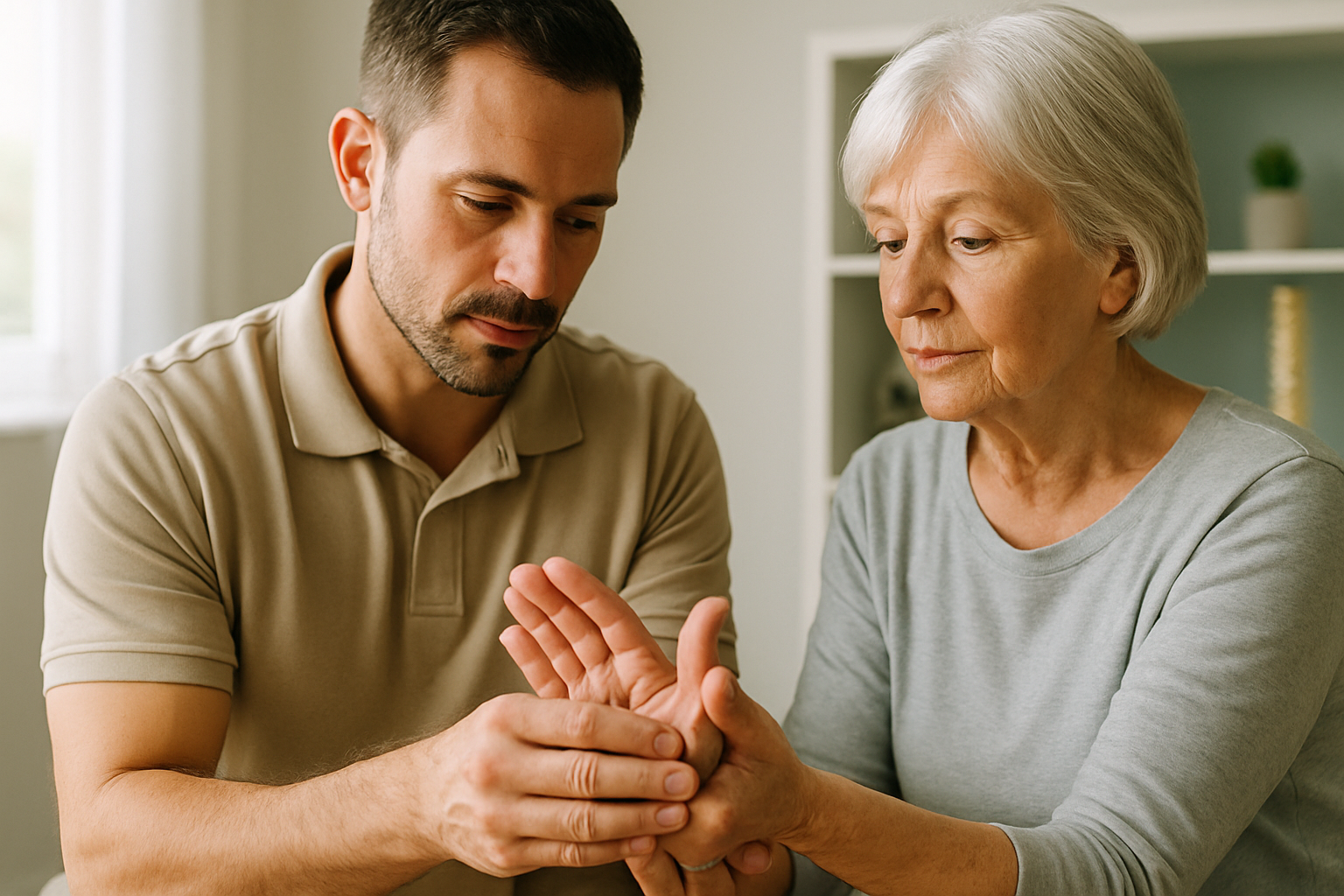
The first visit is mostly about watching you. We’ll see how you stand up, how you walk, and how long you can go before the pain starts. We’ll also ask about your bone health, because that changes what’s safe.
For stenosis, a stationary bike is often a good friend, since you lean forward while you pedal. If your upper back has started to round, we’ll work on the muscles between your shoulder blades so it’s easier to stand up straight. Some people start in a pool, where the water holds part of their weight. Over time, we add strength work for your hips and legs, since strong legs take a lot of pressure off the spine. Balance gets attention too, because back pain changes the way people walk and that can make falls more likely.
Little Things That Add Up
We’ll look at your day as well. A chair with arms, a different way to roll out of bed, or carrying groceries in two lighter bags can save your back a lot of grief. Most people feel a difference within a few weeks.
Let’s Get You Moving Again
If your back has been keeping you from your walks, your garden, or your grandkids, come see our team at Modern Medicine of Surprise, AZ. We’ll work with you on a plan that feels safe and gets you moving.