Finger stiffness has a quality that catches people off guard. The injury heals, the pain fades, and the finger still won't bend or straighten the way it should. And the longer that goes on, the harder it gets to change.
That timing issue is the single most important thing to understand about stiff fingers.
Why Fingers Stiffen So Readily
Finger joints are tiny, and the margin around them is minimal. The tendons that bend and straighten them have to glide through narrow sheaths to work. There's not much room for anything to go wrong.
Add swelling and that small space fills up fast. A swollen finger physically can't bend fully. And a joint that isn't moving through its full range starts losing that range within days, not weeks.
What Causes It
- A jammed or sprained finger that swelled and was left alone
- Immobilization after a fracture or surgery
- Arthritis limiting motion gradually
- Scar tissue after a cut or repair binding a tendon
- Simply not moving the finger because it hurt
That last one is more common than people expect. Protecting a sore finger for a few weeks is often all it takes.
The Closing Window
Here's the part worth acting on. Early stiffness responds well. The tissue around the joint hasn't tightened permanently yet, and restoring motion is usually straightforward.
Let it sit for a few months and the tissue actually shortens and remodels in that restricted position. Now you're working against a structural change rather than just tightness, and recovery becomes slow, uncomfortable, and sometimes incomplete.
That's why waiting to see if it loosens on its own is a costly decision.
How Therapy Restores Motion
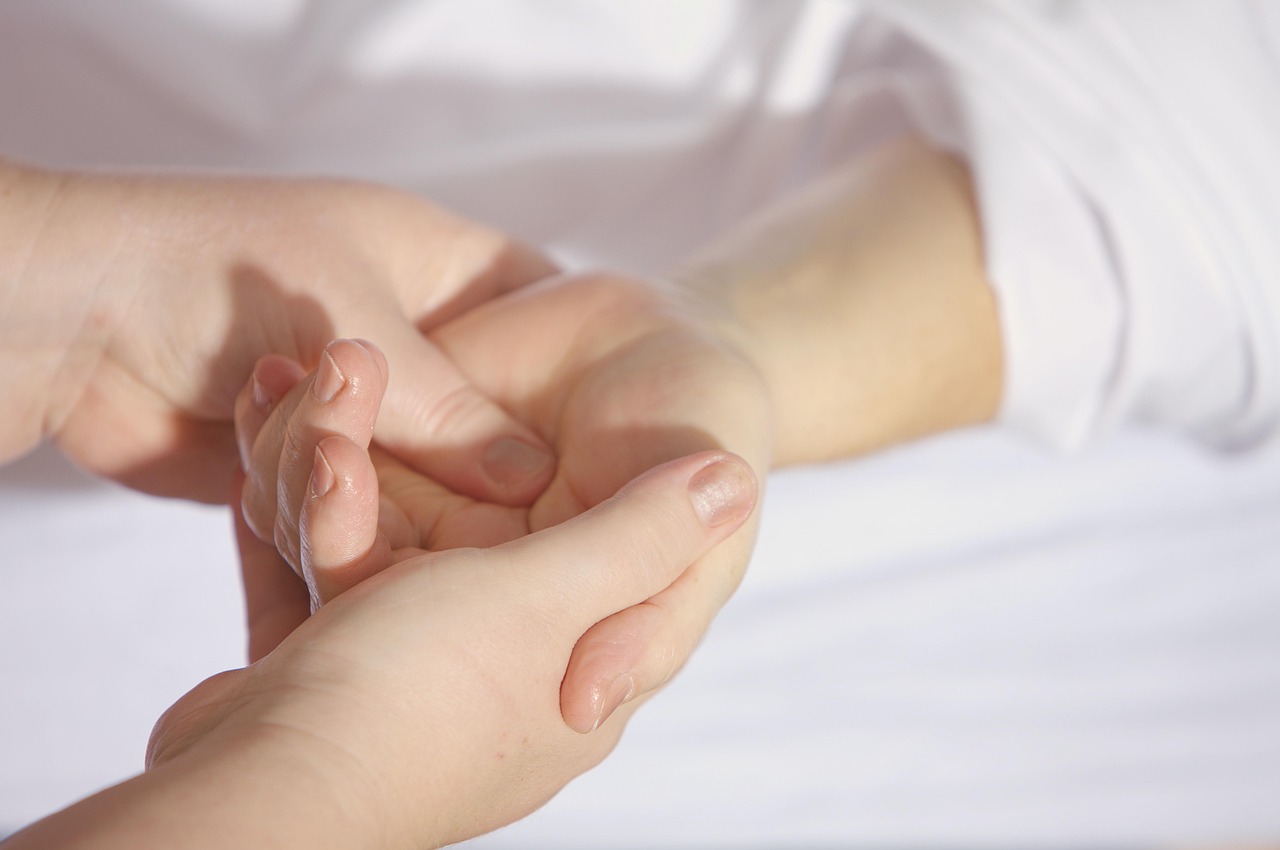
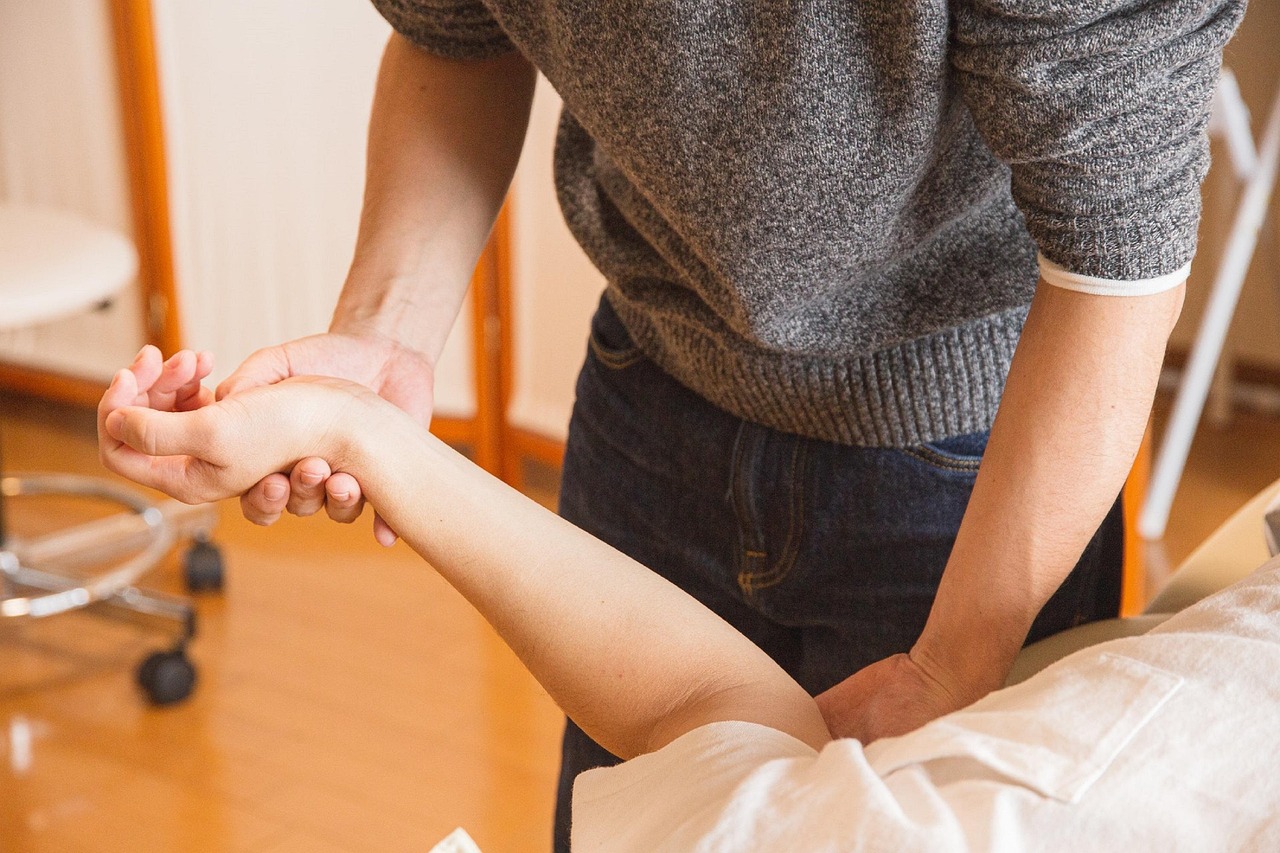
The work is specific. Swelling control first, since swelling blocks motion mechanically. Hands-on techniques to mobilize the stiff joint. Tendon gliding exercises so the tendons move through their full excursion rather than getting stuck. Custom splinting, sometimes with gentle sustained stretch, to encourage the tissue to lengthen. And scar management where relevant.
Consistency Beats Intensity
Fingers respond to frequent, gentle work far better than to occasional aggressive effort. Short sessions several times a day, done consistently, produce more change than one hard push. That means the home program is where most of the progress happens.
When To Get Seen
If a finger hasn't regained its motion within a couple of weeks of an injury, or if it's stiff after a cast comes off, that's the time. Sooner is genuinely easier.
Finger that won't fully bend or straighten? Modern Medicine of Surprise, AZ can work the motion back. Call or book through the online form.