 What's Behind Stiff Joints and Lost Motion
A joint that won't move freely has a reason, even when it crept in slowly. The usual ones:
- Arthritis is wearing down the smooth surface inside the joint
- Old injuries that healed but left the joint tight
- Frozen shoulder or similar problems that lock a joint down
- Scar tissue from a past surgery or injury
- Inflammation that swells and restricts the joint
- Muscles around the joint that have tightened and shortened
The pattern usually gives it away. Stiffest in the morning. A joint that loosens once you get moving, then tightens right back up after you sit. Motion that's slowly gotten more limited over the months. Each one points at what's actually going on inside.
What Orthopedic Care Does About It
The first step is figuring out why the joint is stiff, since the cause shapes the fix. Then an exam and a look at how the joint moves and where it stops. Then, imaging if it's needed.
From there, the options run wider than people expect:
- Physical therapy to bring back range and rebuild the strength around it
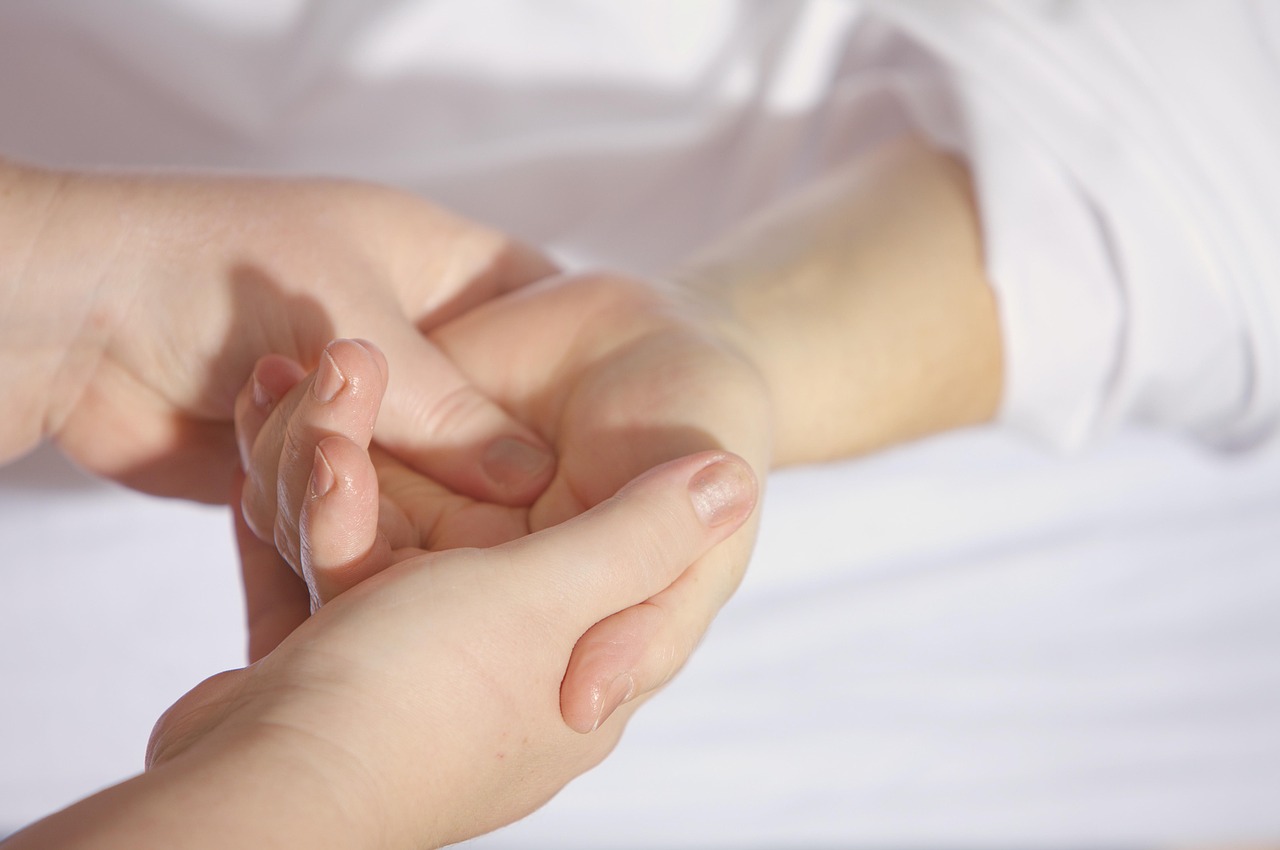
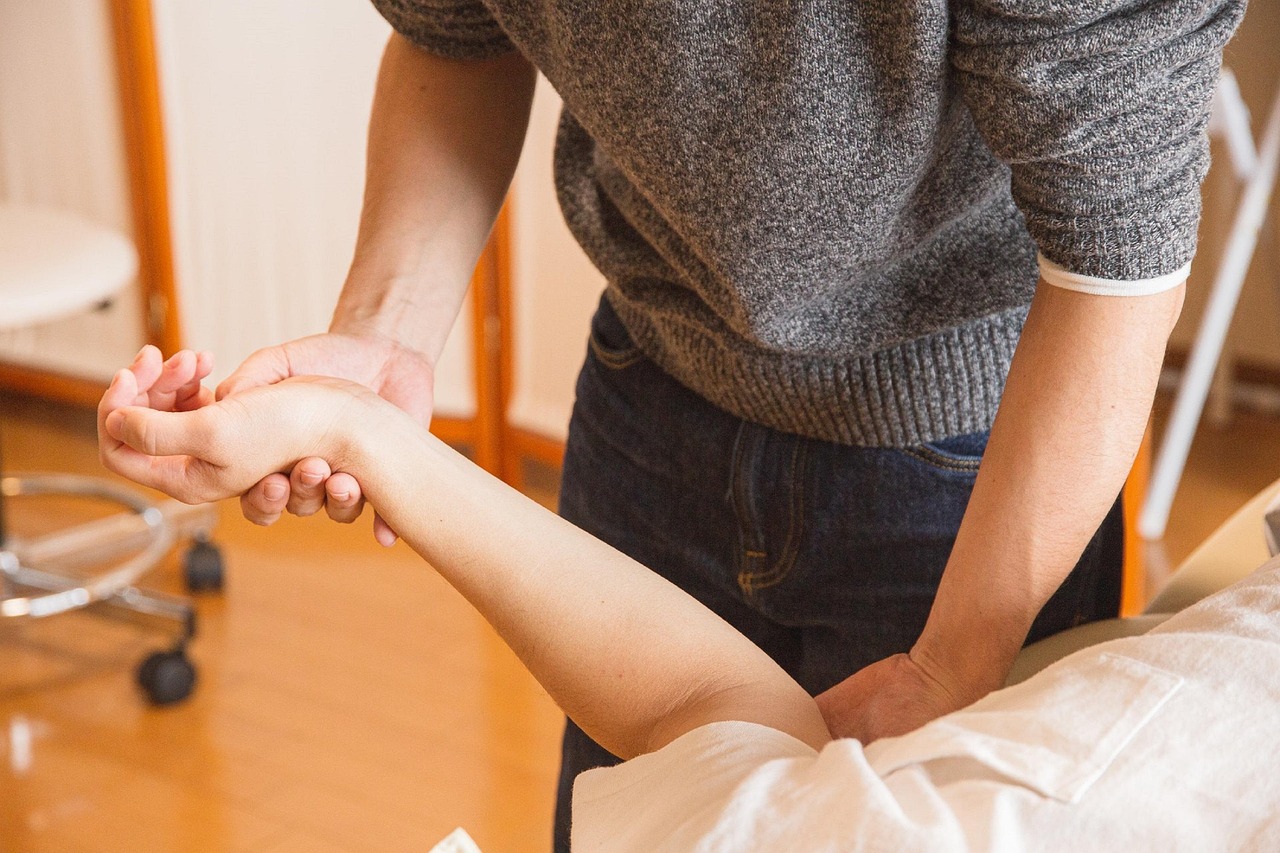
- Hands-on work to free up the joint and break up tightness
- Targeted stretching for the muscles that have shortened
- Injections to calm inflammation when it's limiting motion
- A real plan for handling arthritis-related stiffness long term
- Guidance on which movements protect your range and which strain it
Motion responds to use, which feels backwards when moving is the hard part. A joint that sits still tends to stiffen further. The right kind of movement, guided so it helps instead of aggravates, slowly opens it back up. That's the heart of most stiffness treatment.
Why Early Treatment Holds Onto More Movement
Stiff joints follow an annoying rule. The longer one stays restricted, the harder it is to get back. Tissue tightens, muscles shorten, and the body settles into the smaller range like it's just normal now. A joint caught early, while it's only starting to lose motion, comes back far easier than one that's been locked down for a year.
Frozen shoulder is a clear example. Caught early, it responds well and the timeline stays shorter. Left to run, it can drag on for many months and may never fully return to where it was. The window matters. Waiting just narrows it.
Acting early keeps the small stuff from snowballing too. A stiff joint changes how you move, which dumps strain onto other areas, and now you've got two problems instead of one. Dealing with the stiffness sooner stops that chain before it starts.
Get It Looked At Sooner Than Later
Stiff joints aren't something you just have to accept as part of getting older. Plenty of people get back motion they'd already written off, once they've got the right plan behind it. The joint that feels permanently tight today usually has more give in it than you'd think.
Modern Medicine of Surprise, AZ, evaluates stiff joints and limited motion and builds treatment plans to restore movement. Call today to schedule an evaluation and have your joint assessed.