 Injuries That Often Don’t Need Surgery
Plenty of injuries that sound serious respond well to conservative care, especially when caught before they worsen. The ones that frequently avoid the operating room:
- Partial rotator cuff tears that strengthen and heal without repair
- Many meniscus tears settle with rehab instead of a scope
- Disc problems in the back that calm down with the right program
- Tendon injuries that rebuild through progressive loading
- Some ligament sprains that heal solid with proper rehab
- Chronic joint pain that eases once the mechanics get fixed
The pattern holds across most of these. The body has real capacity to heal when you give it the right conditions, and surgery isn't always the only way to create those conditions.
What Sports Medicine Does to Make That Possible
Avoiding surgery isn't about ignoring an injury and hoping. It's about active, targeted treatment that gives the body what it needs to recover on its own. Sports medicine is built around exactly that.
The work usually pulls from:
- A clear diagnosis first, so you know what you're dealing with
- Progressive loading that rebuilds tissue strength the right way
- Targeted strengthening of the muscles supporting the injured area
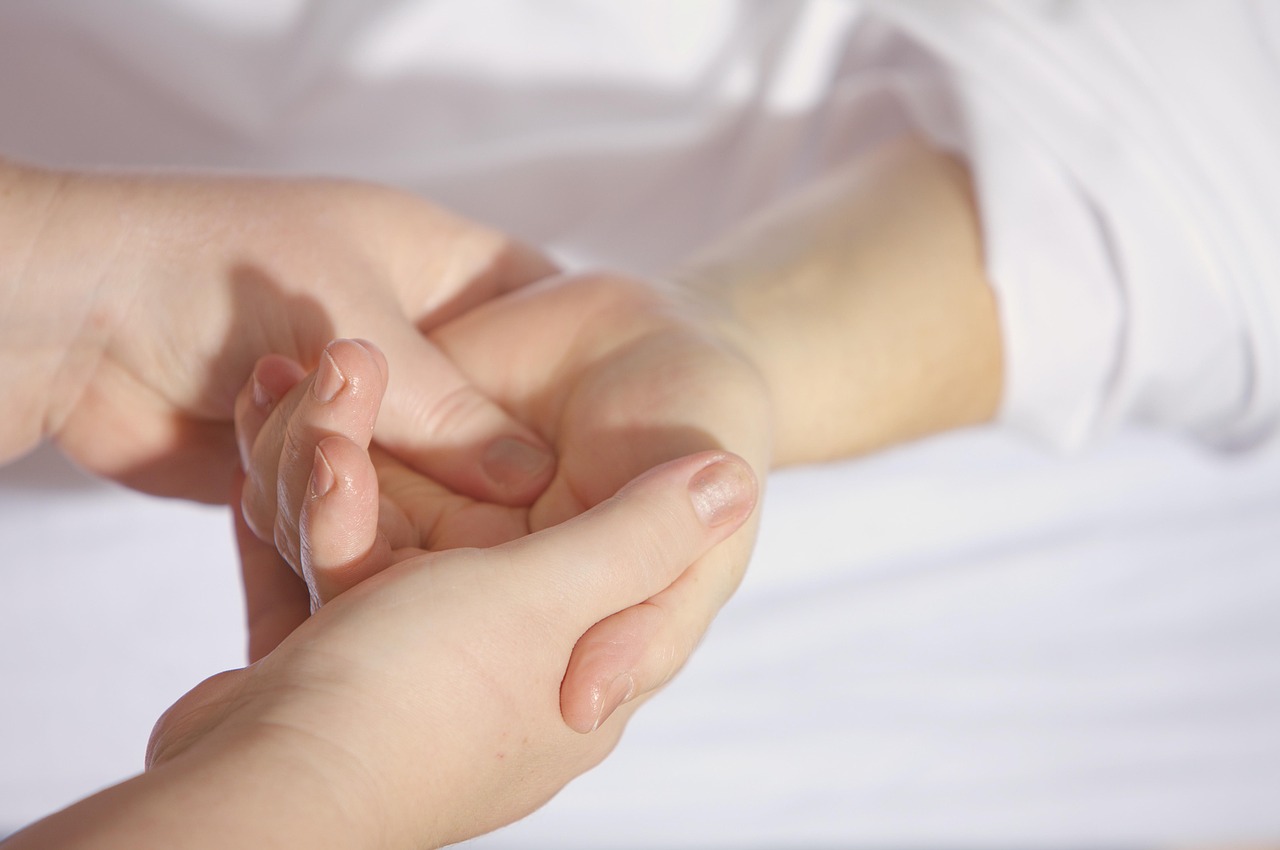
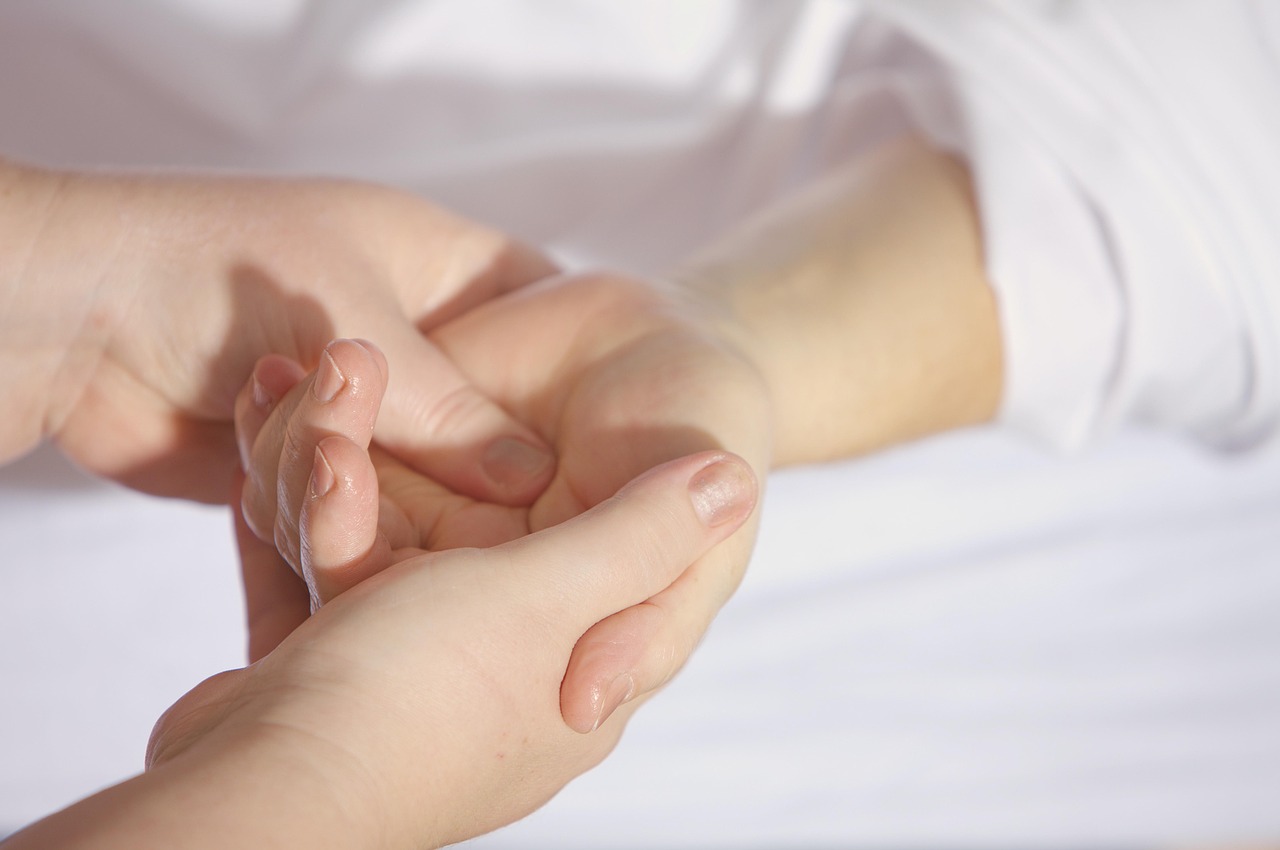
- Hands-on treatment to restore motion and ease pain
- Fixing the mechanics or weakness that caused the problem
- A staged plan that brings you back without re-injuring it
That progressive loading piece is central. Tendons, muscles, even some cartilage and ligament tissue respond to the right kind of stress by getting stronger. Done well, that's often what tips an injury from surgical toward healing on its own.
Why Trying This First Usually Makes Sense
Even when surgery might eventually be on the table, starting with conservative care rarely costs you anything. If it works, you've dodged an operation, the anesthesia, and a long recovery. If it doesn't, you've lost little, and you often head into surgery stronger for having done the rehab first.
Compare that to going straight to the operating room. Surgery carries real risk, real cost, and a recovery that's frequently longer and harder than the conservative route. Choosing it for something that didn't require it is a genuine setback, not a shortcut. This is the case for trying the less invasive path first whenever the injury allows it.
There's a timing factor, too. The earlier you start proper treatment, the better the odds of avoiding surgery altogether. Injuries left to linger or pushed through can worsen to the point where surgery becomes the only option left. Acting early keeps more doors open.
Knowing Which Path Is Yours
The honest answer is that it depends on the injury, the severity, and your goals. A complete tear is a different situation from a partial one. A young athlete's timeline differs from someone who wants to walk pain-free. The only way to know your path is a real evaluation that looks at your specific case, not a default assumption that surgery is coming.
Modern Medicine of Surprise, AZ, evaluates injuries and builds conservative treatment plans aimed at recovery without surgery where it's possible. Call today to schedule an evaluation and find out what your options are.