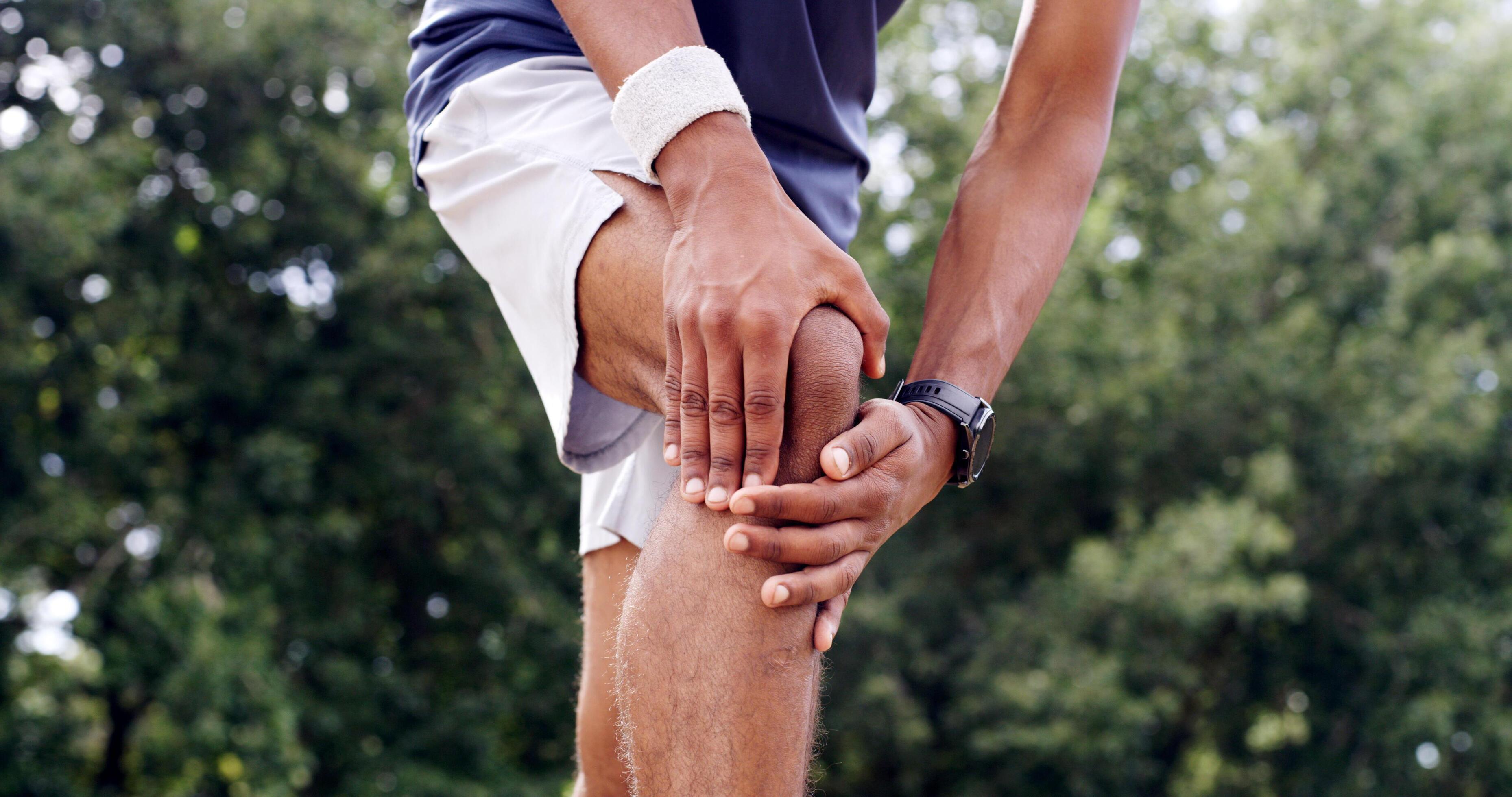
It might not always begin as pain. Sometimes it's just a change. A shorter stride on one side. That moment of preparation before the first step out of a chair. Parking closer than usual because the knee has developed a distance limit nobody officially set, but everyone quietly respects.
Most people do not connect these things to arthritis right away. They just adjust. And then they adjust again. By the time the pain is obvious and daily, the gait has already shifted in ways that are loading the hip, the back, and the opposite knee with stress they were never meant to carry.
What Is Happening Inside the Joint
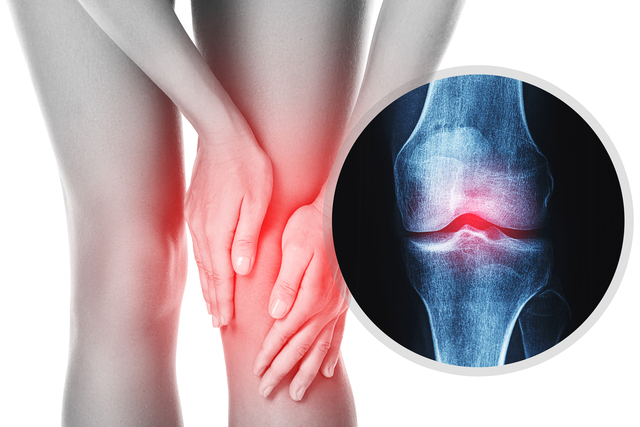
Cartilage thins. Bone starts absorbing a load it was not built for. The joint reacts. Fluid builds. The quad muscles weaken because a painful knee is an unreliable knee and the body stops trusting it.
Weaker quads mean more direct stress on the joint surface. More stress means faster breakdown. Faster breakdown means more pain and more inhibition. The cycle runs for months before most people fully register what is happening.
Sun City West summers do not help. A few months of heat and reduced activity and the knee has lost more ground than expected. The cooler months arrive and suddenly things are noticeably worse than last year.
What Changes When Walking
More than most people realize. And most of it is automatic.
- Stride shortens on the affected side to reduce load through the painful range
- Weight shifts to protect the most irritated part of the joint surface
- The hip rotates differently to compensate
- The opposite knee picks up more load than it was designed for
- The low back adjusts to accommodate all of the above
By the time someone comes in, the compensation has usually spread. Low back tightness, outer hip soreness, and the other knee are starting to complain. These are not separate problems. They are what happens when a walking pattern reorganizes itself around a painful joint for long enough.
How Orthopedic Care Helps
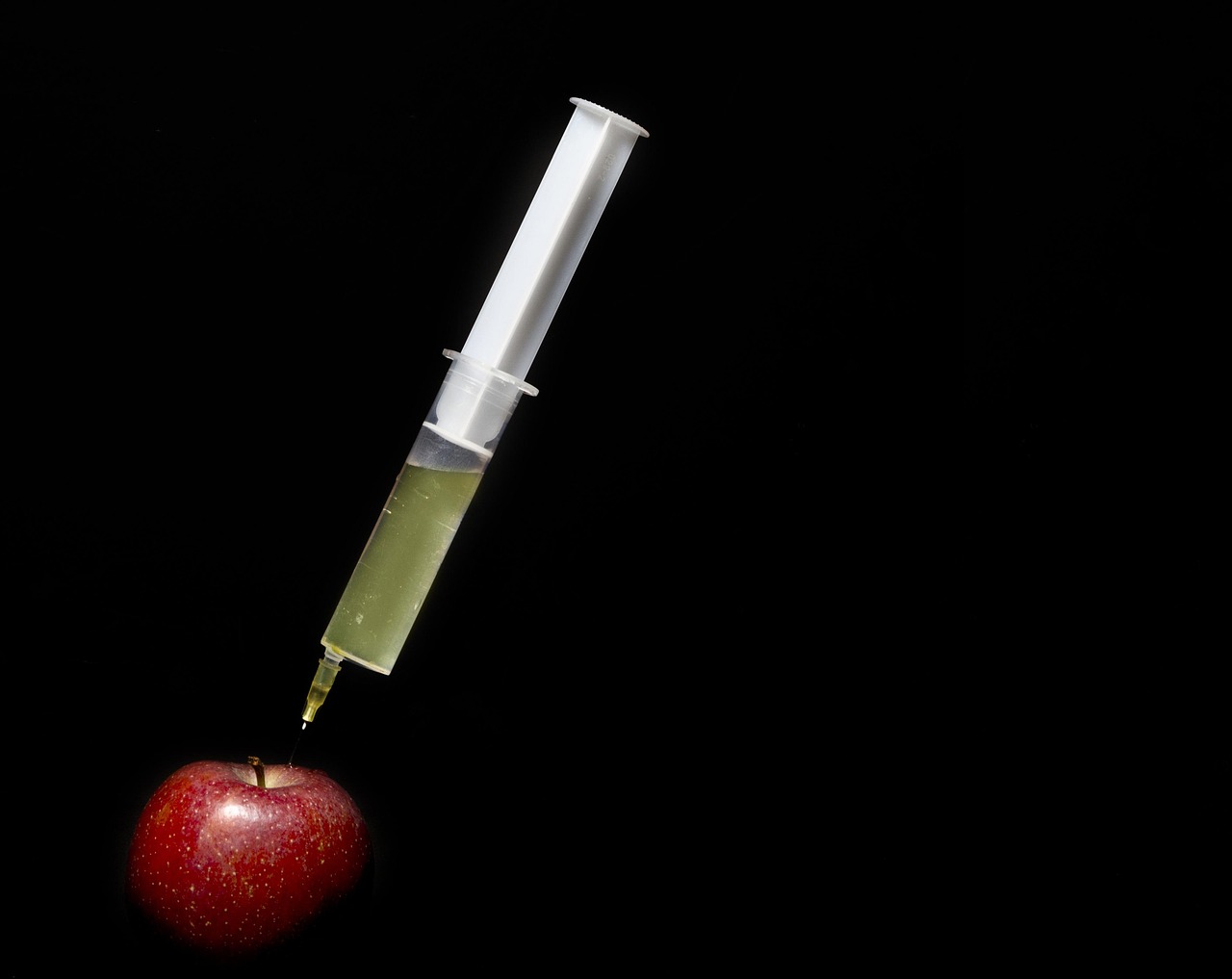
Injections reduce inflammation directly when that is what is limiting movement. Corticosteroids for flare-ups that are not settling. Hyaluronic acid, when lubrication is the bigger issue. These create a window where the physical work can actually take hold.
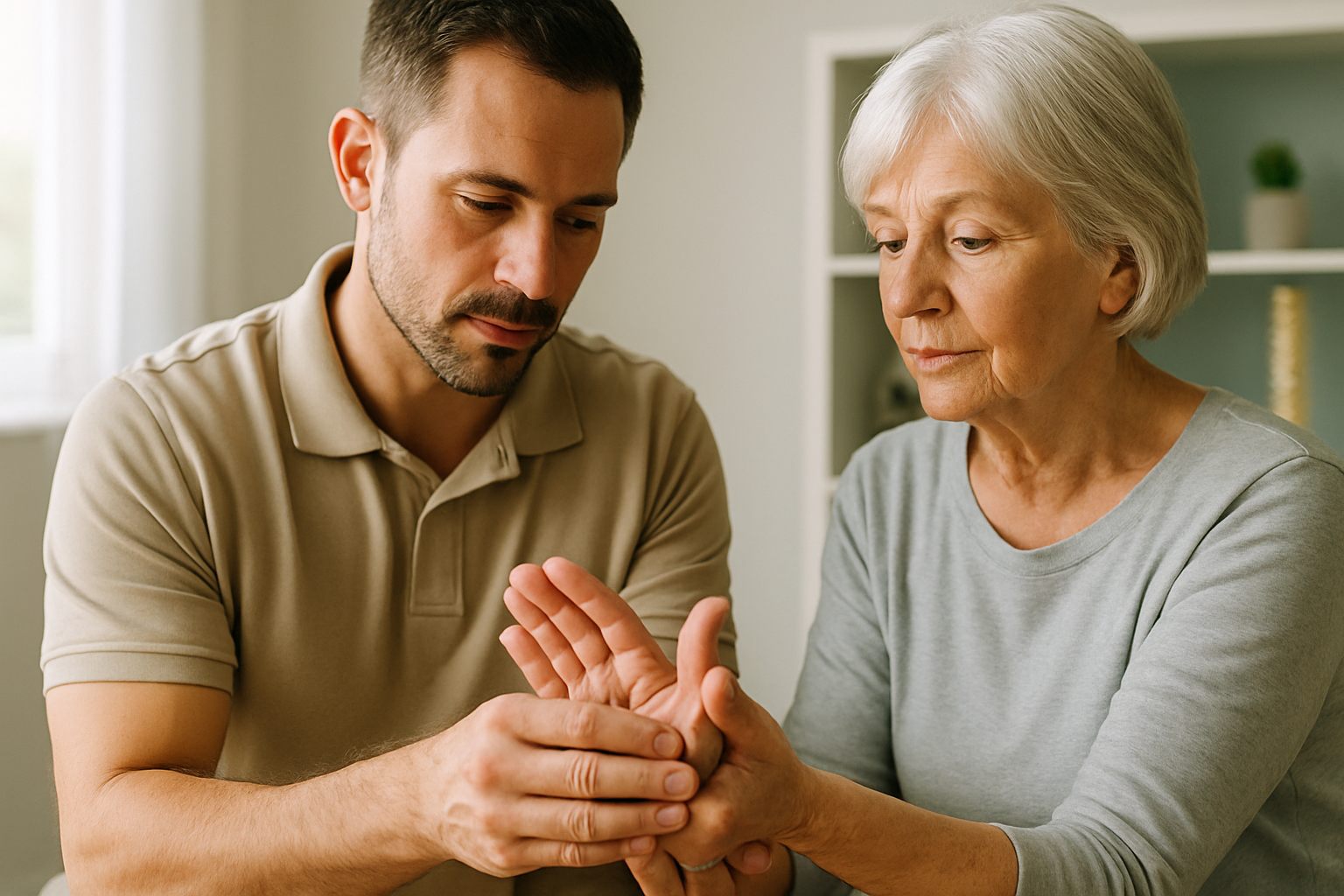
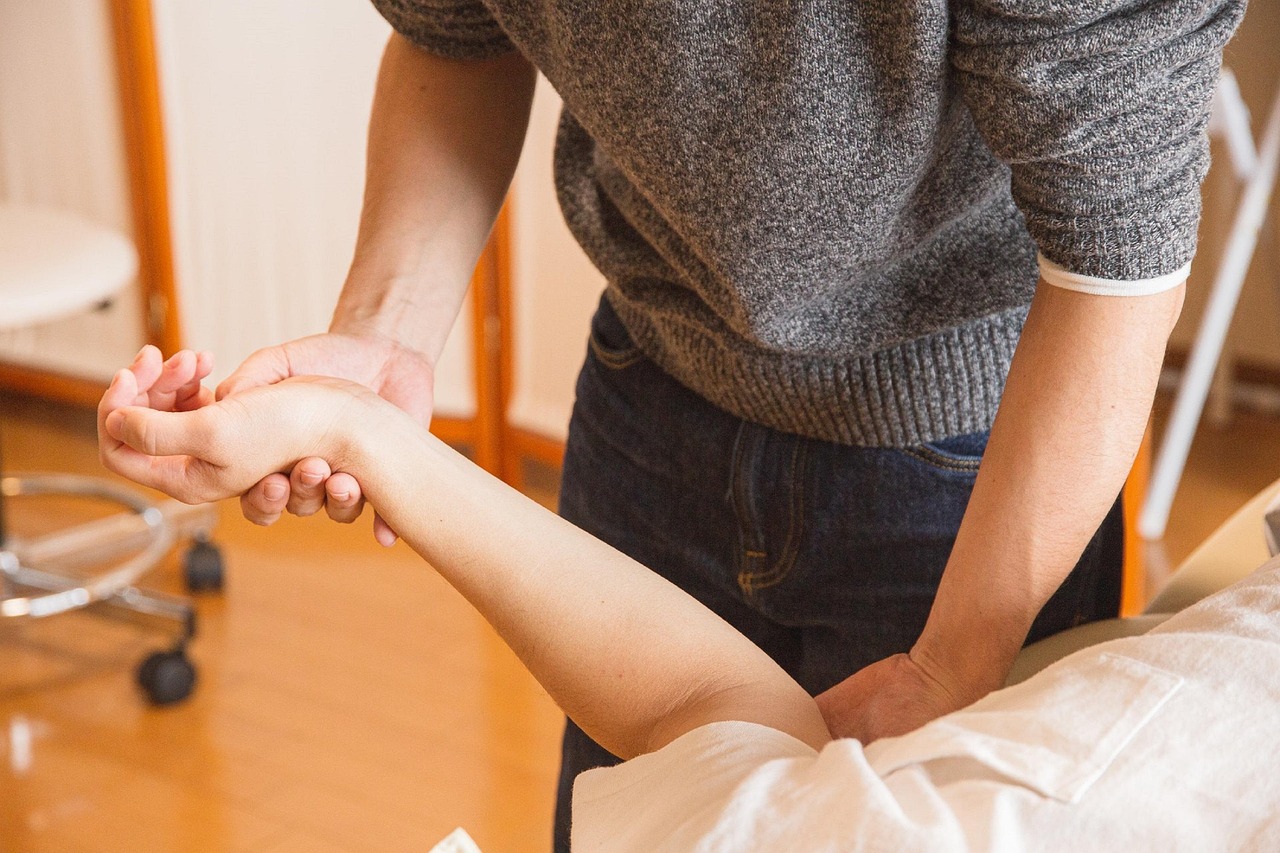
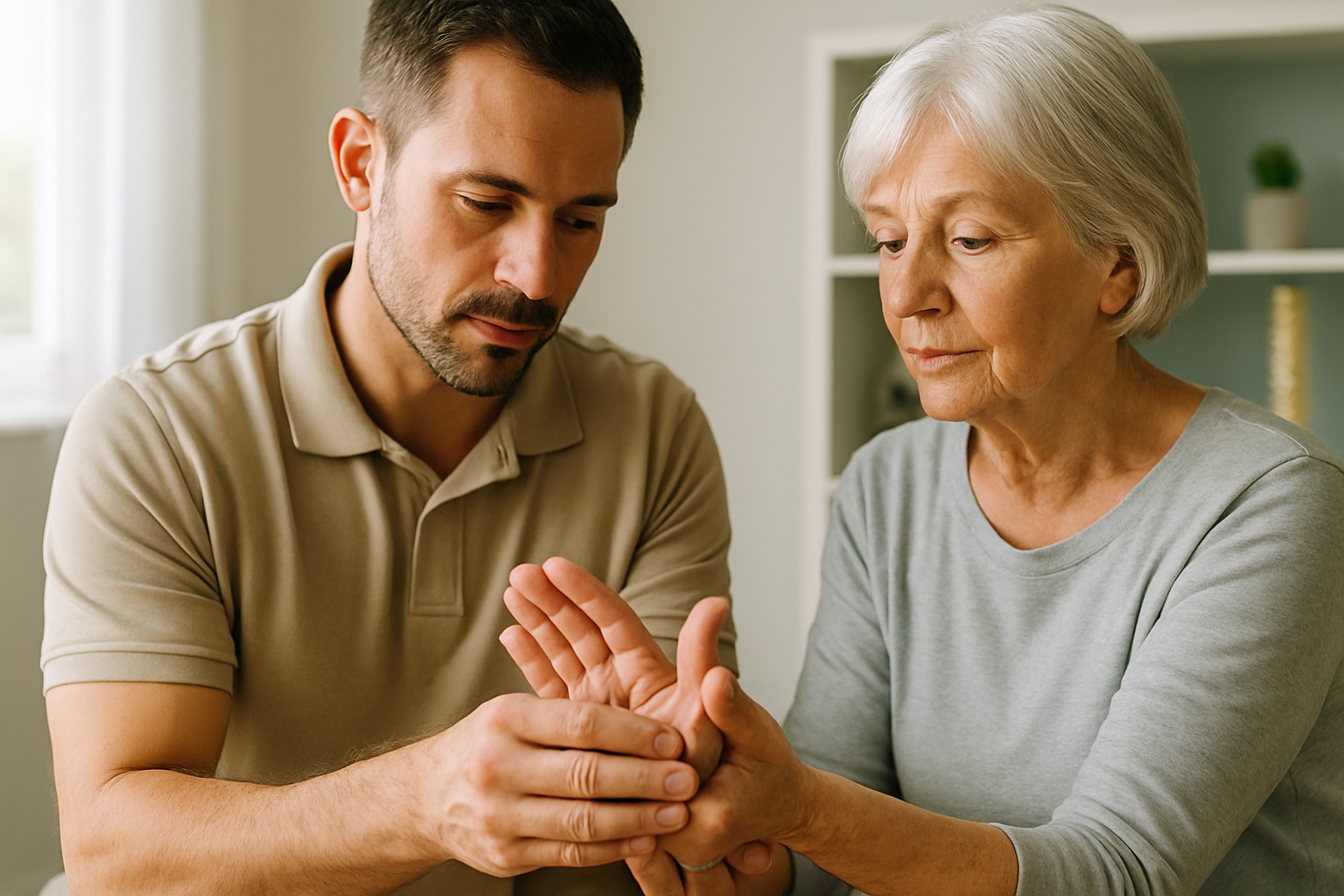
Physical therapy rebuilds the quad and hip strength that the knee depends on. Gait retraining addresses the compensations that have spread into the hip and back. Manual therapy works on the stiffness that has built up around the joint over time.
Neither the medical side nor the physical therapy side works as well alone as they do together.
Start Before Walking Gets Worse
Compensations that have been running for a year are harder to correct than those that have been running for three months. Muscle weakness that builds slowly takes longer to reverse, the longer it sits.
If knee arthritis is changing how you walk or limiting daily activity, please get in touch with Modern Medicine of Mesa, AZ, to schedule an evaluation.