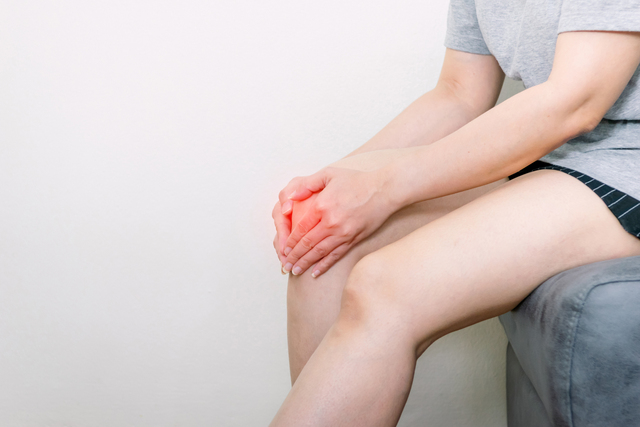
 Surgery Is Not the Default
A lot of people sit with a painful joint for months. They try to rest. They try ibuprofen. Nothing really changes. And at some point, the assumption becomes that surgery is just where this is headed.
That assumption keeps a lot of people either pushing through pain too long or jumping straight to a surgical consult before they have looked at what else is available.
For most patients, neither of those is the right move. Non-surgical orthopedic care covers real ground. Physical therapy, manual therapy, targeted injections, structured rehab. Not placeholder treatments. For the right condition at the right stage, they produce results that hold. And for a meaningful number of patients, they make surgery unnecessary altogether.
What Joints Respond Well
More conditions qualify than most people expect.
- Knee osteoarthritis in early to moderate stages
- Hip bursitis and tendinopathy
- Shoulder impingement and rotator cuff tendinopathy
- SI joint dysfunction and facet joint pain
- Ankle instability and chronic ligament laxity
- Elbow and wrist tendinopathy from repetitive load
What these share is that the problem involves inflammation, muscle weakness, or mechanical dysfunction that has not yet crossed into irreversible structural damage. That is the window where conservative care does its best work.
What the Evaluation Is Looking For
A proper evaluation looks at how the joint actually moves, where strength has dropped off, what compensation patterns have built up around it, and how daily life is being affected right now. Two people with identical diagnoses can be in completely different situations. One is managing with modifications. The other cannot finish a shift at work.
Imaging shows structure. It does not show whether the knee swells up after standing for four hours or whether the hip locks up getting out of a low car seat. The clinical exam fills in what the scan misses.
What Treatment Looks Like
A few things often run together depending on what the evaluation turns up.
Injections target inflammation or lubrication directly inside the joint. Corticosteroids for flare-ups that are not settling. Hyaluronic acid, when lubrication is the bigger issue. PRP for conditions where tissue repair is the actual goal rather than just managing symptoms.
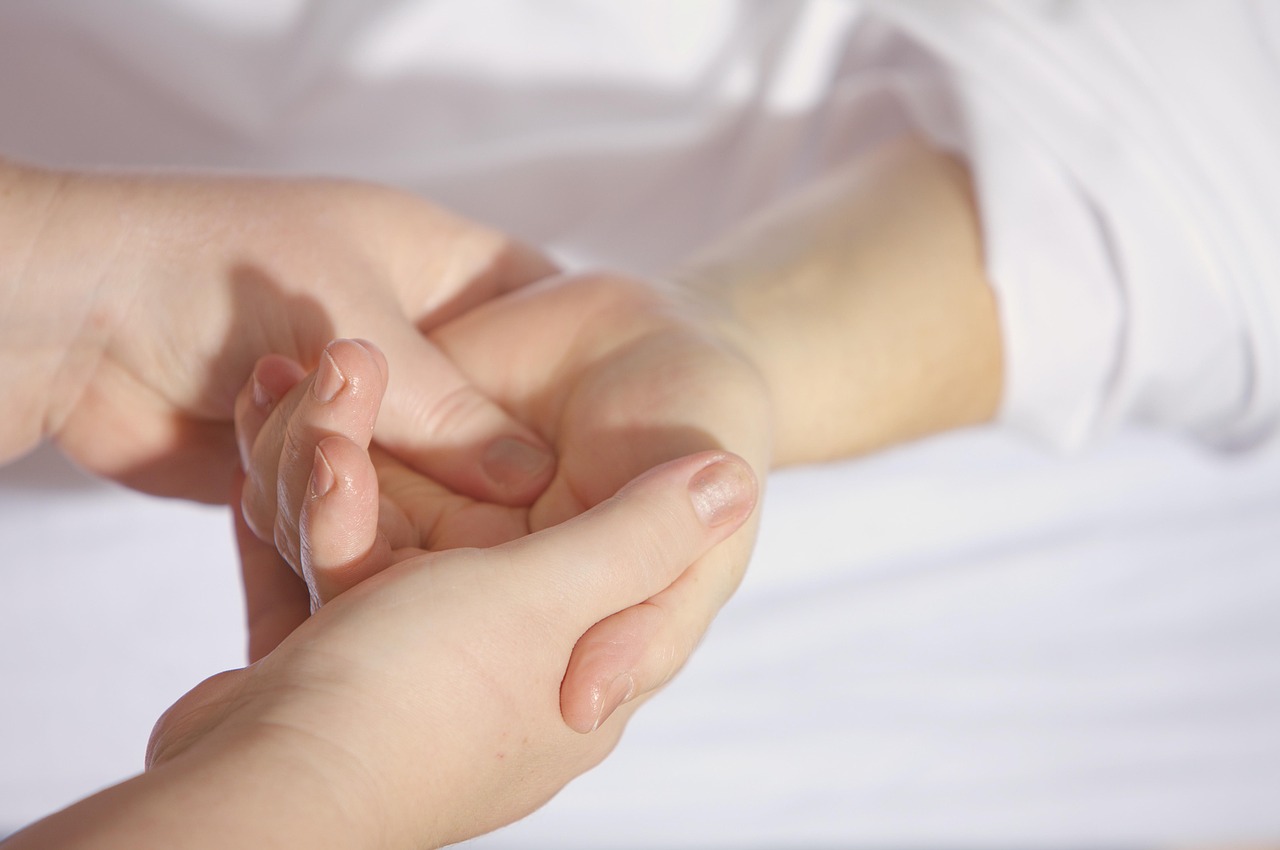
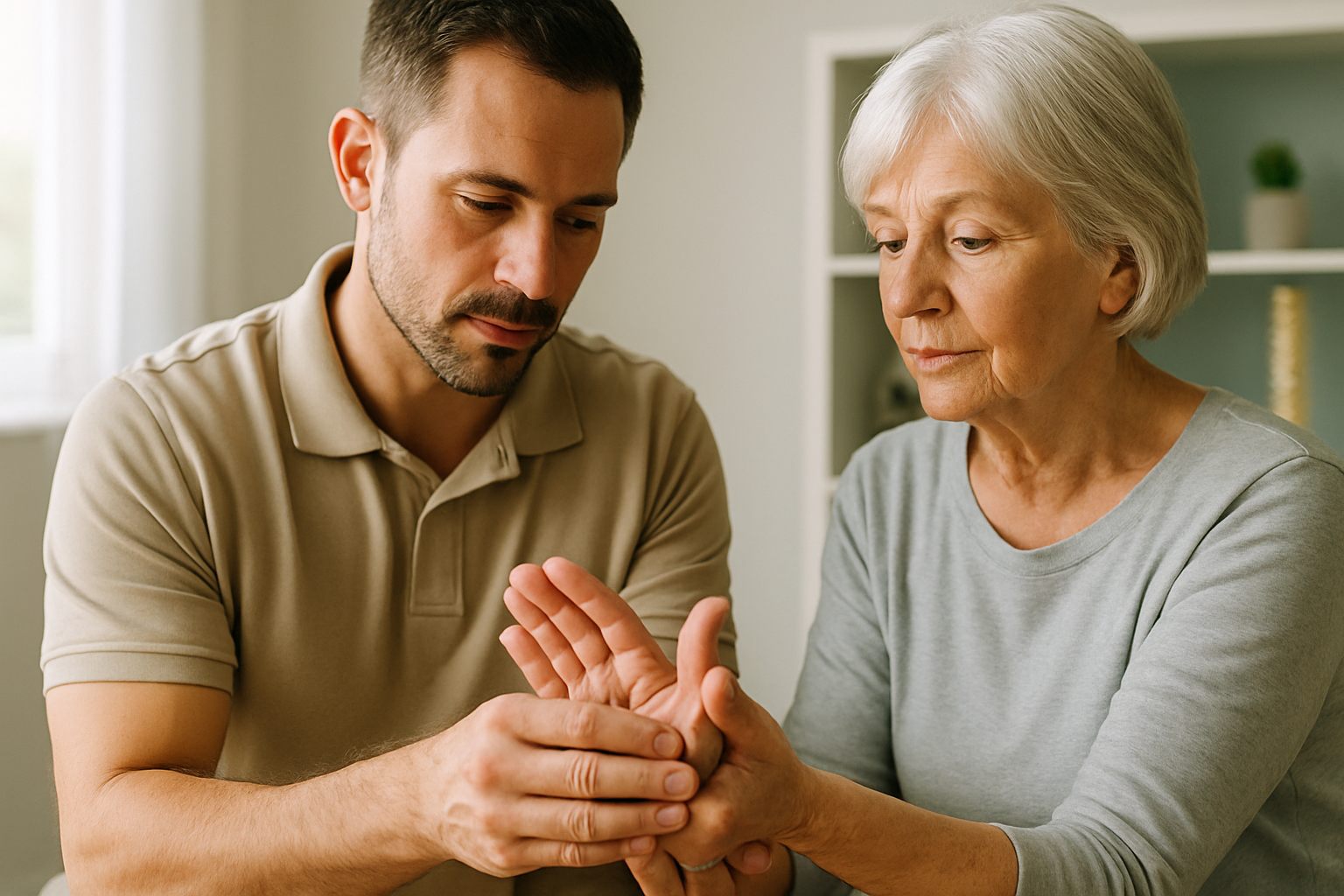
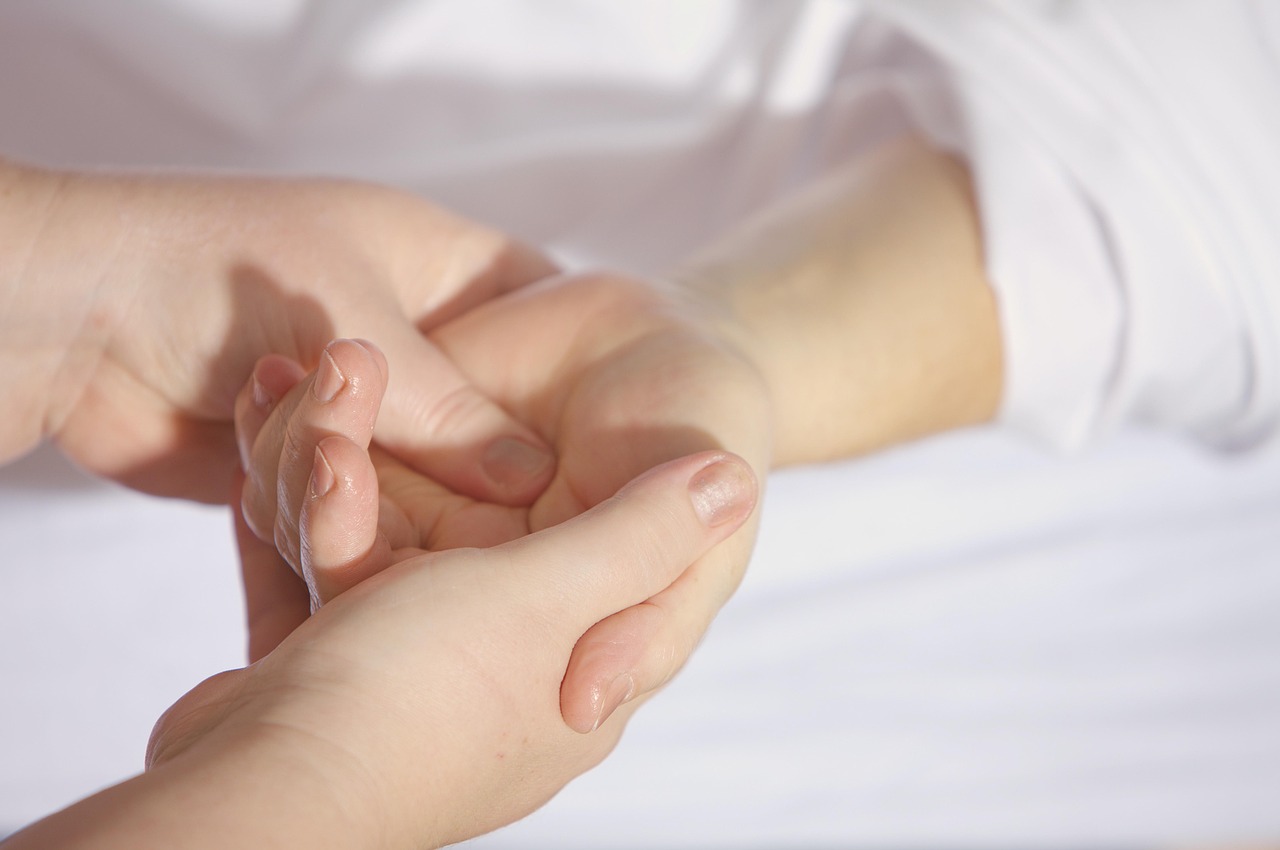
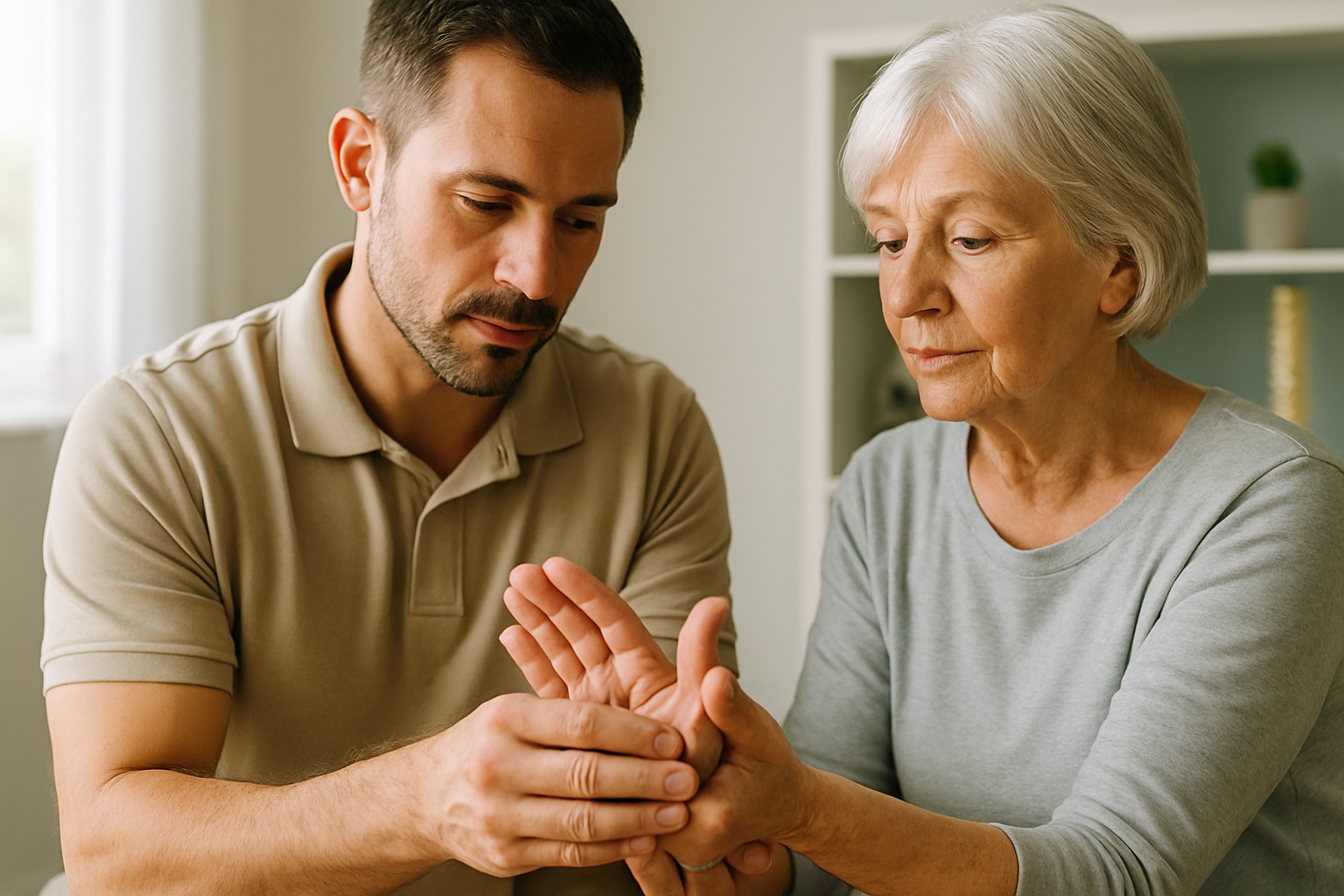
Physical therapy and manual therapy work alongside the medical side. Rebuilding muscle support that takes the load off damaged surfaces. Getting mobility back. Finding the movement habits that have been quietly making things worse for months and correcting them.
A home program keeps things moving between visits. Without one, each session tends to start from the same place it left off the week before.
The Window Does Not Stay Open
Early degeneration has options. Severe bone-on-bone deterioration has far fewer.
People who come in before things have gone too far have more to work with. The ones who waited a year or two, hoping the pain would settle on its own, usually find the conversation has shifted by the time they walk in.
If joint pain has been limiting daily life and rest has not fixed it, reach out to Modern Medicine of Surprise, AZ to schedule an orthopedic evaluation.