 Persistent Knee Pain Usually Has A Pattern
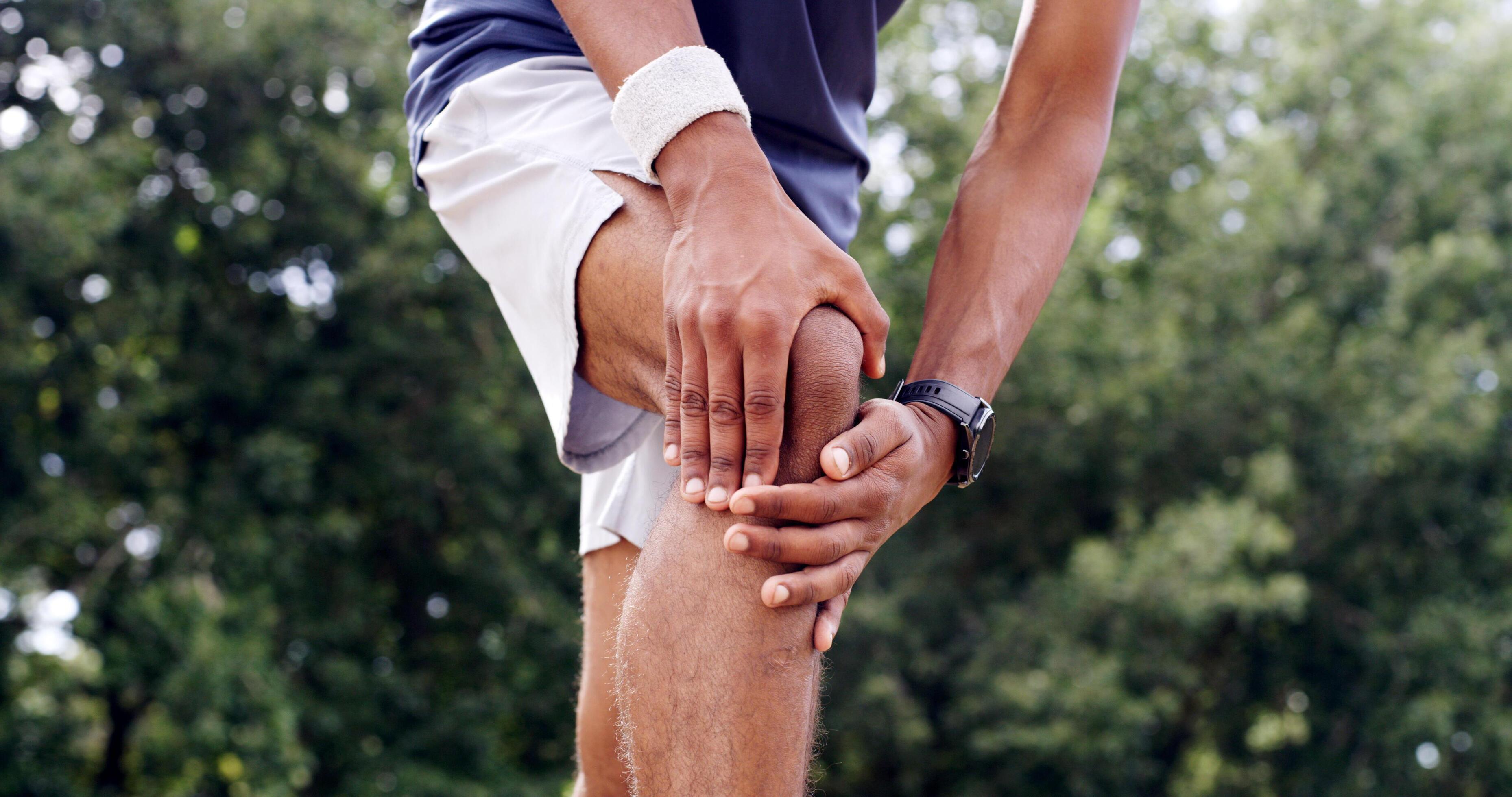
Knee pain that lasts for weeks or months usually follows a pattern. It often shows up with certain movements, certain activity levels, or certain positions that keep stressing the joint.
That pattern tells us a lot. Ongoing symptoms do not always mean one major injury caused the problem. Repeated strain, old sprains, loss of strength, changes in walking, and poor leg mechanics can all keep the knee irritated long after the first flare.
A Thorough Exam Should Separate One Source From Another
A lot of knee pain gets grouped together, leading to treatment plans that miss the real problem.
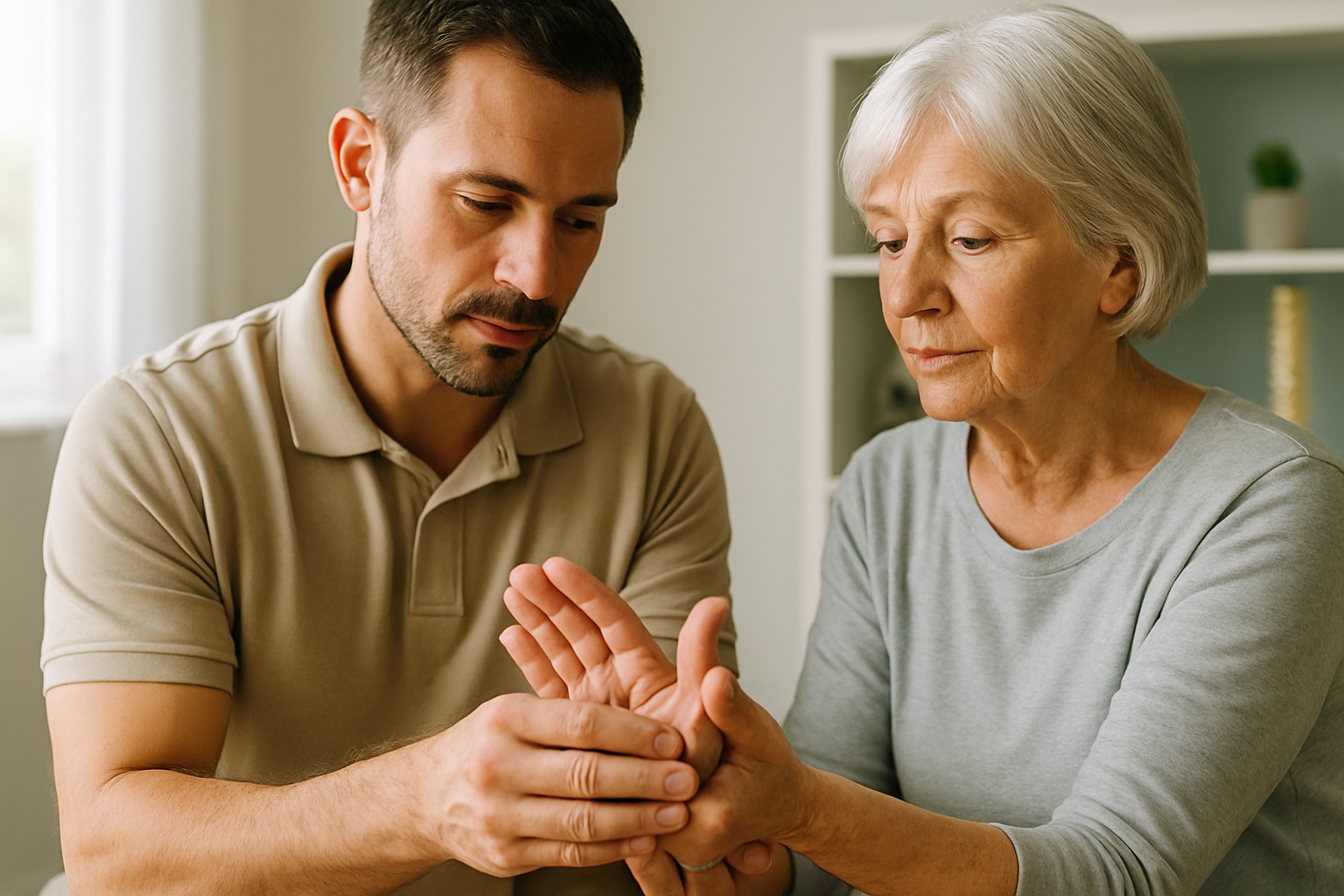
A non-surgical orthopedic exam should sort out where the pain sits, what structures are involved, and how the knee responds under load. That often includes:
- Active and passive range of motion
- Joint effusion
- Crepitus
- Tenderness by region
- Ligament stability
- Meniscal signs
- Quadriceps and hip strength
- Single leg control
- Gait mechanics
- Squat and step down pattern
This part matters. A knee can seem stable on the table and still drop into poor alignment during walking or step-downs. It can show mild wear on imaging and still hurt more from weak hip support or poor shock absorption.
Common Diagnoses Behind Long-Lasting Knee Pain
Several diagnoses show up often in non-surgical orthopedic care:
- Patellofemoral pain syndrome
- Osteoarthritis
- Patellar tendinopathy
- Meniscal irritation
Some patients have more than one issue at the same time, such as mild arthritic change plus tendon overload. These combinations matter. Persistent pain often comes from more than one source, so a generic plan usually does not work very well.
Non-Surgical Treatment Often Starts With Load Control
Painful knees do not always need full rest. They need better load management. That means cutting back on the activities that keep flaring the joint, then building tolerance back step by step.
Treatment often includes activity changes, progressive strengthening, neuromuscular training, mobility work, bracing in select cases, and injection-based care in select cases. Strength work often targets the quadriceps, gluteus medius, gluteus maximus, calf complex, and trunk control. Neuromuscular work often targets alignment during gait, sit-to-stand, step downs, lunges, and single-leg loading.
Imaging Helps the Process
Imaging can show joint space narrowing, osteophytes, cartilage wear, meniscal change, tendon thickening, or ligament injury. Those findings matter. They still need context.
A patient can have degenerative changes on MRI and still function well with the right rehab plan. Another patient can have modest imaging findings and still deal with daily pain from weakness, poor control, repeated swelling, or low load tolerance. Imaging shows structure. Movement shows what the knee is doing day to day.
Get A Better Answer For Knee Pain That Keeps Coming Back
Visit us at Modern Medicine of Surprise, AZ. Our team of therapists, including Mark Jagodzinski PT, and Shea Campbell PT, DPT, will evaluate knee pain with a close look at structure, movement, and function, then build treatment around what the joint actually needs.