 What Arthritis Feels Like During A Normal Week
Arthritis pain often shows up with patterns. Morning stiffness can last 10 to 30 minutes. Sitting through a movie can make the first steps feel sharp. Stairs can feel slow, so you hold the rail. Grocery runs can trigger an ache later that night. Some days feel fine, then swelling and soreness hit after yard work or a longer walk.
Arthritis Evaluation And Baseline Testing
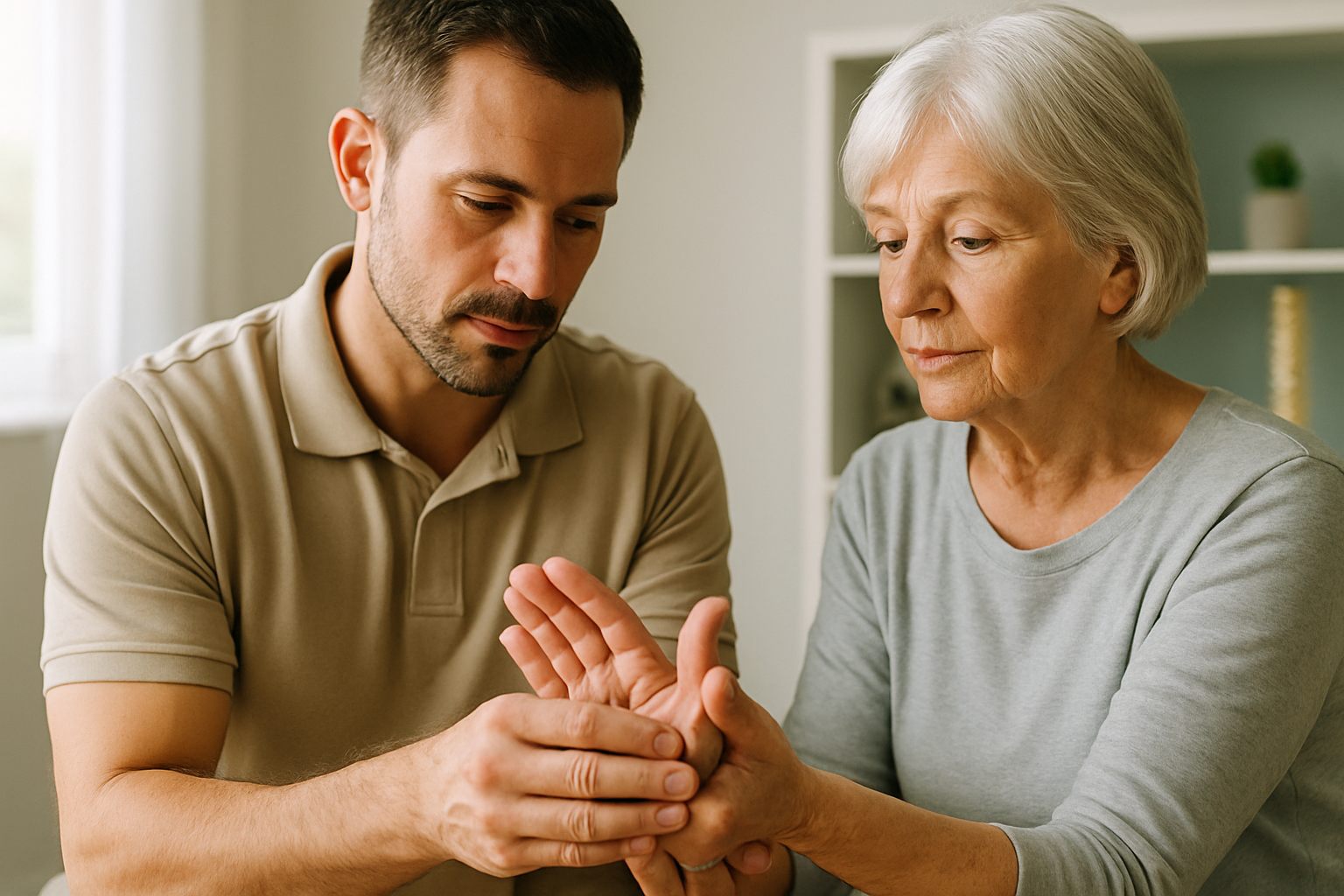
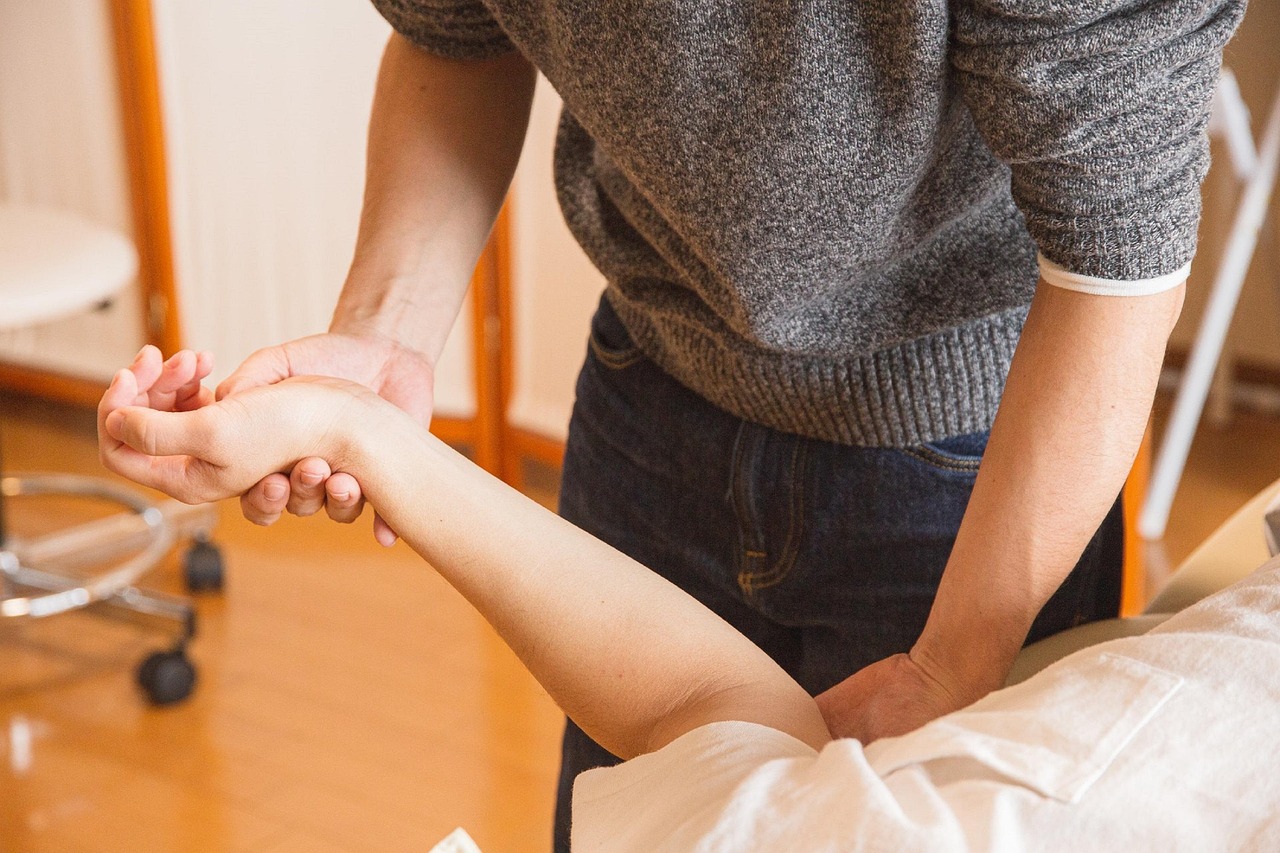
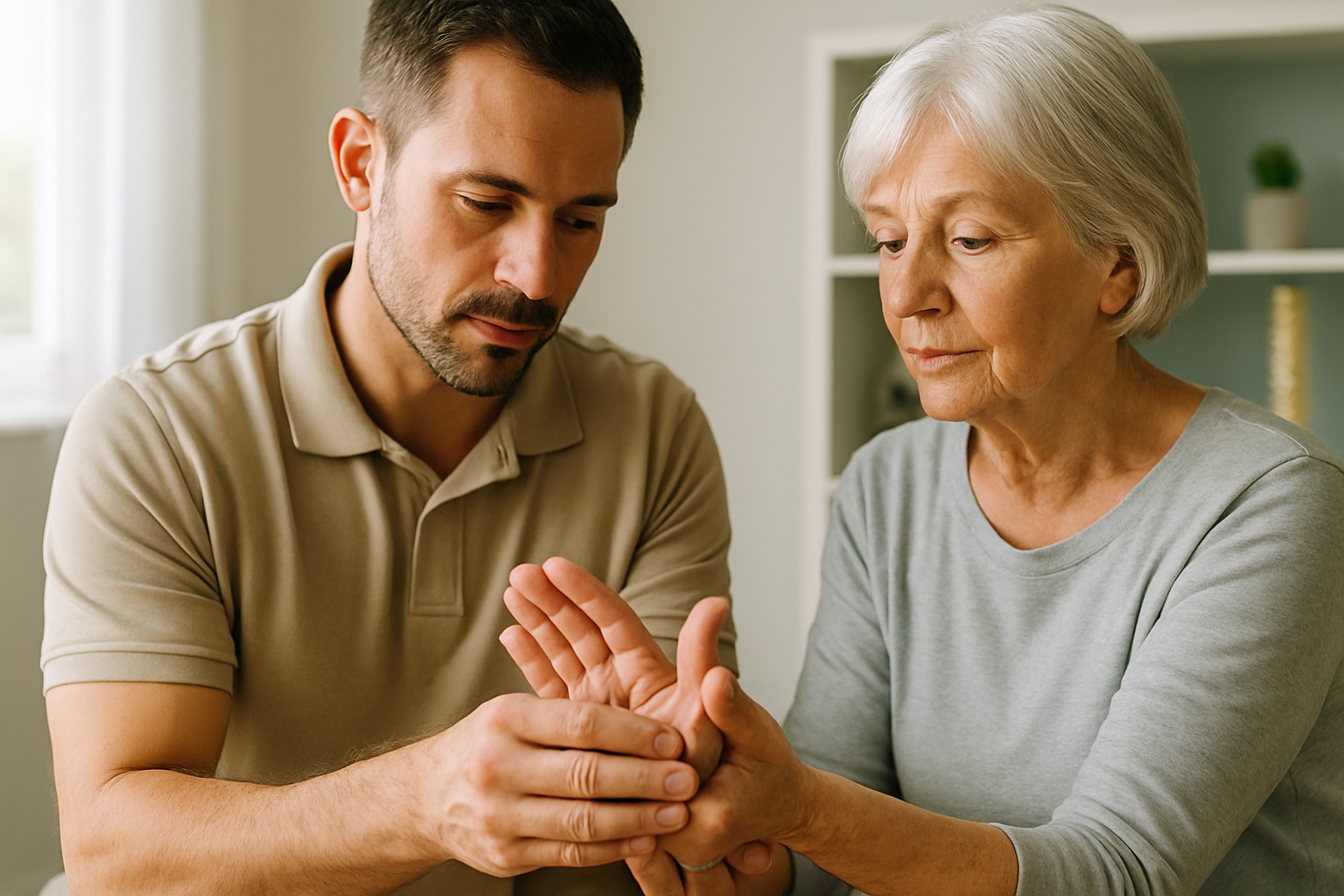
A clinic visit starts with testing, not guessing. Your therapist checks joint motion, swelling, strength, and walking form. They also ask about sleep, steps per day, and the tasks that hurt most. This service helps with arthritis by establishing a clear baseline, enabling measurable progress. It also finds the movement limits that push stress into the joint.
Joint Mobility and Hands-On Care
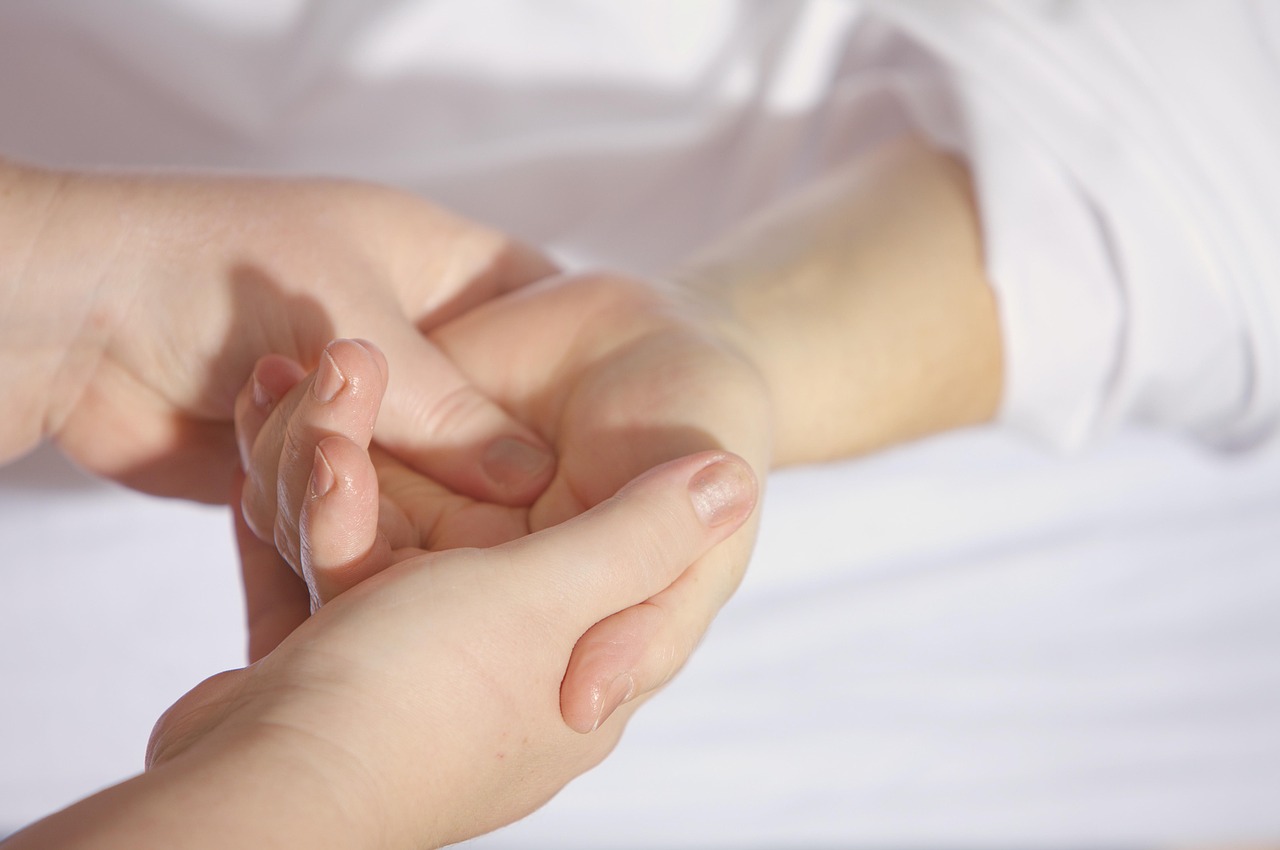
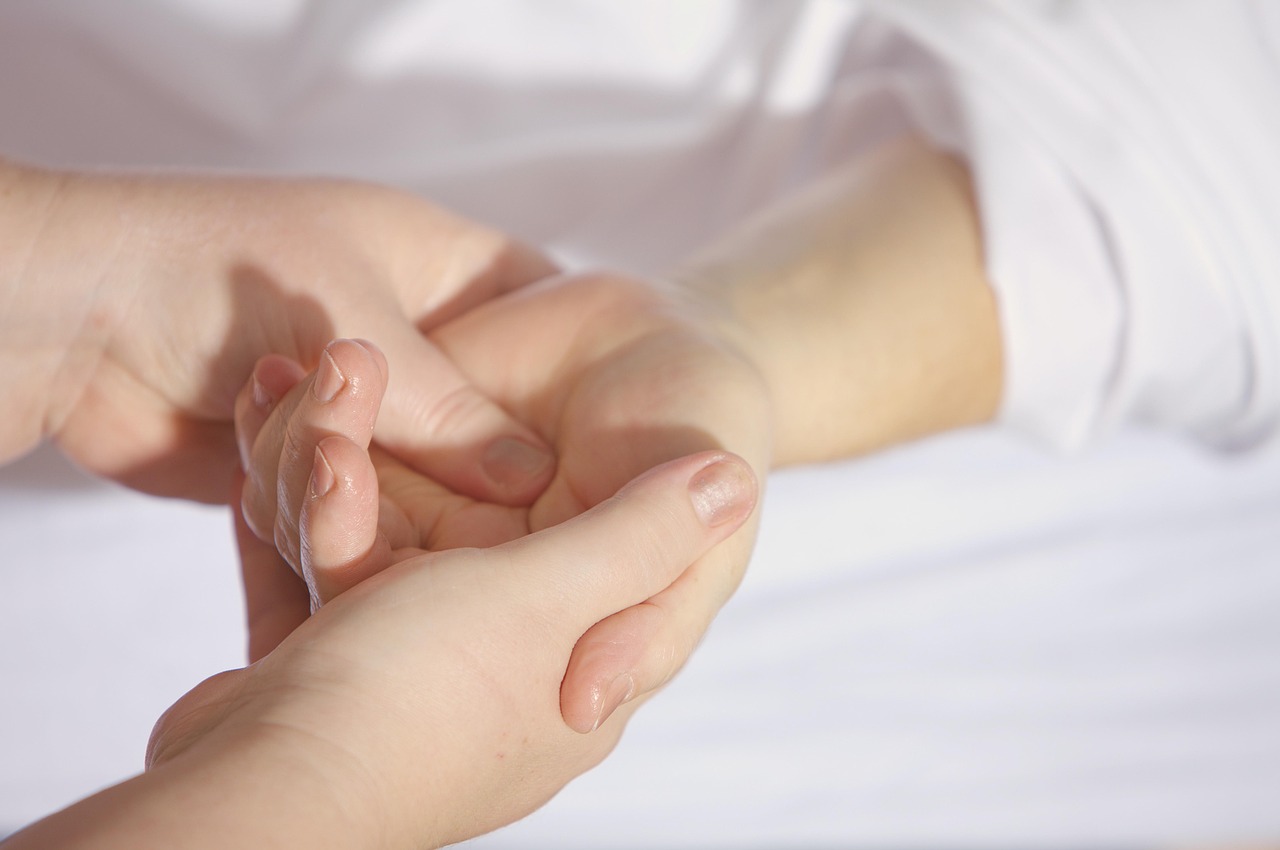
Stiff joints often feel worse than weak joints at first. Hands-on care and guided mobility drills can reduce stiffness and improve motion. This service helps with arthritis by restoring movement, allowing the joint surfaces to load more evenly. Better motion can reduce the pinch feeling during stairs and the stiff first steps after sitting.
Strength Training For Joint Support
Arthritis often improves once the muscles around the joint carry more load. Strength work targets the hips, thighs, calves, and core, based on the painful joint. This service helps with arthritis by reducing stress on the joint during daily tasks. Stronger muscles improve control during step downs, chair stands, and long walks.
Balance And Stability Training
Arthritis can reduce balance through pain and limited motion. People also stop using the full range and rely on the stronger side. Balance training rebuilds steady control during turns and uneven ground. This service helps arthritis by lowering fall risk and reducing the small stumbles that flare the joint. Better balance also supports confidence, which keeps activity levels up.
Gait And Stair Training
Many arthritis flares come from how you walk, not just how far you walk. Therapy retrains step length, push off, and trunk position. Stair training teaches safer patterns for step-ups and step-downs. This service helps with arthritis by reducing repeated stress in the same joint angles all day. Better form can reduce end-of-day aches and stiffness the next morning.
Activity Pacing And Flare Control Planning
Arthritis pain often spikes after big jumps in activity. Pacing plans control that problem. Your therapist helps you spread walking, chores, and exercise across the week. This service helps arthritis by preventing the boom and bust cycle. You build tolerance in small steps, then you keep the joint calmer.
Home Exercise Program
A home program works when you can repeat it. Your therapist picks a short set of drills that match your pain level and your schedule. This service helps with arthritis by keeping joints moving between visits and building strength over time. Consistency matters more than long sessions.
- Two short walks per day with a step goal
- One mobility drill for the stiff joint, 1 to 2 minutes
- Sit to stands or step ups, 2 to 3 sets
- A balance drill near a counter, 20 to 40 seconds
- Light stretching after activity, short holds
- A simple log for pain, steps, and sleep
Schedule Arthritis Care at Modern Physical Therapy & Sports Medicine of Surprise, AZ
Let us assess your joint, set clear strength and walking targets, and guide orthopedic services that keep you active longer. Call to book an orthopedic evaluation for arthritis care.