 What A Muscle Strain Feels Like
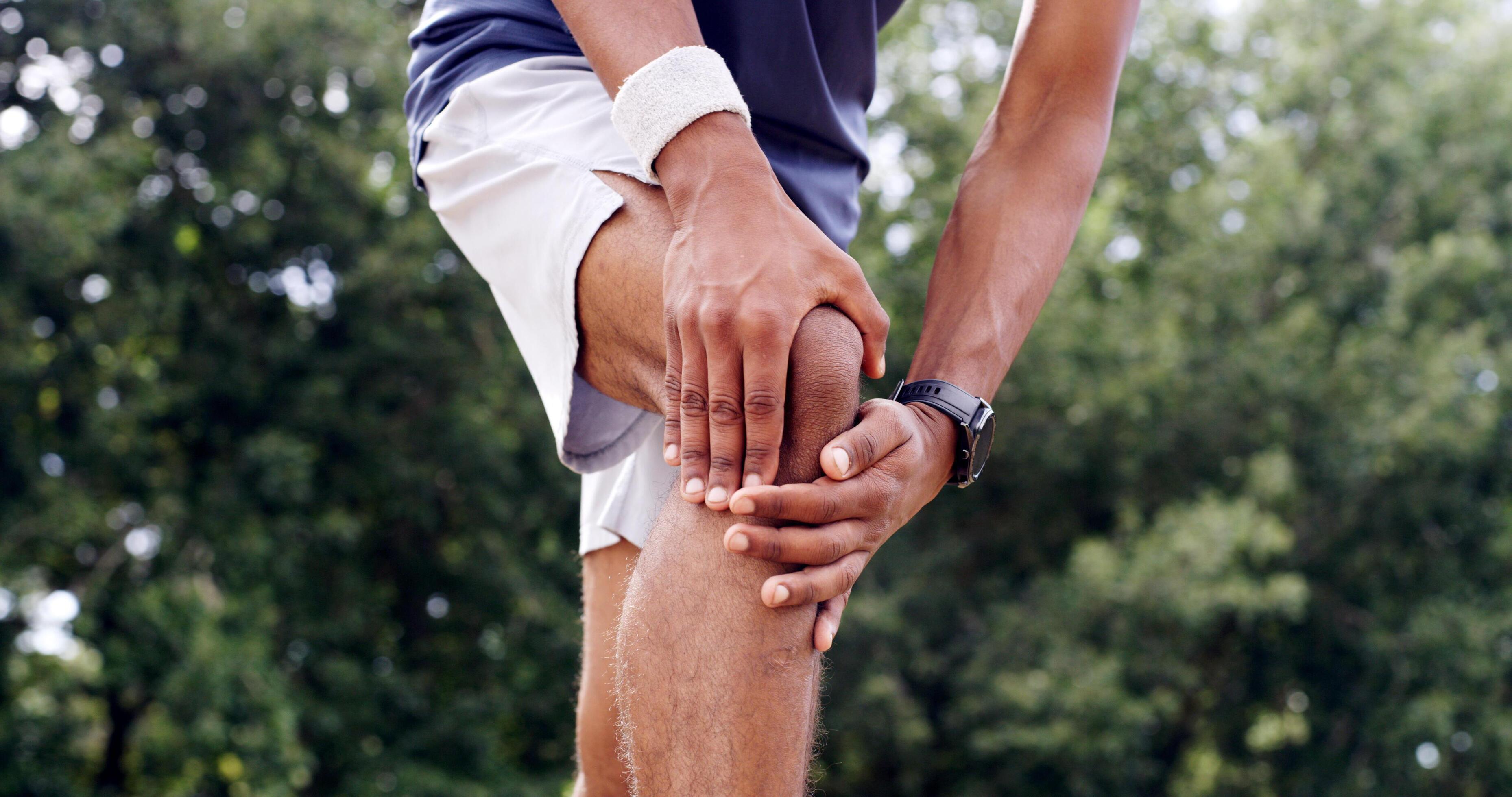
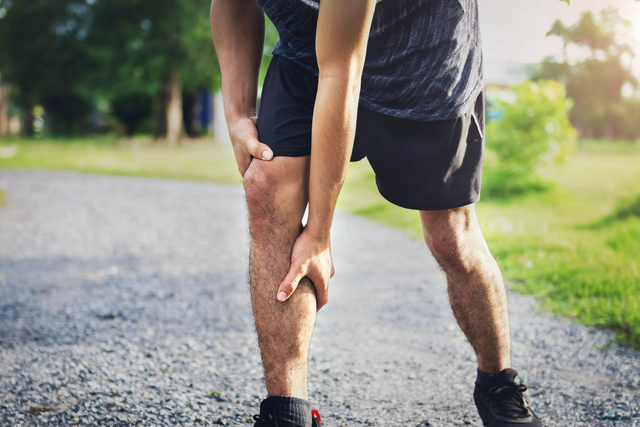
A muscle strain means some muscle fibers have torn. It often hits as a quick grab in one spot, like the muscle suddenly says stop. Some people feel a snap. Others feel a cramp that will not release. Pressing on the area usually feels tender, and the muscle can feel weak right away. Bruising or swelling can show up one to three days later. Then regular tasks start to sting, like stairs, standing from a car seat, or lifting a grocery bag.
How Muscle Strains Usually Start
Many strains start during a fast move. You sprint for a ball, push off hard, or cut to the side, and the muscle overloads. Hamstrings and calves get hit often during sudden speed. Groin strains can occur during wide steps, lunges, or quick slides. Back strains often start during a twist with weight, like turning with a cooler or a laundry basket. Fatigue plays a big role, too. After a long shift, one wrong step can be enough.
Early Steps That Protect Healing Tissue
The first week is about keeping the area calm but not frozen. Short rest helps, then too much rest starts to backfire. Stiffness rises, and the muscle loses strength fast. A good plan uses protected movement, not total shutdown. Take short walks that stay under sharp pain. Use gentle range work so the muscle does not lock up. Compression and elevation can help when swelling is present. Track the pattern through the day. Pain should ease as you move and settle, not build higher each hour.
Sports Medicine Services That Help Most
Sports medicine care matches your strain and your daily demands. Most plans use a mix of these services.
- Injury exam: Checks pain spot, bruising, swelling, and strength loss, and screens for tendon rupture signs. It sets a safe starting point for rehab and activity limits.
- Range of motion work: Restores safe motion and reduces stiffness without pulling the strain. Better motion helps you walk, sit, and sleep with less guarding.
- Progressive strength loading: Builds muscle back step by step with clear pain and next-day rules. Loading reduces re-injury risk once you return to faster tasks.
- Soft tissue care: Reduces guarding and helps you move with less tightness during exercises. It can ease cramping and improve comfort during early sessions.
- Gait and movement coaching: Fixes limping and retrains bends, steps, and lifts that trigger pain. This limits overload in the hip, knee, and lower back.
- Return testing: Compares strength side to side and runs task drills for work or sport pass marks. Testing helps you return with confidence.
Find the Sports Medicine Care You Need
Muscle strains heal best with a plan that rebuilds strength safely. Modern Physical Therapy & Sports Medicine of Phoenix, AZ can evaluate your strain, set clear rehab phases, and guide your return to work or sport with repeat testing. Call to book a sports medicine evaluation for muscle strain treatment.