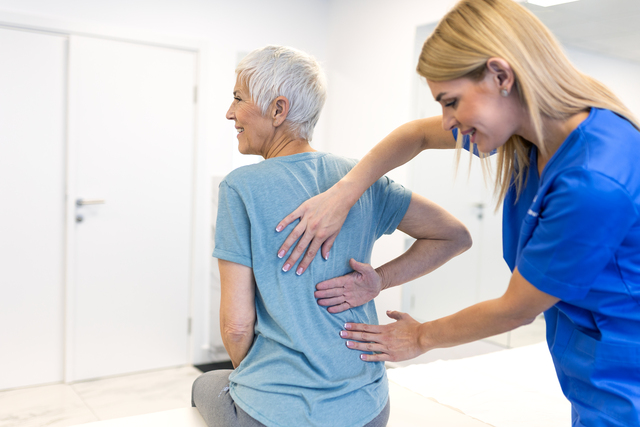
 Fall Recovery Evaluation And Movement Testing
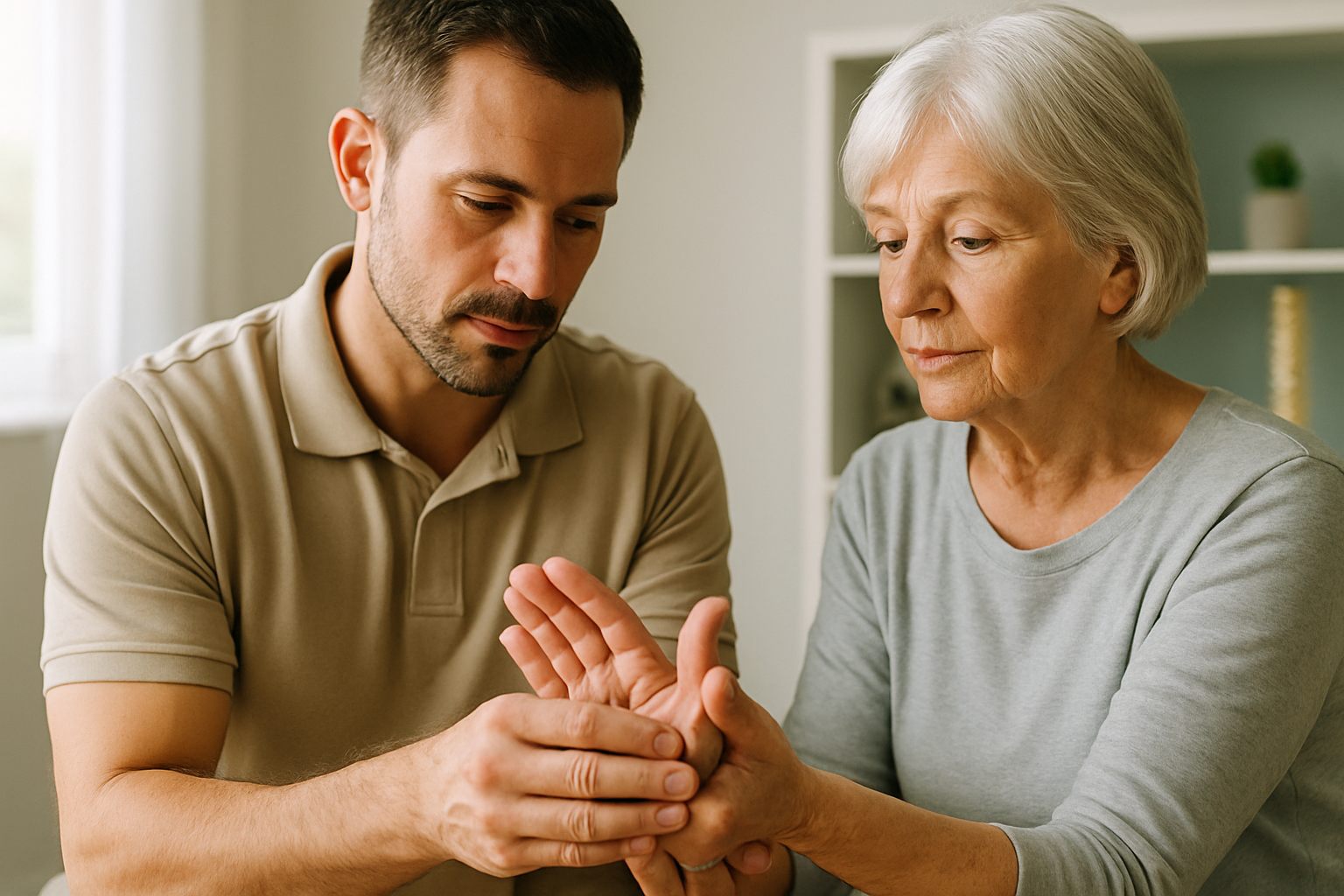
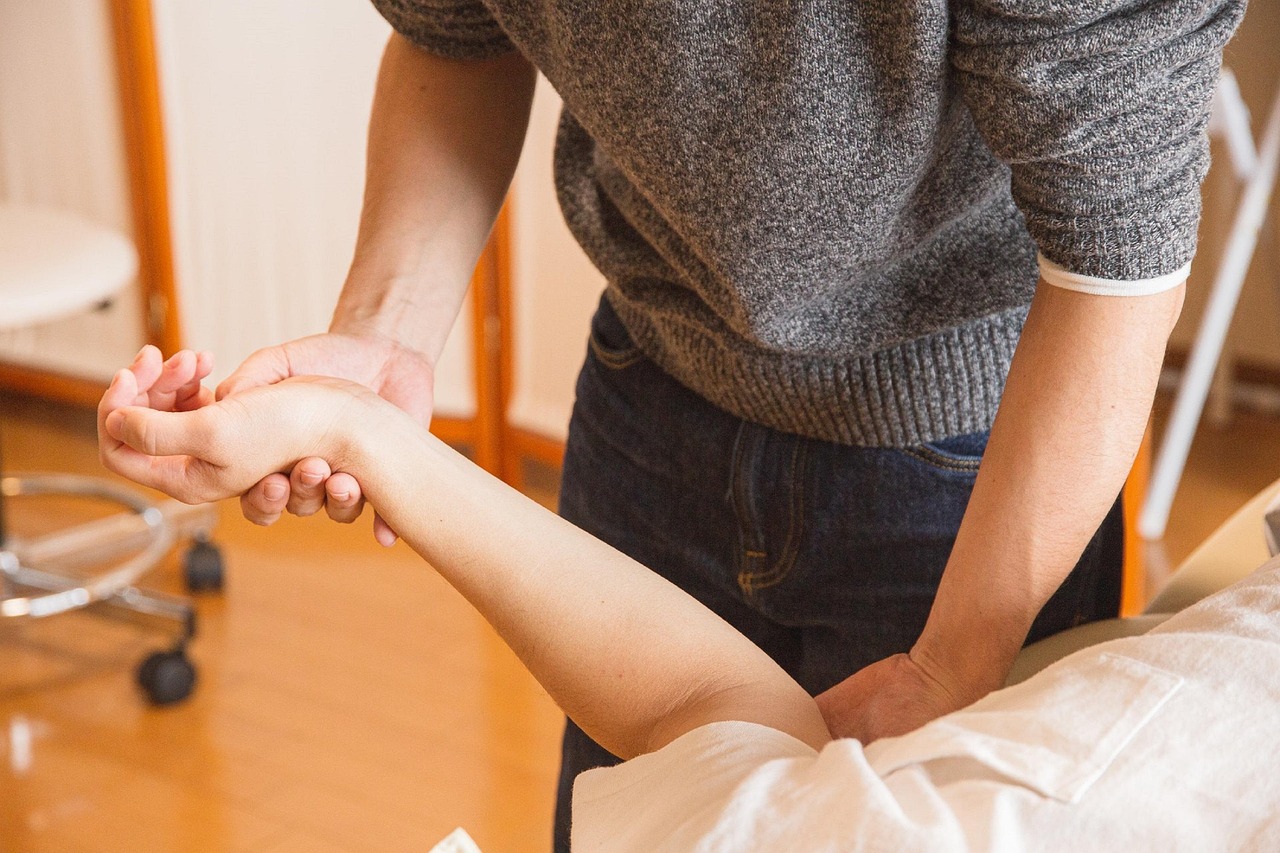
A fall recovery plan starts with a full movement evaluation. Your therapist looks at how you stand, walk, and turn. They check joint motion, strength, and balance reactions. They also review meds, footwear, and home routines that raise risk. This visit sets clear targets for the next four to eight weeks.
- Walking speed and step symmetry
- Sit to stand form and leg drive
- Single-leg balance time near support
- Hip, knee, and ankle strength checks
- Range of motion limits that change gait
- Pain map and swelling check
Gait Training To Fix Limp And Guarding
Many people change their walk after a fall. Steps get shorter and weight shifts to the safe side. Gait training rebuilds an even stride and calmer turns. Your therapist cues foot placement, trunk position, and push-off timing. They also train safer curb steps and tight space turns for kitchens and bathrooms.
Balance Training For Turns, Reaching, And Uneven Ground
Balancing work needs more than standing still. Falls often happen during a turn, a reach, or a quick change of direction. Therapy builds steady control first, then adds real tasks that match your home and errands. Sessions use close guarding and stable supports, then reduce support as control improves.
- Narrow stance holds with head turns
- Step taps to targets at different heights
- Weight shifts with reach to counter height
- Step overs that mimic cords and thresholds
- Controlled step-downs for curbs and stairs
- Dual task walking with simple counting
Vestibular Services For Dizziness And Unsteady Vision
Some falls are linked to dizziness or poor head movement control. Vestibular services address vertigo, blurred vision during head turns, and drifting during walks. Your therapist runs positional testing and eye movement screens. Treatment can include gaze drills, head-turn walking, and repositioning maneuvers when the exam supports them. The goal is steadier movement during turns and faster stops.
Strength Services That Build A Safer Base
Strength drops fast after a fall, even in a short rest period. Therapy targets the muscles that control stance and push off. Hip strength supports side-to-side control during turns. Calf strength supports walking speed and balance reactions. Quad strength supports stairs and safe chair rises. Your therapist uses loads that fit your pain level and recovery stage.
Mobility And Joint Services To Restore Motion
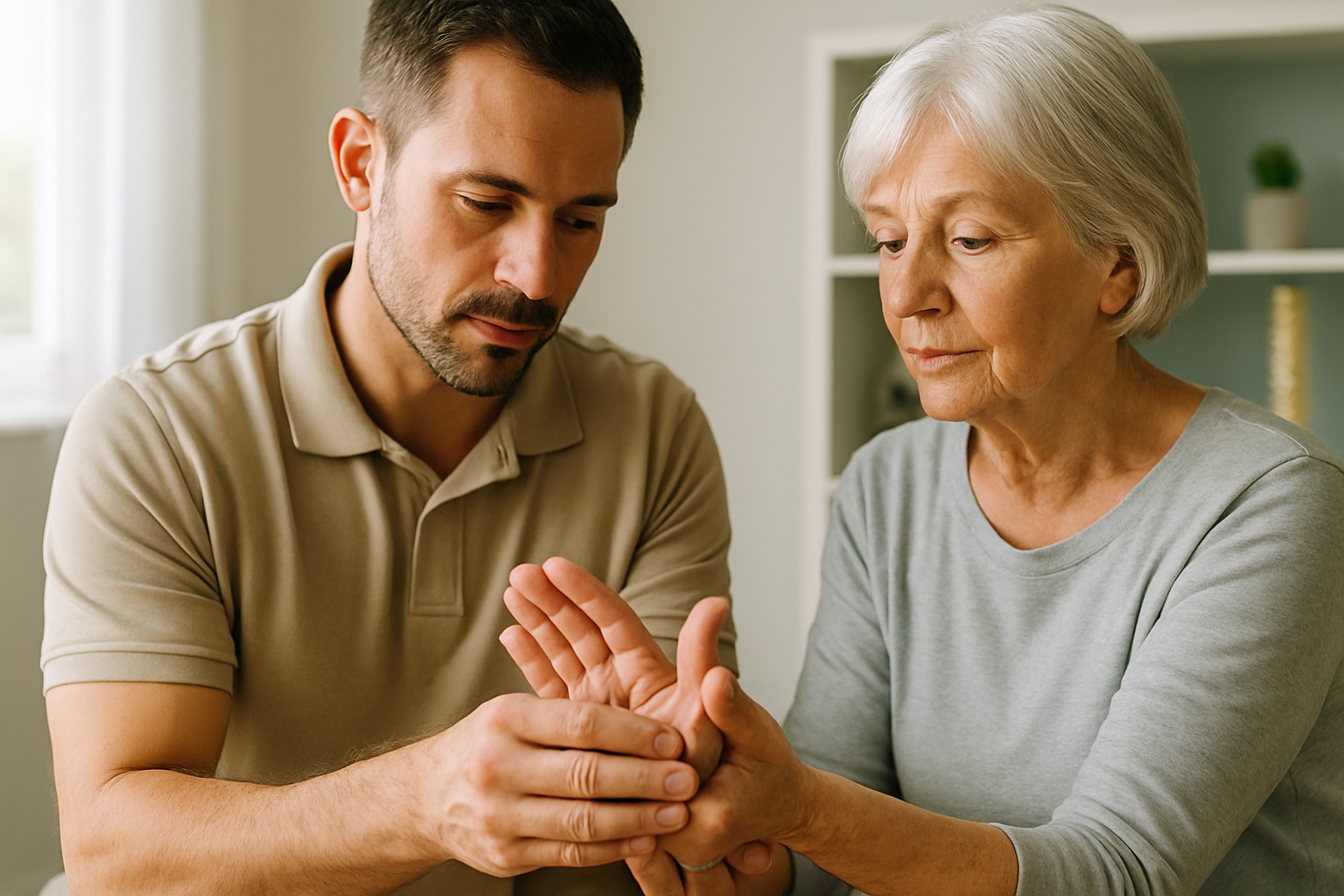
Stiff joints change balance and step quality. Limited ankle bend can force the toes out during walking and slow down on stairs. Tight hips can reduce stride length and cause shuffling. Therapy restores motion with guided drills and hands-on techniques when needed. Better motion helps strength work feel smoother and more stable.
Assistive Device Training And Fit Checks
A cane or walker can speed recovery when it fits well. Poor fit can make balance worse and strain the shoulder. Therapy includes sizing, hand placement, and step timing training. Your therapist also teaches when to use the device and when to wean off. The goal is steady walking with fewer near falls.
Schedule Fall Recovery Services Today
Modern Physical Therapy & Sports Medicine of Surprise, AZ, provides fall recovery evaluations, gait training, balance services, strength work, and task practice built around daily life. Call to book a fall recovery physical therapy visit and start a structured plan.