 What Joint Degeneration Means
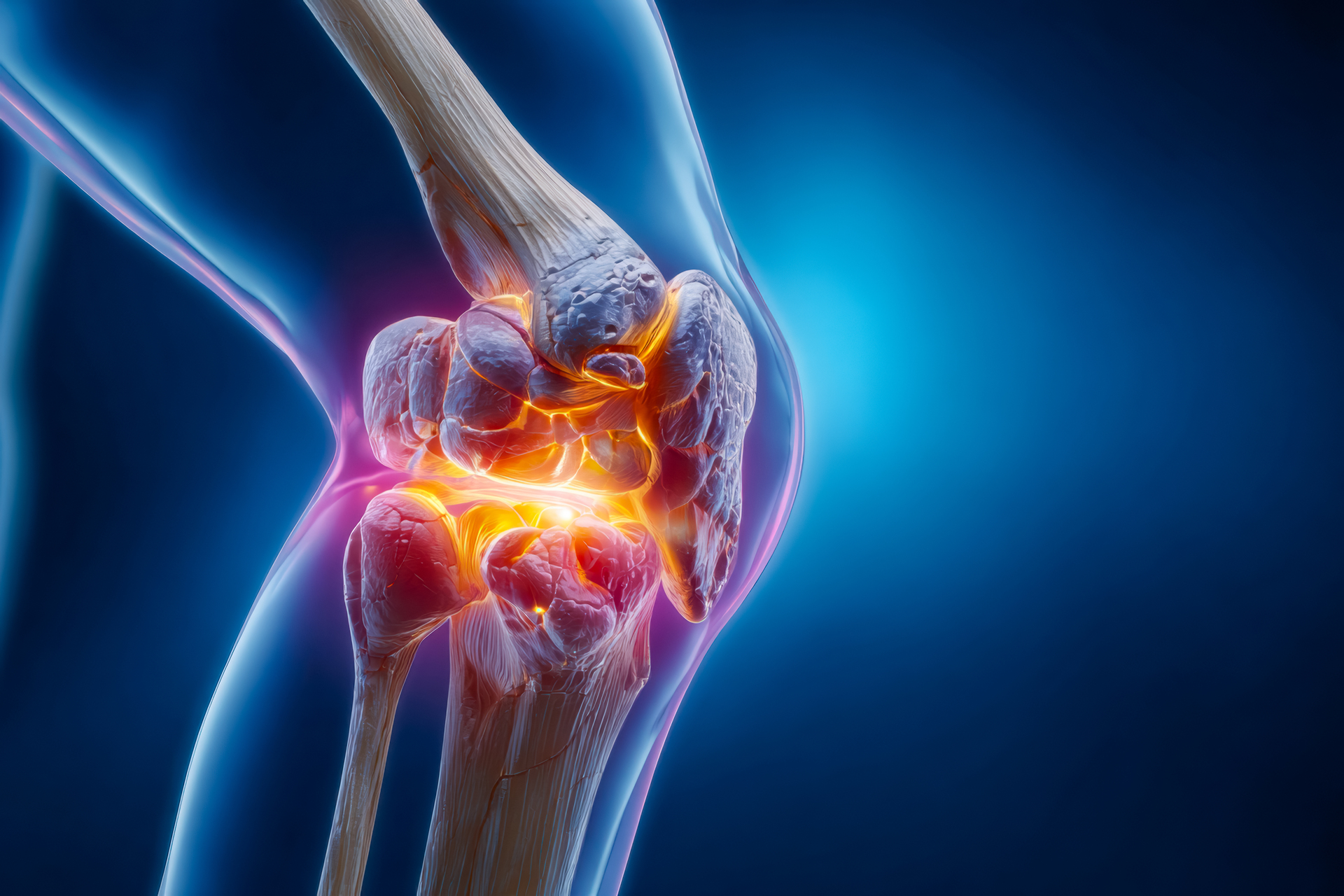
Joint degeneration is the gradual wear and change of joint surfaces over time. You may hear it called osteoarthritis or “wear and tear.” That doesn’t mean you did something wrong. It often builds from a mix of age, past injuries, repetitive use, genetics, and how the joint has been loaded for years.
What Joint Degeneration Can Feel Like
Degeneration is not only pain. Many people notice subtle changes first.
- Stiffness when you first get up, or after sitting
- Swelling that comes and goes
- A deep ache after walking, stairs, yard work, or workouts
- Clicking, grinding, or a “crunchy” feeling with motion
- Less range of motion, like trouble squatting or reaching
- A joint that feels weak or unreliable
Why Symptoms Flare Even When Imaging Looks “Mild”
This is where people get confused. X-rays do not always match pain levels. Some patients have significant changes and feel fine. Others have small changes and feel miserable. Pain is influenced by inflammation, strength, joint stress, sleep, movement habits, and how sensitive the area has become over time. That’s why the plan matters more than the label.
Non-Surgical Treatments That Help With Joint Degeneration
Most people do not need to jump straight to surgery. A lot can be done to reduce pain and improve function.
Guided Physical Therapy To Support The Joint
PT targets the weak links that overload the joint. Stronger hips and legs often reduce knee and back stress. Better shoulder blade control can calm shoulder arthritis irritation. The goal is better support so the joint does not feel like it’s doing all the work alone.
Activity Modification Without “Giving Up”
You should not have to stop everything you enjoy. We help you adjust the dose. That could mean changing how often you walk long distances, altering gym movements that spike pain, or building a better warm-up so the joint is ready for load.
Pain And Inflammation Management
Pain relief is useful when it helps you move again. Your provider may recommend options that fit your diagnosis and history, along with a plan to keep flare-ups from controlling your week.
Injections And Other Options When Appropriate
Some patients benefit from injection-based treatments as part of a broader plan. These options are case-specific. Your non-surgical orthopedic doctor will explain the pros and cons based on your joint, your goals, and your activity level.
The Biggest Mistakes People Make With Degenerative Joints
Two patterns show up all the time. One is doing nothing and getting stiffer and weaker. The other is pushing through flare-ups and hoping the joint “toughens up.” Both can make symptoms worse. What usually helps most is consistent, joint-friendly strength work and smart progressions.
How to Know If Your Plan Is Working
Success should feel practical. Less swelling. Easier stairs. Better sleep. More confidence walking or lifting. You should also feel like you can predict your flare-ups instead of being blindsided by them.
Get Help With Joint Degeneration
If joint degeneration is limiting your movement or keeping you from the activities you enjoy, we can help. Schedule a visit with Modern Physical Therapy & Sports Medicine of Surprise, AZ for a non-surgical orthopedic evaluation and a plan you can follow.