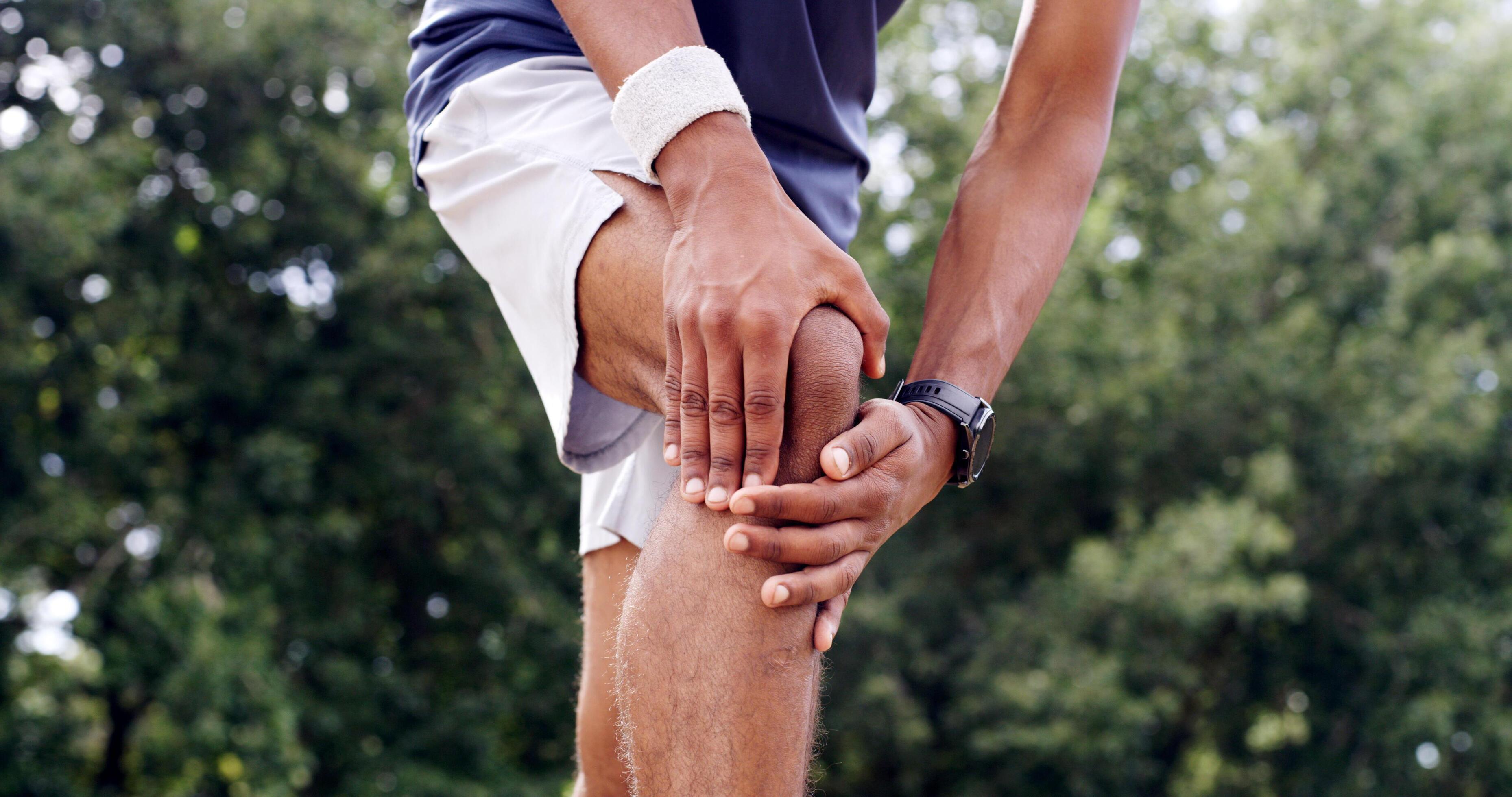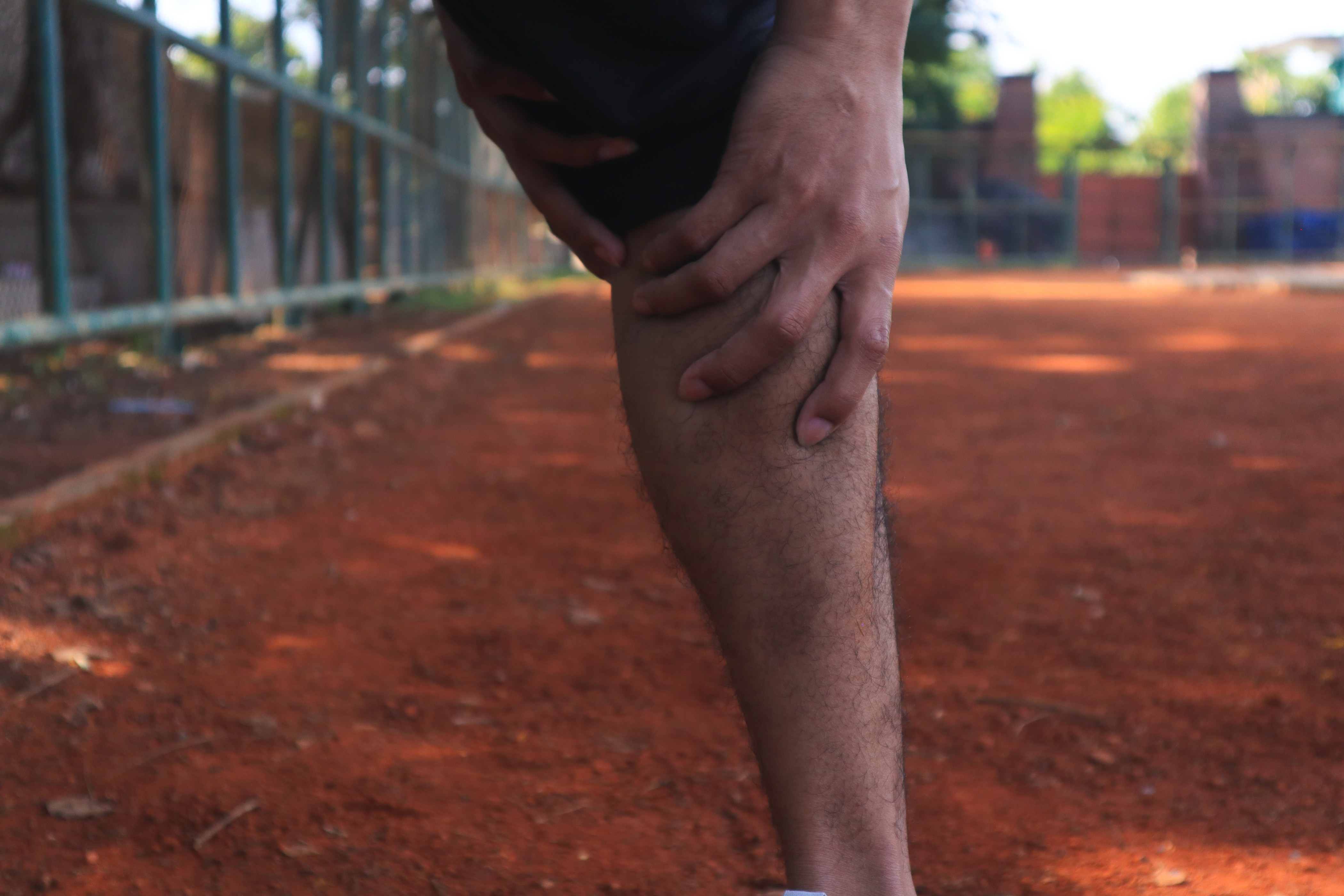
A meniscus tear can throw off your whole rhythm. Some people feel a sharp twist and know something is wrong. Others feel swelling that builds slowly during the day. You might notice clicking when you bend. Or stiffness after sitting for too long. Even simple things like stepping off a curb or getting out of the car can feel different. These changes make you aware of your knee in a way you never were before.
Symptoms People Notice
Meniscus tears vary. Some are loud and obvious. Some stay quiet until you turn or squat.
Common signs:
- Sharp pain with twisting or pivoting
- Swelling that returns after activity
- A tight, full feeling in the joint
- Clicking or catching
- Trouble squatting
- A knee that feels unsure during steps
Why Physical Therapy Matters
A torn meniscus needs movement, but the right kind. Too much strain irritates the joint. Too much rest makes the knee stiff and weak. PT helps you find the middle ground so the joint can calm down and start working again.
Early Stage: Settle The Irritation
In the beginning, the goal is simple. Keep the knee moving, but keep it calm. You learn which motions feel safe and which ones set off swelling.
Focus points include:
- Light range-of-motion drills
- Simple walking practice
- Gentle quad activation
- Reducing swelling
Middle Stage: Build Control
Once the knee stops reacting to every small activity, PT shifts toward strength and stability. The muscles around the knee take over the work that the meniscus cannot do by itself.
PT might include:
- Strengthening quads and hips
- Balance training
- Step-ups or small lunges
- Improving walking mechanics
Late Stage: Return To Real Movement
This phase prepares the knee for the things you want to get back to. The pace depends on how your knee responds. Movements feel more natural here, but they stay structured.
Tasks may include:
- Stronger lower-body work
- Controlled agility drills when appropriate
- Squat and hinge training
- Gradual return to sport or heavier activity
Some Signs You’re Progressing Well
- Swelling fades faster
- Walking feels smoother
- Stairs feel more predictable
- Bending doesn’t trigger the same hesitation
Going Too Fast Can Backfire
It’s easy to push too soon. A small jump in activity can bring swelling right back. That does not mean the knee is failing. It means the timeline matters. The joint needs steady work, not big leaps.
Modern Medicine Physical Therapy & Sports Medicine of Surprise, AZ for a More Confident Knee
If you want a recovery plan that respects your pace and your goals, reach out to Modern Medicine Physical Therapy & Sports Medicine of Surprise, AZ. Schedule your visit and start rebuilding strength and trust in your knee.