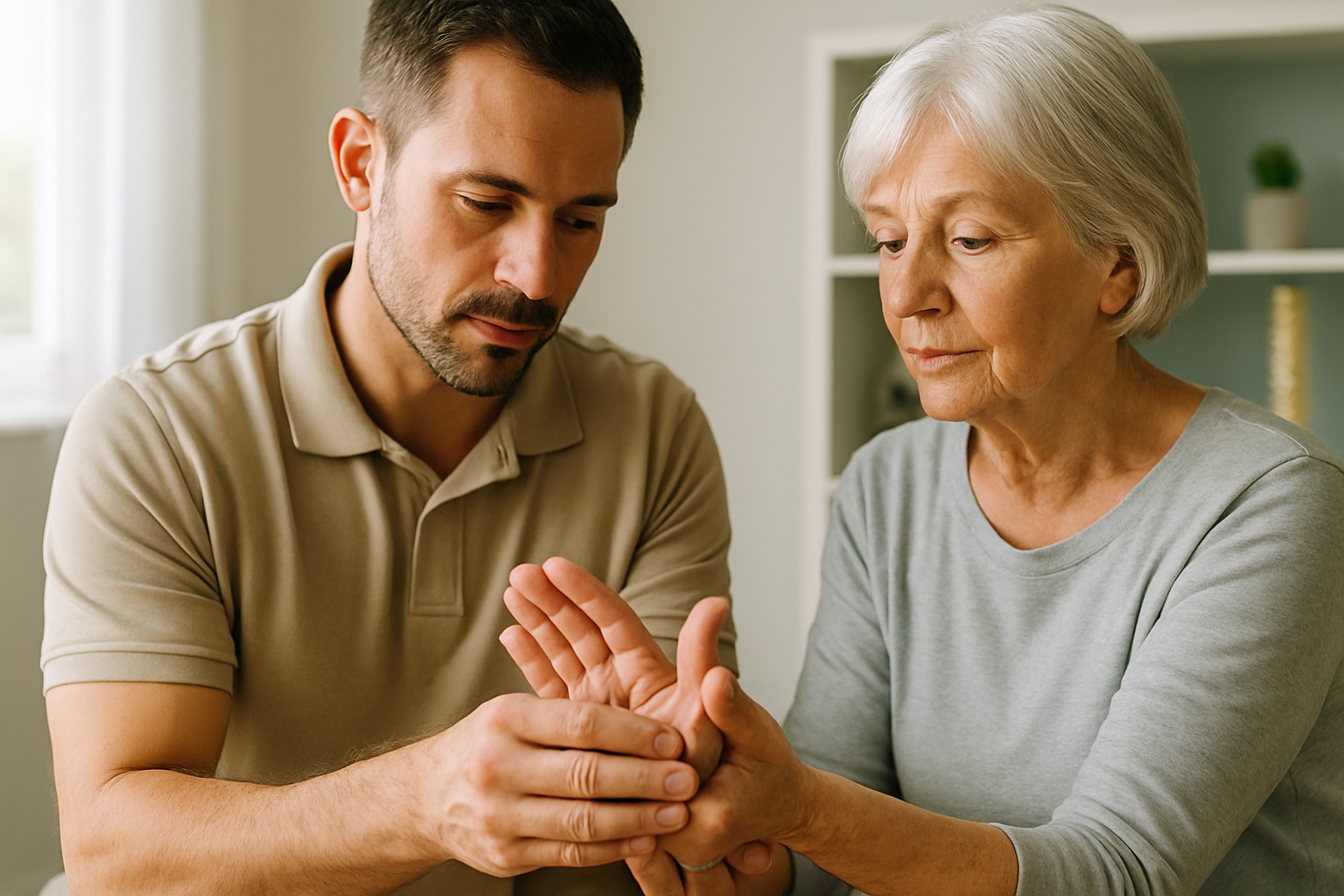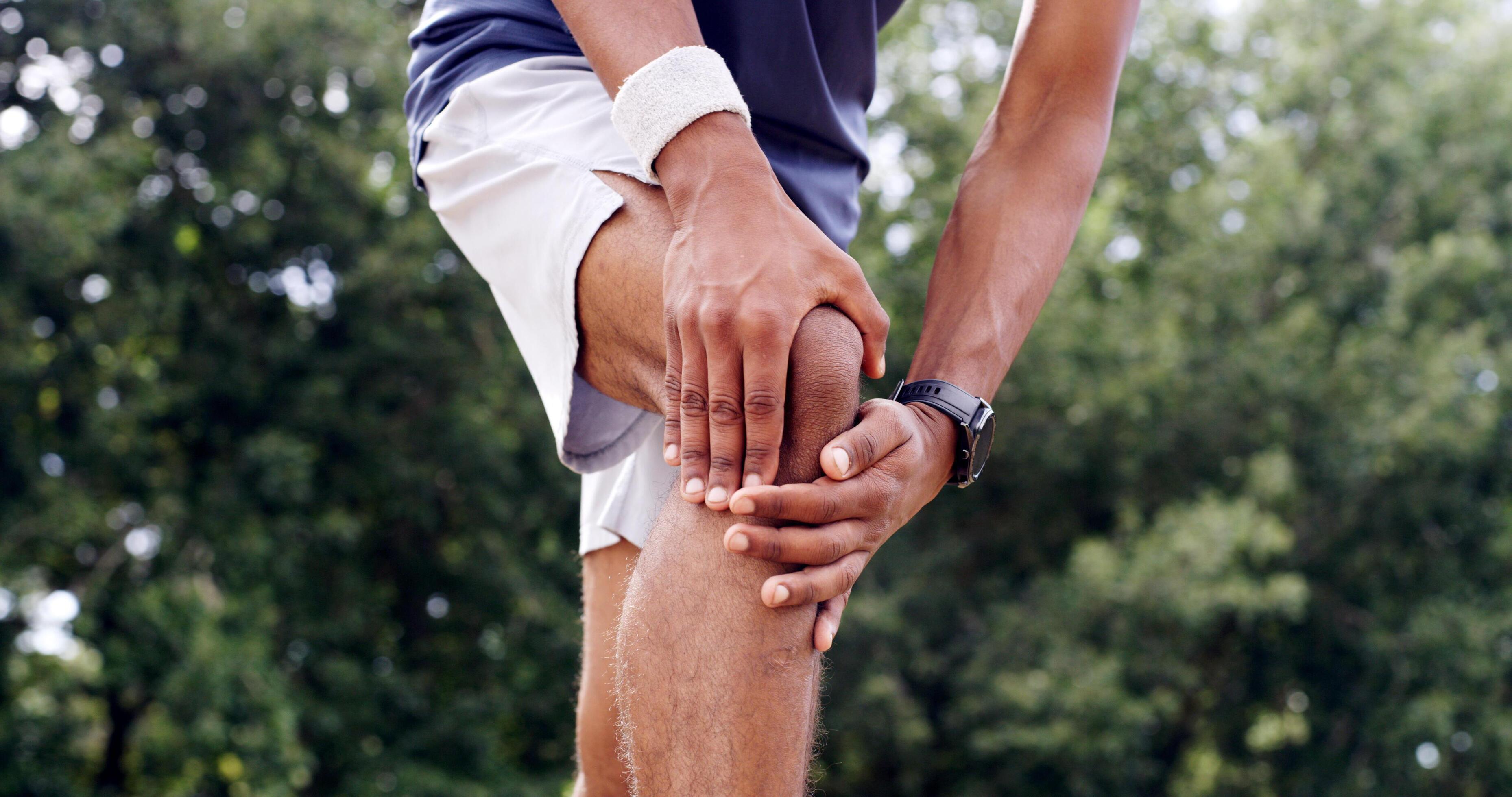
Hip impingement can sneak into daily life in small ways at first. A quick pinch when you lift your knee. A tight feeling when you sit too long. A sharp catch in the front of the hip during a workout. Over time, these moments add up and make simple motions feel awkward or limited.
Causes of Hip Impingement
Hip impingement usually comes from how the joint moves, not one single event. When the hip loses clean control, the front of the joint can get stressed. The shape of the bones can play a role, but muscles and habits shape the problem more than people realize.
Common causes include:
- Tight hip flexors from sitting
- Weak glutes that stop supporting the joint
- Poor rotation that forces the hip into the same path
- Old injuries that changed how you move
- Sudden jumps in running, lifting, or sports
- Standing or bending in the same pattern every day
These issues pull the hip into early contact, which leads to irritation and that familiar pinch.
Symptoms of Hip Impingement
People describe hip impingement in different ways. Some feel a quick bite of pain when they bring the knee up. Others feel a dull pressure deep in the groin. Rotation often feels blocked. Long walks can bring on a tugging sensation. Squats may feel uneven. Sitting too long can make the hip feel stuck.
They include:
- Pinching or catching in the front of the hip
- Stiffness after sitting
- Pain with rotation or deeper squats
- A tight pull in the groin
- Difficulty lifting the knee
- Symptoms that improve slightly with movement but return during load
Non-Surgical Orthopedic Fixes
Most hip impingement cases respond well to non-surgical care. The goal is simple: create space, improve control, and teach the joint to move without hitting the same irritated spot.
Helpful approaches often include:
- Strengthening the glutes so they guide the hip
- Mobility drills that improve rotation instead of forcing it
- Soft tissue work for tight hip flexors
- Movement retraining for squats, steps, and daily motions
- Balance and control work to steady the joint
- Adjusting sitting posture so the hip stops collapsing forward
These changes help the hip glide instead of jamming. When the surrounding muscles share the load and the joint moves in a cleaner pattern, irritation drops, and the pinch fades.
Your Next Step is Modern Medicine Physical Therapy & Sports Medicine of Surprise, AZ
If hip impingement is slowing you down or making daily movement feel tight, reach out to Modern Medicine Physical Therapy & Sports Medicine of Surprise, AZ. Schedule your visit and start a plan built around non-surgical fixes that support stronger, smoother hip motion.