 What is Joint Replacement?
Joints are where bones meet, and they’re built to bend, twist, and carry weight. Over time, they can wear down. It could be from arthritis, injury, or sometimes just years of use. When the pain doesn’t stop and movement keeps getting harder, doctors may suggest joint replacement surgery.
The surgeon removes the damaged parts and puts in artificial ones made of metal, plastic, or ceramic. The new joint is built to work like the old one did before the damage. The idea is simple: less pain, more movement.
The Joints People Replace Most
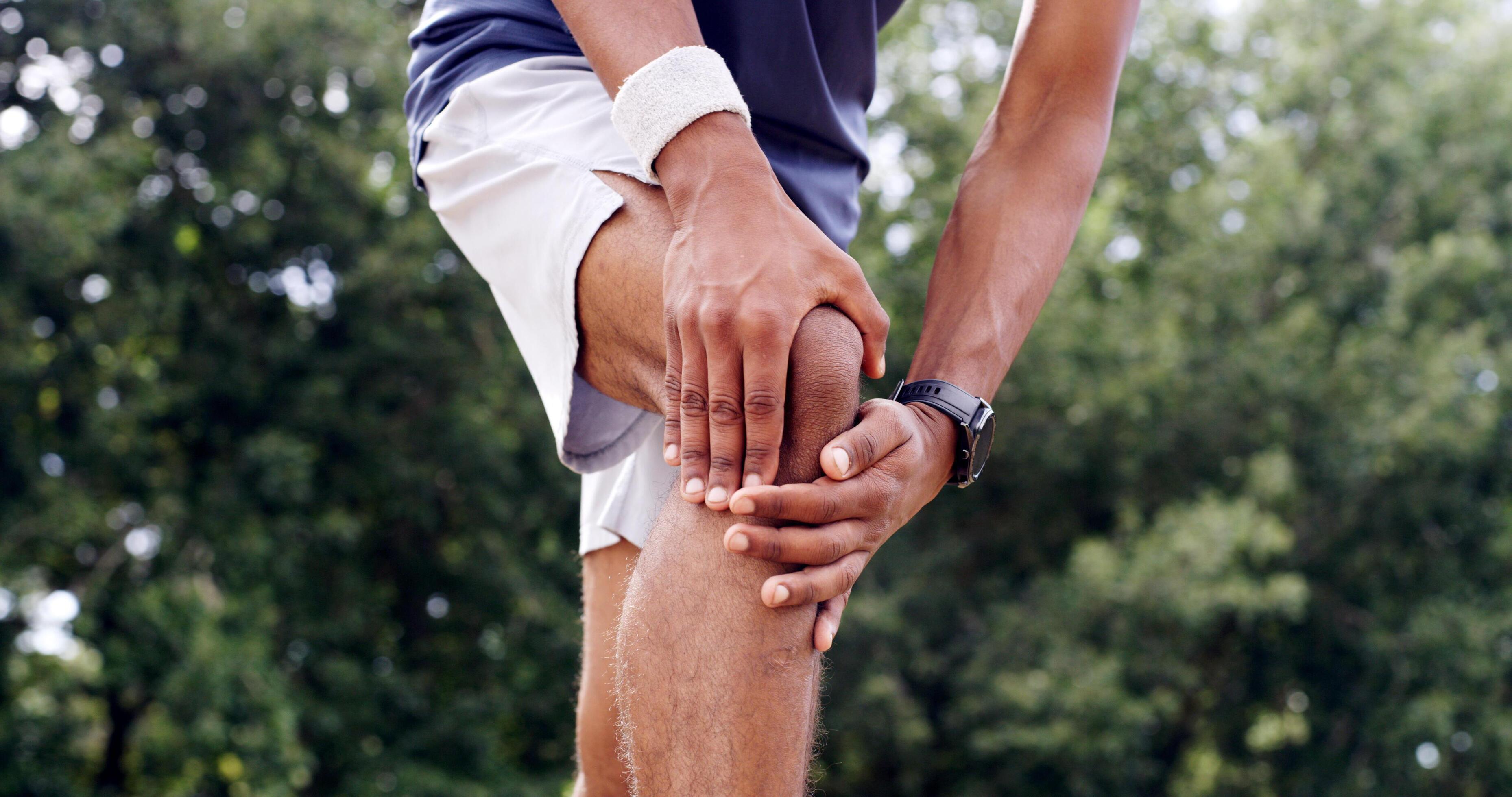
Knees and hips top the list. They carry your weight every day, so they’re the first to wear out. Shoulders come next, and once in a while, elbows. Most of the folks we see in Surprise are fresh out of a knee or hip replacement. Those are the ones that really change how you move day to day.
Signs It Might Be Time
Nobody wakes up wanting surgery, but there are times when the joint makes the call for you. If you’ve tried pain meds, injections, or braces and nothing sticks, that’s one sign. Another is pain that doesn’t take a day off. Things like sitting, standing, walking, and even sleeping. When stairs feel impossible or you catch yourself planning your whole life around your aching joint, it may be time to talk to a doctor.
Why Physical Therapy Matters After Surgery
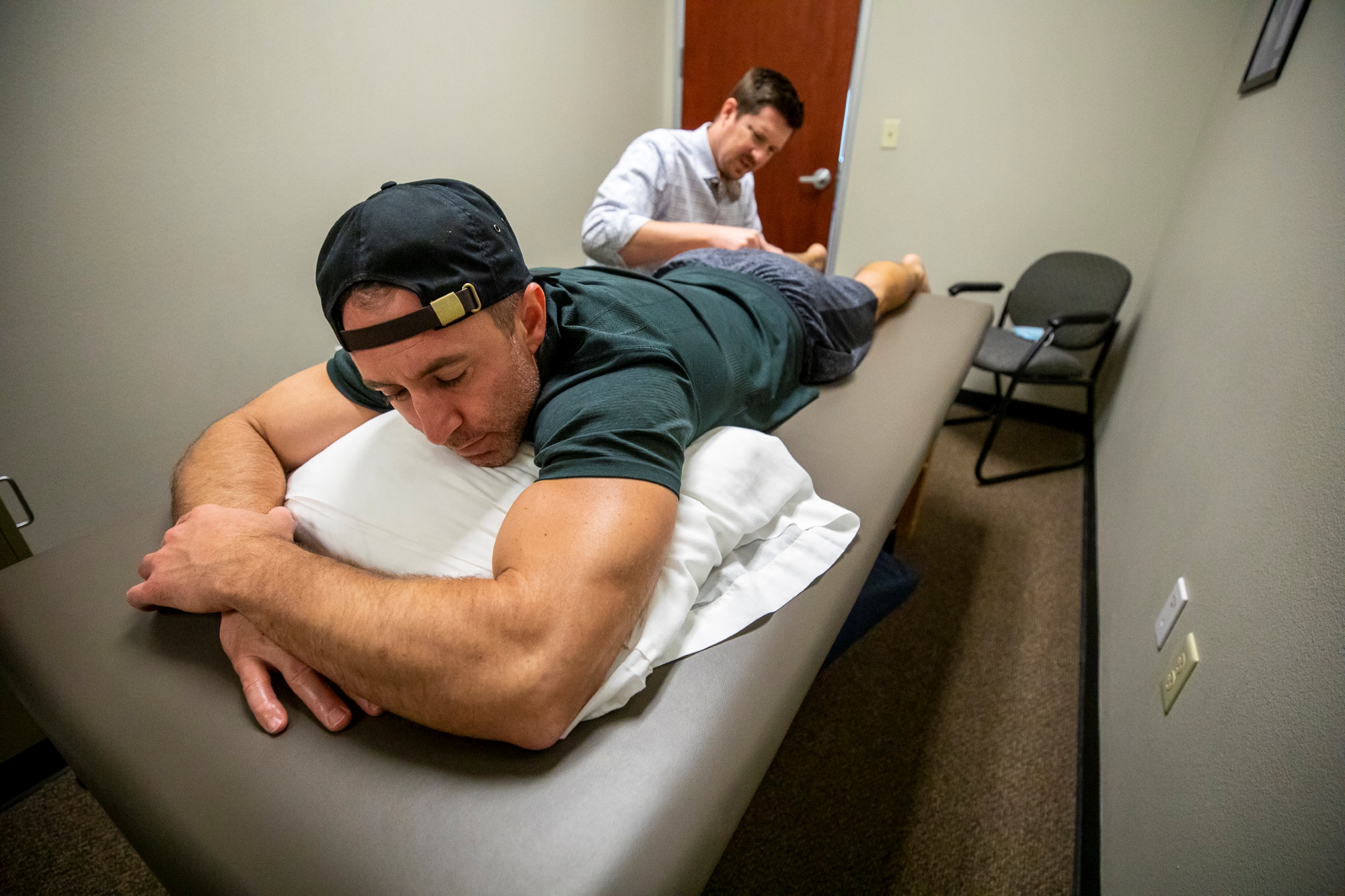
The surgery gives you a new joint, but it doesn’t give you strength, balance, or confidence. That’s where physical therapy steps in.
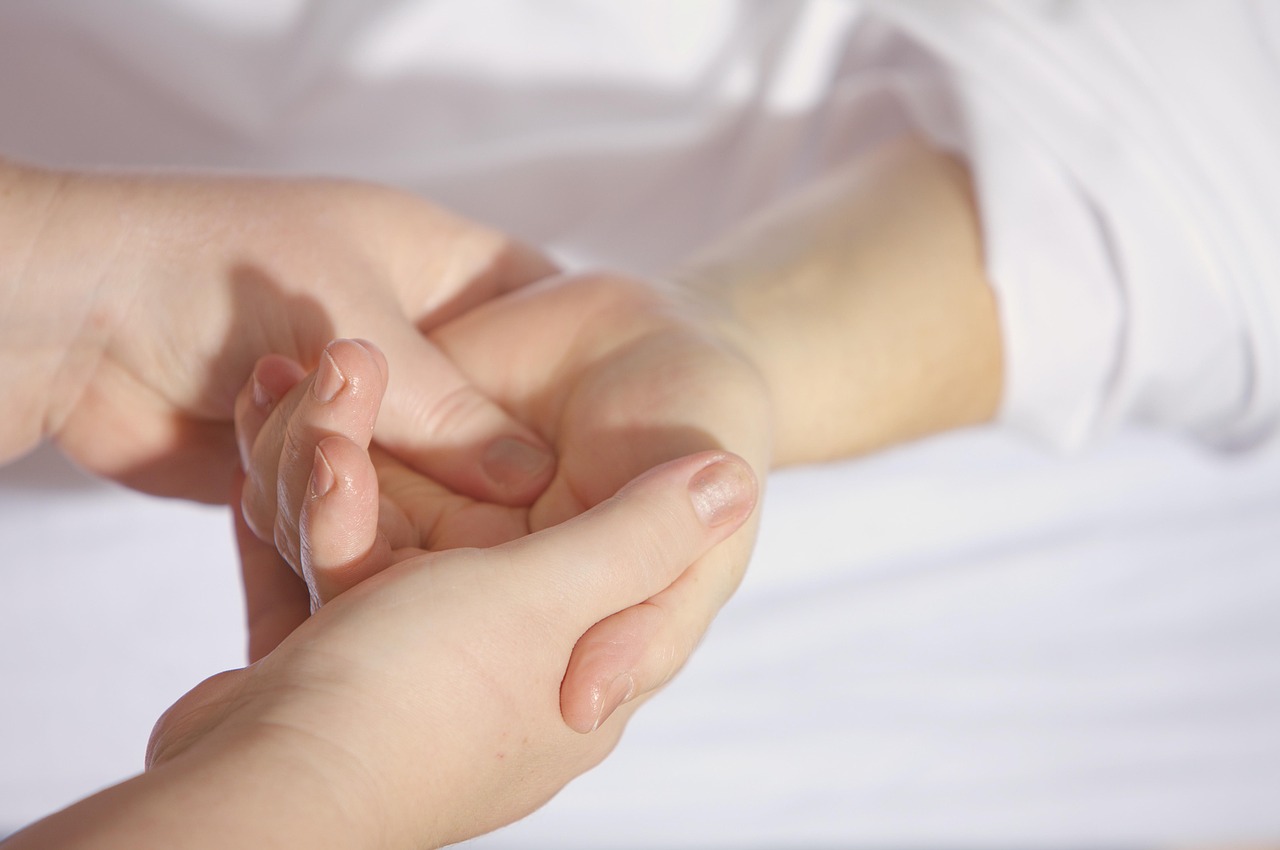
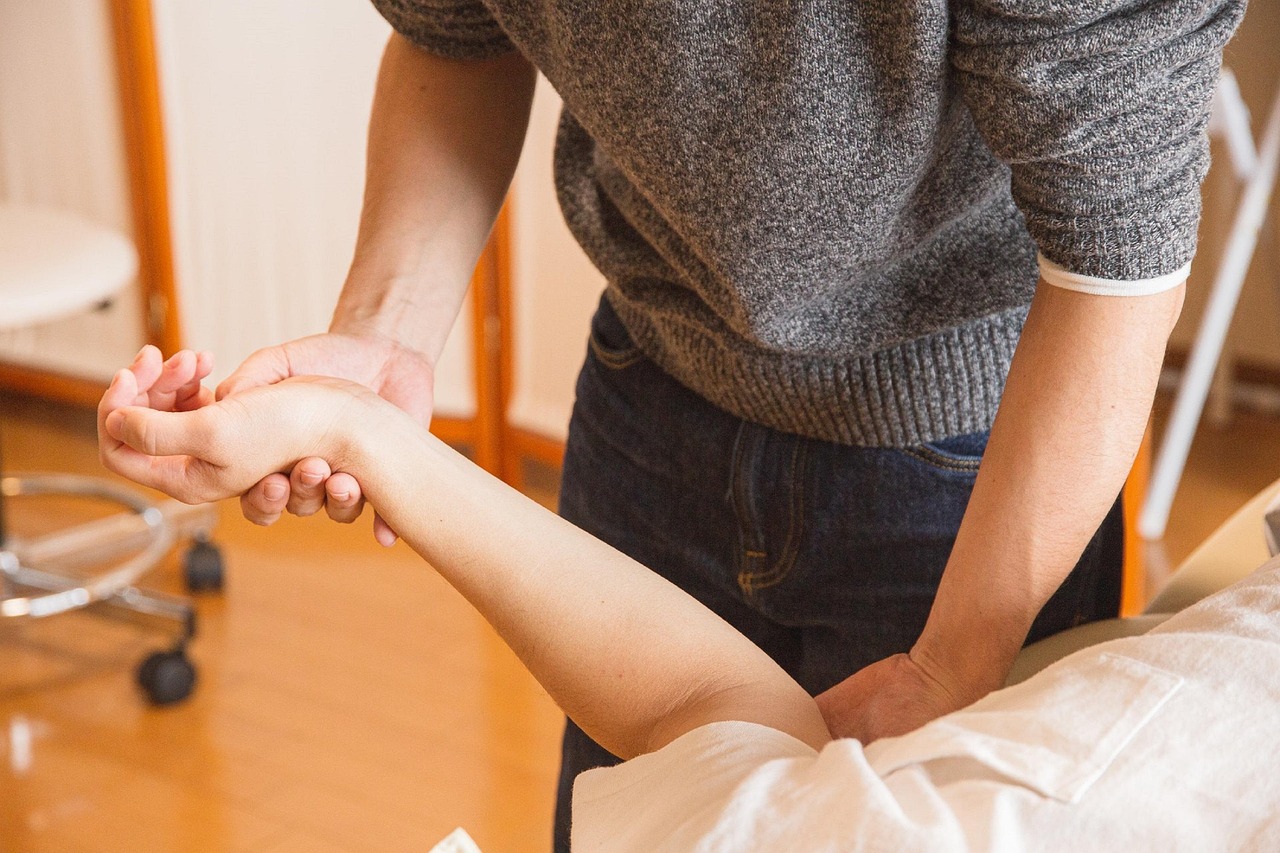
Right after surgery, our goal is to keep the joint moving a little so it doesn’t freeze up. As you heal, we add in strength work, balance training, and practice with everyday movements. Walking, climbing stairs, sitting down, standing up, and other things you don’t think about until they hurt. Many patients also need help breaking habits they picked up while limping or guarding the bad joint. Therapy helps retrain those patterns.
What Recovery Looks Like With Us
It’s different for everyone, but here are the basics:
- Gentle stretches to keep the joint from stiffening up.
- Strength training for the muscles that support your new joint.
- Balance drills to help you walk safely and avoid falls.
- Coaching on how to move, sit, and climb stairs without straining.
It’s not a quick fix. Some days will feel tough. But little by little, things click. You’ll notice you can walk farther, stand longer, and do things you hadn’t done in years.
Why Skipping Therapy Isn’t Worth It
We’ve seen what happens when patients try to recover without therapy. They heal more slowly, stay stiff longer, and sometimes end up back in pain. A new joint is only half the battle. The muscles and the way you move matter just as much. Physical therapy ties it all together.
At Modern Medicine of Surprise, AZ, we’ve walked alongside plenty of patients after joint replacement. Call us today. We’ll help you heal, rebuild strength, and get back to living without holding back.