 What’s a Herniated Disc?
Your spine isn’t one long bone. It’s a column of little bones stacked on each other. Between them are discs that act like cushions. They’ve got a soft center, kind of like a jelly donut, surrounded by a tougher outer layer.
When the soft part pushes out through a weak spot, that’s a herniated disc. Once it touches a nerve, it doesn’t take long to know something’s wrong. Sometimes it’s a dull ache. Sometimes it shoots fire down your leg or arm. Either way, it’s not something you just “walk off.”
How It Feels Day to Day
People describe it differently. For one person, it’s a steady throb. For another, it’s sharp, like a lightning bolt. Sneezing can set it off. Sitting too long can also. Even rolling out of bed in the morning becomes a careful operation.
The pain itself is tough, but so is what it takes away. Work, sleep, exercise, even something as simple as bending down to tie a shoe. Suddenly, you’re planning your whole day around your back. That wears people down. Many start to think surgery is the only option.
Why Start With Physical Therapy
Here’s the thing: surgery is not always the answer. At Modern Medicine of Surprise, AZ, we see plenty of patients who get real relief from physical therapy alone.
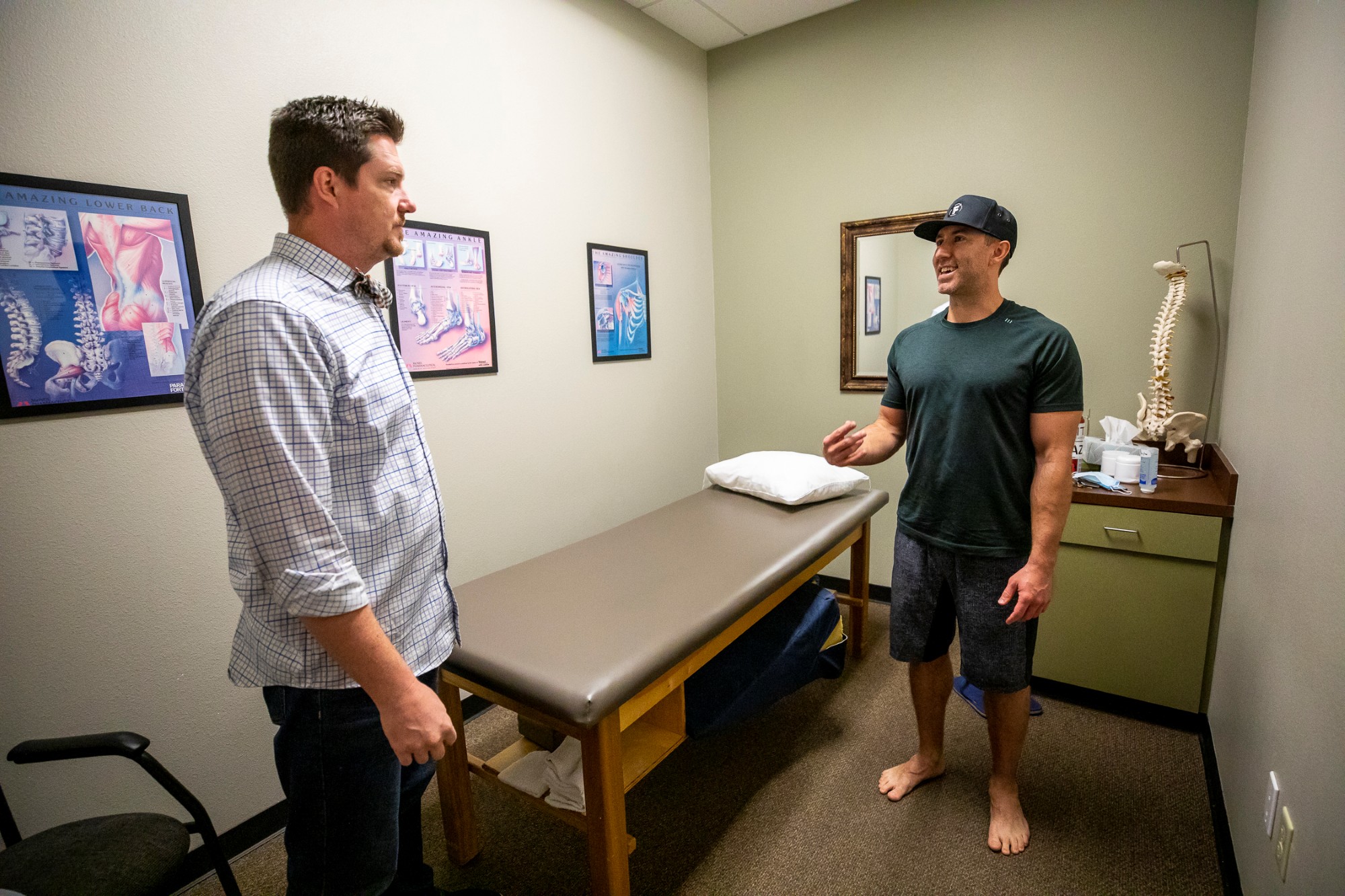
The first step is figuring out exactly how the herniated disc is messing with your movement. We don’t hand out a cookie-cutter program. We watch how you sit, stand, bend, and walk. From there, we create a plan that makes sense for your body.
What Therapy Looks Like Here
Here’s the kind of stuff we focus on:
- Strength: Building up the muscles around your spine so the disc doesn’t take all the pressure.
- Stretching: Gentle stretches to calm tight muscles and give nerves a little breathing room.
- Posture and body habits: Learning how to move in ways that don’t keep aggravating the problem.
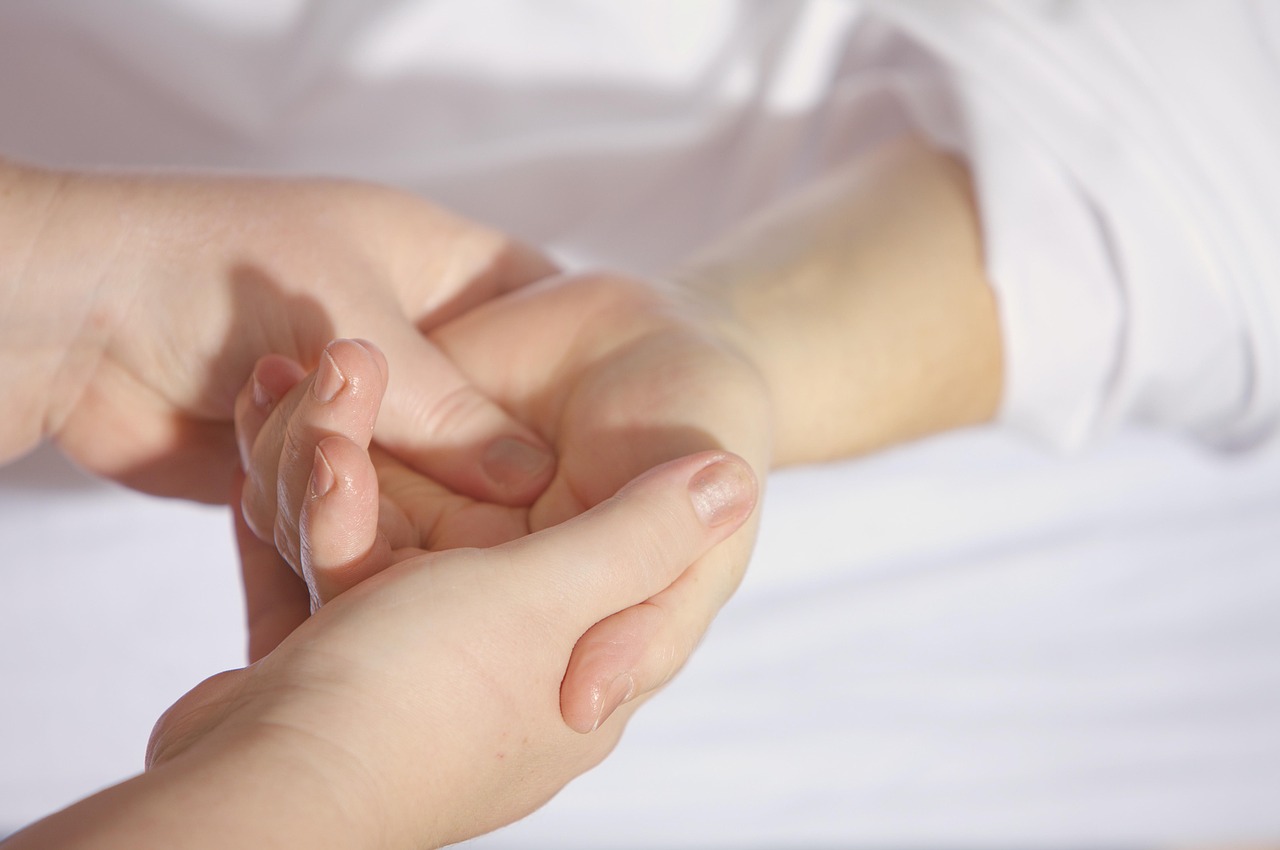
- Hands-on work: Sometimes we use manual therapy to loosen things up and help circulation.
- Pain control tricks: Ice, heat, and guided movements to help manage flare-ups while your body heals.
It’s not magic and it’s not instant. But it is steady progress. A little more movement here, a little less pain there. It adds up.
Why Avoid the Knife If You Can
Surgery has its place. For severe cases, it can be life-changing. But it also comes with risk, recovery time, and no guarantee it will solve everything. If therapy can get you back on your feet without all that, most people would take that route every time.
We’ve seen plenty of patients who thought they had no choice but surgery. After a few weeks of therapy, they’re standing taller, moving more easily, and realizing their body have more fight in them than they thought.
Ready to Do Something About It?
At Modern Medicine of Surprise, AZ, we know how herniated disc pain takes over your life. If you’re tired of hurting and ready to try a different path, reach out. Let’s sit down, figure out what’s going on, and build a plan that makes sense for you. Relief might be closer than you think.