 What Is Actually Happening in the Knee
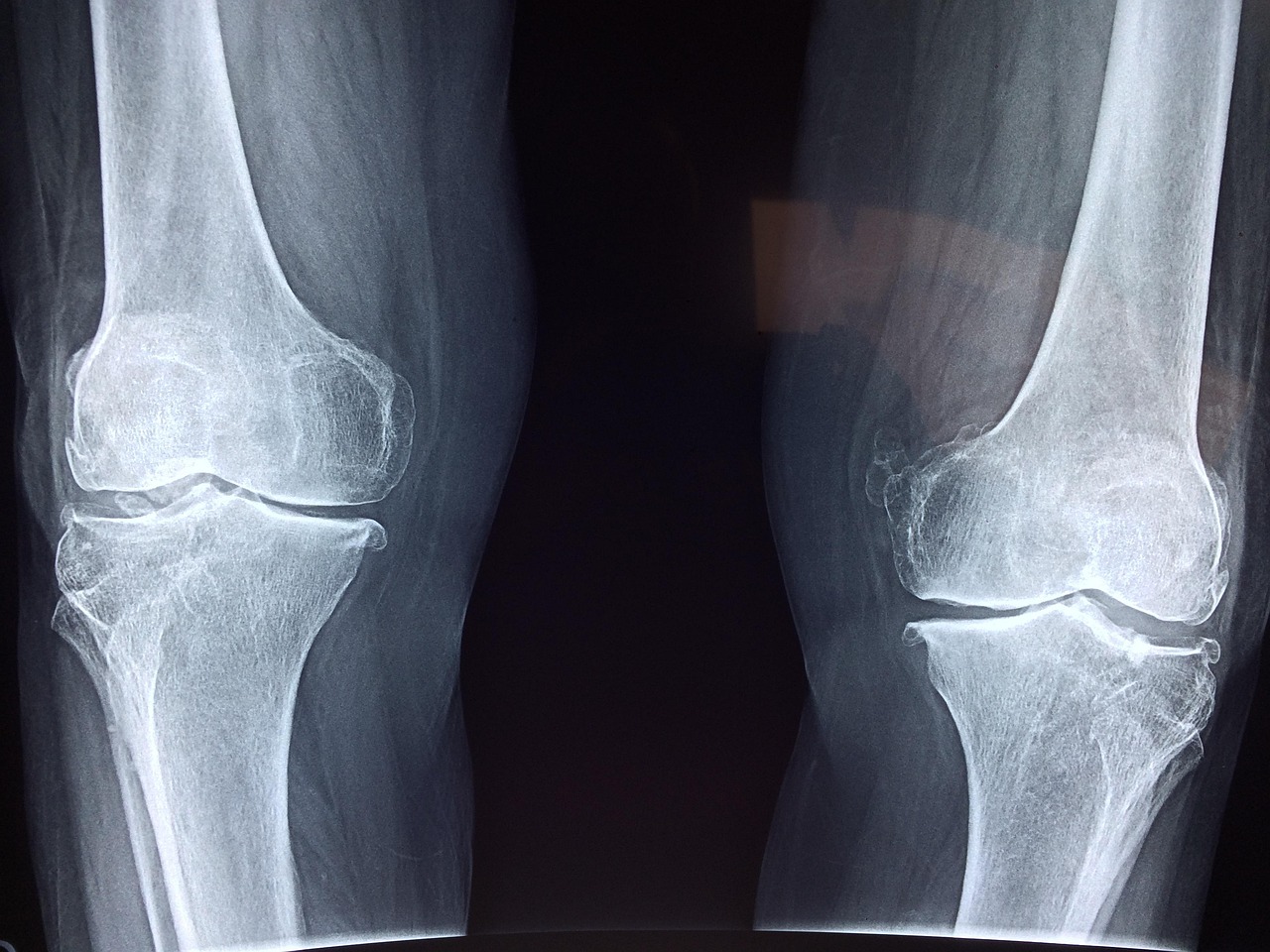
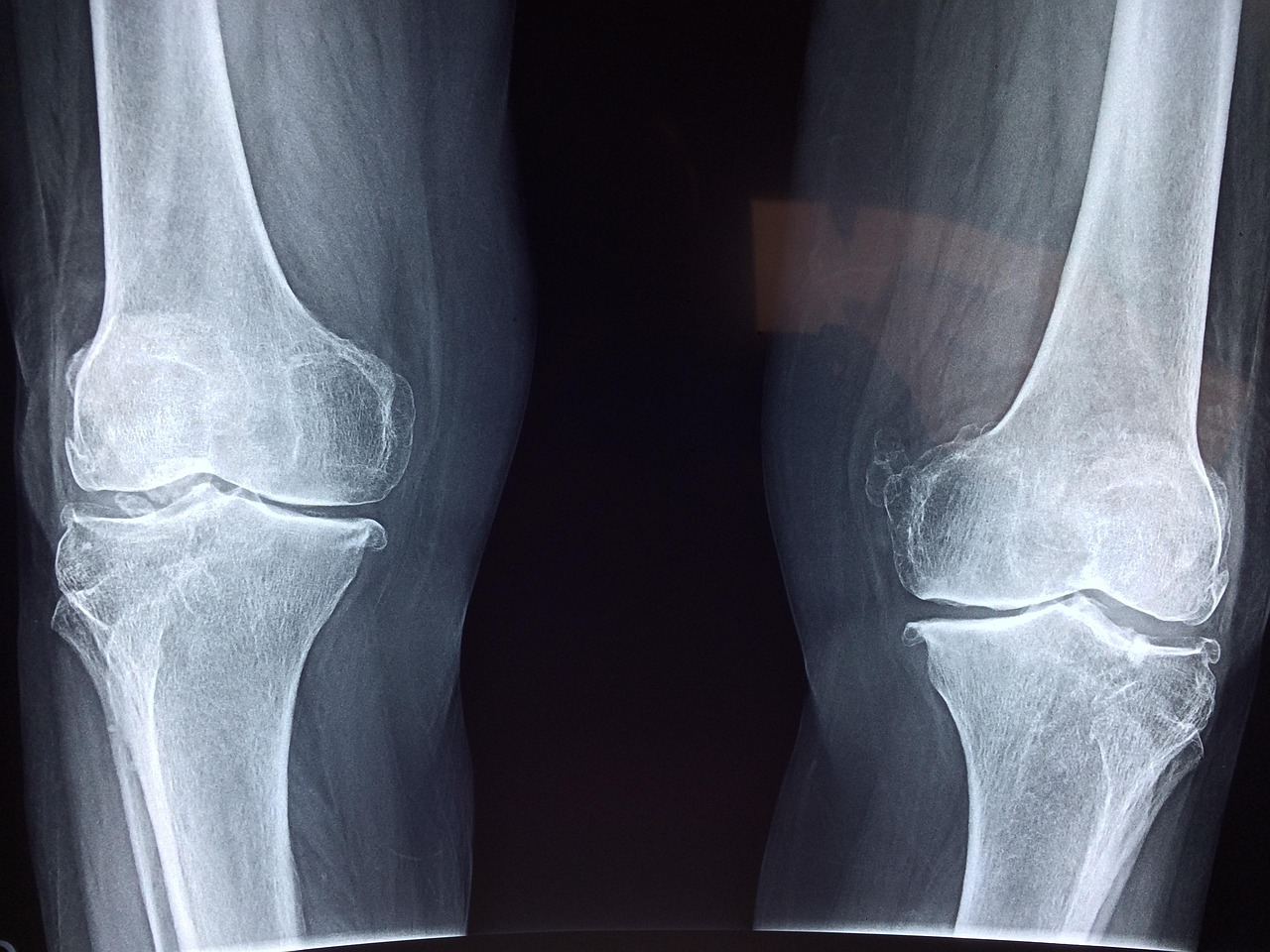
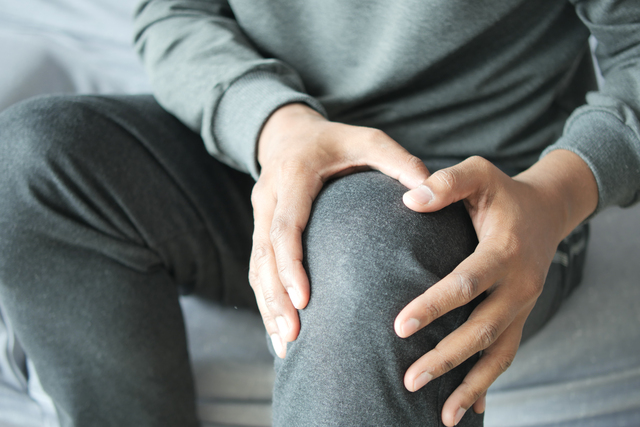
Cartilage does not have its own blood supply. It stays healthy through movement and load. When a joint starts moving less because it hurts, the cartilage stops getting what it needs. The cushioning thins. Bone absorbs force it was not designed for. Inflammation follows.
The quad muscles weaken as pain makes the knee feel unreliable. Weaker quads mean more direct stress on the joint surface. More stress means faster breakdown. The cycle runs without obvious warning until daily life starts reorganizing itself around the knee.
How Walking Changes Without Anyone Deciding It Should
Step length gets shorter on the sore side. The body shifts weight to avoid loading the most painful part of the joint. Over weeks and months:
- The hip on the affected side starts rotating differently to protect the knee
- The opposite knee picks up extra load with every step
- The low back adjusts to the altered gait pattern
- Calf and glute muscles on the affected side weaken from reduced use
- Walking speed drops and stair confidence goes with it
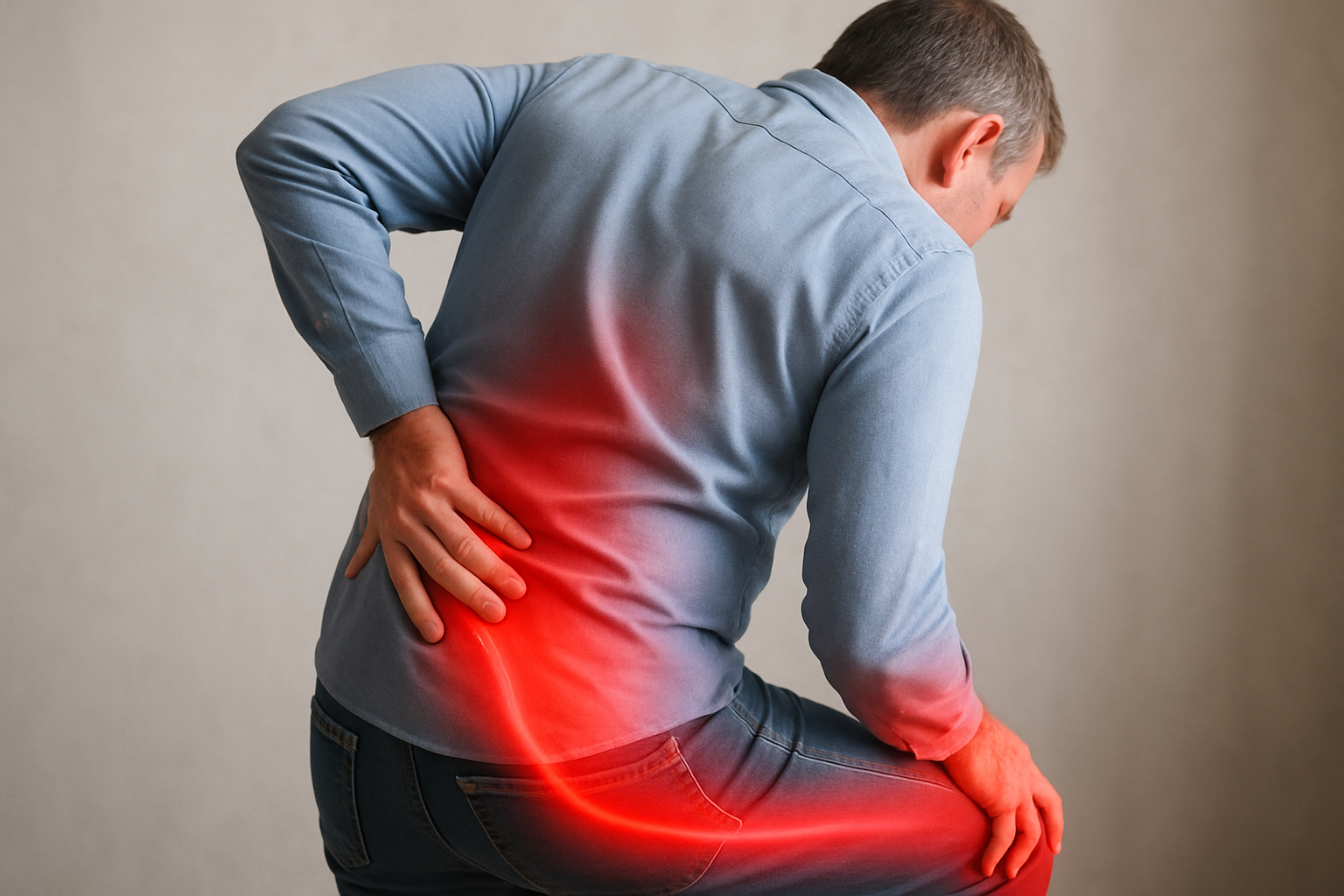
Most people coming in for knee arthritis are surprised to learn that the hip pain or back tightness they wrote off as a separate issue traces directly back to how the knee changed their walk.
What Treatment at Modern Medicine of Sun Lakes Involves
Rather than treating the joint in isolation, care addresses the full picture.
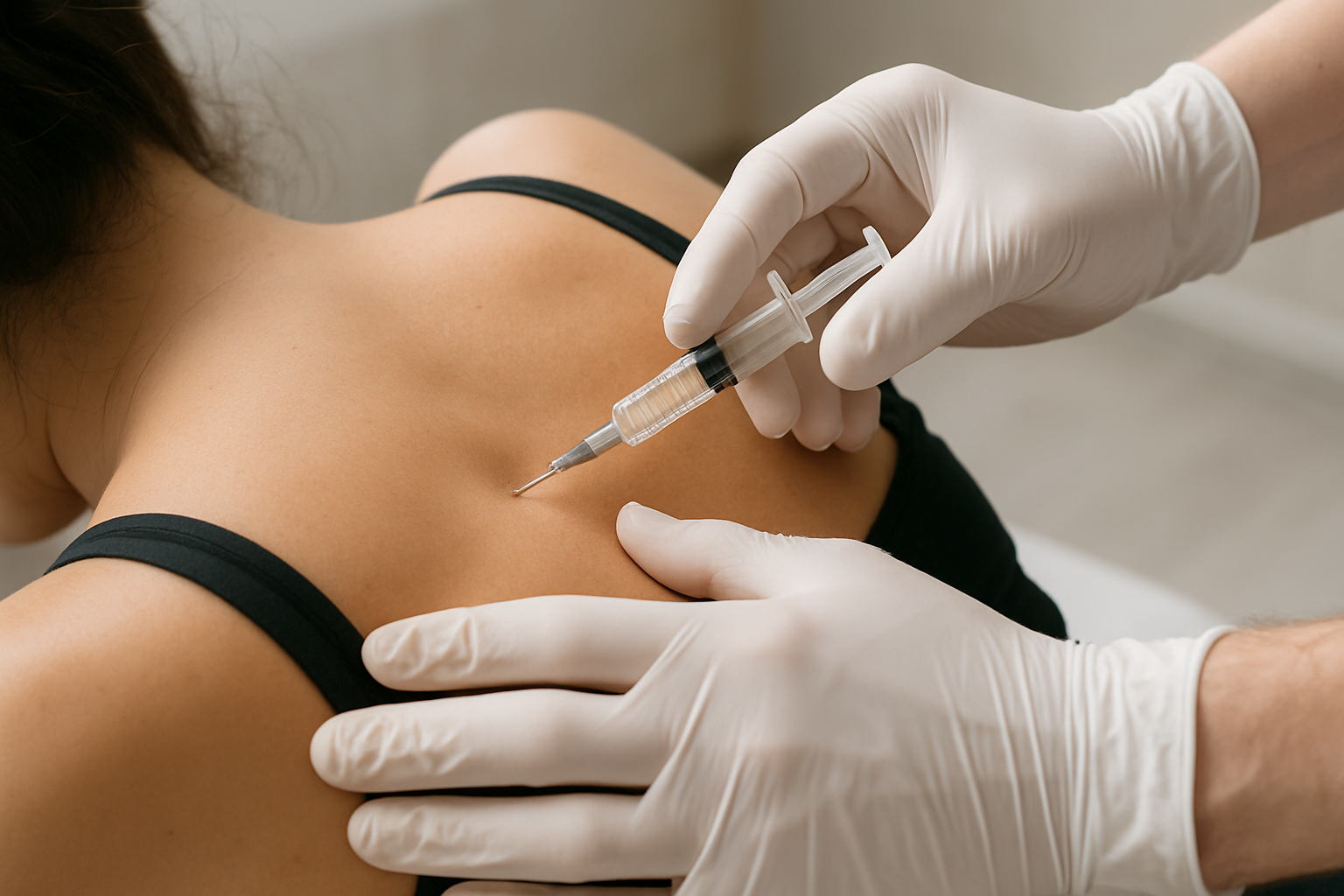
Injections play a role for many patients. When the joint is too inflamed to tolerate exercise, a corticosteroid injection reduces that barrier directly. When movement has become rough and grinding from cartilage loss, hyaluronic acid restores some of the lubrication the joint is missing. PRP is an option for patients where tissue repair is the priority.
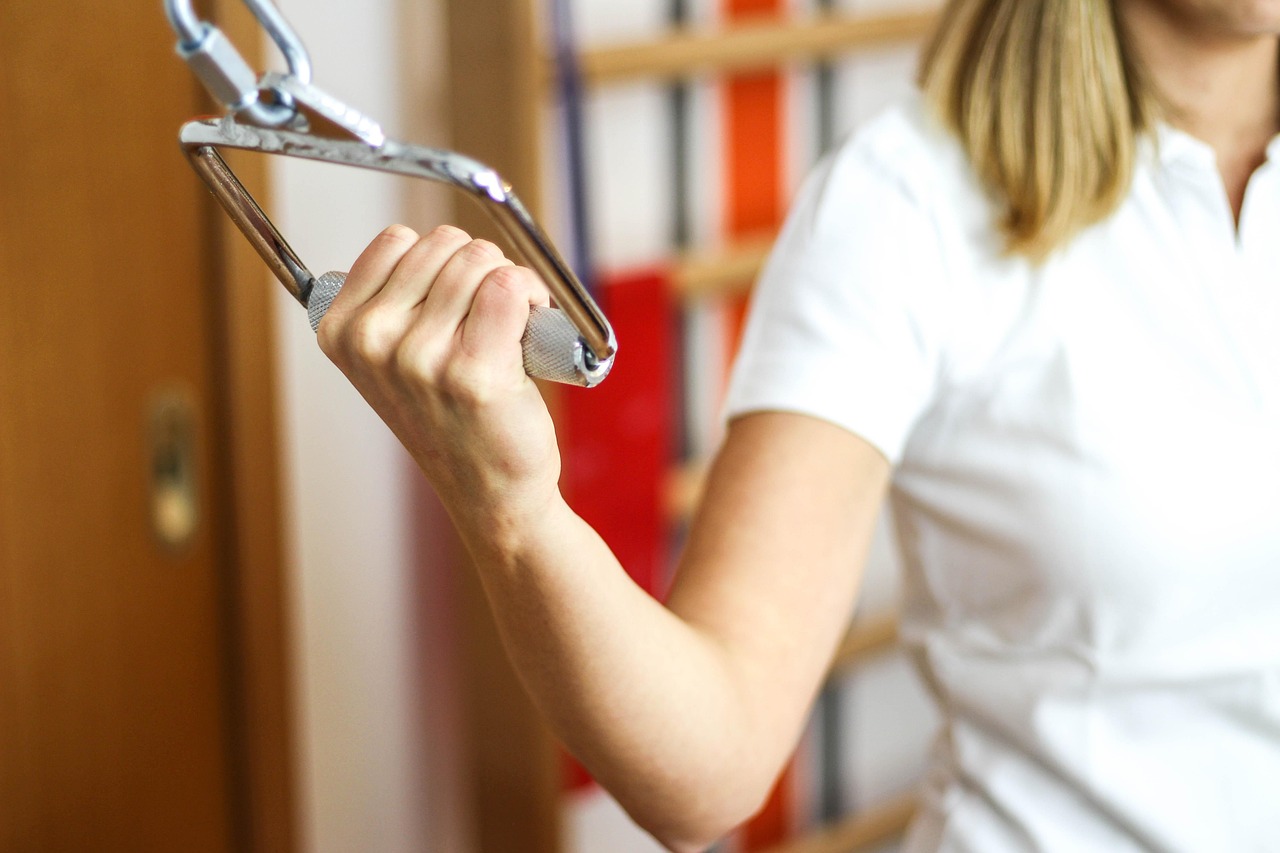
Physical therapy targets the specific muscle groups that matter most:
- Quad strengthening to take direct load off the joint surface
- Glute and hip abductors work to control knee alignment during walking and stair climbing
- Calf strengthening to restore push-off mechanics that arthritis disrupts
- Balance and proprioception work to retrain how the knee senses and responds to load
Gait retraining runs alongside the strength work. Building muscle without correcting the movement pattern that developed around the pain produces incomplete results.
What Changes Day to Day
Small, consistent habits between appointments matter.
Getting up from a seated position every forty minutes keeps the joints from stiffening during long work days or drives. Low chairs and deep couches force the knee into a loading position it struggles with. Swapping them out or adding a firm cushion reduces that demand.
Footwear with proper shock absorption and fit changes how force travels through the joint on every step. It sounds minor. Over the course of a full day, it is not.
Weight reduction lowers knee load significantly. Roughly four pounds of force through the joint for every pound lost during walking. Even modest changes produce noticeable results in daily pain.
Feel Better With Help From Orthopedic Treatments
The compensation patterns that develop around knee arthritis get more entrenched over time. Muscle weakness gets harder to reverse. The gait changes become the new normal.
If knee pain has been affecting walking or daily activity, contact Modern Medicine of Sun Lakes, AZ, to schedule an orthopedic assessment and feel better sooner.