 How Sciatica Often Starts
Sciatica can start after a lift, a twist, or a week of long sitting. It can also start after you return to walking or workouts too quickly. Some people notice it after yard work or a long travel day. The nerve gets irritated, then your body starts protecting the area. You shift your weight, you avoid bending, and you move stiffly. That protection can keep symptoms going.
What A PT Session Is Like
Your first visit starts with your routine. Your therapist asks what makes symptoms worse and what helps, even a little. They ask how far the pain travels and what it feels like. Then they watch how you move. They may have you bend, straighten, and repeat a few motions to see what changes the leg symptoms. They also check hip motion and core strength. Many sessions include hands-on work when it helps, then guided exercise. You leave with a short home plan and clear rules for the next few days.
What PT Tries To Change And Why
Sciatica often improves when you calm the nerve and reduce the load that keeps it irritated. PT focuses on movement that eases symptoms, then builds support so your back does not take the full hit all day. Your therapist also helps you stop the little habits that flare nerve pain, like long sitting without breaks or lifting with a rounded back.
Exercises You Might Do In Our Clinic
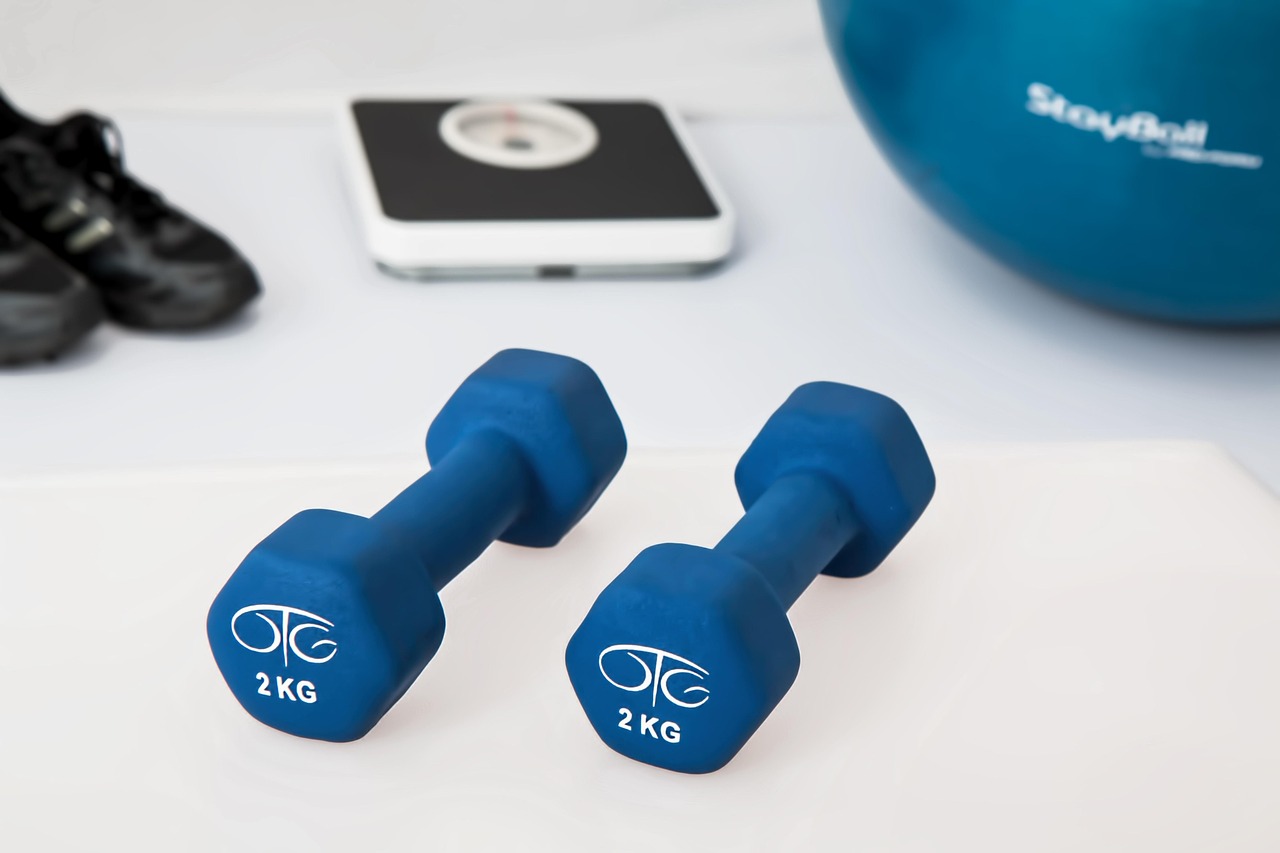
Your program depends on what your symptoms do during testing. Some people improve with gentle back extension. Others need a different direction. Your therapist keeps the list short so you can repeat it at home.
- Press-ups or standing back bends when those reduce leg pain
- Gentle nerve glide drills that stay below sharp pain
- Bridges and hip hinges to build support for lifting tasks
- Side steps or clamshells for hip control during walking
- Core bracing drills that train support without breath holding
- Short walking intervals to reduce stiffness and calm symptoms
When Many People Start Feeling Relief
Some people notice a small change in the first one to two weeks. Sitting feels less sharp. The pain does not travel as far down the leg. Mornings feel less rough. Strength and endurance take longer. Many people see clearer progress by weeks four to six when they stay consistent with the home plan and keep sessions regular. One question people ask is, “Is leg tingling always a bad sign?” No, it can be part of nerve irritation, and the pattern matters more than the label.
Get The Relief From Sciatica You Need
If sciatica is limiting sitting, walking, or sleeping, schedule an evaluation. Reach out to Modern Physical Therapy & Sports Medicine of Sun Lakes, AZ, to make an appointment. We will help you calm nerve pain, move more easily, and get back to normal routines.