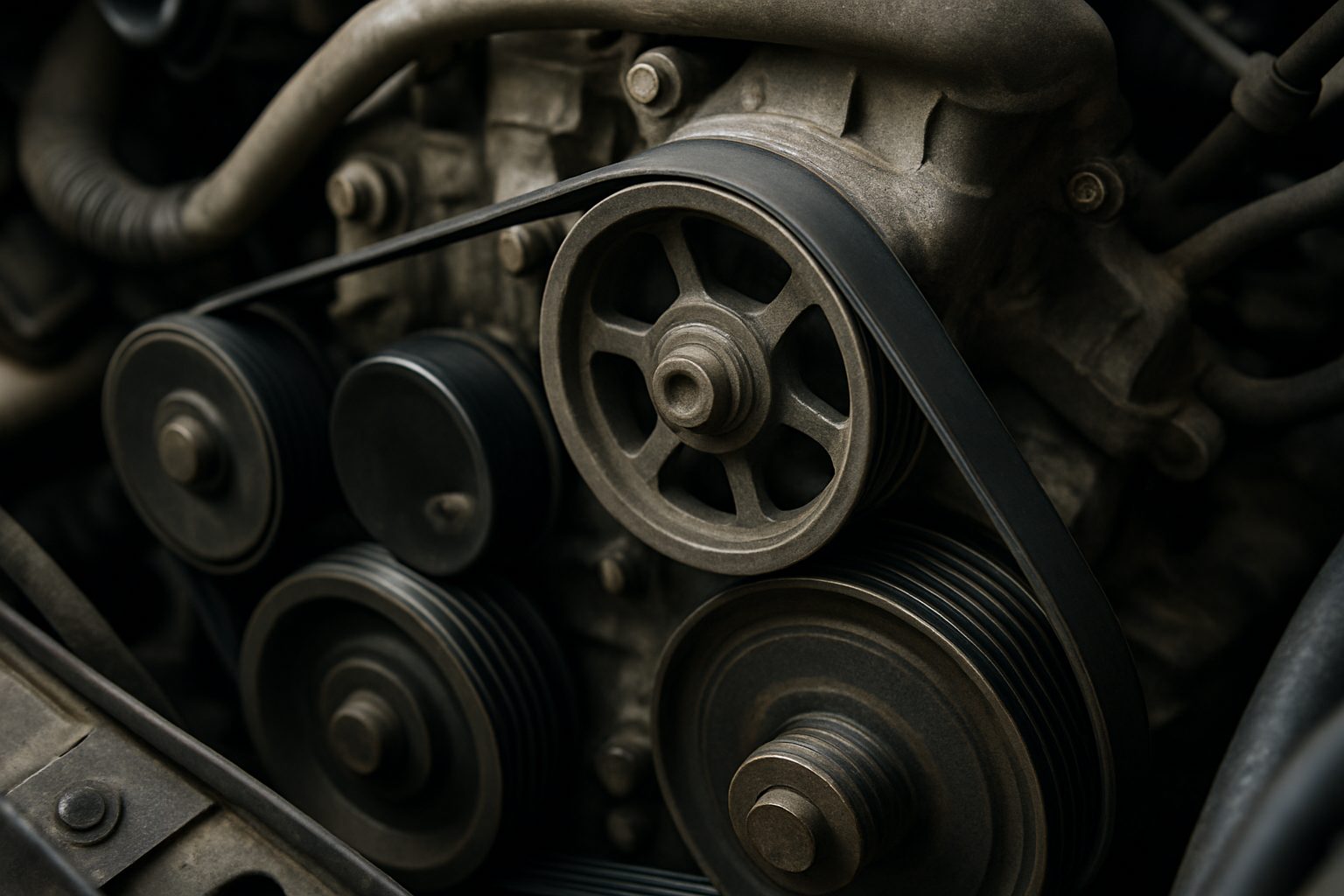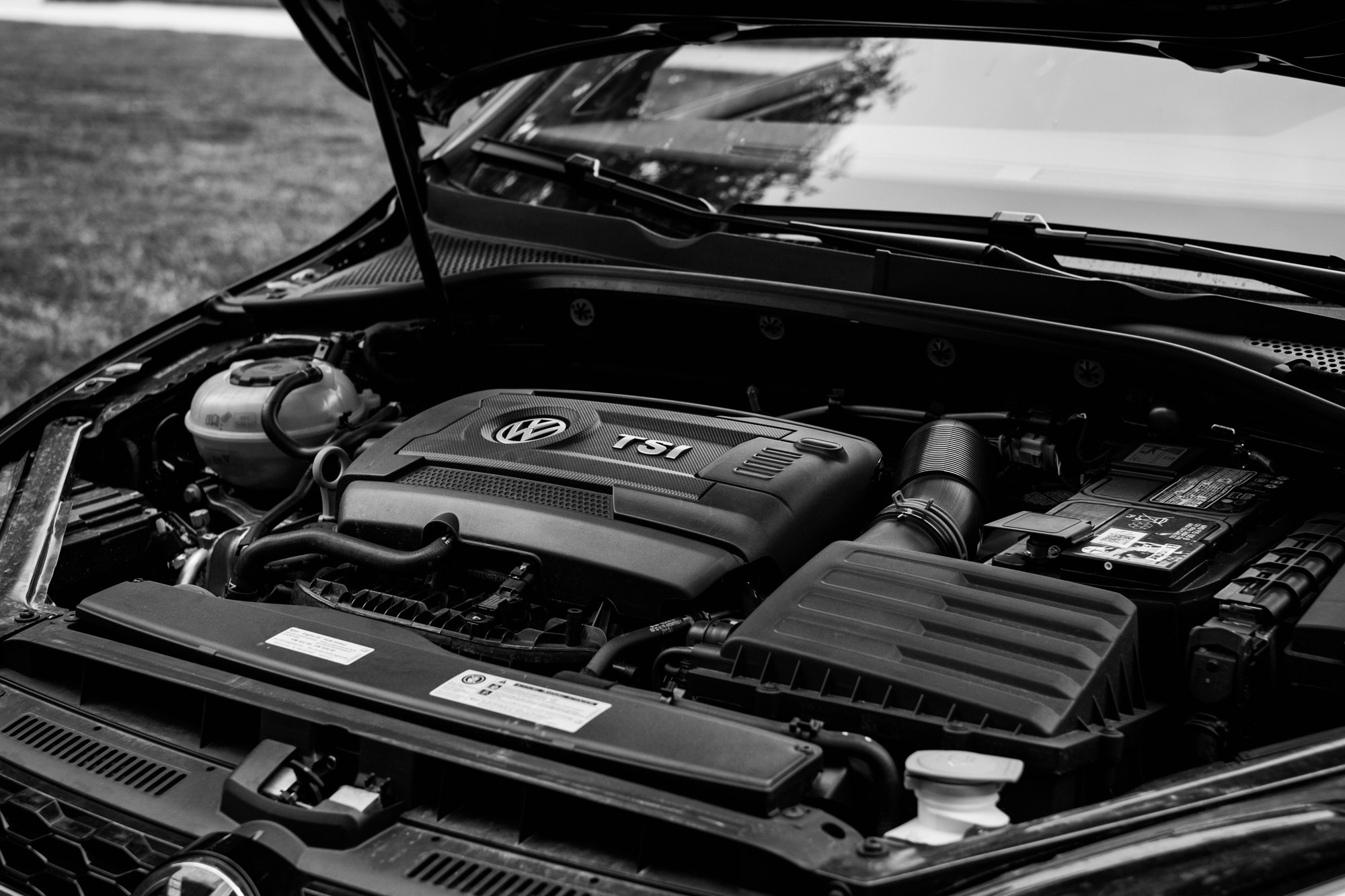
An overheating 2018 Toyota Camry needs attention before another trip. Rising temperature readings, steam, or the warning "Engine Coolant Temp High" may indicate a cooling-system problem. Repeated overheating is not a normal consequence of the car's age. It usually means the cause has not been identified or corrected.
At Driven Auto Care of Fremont, CA, we help Sunol drivers diagnose overheating at our Fremont shop. We inspect the complete cooling system before recommending a water pump, thermostat, radiator, or larger engine repair.
Falling Coolant Levels May Reveal a Leak
Engine coolant carries heat away from the engine. When coolant escapes through a hose, radiator, reservoir connection, or water-pump seal, the remaining system may struggle to regulate temperature.
Toyota's 2018 Camry owner's manual advises checking the cold coolant reservoir against its "F" and "L" marks. If the level falls soon after replenishment, Toyota recommends checking the radiator, hoses, caps, drain cock, and water pump.
We pressure-test the system and inspect for fresh leakage. Repeatedly topping off the reservoir without finding the source is not a repair.
Overheating in Traffic May Point to Cooling Fans
Does the temperature rise while sitting in traffic but improve on the freeway? The radiator may not receive enough airflow at low speeds. An electric fan problem, damaged wiring, or a control fault may be responsible.
We verify fan operation and inspect the radiator for airflow restrictions. However, a fan running normally does not rule out a thermostat, circulation, or coolant-level problem.
An air conditioner blowing warmer air while stopped may provide another clue about condenser airflow, although it does not prove a fan failure.
A Sticking Thermostat Can Restrict Circulation
The thermostat regulates coolant flow as the engine warms. If it fails to open properly, heat may remain trapped in the engine even when the reservoir contains coolant.
A weak water pump may also reduce circulation. These failures require different repairs, so we examine operating temperatures, coolant flow, and related symptoms rather than automatically replacing both components.
Recent Repairs May Leave Air in the System
If overheating began after coolant service or a hose replacement, trapped air deserves investigation. Air pockets may disrupt circulation or produce inconsistent temperature readings.
We check coolant level, system filling procedures, and whether the engine holds a stable temperature after service. Adding coolant without addressing trapped air or a leak may allow the complaint to return.
Persistent Overheating May Indicate Engine Damage
Repeated high temperatures may damage gaskets or other engine components. Warning signs include unexplained coolant loss, white exhaust vapor after warm-up, or contamination between coolant and oil. These symptoms require testing, not an automatic head-gasket replacement.
We may evaluate the cooling system pressure and perform additional engine checks when basic repairs do not explain the overheating. Gasoline and hybrid Camry configurations also require procedures suited to their individual cooling systems.
Stop Driving When the Temperature Warning Appears
Toyota advises drivers to stop safely, switch off the air conditioning, and shut down the engine when the engine overheats. Never open a hot radiator cap; pressurized coolant can cause severe burns. If steam appears or the temperature remains high, arrange a tow rather than risk further damage.
Schedule Camry Cooling-System Repair Near Sunol
Our Fremont location offers coolant leak repair, radiator and thermostat replacement, water pump replacement, and cooling system service for drivers in Sunol and the surrounding East Bay.
If your 2018 Toyota Camry keeps overheating, schedule an inspection. We will locate the fault, explain our findings, and recommend repairs, supported by testing, so the same warning does not keep recurring.