 The permit line in Pleasanton was already wrapped halfway to the entrance when a woman stepped out to find the public restroom. She walked past two signs, turned the wrong direction, ended up behind a secured door, and finally returned flustered and silent. No one in the building saw the issue as a signage problem, but everyone felt the effects. The line moved slower, the front desk got distracted, and the visitor left feeling less confident in a system meant to serve her. At Elevate Sign Studio in San Ramon, we build custom wayfinding signs for government buildings that stop moments like these before they begin, because once someone feels lost, their trust is harder to earn back.
The Wrong Signs Create Questions That Never Had to Be Asked
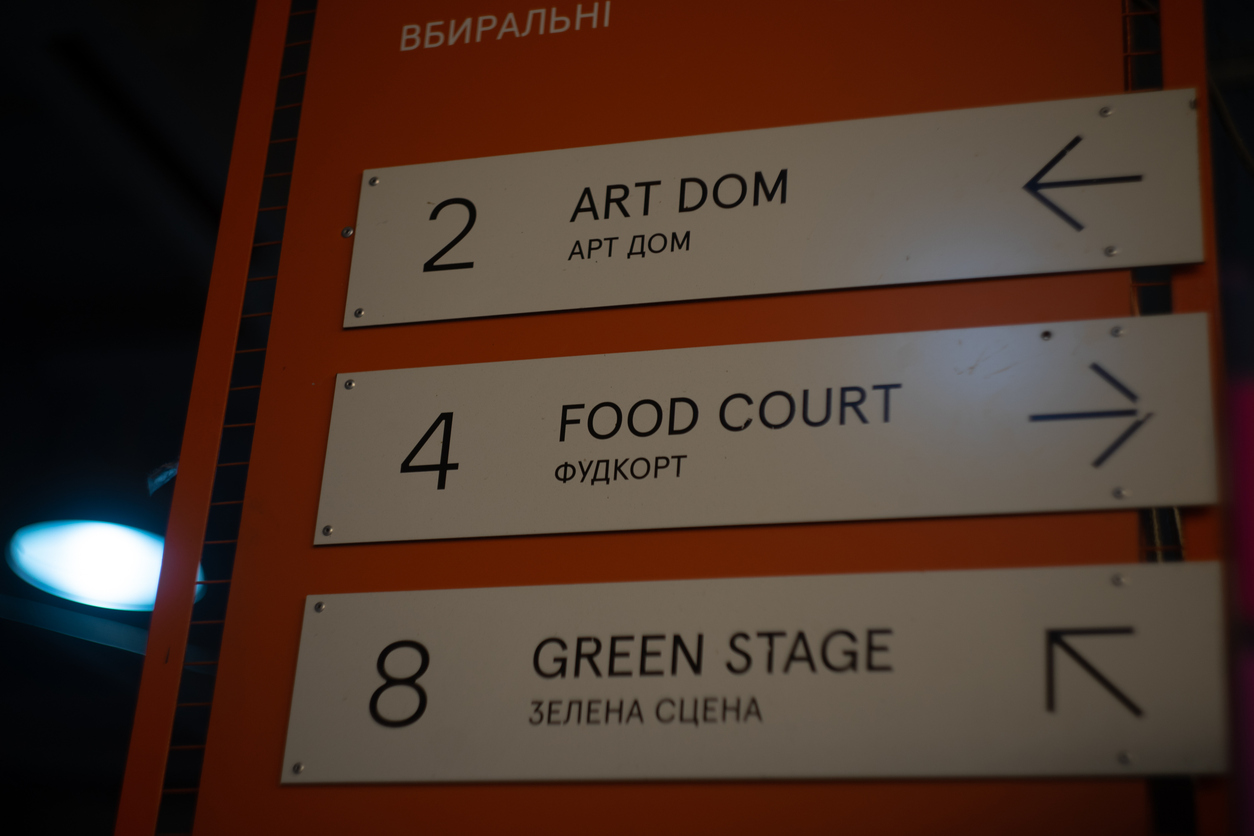
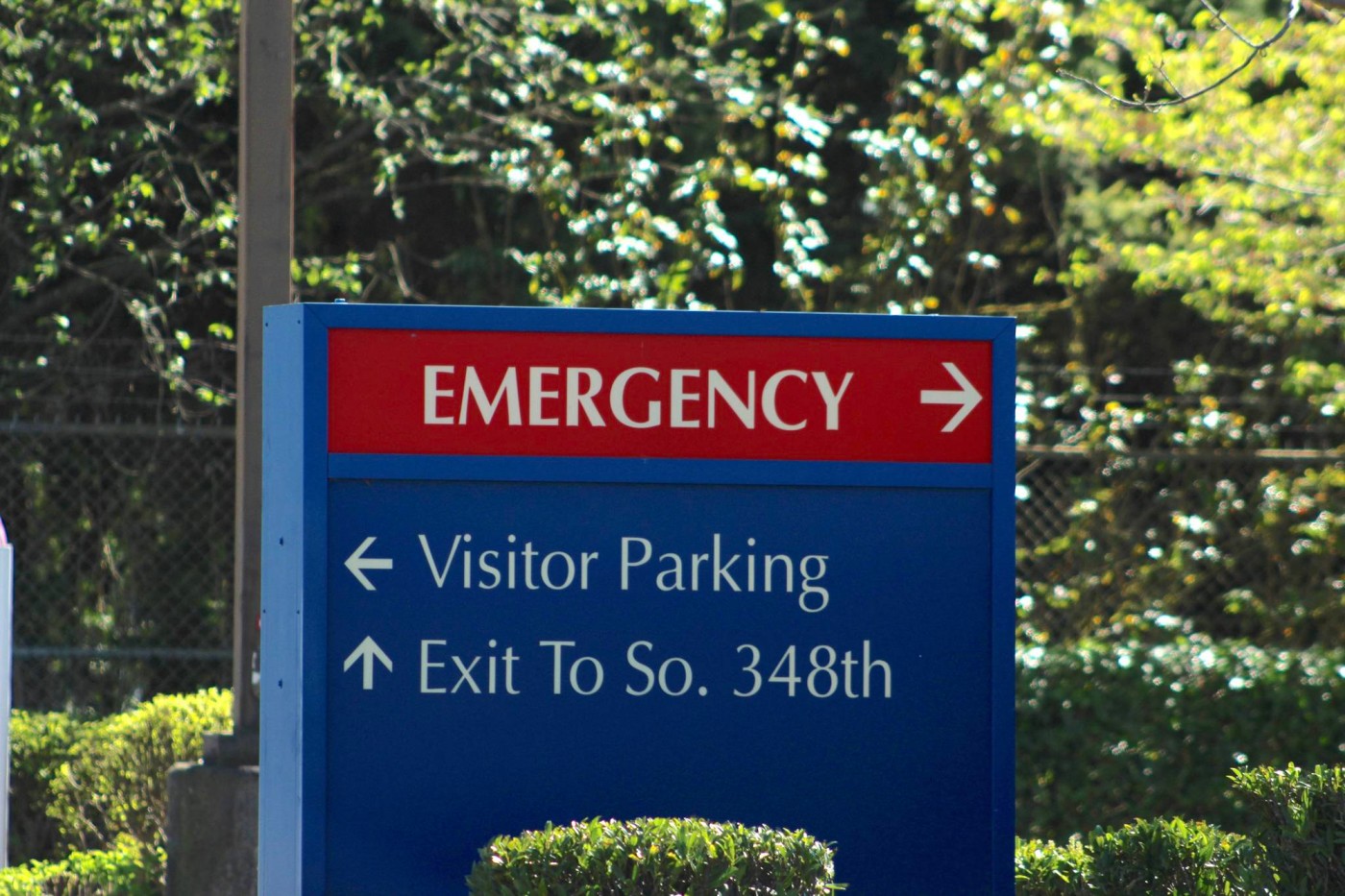
Every question a staff member answers that a wall should have handled is time lost, not time spent. We have walked through Pleasanton government buildings where six different hallway signs used three different font styles and zero consistent logic. Arrows pointed left from one room and right from another, leading visitors in circles around a poorly labeled clerk’s desk. People do not want to feel dumb or frustrated when visiting city offices; they want clear answers in unfamiliar places. Our job is to eliminate the hesitation by building signs that answer the question before it even forms, and we do that by studying real flow, not idealized floor plans.
Visitors Bring Stress With Them, So Confusion Hits Harder
Government buildings are rarely filled with people at ease. Most visitors arrive tired, anxious, or overwhelmed: either navigating bureaucracy, managing paperwork, or reacting to something unexpected. That baseline stress amplifies every small problem. A mislabeled door or a missing placard does not just slow them down; it makes them feel ignored, unimportant, or unwelcome. We design Pleasanton’s civic wayfinding systems with this emotional layer in mind, because a calm experience often starts with clarity. If someone can find the service counter without asking twice, they are far more likely to treat the process and the staff with patience.
ADA Compliance Isn’t a Box You Check; It’s a Standard You Uphold
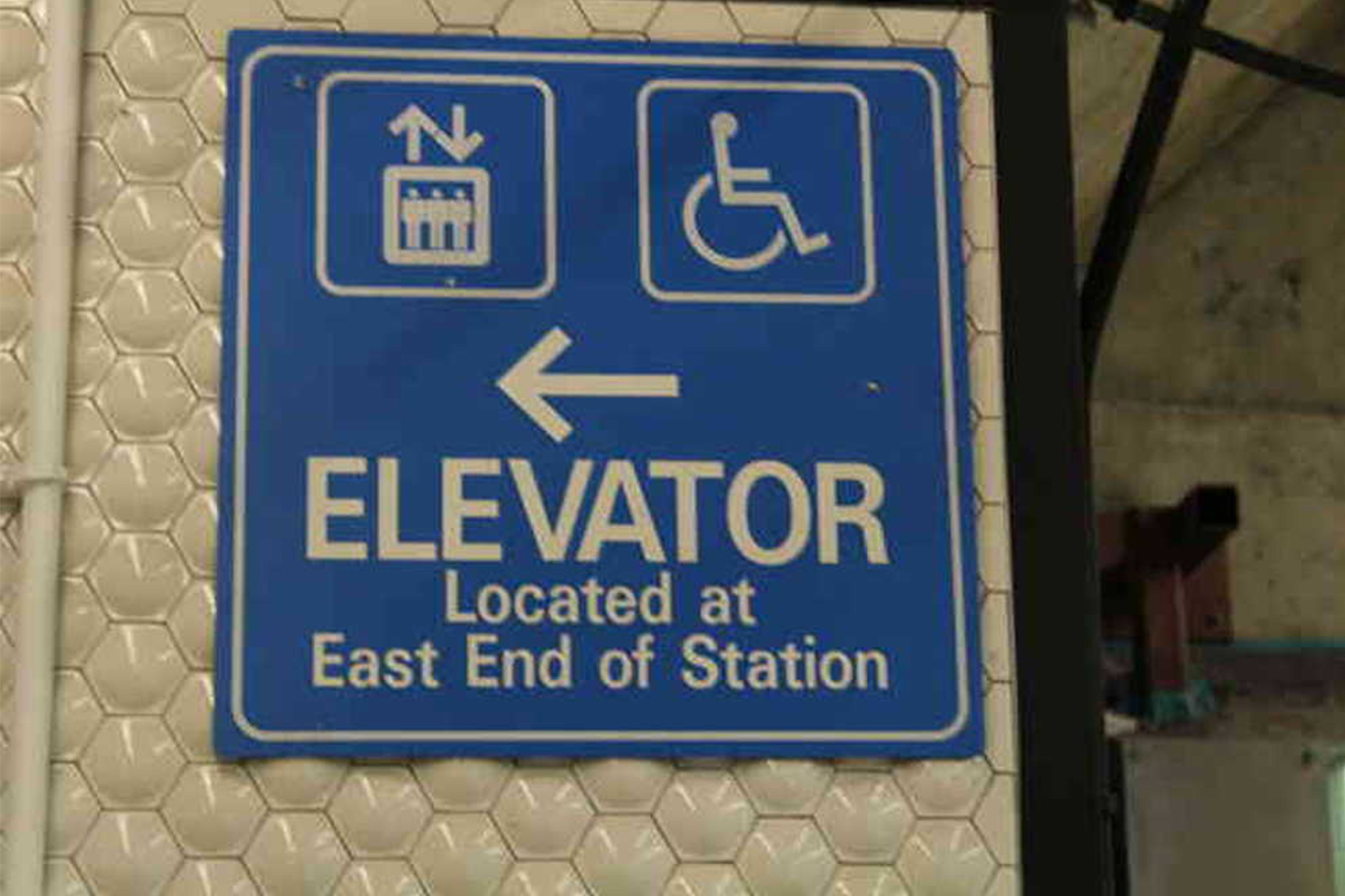
Many city buildings check the compliance box in theory but fall short in practice. Signs are mounted too high, contrast is poor under hallway lighting, or Braille is installed where no one can reach it. We have reviewed Pleasanton spaces where visual signage passed review but still failed for users in wheelchairs or with low vision. That is not just risky; it is avoidable. Our ADA signage includes proper spacing, non-glare materials, and location-appropriate mounting that stands up to cleaning, traffic, and time. The standard is not what passes an inspection; it is what actually works when the building is full and no one is there to help.
Static Signs Cannot Keep Up With Civic Growth or Department Shifts
Government buildings are constantly in motion. Departments move floors, services split or combine, names change, and responsibilities shift between desks. A fixed sign with a printed insert is obsolete the moment operations change, and we have seen the results firsthand. Handwritten arrows taped to glass, whiteboard instructions behind counters, or laminated sheets on easels become the stopgap solution that tells citizens your systems cannot keep up. In Pleasanton, we install modular signage that adapts with change: slide-in room panels, replaceable inserts, and digital overlays that keep departments nimble without compromising professionalism.
Confused Visitors Drain Resources From Everyone Else
When a visitor gets lost in a government building, it does not just affect them; it slows down every person behind them and pulls staff off-task to reset the experience. That ripple effect is real. A misread arrow can delay a morning line by ten minutes. An unlabeled entrance can push someone into a secure area, triggering unnecessary security checks. Poor signage is not just an inconvenience; it is an operational liability. We walk through Pleasanton government spaces with one mindset: if a person with a question walks your floor without asking anyone for help, the signage worked. If not, we fix the system.
A Clear System Builds Public Trust Before a Word Is Spoken
People arrive in government buildings with questions. The signage should never add to them. When wayfinding is precise, consistent, and intuitive, it becomes invisible in the best way possible: it lets the building speak for itself. At Elevate Sign Studio, based in San Ramon, we help Pleasanton institutions replace outdated, mismatched, or unclear signage with systems that move people faster, calm them sooner, and support your team without saying a word. Call us at (925) 413-7127 and let us walk your building the way a citizen would: curious, uncertain, and hoping someone cared enough to get it right.
The permit line in Pleasanton was already wrapped halfway to the entrance when a woman stepped out to find the public restroom. She walked past two signs, turned the wrong direction, ended up behind a secured door, and finally returned flustered and silent. No one in the building saw the issue as a signage problem, but everyone felt the effects. The line moved slower, the front desk got distracted, and the visitor left feeling less confident in a system meant to serve her. At Elevate Sign Studio in San Ramon, we build custom wayfinding signs for government buildings that stop moments like these before they begin, because once someone feels lost, their trust is harder to earn back.
The Wrong Signs Create Questions That Never Had to Be Asked
Every question a staff member answers that a wall should have handled is time lost, not time spent. We have walked through Pleasanton government buildings where six different hallway signs used three different font styles and zero consistent logic. Arrows pointed left from one room and right from another, leading visitors in circles around a poorly labeled clerk’s desk. People do not want to feel dumb or frustrated when visiting city offices; they want clear answers in unfamiliar places. Our job is to eliminate the hesitation by building signs that answer the question before it even forms, and we do that by studying real flow, not idealized floor plans.
Visitors Bring Stress With Them, So Confusion Hits Harder
Government buildings are rarely filled with people at ease. Most visitors arrive tired, anxious, or overwhelmed: either navigating bureaucracy, managing paperwork, or reacting to something unexpected. That baseline stress amplifies every small problem. A mislabeled door or a missing placard does not just slow them down; it makes them feel ignored, unimportant, or unwelcome. We design Pleasanton’s civic wayfinding systems with this emotional layer in mind, because a calm experience often starts with clarity. If someone can find the service counter without asking twice, they are far more likely to treat the process and the staff with patience.
ADA Compliance Isn’t a Box You Check; It’s a Standard You Uphold
Many city buildings check the compliance box in theory but fall short in practice. Signs are mounted too high, contrast is poor under hallway lighting, or Braille is installed where no one can reach it. We have reviewed Pleasanton spaces where visual signage passed review but still failed for users in wheelchairs or with low vision. That is not just risky; it is avoidable. Our ADA signage includes proper spacing, non-glare materials, and location-appropriate mounting that stands up to cleaning, traffic, and time. The standard is not what passes an inspection; it is what actually works when the building is full and no one is there to help.
Static Signs Cannot Keep Up With Civic Growth or Department Shifts
Government buildings are constantly in motion. Departments move floors, services split or combine, names change, and responsibilities shift between desks. A fixed sign with a printed insert is obsolete the moment operations change, and we have seen the results firsthand. Handwritten arrows taped to glass, whiteboard instructions behind counters, or laminated sheets on easels become the stopgap solution that tells citizens your systems cannot keep up. In Pleasanton, we install modular signage that adapts with change: slide-in room panels, replaceable inserts, and digital overlays that keep departments nimble without compromising professionalism.
Confused Visitors Drain Resources From Everyone Else
When a visitor gets lost in a government building, it does not just affect them; it slows down every person behind them and pulls staff off-task to reset the experience. That ripple effect is real. A misread arrow can delay a morning line by ten minutes. An unlabeled entrance can push someone into a secure area, triggering unnecessary security checks. Poor signage is not just an inconvenience; it is an operational liability. We walk through Pleasanton government spaces with one mindset: if a person with a question walks your floor without asking anyone for help, the signage worked. If not, we fix the system.
A Clear System Builds Public Trust Before a Word Is Spoken
People arrive in government buildings with questions. The signage should never add to them. When wayfinding is precise, consistent, and intuitive, it becomes invisible in the best way possible: it lets the building speak for itself. At Elevate Sign Studio, based in San Ramon, we help Pleasanton institutions replace outdated, mismatched, or unclear signage with systems that move people faster, calm them sooner, and support your team without saying a word. Call us at (925) 413-7127 and let us walk your building the way a citizen would: curious, uncertain, and hoping someone cared enough to get it right.
Pleasanton, CA - Importance of Custom Wayfinding Signs for Government Buildings
SYNOPSIS: Elevate Sign Studio, located in San Ramon, works with government facilities in Pleasanton to create clear, compliant, and user-friendly wayfinding systems that prevent confusion.
One Missed Sign Turns a Civic Building Into a Maze
BY: ,
The permit line in Pleasanton was already wrapped halfway to the entrance when a woman stepped out to find the public restroom. She walked past two signs, turned the wrong direction, ended up behind a secured door, and finally returned flustered and silent. No one in the building saw the issue as a signage problem, but everyone felt the effects. The line moved slower, the front desk got distracted, and the visitor left feeling less confident in a system meant to serve her. At Elevate Sign Studio in San Ramon, we build custom wayfinding signs for government buildings that stop moments like these before they begin, because once someone feels lost, their trust is harder to earn back.
The Wrong Signs Create Questions That Never Had to Be Asked
Every question a staff member answers that a wall should have handled is time lost, not time spent. We have walked through Pleasanton government buildings where six different hallway signs used three different font styles and zero consistent logic. Arrows pointed left from one room and right from another, leading visitors in circles around a poorly labeled clerk’s desk. People do not want to feel dumb or frustrated when visiting city offices; they want clear answers in unfamiliar places. Our job is to eliminate the hesitation by building signs that answer the question before it even forms, and we do that by studying real flow, not idealized floor plans.
Visitors Bring Stress With Them, So Confusion Hits Harder
Government buildings are rarely filled with people at ease. Most visitors arrive tired, anxious, or overwhelmed: either navigating bureaucracy, managing paperwork, or reacting to something unexpected. That baseline stress amplifies every small problem. A mislabeled door or a missing placard does not just slow them down; it makes them feel ignored, unimportant, or unwelcome. We design Pleasanton’s civic wayfinding systems with this emotional layer in mind, because a calm experience often starts with clarity. If someone can find the service counter without asking twice, they are far more likely to treat the process and the staff with patience.
ADA Compliance Isn’t a Box You Check; It’s a Standard You Uphold
Many city buildings check the compliance box in theory but fall short in practice. Signs are mounted too high, contrast is poor under hallway lighting, or Braille is installed where no one can reach it. We have reviewed Pleasanton spaces where visual signage passed review but still failed for users in wheelchairs or with low vision. That is not just risky; it is avoidable. Our ADA signage includes proper spacing, non-glare materials, and location-appropriate mounting that stands up to cleaning, traffic, and time. The standard is not what passes an inspection; it is what actually works when the building is full and no one is there to help.
Static Signs Cannot Keep Up With Civic Growth or Department Shifts
Government buildings are constantly in motion. Departments move floors, services split or combine, names change, and responsibilities shift between desks. A fixed sign with a printed insert is obsolete the moment operations change, and we have seen the results firsthand. Handwritten arrows taped to glass, whiteboard instructions behind counters, or laminated sheets on easels become the stopgap solution that tells citizens your systems cannot keep up. In Pleasanton, we install modular signage that adapts with change: slide-in room panels, replaceable inserts, and digital overlays that keep departments nimble without compromising professionalism.
Confused Visitors Drain Resources From Everyone Else
When a visitor gets lost in a government building, it does not just affect them; it slows down every person behind them and pulls staff off-task to reset the experience. That ripple effect is real. A misread arrow can delay a morning line by ten minutes. An unlabeled entrance can push someone into a secure area, triggering unnecessary security checks. Poor signage is not just an inconvenience; it is an operational liability. We walk through Pleasanton government spaces with one mindset: if a person with a question walks your floor without asking anyone for help, the signage worked. If not, we fix the system.
A Clear System Builds Public Trust Before a Word Is Spoken
People arrive in government buildings with questions. The signage should never add to them. When wayfinding is precise, consistent, and intuitive, it becomes invisible in the best way possible: it lets the building speak for itself. At Elevate Sign Studio, based in San Ramon, we help Pleasanton institutions replace outdated, mismatched, or unclear signage with systems that move people faster, calm them sooner, and support your team without saying a word. Call us at (925) 413-7127 and let us walk your building the way a citizen would: curious, uncertain, and hoping someone cared enough to get it right.