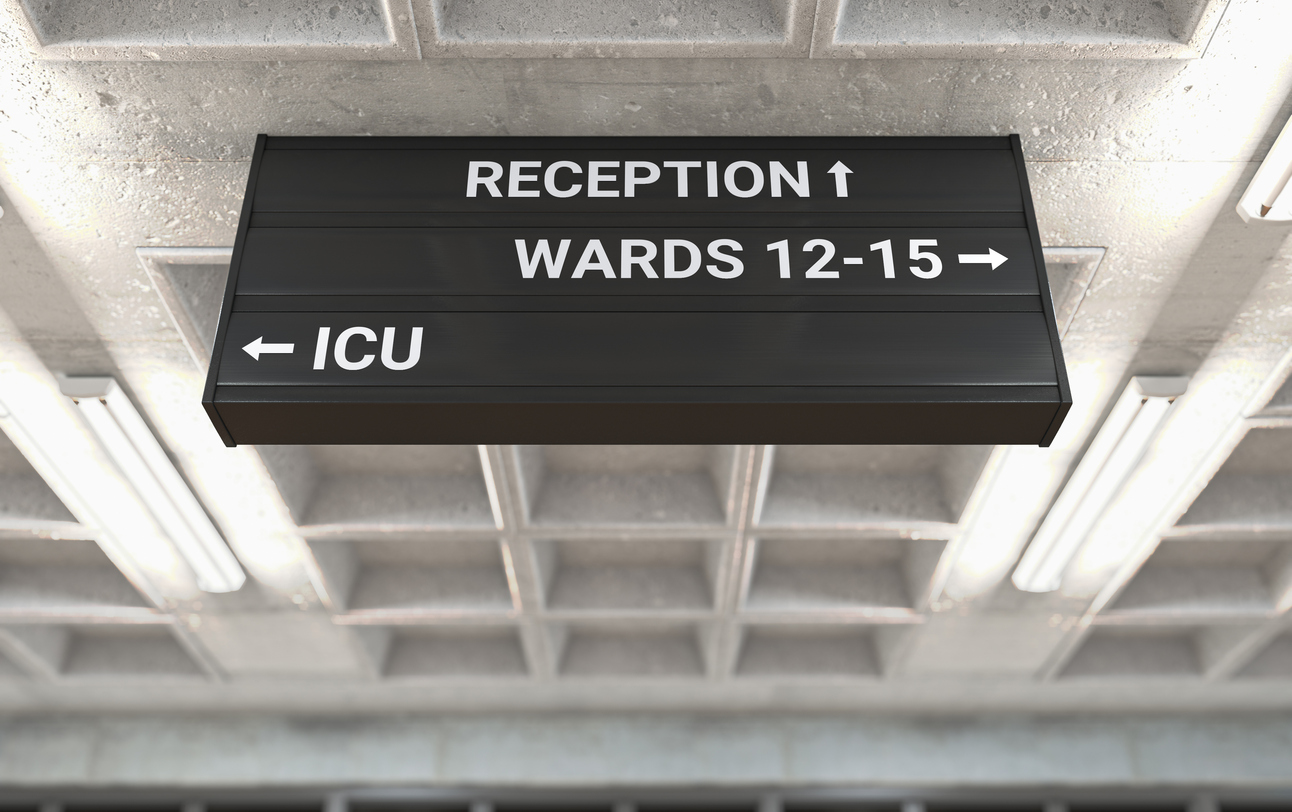
 Most patients decide whether to trust your medical practice long before a receptionist greets them. That decision does not come from brochures, polished copy, or warm lighting; it comes from small visual cues that build or break confidence. Your lobby sign is one of the first things they see, and it silently sets the tone for everything that follows. If the sign feels neglected, crooked, or mismatched, patients will not consciously mention it, but they will feel it, and they will start to wonder what else is being overlooked. At Elevate Sign Studio, we have worked with enough clinics in San Ramon to know: patients do not forget first impressions, and signs are often the test they did not know they were taking.
The Sign Is the First Test of Trust
A medical environment demands more than clinical care; it demands emotional credibility the moment someone steps inside. Lobby signs are not decorations: they are trust signals. Whether the lettering is clean and level, the lighting is even, or the material feels substantial, patients are picking up on details at the subconscious level. A flimsy panel that has yellowed from cleaning solution or is mounted slightly askew does not just look off; it undermines your authority before the first vitals are even taken. In healthcare, trust starts with what patients see when they look around, not what they hear after sitting down.
Prefab Signs Fail Where Precision Is Required
Off-the-shelf signs from online retailers or general printers might work in retail settings, but they fail under the scrutiny of healthcare environments. We have replaced signs that warped within months, yellowed under fluorescent lighting, or cracked after routine cleanings with standard medical disinfectants. These are not isolated cases; they are predictable outcomes from using materials that were not selected for medical-grade conditions. At Elevate Sign Studio, we select materials based on durability, finish stability, cleaning tolerance, and brand coherence, because every component of your sign must stand up to both time and scrutiny. Cutting corners on signage often leads to damage control later, and patients will feel that lack of care, even if they never say it aloud.
Good Signs Stay Silent While Speaking Volumes
The best lobby signs do their job without being flashy or obtrusive. They align with your practice’s brand without demanding attention; they feel professional without looking cold; they integrate seamlessly into the space without competing with your intake flow. When a sign is properly scaled, correctly installed, and built with the right surface finish, it becomes invisible in the best possible way: it reassures without interrupting. When something is wrong, though, people notice immediately. That is why we never guess about spacing, finishes, or mounting; we walk the space, take detailed measurements, and design signs that fit both the eye and the room.
Local Signage Design Matters in San Ramon
Designing lobby signs for medical offices in San Ramon means understanding not just design principles, but how they show up in local buildings. Materials behave differently depending on the light exposure, HVAC intensity, and wall surface texture: things a national supplier will never see. We have walked the hallways of San Ramon medical buildings and understand how the lighting hits signage throughout the day, how foot traffic flows from reception to exam rooms, and how subtle variations in layout affect visibility and balance. That level of local awareness changes the quality of the finished product because it is built to function in your actual space, not an imagined one. It is also what separates rushed signage from reliable patient-facing design.
Emotional Design Is Clinical Design
Patients bring vulnerability into your office: whether physical pain, emotional stress, or fear of the unknown. Your signage does not just need to be clean and functional; it needs to feel grounded, reassuring, and unshakeable. A sharp edge on a font, an off-brand color, or an uneven surface finish can subtly erode that feeling of safety. We have seen firsthand how even minor misalignments can change a patient's body language, from open engagement to subtle withdrawal. If your sign does not feel confident, patients will not either, and that undermines everything from treatment buy-in to retention. In a medical setting, emotional design is not optional: it is clinical best practice.
You Cannot Rebuild First Impressions
If your lobby sign is not supporting trust, it is quietly subtracting from it every single day. Most clinics do not realize how much ground they are losing until they replace a failing sign and suddenly hear what patients have been thinking all along. You only get one walk-in, one glance, one second to prove you know what you are doing. Let us make sure you pass that test. Call Elevate Sign Studio in San Ramon at (925) 413-7127 and let us build the first thing your patients will learn to trust.
Most patients decide whether to trust your medical practice long before a receptionist greets them. That decision does not come from brochures, polished copy, or warm lighting; it comes from small visual cues that build or break confidence. Your lobby sign is one of the first things they see, and it silently sets the tone for everything that follows. If the sign feels neglected, crooked, or mismatched, patients will not consciously mention it, but they will feel it, and they will start to wonder what else is being overlooked. At Elevate Sign Studio, we have worked with enough clinics in San Ramon to know: patients do not forget first impressions, and signs are often the test they did not know they were taking.
The Sign Is the First Test of Trust
A medical environment demands more than clinical care; it demands emotional credibility the moment someone steps inside. Lobby signs are not decorations: they are trust signals. Whether the lettering is clean and level, the lighting is even, or the material feels substantial, patients are picking up on details at the subconscious level. A flimsy panel that has yellowed from cleaning solution or is mounted slightly askew does not just look off; it undermines your authority before the first vitals are even taken. In healthcare, trust starts with what patients see when they look around, not what they hear after sitting down.
Prefab Signs Fail Where Precision Is Required
Off-the-shelf signs from online retailers or general printers might work in retail settings, but they fail under the scrutiny of healthcare environments. We have replaced signs that warped within months, yellowed under fluorescent lighting, or cracked after routine cleanings with standard medical disinfectants. These are not isolated cases; they are predictable outcomes from using materials that were not selected for medical-grade conditions. At Elevate Sign Studio, we select materials based on durability, finish stability, cleaning tolerance, and brand coherence, because every component of your sign must stand up to both time and scrutiny. Cutting corners on signage often leads to damage control later, and patients will feel that lack of care, even if they never say it aloud.
Good Signs Stay Silent While Speaking Volumes
The best lobby signs do their job without being flashy or obtrusive. They align with your practice’s brand without demanding attention; they feel professional without looking cold; they integrate seamlessly into the space without competing with your intake flow. When a sign is properly scaled, correctly installed, and built with the right surface finish, it becomes invisible in the best possible way: it reassures without interrupting. When something is wrong, though, people notice immediately. That is why we never guess about spacing, finishes, or mounting; we walk the space, take detailed measurements, and design signs that fit both the eye and the room.
Local Signage Design Matters in San Ramon
Designing lobby signs for medical offices in San Ramon means understanding not just design principles, but how they show up in local buildings. Materials behave differently depending on the light exposure, HVAC intensity, and wall surface texture: things a national supplier will never see. We have walked the hallways of San Ramon medical buildings and understand how the lighting hits signage throughout the day, how foot traffic flows from reception to exam rooms, and how subtle variations in layout affect visibility and balance. That level of local awareness changes the quality of the finished product because it is built to function in your actual space, not an imagined one. It is also what separates rushed signage from reliable patient-facing design.
Emotional Design Is Clinical Design
Patients bring vulnerability into your office: whether physical pain, emotional stress, or fear of the unknown. Your signage does not just need to be clean and functional; it needs to feel grounded, reassuring, and unshakeable. A sharp edge on a font, an off-brand color, or an uneven surface finish can subtly erode that feeling of safety. We have seen firsthand how even minor misalignments can change a patient's body language, from open engagement to subtle withdrawal. If your sign does not feel confident, patients will not either, and that undermines everything from treatment buy-in to retention. In a medical setting, emotional design is not optional: it is clinical best practice.
You Cannot Rebuild First Impressions
If your lobby sign is not supporting trust, it is quietly subtracting from it every single day. Most clinics do not realize how much ground they are losing until they replace a failing sign and suddenly hear what patients have been thinking all along. You only get one walk-in, one glance, one second to prove you know what you are doing. Let us make sure you pass that test. Call Elevate Sign Studio in San Ramon at (925) 413-7127 and let us build the first thing your patients will learn to trust.
San Ramon, CA - Why Custom Lobby Signs Matter in Medical Offices and Clinics
SYNOPSIS: Elevate Sign Studio, based in San Ramon, helps medical offices in San Ramon design custom lobby signs that build immediate trust and confidence the moment a patient walks in.
Lobby Signs Matter for Medical Offices & Clinics
BY: ,
Most patients decide whether to trust your medical practice long before a receptionist greets them. That decision does not come from brochures, polished copy, or warm lighting; it comes from small visual cues that build or break confidence. Your lobby sign is one of the first things they see, and it silently sets the tone for everything that follows. If the sign feels neglected, crooked, or mismatched, patients will not consciously mention it, but they will feel it, and they will start to wonder what else is being overlooked. At Elevate Sign Studio, we have worked with enough clinics in San Ramon to know: patients do not forget first impressions, and signs are often the test they did not know they were taking.
The Sign Is the First Test of Trust
A medical environment demands more than clinical care; it demands emotional credibility the moment someone steps inside. Lobby signs are not decorations: they are trust signals. Whether the lettering is clean and level, the lighting is even, or the material feels substantial, patients are picking up on details at the subconscious level. A flimsy panel that has yellowed from cleaning solution or is mounted slightly askew does not just look off; it undermines your authority before the first vitals are even taken. In healthcare, trust starts with what patients see when they look around, not what they hear after sitting down.
Prefab Signs Fail Where Precision Is Required
Off-the-shelf signs from online retailers or general printers might work in retail settings, but they fail under the scrutiny of healthcare environments. We have replaced signs that warped within months, yellowed under fluorescent lighting, or cracked after routine cleanings with standard medical disinfectants. These are not isolated cases; they are predictable outcomes from using materials that were not selected for medical-grade conditions. At Elevate Sign Studio, we select materials based on durability, finish stability, cleaning tolerance, and brand coherence, because every component of your sign must stand up to both time and scrutiny. Cutting corners on signage often leads to damage control later, and patients will feel that lack of care, even if they never say it aloud.
Good Signs Stay Silent While Speaking Volumes
The best lobby signs do their job without being flashy or obtrusive. They align with your practice’s brand without demanding attention; they feel professional without looking cold; they integrate seamlessly into the space without competing with your intake flow. When a sign is properly scaled, correctly installed, and built with the right surface finish, it becomes invisible in the best possible way: it reassures without interrupting. When something is wrong, though, people notice immediately. That is why we never guess about spacing, finishes, or mounting; we walk the space, take detailed measurements, and design signs that fit both the eye and the room.
Local Signage Design Matters in San Ramon
Designing lobby signs for medical offices in San Ramon means understanding not just design principles, but how they show up in local buildings. Materials behave differently depending on the light exposure, HVAC intensity, and wall surface texture: things a national supplier will never see. We have walked the hallways of San Ramon medical buildings and understand how the lighting hits signage throughout the day, how foot traffic flows from reception to exam rooms, and how subtle variations in layout affect visibility and balance. That level of local awareness changes the quality of the finished product because it is built to function in your actual space, not an imagined one. It is also what separates rushed signage from reliable patient-facing design.
Emotional Design Is Clinical Design
Patients bring vulnerability into your office: whether physical pain, emotional stress, or fear of the unknown. Your signage does not just need to be clean and functional; it needs to feel grounded, reassuring, and unshakeable. A sharp edge on a font, an off-brand color, or an uneven surface finish can subtly erode that feeling of safety. We have seen firsthand how even minor misalignments can change a patient's body language, from open engagement to subtle withdrawal. If your sign does not feel confident, patients will not either, and that undermines everything from treatment buy-in to retention. In a medical setting, emotional design is not optional: it is clinical best practice.
You Cannot Rebuild First Impressions
If your lobby sign is not supporting trust, it is quietly subtracting from it every single day. Most clinics do not realize how much ground they are losing until they replace a failing sign and suddenly hear what patients have been thinking all along. You only get one walk-in, one glance, one second to prove you know what you are doing. Let us make sure you pass that test. Call Elevate Sign Studio in San Ramon at (925) 413-7127 and let us build the first thing your patients will learn to trust.