 Tile roofing is a popular choice for Bay Area homeowners, thanks to its timeless style, durability, and resistance to fire and harsh weather conditions. Clay and concrete tiles are designed to last for decades, often outlasting other roofing materials. However, like any roofing system, tile roofs are not without challenges. At Manada Roofing, Inc., we’ve seen many of the same issues arise across San Leandro homes, and knowing what to watch for can help homeowners protect their property and avoid costly repairs.
Cracked or Broken Tiles
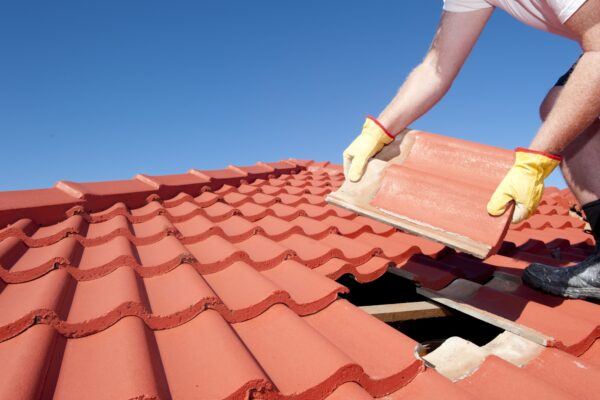
One of the most common problems with tile roofs is cracked or broken tiles. While the materials are strong, they are also brittle and can break under impact from falling branches, storm debris, or even foot traffic. Broken tiles leave gaps in the roof system, allowing water to penetrate and leading to leaks and damage to the underlayment below.
Water Intrusion and Leaks
While tile itself is resistant to water, the system relies on underlayment and flashing to prevent moisture from entering the space. Over time, underlayment can deteriorate, and flashing may loosen or fail. Once water seeps beneath the tiles, it can cause mold, rot, or structural damage. Regular inspections help identify and address these issues before they worsen.
Underlayment Deterioration
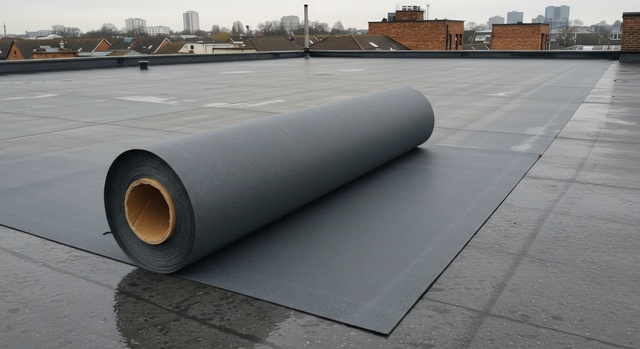
The underlayment beneath a tile roof is critical for waterproofing, but it doesn’t last as long as the tiles themselves. In many cases, underlayment starts to fail after 20–25 years, even if the tiles remain intact. Replacing worn-out underlayment is often necessary to maintain the roof’s effectiveness.
Tile Slippage
Improper installation or weather damage can sometimes cause tiles to become loose or slip out of place. This creates gaps in coverage, exposing the underlayment to direct sunlight and moisture. Tile slippage also compromises the roof’s overall appearance and function.
Heavy Weight on the Structure
Tile roofing is heavier than other materials, and if the roof deck isn’t properly reinforced, the weight can strain the structure over time. In some cases, this may cause sagging or structural issues. A professional contractor ensures that the roof is adequately supported during the installation process.
Moss, Algae, and Debris Buildup
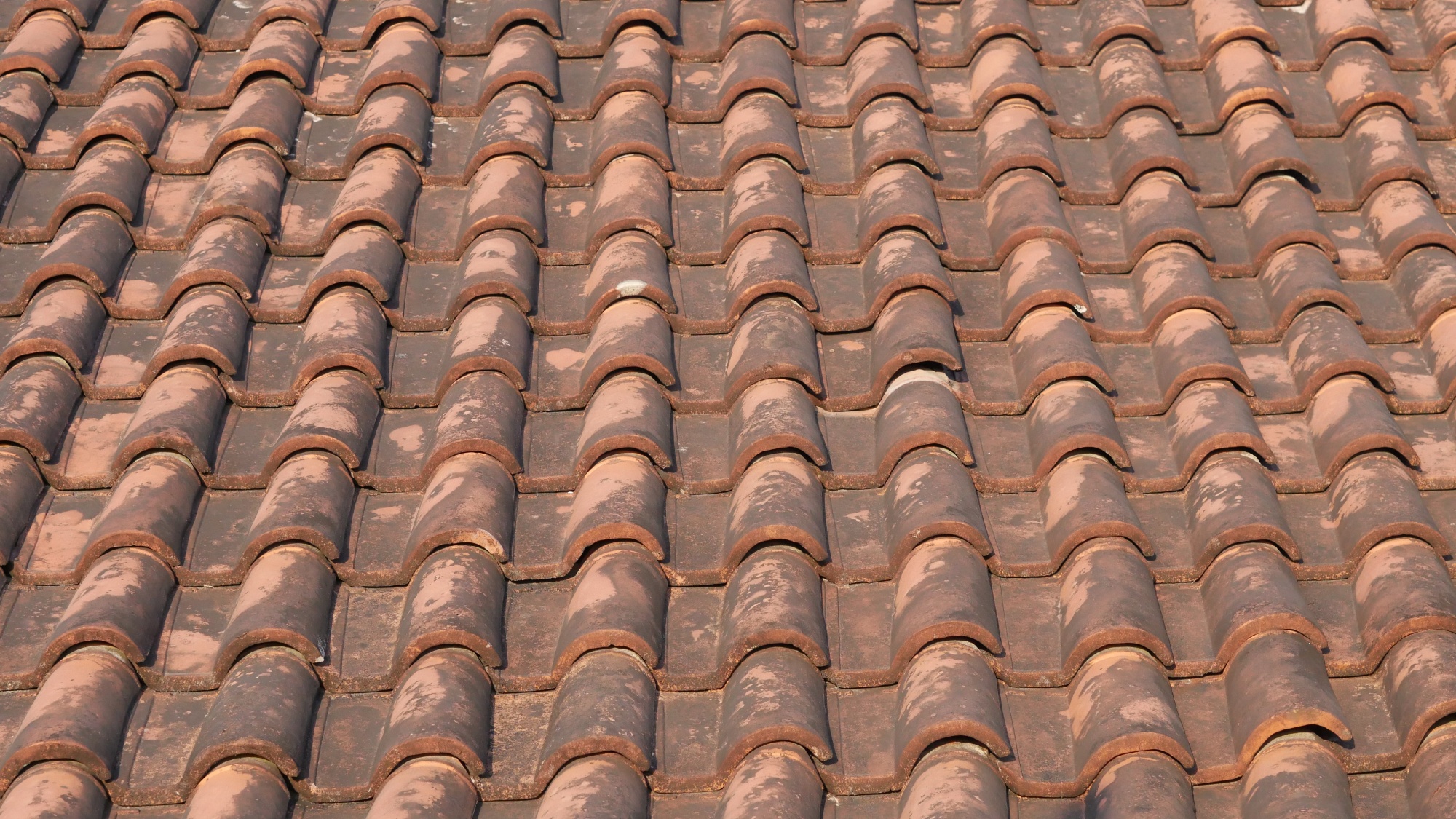
In damp or shaded areas, moss and algae can grow on the surface of tiles. While often a cosmetic concern, buildup can trap moisture and accelerate wear on both tiles and the underlayment. Regular cleaning and maintenance help prevent these problems.
Weather-Related Wear
San Leandro’s climate brings both intense sun and seasonal rain, which can affect tile roofs over the years. UV rays may cause tiles to weaken, while heavy rains test the roof’s drainage system. Strong winds can dislodge tiles if they aren’t correctly secured.
When to Call a Professional
If you notice broken or missing tiles, water stains inside your home, or visible sagging, it’s time to schedule a professional inspection. In many cases, repairs are straightforward if addressed early. However, if the underlayment is failing or damage is widespread, partial or complete replacement may be required.
Manada Roofing, Inc – Tile Roofing Experts in San Leandro
Tile roofing offers exceptional longevity, but it still requires professional care to perform optimally. At Manada Roofing, Inc., we specialize in repairing, maintaining, and replacing tile roofs across the East Bay. Our experienced team understands the unique challenges these systems face and provides tailored solutions to keep your home protected.
Contact Manada Roofing, Inc. today for a tile roof inspection in San Leandro and ensure your roof continues to protect your home for decades to come.
Tile roofing is a popular choice for Bay Area homeowners, thanks to its timeless style, durability, and resistance to fire and harsh weather conditions. Clay and concrete tiles are designed to last for decades, often outlasting other roofing materials. However, like any roofing system, tile roofs are not without challenges. At Manada Roofing, Inc., we’ve seen many of the same issues arise across San Leandro homes, and knowing what to watch for can help homeowners protect their property and avoid costly repairs.
Cracked or Broken Tiles
One of the most common problems with tile roofs is cracked or broken tiles. While the materials are strong, they are also brittle and can break under impact from falling branches, storm debris, or even foot traffic. Broken tiles leave gaps in the roof system, allowing water to penetrate and leading to leaks and damage to the underlayment below.
Water Intrusion and Leaks
While tile itself is resistant to water, the system relies on underlayment and flashing to prevent moisture from entering the space. Over time, underlayment can deteriorate, and flashing may loosen or fail. Once water seeps beneath the tiles, it can cause mold, rot, or structural damage. Regular inspections help identify and address these issues before they worsen.
Underlayment Deterioration
The underlayment beneath a tile roof is critical for waterproofing, but it doesn’t last as long as the tiles themselves. In many cases, underlayment starts to fail after 20–25 years, even if the tiles remain intact. Replacing worn-out underlayment is often necessary to maintain the roof’s effectiveness.
Tile Slippage
Improper installation or weather damage can sometimes cause tiles to become loose or slip out of place. This creates gaps in coverage, exposing the underlayment to direct sunlight and moisture. Tile slippage also compromises the roof’s overall appearance and function.
Heavy Weight on the Structure
Tile roofing is heavier than other materials, and if the roof deck isn’t properly reinforced, the weight can strain the structure over time. In some cases, this may cause sagging or structural issues. A professional contractor ensures that the roof is adequately supported during the installation process.
Moss, Algae, and Debris Buildup
In damp or shaded areas, moss and algae can grow on the surface of tiles. While often a cosmetic concern, buildup can trap moisture and accelerate wear on both tiles and the underlayment. Regular cleaning and maintenance help prevent these problems.
Weather-Related Wear
San Leandro’s climate brings both intense sun and seasonal rain, which can affect tile roofs over the years. UV rays may cause tiles to weaken, while heavy rains test the roof’s drainage system. Strong winds can dislodge tiles if they aren’t correctly secured.
When to Call a Professional
If you notice broken or missing tiles, water stains inside your home, or visible sagging, it’s time to schedule a professional inspection. In many cases, repairs are straightforward if addressed early. However, if the underlayment is failing or damage is widespread, partial or complete replacement may be required.
Manada Roofing, Inc – Tile Roofing Experts in San Leandro
Tile roofing offers exceptional longevity, but it still requires professional care to perform optimally. At Manada Roofing, Inc., we specialize in repairing, maintaining, and replacing tile roofs across the East Bay. Our experienced team understands the unique challenges these systems face and provides tailored solutions to keep your home protected.
Contact Manada Roofing, Inc. today for a tile roof inspection in San Leandro and ensure your roof continues to protect your home for decades to come.
San Leandro, CA – Roof Contractor Discusses Common Tile Roofing Problems
SYNOPSIS: Manada Roofing, Inc. highlights the most common problems with tile roofing in San Leandro and the Bay Area. Learn what to look out for, how these issues develop, and when replacement is needed.
Understanding Issues That Can Affect Tile Roofs
BY: ,
Tile roofing is a popular choice for Bay Area homeowners, thanks to its timeless style, durability, and resistance to fire and harsh weather conditions. Clay and concrete tiles are designed to last for decades, often outlasting other roofing materials. However, like any roofing system, tile roofs are not without challenges. At Manada Roofing, Inc., we’ve seen many of the same issues arise across San Leandro homes, and knowing what to watch for can help homeowners protect their property and avoid costly repairs.
Cracked or Broken Tiles
One of the most common problems with tile roofs is cracked or broken tiles. While the materials are strong, they are also brittle and can break under impact from falling branches, storm debris, or even foot traffic. Broken tiles leave gaps in the roof system, allowing water to penetrate and leading to leaks and damage to the underlayment below.
Water Intrusion and Leaks
While tile itself is resistant to water, the system relies on underlayment and flashing to prevent moisture from entering the space. Over time, underlayment can deteriorate, and flashing may loosen or fail. Once water seeps beneath the tiles, it can cause mold, rot, or structural damage. Regular inspections help identify and address these issues before they worsen.
Underlayment Deterioration
The underlayment beneath a tile roof is critical for waterproofing, but it doesn’t last as long as the tiles themselves. In many cases, underlayment starts to fail after 20–25 years, even if the tiles remain intact. Replacing worn-out underlayment is often necessary to maintain the roof’s effectiveness.
Tile Slippage
Improper installation or weather damage can sometimes cause tiles to become loose or slip out of place. This creates gaps in coverage, exposing the underlayment to direct sunlight and moisture. Tile slippage also compromises the roof’s overall appearance and function.
Heavy Weight on the Structure
Tile roofing is heavier than other materials, and if the roof deck isn’t properly reinforced, the weight can strain the structure over time. In some cases, this may cause sagging or structural issues. A professional contractor ensures that the roof is adequately supported during the installation process.
Moss, Algae, and Debris Buildup
In damp or shaded areas, moss and algae can grow on the surface of tiles. While often a cosmetic concern, buildup can trap moisture and accelerate wear on both tiles and the underlayment. Regular cleaning and maintenance help prevent these problems.
Weather-Related Wear
San Leandro’s climate brings both intense sun and seasonal rain, which can affect tile roofs over the years. UV rays may cause tiles to weaken, while heavy rains test the roof’s drainage system. Strong winds can dislodge tiles if they aren’t correctly secured.
When to Call a Professional
If you notice broken or missing tiles, water stains inside your home, or visible sagging, it’s time to schedule a professional inspection. In many cases, repairs are straightforward if addressed early. However, if the underlayment is failing or damage is widespread, partial or complete replacement may be required.
Manada Roofing, Inc – Tile Roofing Experts in San Leandro
Tile roofing offers exceptional longevity, but it still requires professional care to perform optimally. At Manada Roofing, Inc., we specialize in repairing, maintaining, and replacing tile roofs across the East Bay. Our experienced team understands the unique challenges these systems face and provides tailored solutions to keep your home protected.
Contact Manada Roofing, Inc. today for a tile roof inspection in San Leandro and ensure your roof continues to protect your home for decades to come.