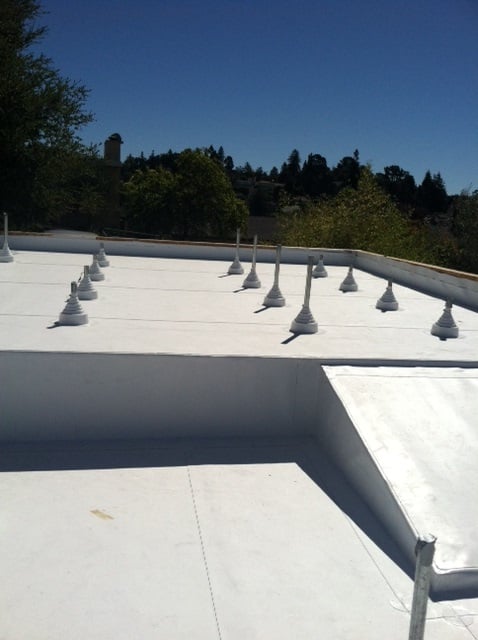
East Bay Roofing Pros Provide TPO Assessment
Repair and Replacement Roofing Service Available
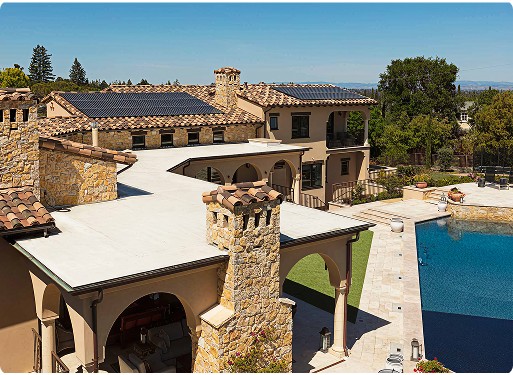
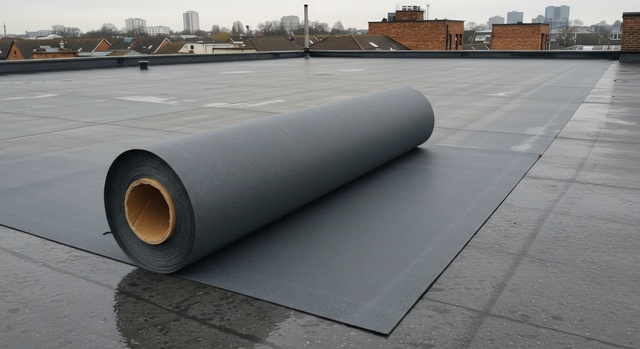
TPO roofing systems are common on many commercial and some residential buildings, and if you see a structure with a flat roof, there's a good chance it has a TPO roof. These roofing systems are used often and they typically perform at a high level for many years. However, like any roof, they eventually need to be repaired or replaced.
If you own or manage a building with a TPO roof and you're having issues, our team of local pros would be happy to help. As a leading provider of roofing services in the East Bay, we have the right equipment, expertise, and customer-focused approach to take on any roofing job. We offer repair, replacement, installation, and service for roofs of all types, and we have built a fantastic reputation with homeowners and businesses in Hayward, Oakland, Castro Valley, San Leandro, and other Bay Area cities.
In this article, we will be discussing a common question we get from our commercial clients: should I replace or repair my TPO roof? Read on for expert insight into TPO roofs and how to make the best decision for your situation.
About TPO Roofing Systems
Thermoplastic Polyolefin (better known as TPO) has been used for many years to provide watertight roofing for buildings with flat roofs. These roofs are covered with this TPO material in strips, and the strips are "welded" together at the seams using heat. This joining method creates a watertight seal which, when properly installed and maintained, can last for decades. Most commonly used in commercial applications, a TPO roof offers many advantages including energy efficiency, ease of installation/repair, and longevity.
When to Repair
On average, a TPO roof will last between 20 and 30 years, if it's installed correctly. If your roof is younger than this age range, it's likely better off being repaired unless it has suffered significant damage. The most common issues we see with TPO roofing systems are small punctures, which can result from weather events, work being done on the roof, or even walking on the roof. These punctures can usually be repaired by welding new material on the roof or replacing small areas as needed. For small punctures on newer roofs, repair over full replacement is typically the best choice.
When to Replace
As we discussed in the last section, every roof has an expected lifespan. If your TPO roof is approaching 30 years or more, replacement might make more sense than repair. We also might recommend replacement if significant impact has been made to the integrity of the roof due to a weather event or building damage. A TPO roof can be repaired, but if many repairs have been made over time and a new one is needed, replacement is likely the best choice.
Expert Assessment Available
While this article might provide some basic insight into TPO roofing, there is no replacement for a trained pair of eyes checking out your roof. We're happy to provide our opinion on the condition of your roof and next steps, so if you have a TPO roof and would like a professional assessment, give us a call today.