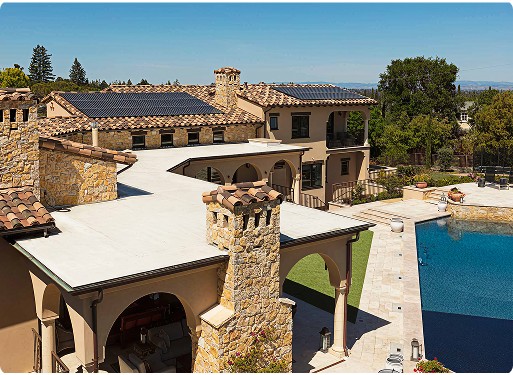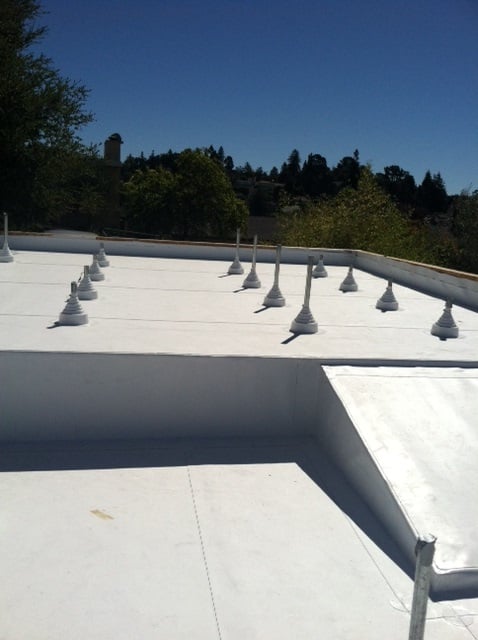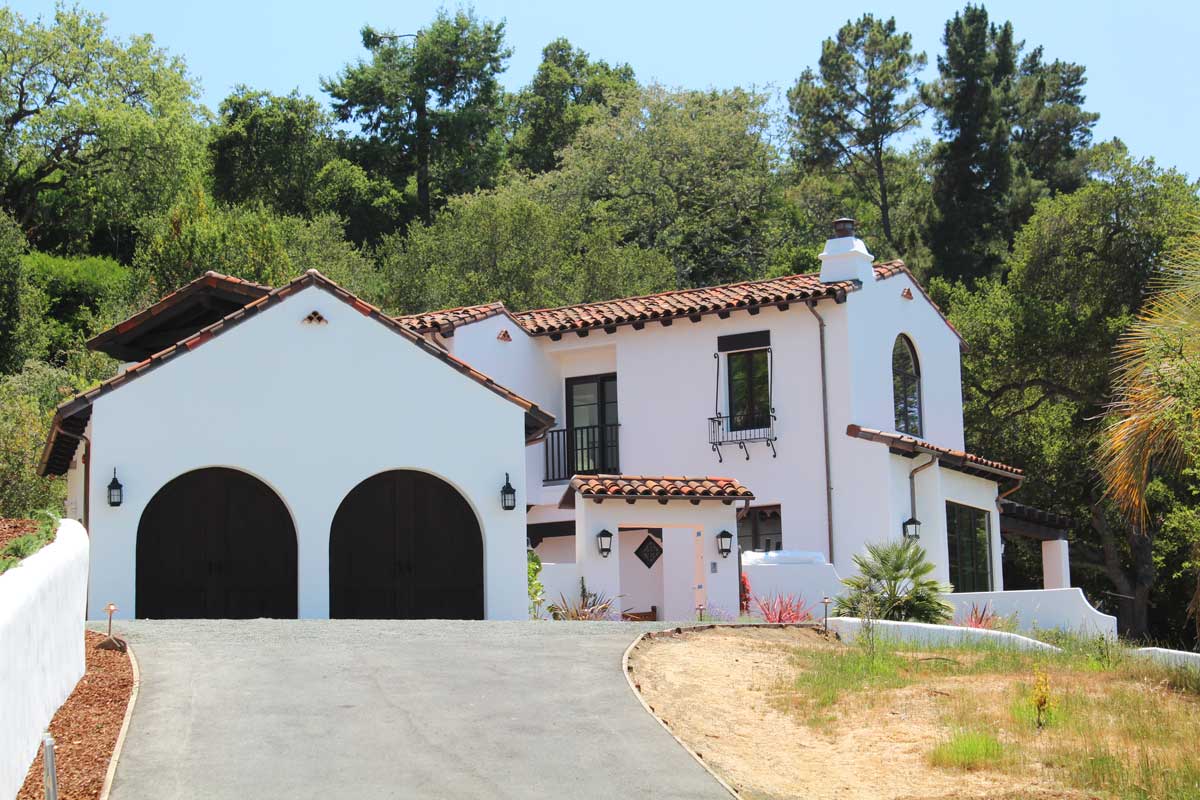
Flat roofing is a popular choice for many commercial properties and even some residential buildings in the Bay Area. Its sleek appearance, efficient use of space, and cost-effectiveness make it an attractive option. However, flat roofs also face unique challenges—especially in a climate like Castro Valley's, where seasonal rain, coastal moisture, and fluctuating temperatures can take a toll over time. At Manada Roofing, Inc., we've seen how weather impacts flat roof performance and understand what's needed to keep these systems durable and reliable.
Rain and Moisture: The Biggest Challenge
The Bay Area is known for its rainy seasons, and flat roofs don't shed water as easily as pitched systems. Standing water, also known as ponding, can form after heavy rain if drainage is insufficient. Over time, this can lead to membrane damage, leaks, and even structural concerns. Routine inspections and proper drainage systems are critical for preventing water-related damage.
Moisture intrusion can also cause issues with insulation beneath the roof. Once water seeps into the layers, it can compromise energy efficiency and contribute to the growth of mold. That's why proactive maintenance is essential in wet months.
Heat and Sun Exposure
While Castro Valley enjoys mild weather most of the year, the Bay Area still experiences stretches of intense sun and heat. Prolonged exposure to UV radiation causes roofing membranes to degrade, dry out, and crack over time. Flat roofs with lighter-colored or reflective coatings perform better under sun exposure because they reflect heat instead of absorbing it.
Heat buildup also impacts energy efficiency. Without reflective materials or proper insulation, flat roofs can make interior spaces warmer, increasing cooling costs in the summer.
Seasonal Temperature Shifts
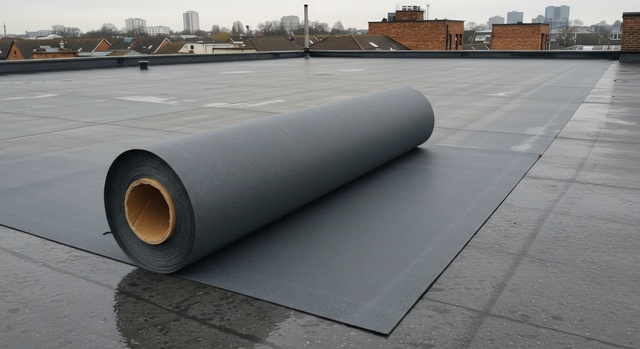
The Bay Area often sees fluctuating temperatures between day and night. These changes cause roofing materials to expand and contract, which may weaken seams, flashing, or adhesives. Over time, this thermal movement creates vulnerabilities that can lead to leaks. Modern flat roofing materials, such as TPO and modified bitumen, are designed to withstand these stresses better; however, regular maintenance is still essential.
Wind and Storms
Although flat roofs are generally stable against wind uplift, storms can still cause problems. High winds may loosen flashing, shift debris onto the roof, or damage protective coatings. Keeping your roof clear of debris and ensuring flashing is secure helps minimize weather-related risks.
How to Protect Your Flat Roof in Castro Valley
- Schedule Annual Inspections: Regular professional inspections catch minor issues before they grow into costly repairs.
- Maintain Drainage Systems: Regularly clean gutters and drains to prevent water from ponding.
- Use Reflective Coatings: Reflective or "cool roof" materials extend roof life and improve efficiency.
- Stay Ahead of Repairs: Address cracks, blisters, or seam separation promptly.
- Plan for Long-Term Maintenance: Flat roofs last longer with consistent upkeep tailored to local weather.
Manada Roofing, Inc. provides Flat Roofing Solutions Built for the Bay Area.
The combination of rain, sun, and seasonal shifts makes flat roofing in Castro Valley particularly challenging without proper care. At Manada Roofing, Inc., we provide inspections, maintenance, repairs, and installations designed to meet the demands of Bay Area weather. Our experienced team understands local conditions and utilizes proven methods and materials to ensure your flat roof performs optimally.
Contact Manada Roofing, Inc. today to schedule your flat roof inspection in Castro Valley and let us help you protect your property against the elements.