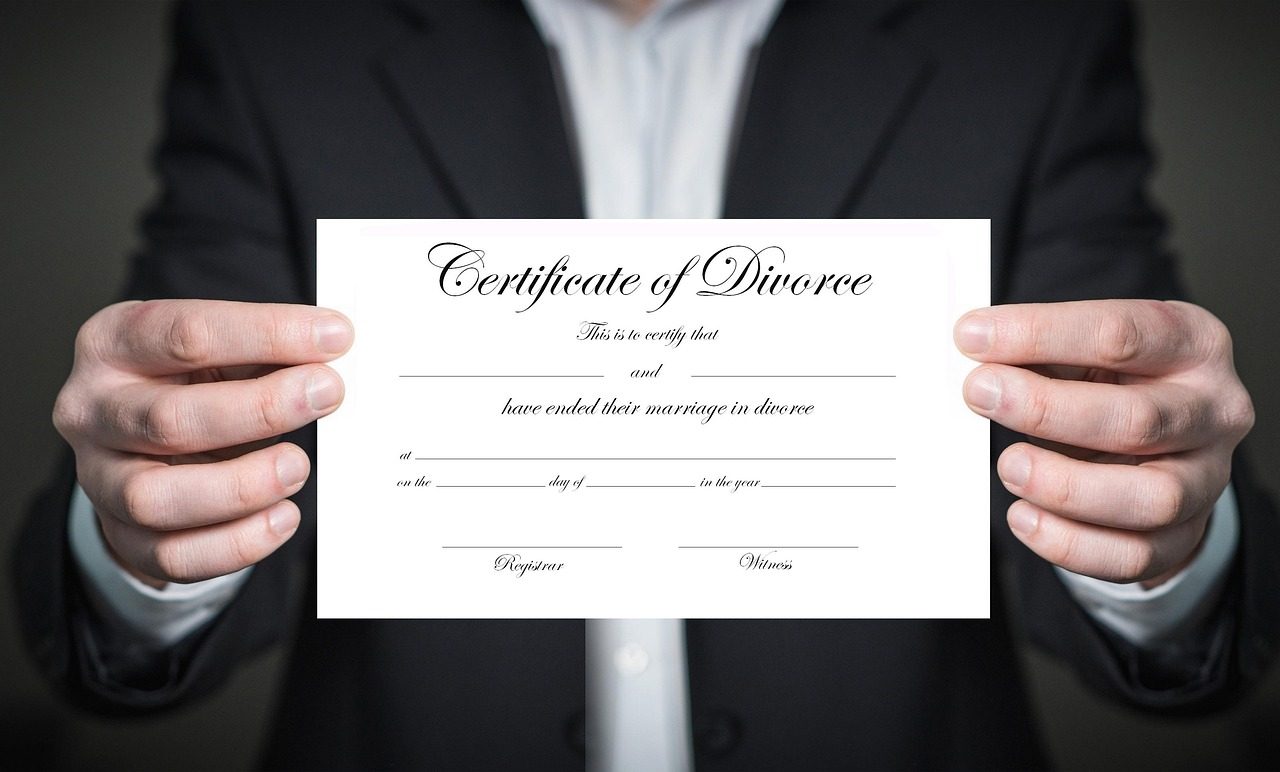
 Divorce often feels overwhelming at the start, especially when you are unsure where to begin. In Alameda County, the process follows California family law rules and begins with opening a court case. California is a no-fault divorce state, which means no one must prove wrongdoing to end the marriage. A spouse may still get divorced even if the other spouse does not agree. Divorce in California also takes at least six months to finish, so planning matters from day one.
At Bagner Law, we serve clients across the greater East Bay, including Oakland, from our San Leandro office. Our practice focuses on family law, divorce, custody, support, and related matters, and attorney Vonnah Bagner has provided family law services for more than 21 years. We approach divorce with compassion, strategy, and a personalized focus on each client’s goals.
The first step is making sure you meet the residency rules. In most divorce cases, one spouse must have lived in California for at least six months and in the county for at least three months before filing. Once residency is established, the next step is preparing the initial forms. California courts use the same basic divorce forms statewide, including the Petition (Form FL-100) and the Summons (Form FL-110). If children are involved, additional custody-related forms may be required, such as the UCCJEA declaration (Form FL-105). Some courts may also require local forms.
After filing, the other spouse must be formally served with the papers. Service is not optional. It is the legal step that informs the other side that a case has begun. Once served, the responding spouse has a chance to file a response, and the summons explains what may happen if no response is filed within 30 days. Proper service and proper proof of service are critical because errors at this stage may delay the case and create avoidable problems later.
The next major step involves financial disclosures. California requires both sides to exchange financial information during the divorce process. This includes income, expenses, assets, and debts. Even when a case seems simple, full financial disclosure remains a required part of the process. From there, the parties either reach an agreement on property, parenting, child support, and spousal support, or they ask the court to decide unresolved issues.
Many divorces finish through written agreement, mediation, or an uncontested path. Others require hearings and judicial decisions. Either way, a divorce does not become final just because forms were filed. Final paperwork must be submitted, reviewed, and entered as a judgment. Only after judgment and the required waiting period does the marriage legally end.
While California courts provide forms and self-help resources, filing on your own is not always the best fit, especially when property, debt, support, or children are involved. We help clients avoid paperwork mistakes, prepare strong filings, and move through each step with more confidence and less confusion. If you are in Oakland and need guidance for getting a divorce in Alameda County, contact Bagner Law to schedule a consultation and discuss your next move.
Divorce often feels overwhelming at the start, especially when you are unsure where to begin. In Alameda County, the process follows California family law rules and begins with opening a court case. California is a no-fault divorce state, which means no one must prove wrongdoing to end the marriage. A spouse may still get divorced even if the other spouse does not agree. Divorce in California also takes at least six months to finish, so planning matters from day one.
At Bagner Law, we serve clients across the greater East Bay, including Oakland, from our San Leandro office. Our practice focuses on family law, divorce, custody, support, and related matters, and attorney Vonnah Bagner has provided family law services for more than 21 years. We approach divorce with compassion, strategy, and a personalized focus on each client’s goals.
The first step is making sure you meet the residency rules. In most divorce cases, one spouse must have lived in California for at least six months and in the county for at least three months before filing. Once residency is established, the next step is preparing the initial forms. California courts use the same basic divorce forms statewide, including the Petition (Form FL-100) and the Summons (Form FL-110). If children are involved, additional custody-related forms may be required, such as the UCCJEA declaration (Form FL-105). Some courts may also require local forms.
After filing, the other spouse must be formally served with the papers. Service is not optional. It is the legal step that informs the other side that a case has begun. Once served, the responding spouse has a chance to file a response, and the summons explains what may happen if no response is filed within 30 days. Proper service and proper proof of service are critical because errors at this stage may delay the case and create avoidable problems later.
The next major step involves financial disclosures. California requires both sides to exchange financial information during the divorce process. This includes income, expenses, assets, and debts. Even when a case seems simple, full financial disclosure remains a required part of the process. From there, the parties either reach an agreement on property, parenting, child support, and spousal support, or they ask the court to decide unresolved issues.
Many divorces finish through written agreement, mediation, or an uncontested path. Others require hearings and judicial decisions. Either way, a divorce does not become final just because forms were filed. Final paperwork must be submitted, reviewed, and entered as a judgment. Only after judgment and the required waiting period does the marriage legally end.
While California courts provide forms and self-help resources, filing on your own is not always the best fit, especially when property, debt, support, or children are involved. We help clients avoid paperwork mistakes, prepare strong filings, and move through each step with more confidence and less confusion. If you are in Oakland and need guidance for getting a divorce in Alameda County, contact Bagner Law to schedule a consultation and discuss your next move.
Oakland, CA - Divorce Lawyers Steps for Getting a Divorce in Alameda County
SYNOPSIS: Getting divorced in Alameda County involves residency rules, court forms, service, financial disclosures, and final judgment steps. We guide clients through each stage with care.
What to Expect in an Alameda County Divorce
BY: Vonnah Bagner, Bagner Law
Divorce often feels overwhelming at the start, especially when you are unsure where to begin. In Alameda County, the process follows California family law rules and begins with opening a court case. California is a no-fault divorce state, which means no one must prove wrongdoing to end the marriage. A spouse may still get divorced even if the other spouse does not agree. Divorce in California also takes at least six months to finish, so planning matters from day one.
At Bagner Law, we serve clients across the greater East Bay, including Oakland, from our San Leandro office. Our practice focuses on family law, divorce, custody, support, and related matters, and attorney Vonnah Bagner has provided family law services for more than 21 years. We approach divorce with compassion, strategy, and a personalized focus on each client’s goals.
The first step is making sure you meet the residency rules. In most divorce cases, one spouse must have lived in California for at least six months and in the county for at least three months before filing. Once residency is established, the next step is preparing the initial forms. California courts use the same basic divorce forms statewide, including the Petition (Form FL-100) and the Summons (Form FL-110). If children are involved, additional custody-related forms may be required, such as the UCCJEA declaration (Form FL-105). Some courts may also require local forms.
After filing, the other spouse must be formally served with the papers. Service is not optional. It is the legal step that informs the other side that a case has begun. Once served, the responding spouse has a chance to file a response, and the summons explains what may happen if no response is filed within 30 days. Proper service and proper proof of service are critical because errors at this stage may delay the case and create avoidable problems later.
The next major step involves financial disclosures. California requires both sides to exchange financial information during the divorce process. This includes income, expenses, assets, and debts. Even when a case seems simple, full financial disclosure remains a required part of the process. From there, the parties either reach an agreement on property, parenting, child support, and spousal support, or they ask the court to decide unresolved issues.
Many divorces finish through written agreement, mediation, or an uncontested path. Others require hearings and judicial decisions. Either way, a divorce does not become final just because forms were filed. Final paperwork must be submitted, reviewed, and entered as a judgment. Only after judgment and the required waiting period does the marriage legally end.
While California courts provide forms and self-help resources, filing on your own is not always the best fit, especially when property, debt, support, or children are involved. We help clients avoid paperwork mistakes, prepare strong filings, and move through each step with more confidence and less confusion. If you are in Oakland and need guidance for getting a divorce in Alameda County, contact Bagner Law to schedule a consultation and discuss your next move.