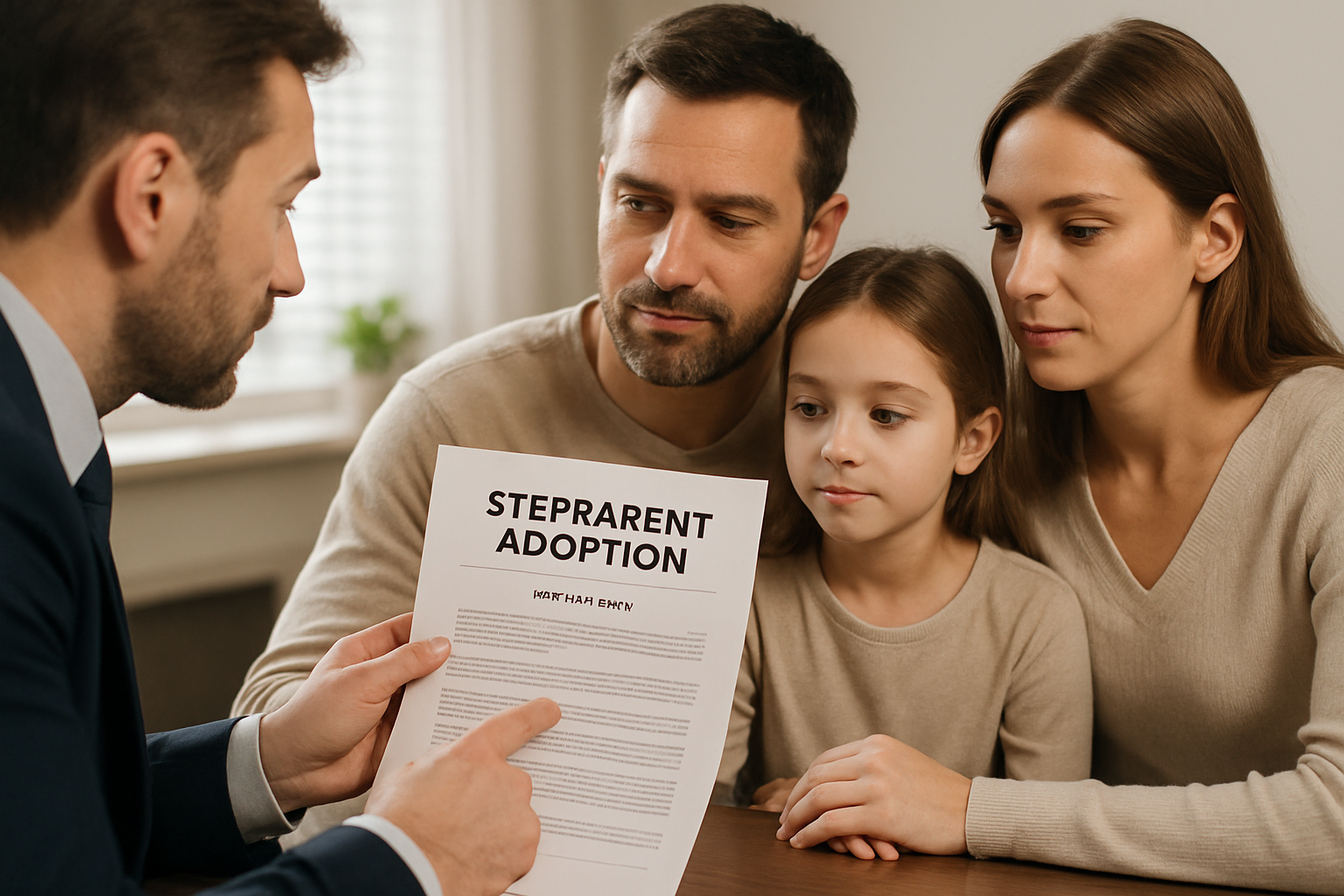
When parents separate or divorce, one of the most important steps is creating a solid
child custody agreement—also known as a parenting plan. This document sets clear expectations for both parents, defines schedules, and establishes how decisions about the child will be made. At Bagner Law, we guide San Leandro families through this process, ensuring every plan reflects the child’s best interests while minimizing future conflict.
Here’s what every custody agreement should include.
1. Custody Type: Legal and Physical Custody
In California, custody is divided into two categories:
- Legal custody determines who makes major decisions about the child’s upbringing—such as education, healthcare, and religious involvement.
- Physical custody refers to where the child primarily lives.
Both legal and physical custody can be
joint (shared) or
sole (granted to one parent). Clearly identifying how each will be handled is essential to avoid disputes later.
2. Parenting Time and Visitation Schedule
One of the most critical sections of a custody agreement is the
visitation schedule. A detailed plan helps both parents maintain consistency and prevents confusion or last-minute disagreements.
A comprehensive schedule should include:
- Weekday and weekend routines
- Holidays and school breaks
- Birthdays and special occasions
- Summer vacation arrangements
- Transportation responsibilities (pickup and drop-off)
The more specific your schedule, the smoother co-parenting tends to be. At Bagner Law, we help families develop balanced schedules that respect both parents’ time and the child’s needs.
3. Communication Between Parents
Effective communication is key to successful co-parenting. Your custody agreement should outline how parents will communicate about the child—whether by phone, email, text, or a co-parenting app.
It’s also wise to include rules for:
- Notice before schedule changes
- Updates about school or medical events
- Sharing important documents
Establishing respectful communication boundaries early helps prevent misunderstandings and reduces tension between parents.
4. Decision-Making Responsibilities
Even with joint legal custody, it’s helpful to clarify how major decisions will be made. Consider specifying:
- Which parent will handle healthcare and insurance matters
- Who manages education and extracurricular choices
- How will religious or cultural upbringing be addressed
We help parents draft these provisions to support cooperation while preventing unnecessary conflict.
5. Financial Responsibilities
While child support is often determined separately by the court, your parenting plan can still outline additional financial obligations—such as:
- Extracurricular activity costs
- School supplies and uniforms
- Childcare or after-school care
- Medical copays or uninsured expenses
This section helps ensure both parents contribute fairly to their child’s well-being.
6. Dispute Resolution Methods
Even with the best intentions, disagreements can arise. Including a
dispute resolution clause provides a plan for handling conflicts—often requiring mediation before returning to court. This saves time, money, and emotional stress for everyone involved.
7. Provisions for Future Changes
Children’s needs change as they grow. A well-written agreement includes flexibility for future modifications. At Bagner Law, we help clients anticipate transitions—such as starting school, moving homes, or adjusting custody as the child matures—and prepare for them in advance.
Creating a Custody Agreement That Works
Every family is different, which is why a one-size-fits-all custody plan rarely works. At Bagner Law, we tailor each agreement to the specific needs of the child and the realities of each parent’s situation. We focus on clarity, fairness, and the protection of your child’s emotional stability.
📞
Contact Bagner Law in San Leandro today to schedule a consultation. Let us help you create a child custody agreement that provides structure, security, and peace of mind for your family.