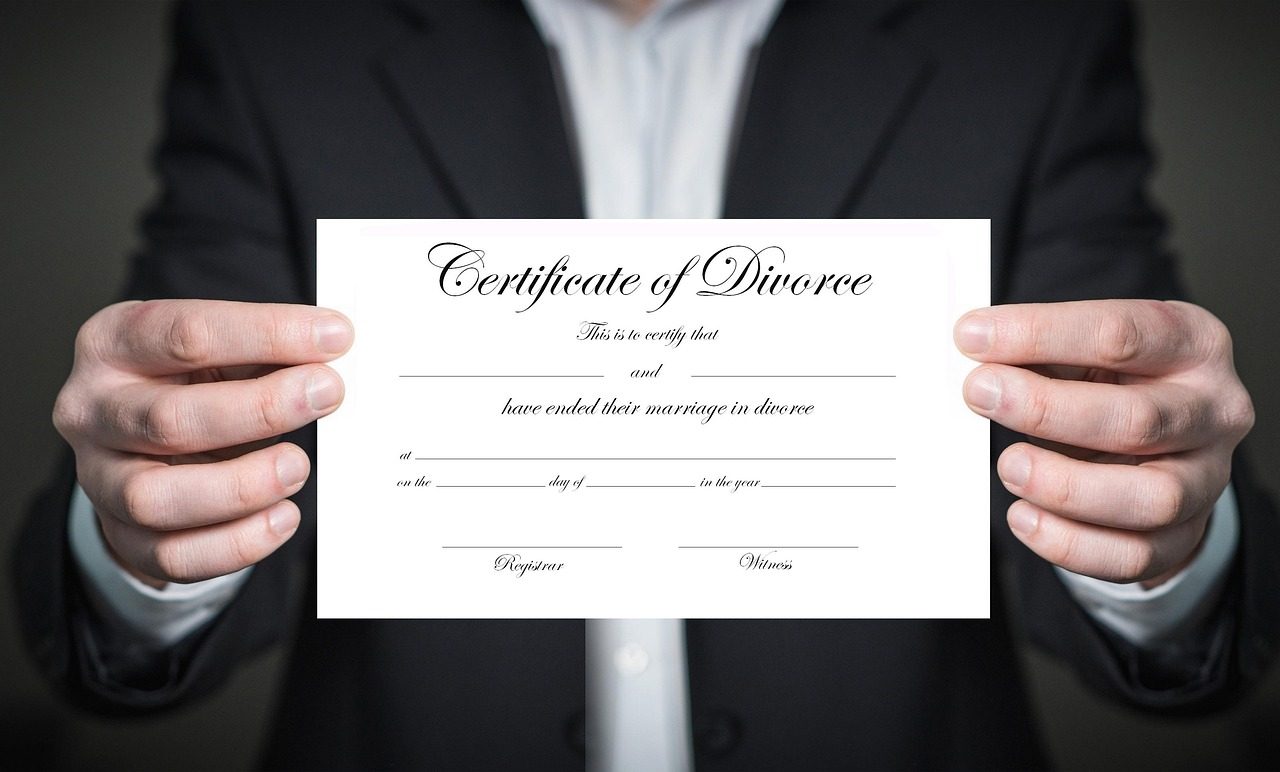
Divorce and custody cases are emotional enough without the added stress of scrambling for paperwork. Having your documents ready from the start can make a significant difference in how efficiently your case progresses. At Bagner Law, we guide Hayward clients through the process of collecting, reviewing, and organizing critical documentation—ensuring no detail is overlooked.
Here’s a helpful checklist to get you started.
1. Personal Identification Documents
The first step is confirming your identity and legal status. You’ll need:
- Valid photo ID (driver’s license, passport, or state ID)
- Social Security cards for both spouses and any children
- Birth certificates for all children
- Marriage certificate and, if applicable, any prenuptial or postnuptial agreements
If you’ve been previously married or divorced, bring copies of prior divorce decrees or annulment orders as well.
2. Financial and Income Records
Financial transparency is a key part of both divorce and custody cases. California law requires each party to file
preliminary financial disclosures at an early stage in the process. Collect:
- Pay stubs or income statements for the past six months
- Recent tax returns (at least two years)
- Bank statements for all checking and savings accounts
- Investment and retirement account statements (401(k), IRA, pensions)
- Business income records, if you are self-employed
- Proof of any other income sources (bonuses, rental income, commissions, or benefits)
Accurate and complete financial documentation ensures a fair outcome in property division, supports calculations, and other financial matters.
3. Property and Asset Information
In divorce cases, property division can become complicated quickly. To prepare, gather:
- Property deeds or mortgage statements
- Vehicle titles or lease agreements
- Appraisals or market value estimates for real estate or valuable assets
- Lists of personal property (furniture, jewelry, collectibles, etc.)
- Insurance policies (home, auto, life)
- Loan and credit card statements
If any property was acquired before marriage, note its value and documentation at that time—it may be classified as separate property.
4. Debts and Liabilities
Dividing assets also means addressing debts. Make a list of:
- Credit card statements
- Student loans, car loans, or personal loans
- Lines of credit
- Medical bills
- Outstanding tax obligations
Having this information ready allows your attorney to determine what’s considered
community debt (shared) versus
separate debt (individual).
5. Child-Related Documentation
In custody and child support cases, courts focus on the child’s best interests. Documentation helps show each parent’s role and contributions. You’ll want to collect:
- School records, report cards, and attendance records
- Medical and dental records
- Childcare expenses and after-school care costs
- Schedules, calendars, or messages showing parental involvement
- Communication records relevant to co-parenting (emails, texts, etc.)
This information helps your attorney advocate for custody arrangements that reflect your ongoing role in your child’s life.
6. Legal Documents and Communications
Keep copies of any prior or pending court documents, including:
- Restraining orders or custody agreements
- Prior judgments or modifications
- Written correspondence between attorneys or with your spouse
- Mediation or counseling reports
Staying organized will help your legal team stay proactive and prevent surprises in court.
Get Legal Help to Organize and Prepare
Every divorce and custody case is unique, but preparation is always the key to success. At Bagner Law, we assist clients in Hayward in gathering the necessary information, understanding their legal rights, and preparing comprehensive documentation for every stage of the process.
📞
Contact Bagner Law in Hayward today to schedule a consultation. We’ll help you build your case with precision, organization, and peace of mind.