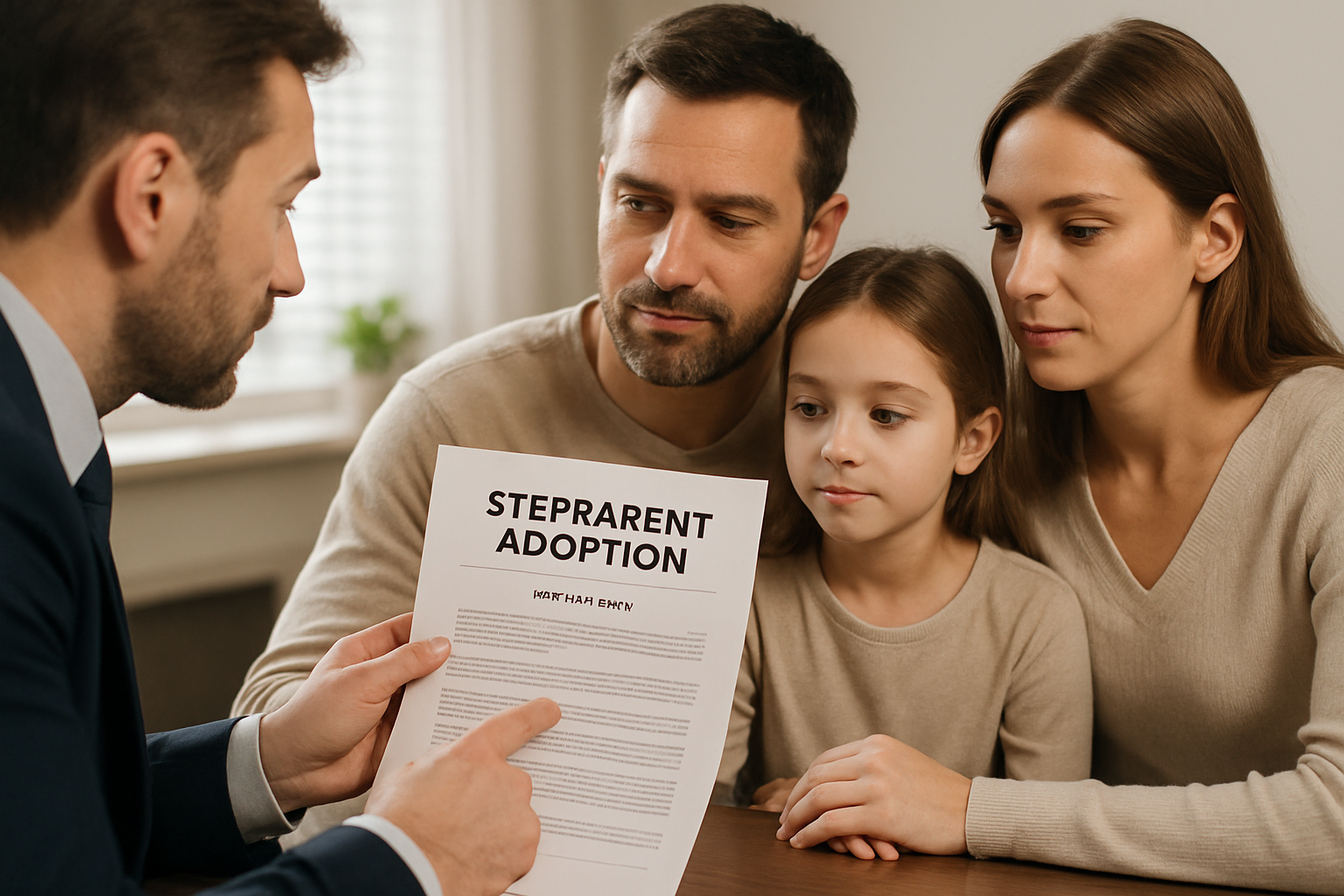
 When you share custody of a child after divorce, nothing feels simple anymore. Wanting to move is a natural urge, especially when life feels fractured, when a better job opens up, or when you need to be closer to your support system. But in California, if you want to move with your child, there are legal steps you cannot skip. At Bagner Law in San Leandro, we talk to parents every week who feel stuck between what’s best for their kids and what’s allowed by law. Here are the most common questions we get, and what every parent needs to know before they decide to relocate.
Can I Move With My Child After Divorce If I’m the Primary Custodial Parent?
If you have sole physical custody, you may have more freedom than parents who share custody equally, but that does not mean you are guaranteed approval. Even when a parent has primary custody, the other parent still has legal rights, and the court will still look closely at whether your move could negatively affect the child’s relationship with them. In many cases, you will still need either their written consent or permission from a judge. At Bagner Law, we help San Leandro parents understand what their existing custody orders really allow, and we make sure they do not unintentionally violate them by assuming they have more power than they do.
Do I Need a Court Order to Move If I Share Custody?
Yes, if you share joint physical custody, you will almost always need either the other parent’s permission or a court-approved modification to relocate your child. If the move would affect visitation or prevent the other parent from maintaining their regular schedule, the court must decide whether the relocation is in the best interest of the child. Even if both parents agree informally, we recommend formalizing that agreement through a court order to protect everyone legally. We work with San Leandro families to draft and file these documents properly so that your plans cannot be challenged later.
What Does the Court Look at When Deciding Whether I Can Move?
The court’s primary focus is not on the parents’ preferences but on the child’s well-being. Judges consider multiple factors, including the reason for the move, the distance, the impact on the child’s relationship with the non-moving parent, the current custody arrangement, and how the move might affect education, healthcare, and emotional stability. If your move would benefit your career but create strain for your child, the court might say no. At Bagner Law, we help parents in San Leandro present relocation requests in a way that centers the child’s long-term needs and makes a compelling case for change.
What Happens If I Move Without Permission?
If you move your child without legal permission, the consequences can be severe and immediate. Courts may issue sanctions, modify custody orders, or even require you to return the child to their previous residence. We have spoken to parents who thought they could “fix it later,” only to discover that the damage was already done. In San Leandro, we advise all clients to pause and speak to an attorney before making any move, even one that feels small or temporary. A single misstep in custody law can permanently alter your parental rights.
How Do I Request Relocation Legally?
To request a move, you will typically need to file a move-away petition with the family court and serve the other parent properly. From there, a judge may set a hearing, review evidence, and possibly involve a custody evaluator to assess the child’s best interest. The process can take time and may involve mediation, court testimony, and legal argument. At Bagner Law, we guide San Leandro parents through every step, helping them prepare documents, build persuasive evidence, and stay calm when the process feels overwhelming or emotional.
What Kinds of Reasons for Moving Will the Court Accept?
There is no strict list, but judges generally look for reasons that benefit the child, not just the parent. Acceptable reasons might include being closer to family who help with childcare, moving for a more stable job that supports the child financially, or enrolling the child in a school with stronger academic or emotional support programs. Personal happiness, while important, is rarely enough on its own. We work with San Leandro's parents to reframe their reasons in a way that the court respects and understands as serving the child’s growth and security.
Can I Talk to the Other Parent First and Avoid Court?
Yes, and in fact, we encourage it. If both parents agree on the move and can create a new parenting plan that works for both households, that cooperative spirit can save time, money, and unnecessary tension. But even if there is agreement, you should still have that plan reviewed and filed with the court. At Bagner Law, we help San Leandro parents translate verbal agreements into enforceable documents that preserve trust while protecting legal rights.
What Should I Do If I’m Unsure Whether My Move Is Allowed?
If you have even a small doubt about your rights or your custody agreement, do not take action until you speak with a family law attorney. The risk is too high, and the stakes are too personal. Bagner Law, based in San Leandro, helps parents untangle complicated custody language and understand what the law truly allows. Call us at (510) 351-5345 before you pack a bag or sign a lease. If you are planning a move, make sure it is one that keeps your child and your rights safe.
When you share custody of a child after divorce, nothing feels simple anymore. Wanting to move is a natural urge, especially when life feels fractured, when a better job opens up, or when you need to be closer to your support system. But in California, if you want to move with your child, there are legal steps you cannot skip. At Bagner Law in San Leandro, we talk to parents every week who feel stuck between what’s best for their kids and what’s allowed by law. Here are the most common questions we get, and what every parent needs to know before they decide to relocate.
Can I Move With My Child After Divorce If I’m the Primary Custodial Parent?
If you have sole physical custody, you may have more freedom than parents who share custody equally, but that does not mean you are guaranteed approval. Even when a parent has primary custody, the other parent still has legal rights, and the court will still look closely at whether your move could negatively affect the child’s relationship with them. In many cases, you will still need either their written consent or permission from a judge. At Bagner Law, we help San Leandro parents understand what their existing custody orders really allow, and we make sure they do not unintentionally violate them by assuming they have more power than they do.
Do I Need a Court Order to Move If I Share Custody?
Yes, if you share joint physical custody, you will almost always need either the other parent’s permission or a court-approved modification to relocate your child. If the move would affect visitation or prevent the other parent from maintaining their regular schedule, the court must decide whether the relocation is in the best interest of the child. Even if both parents agree informally, we recommend formalizing that agreement through a court order to protect everyone legally. We work with San Leandro families to draft and file these documents properly so that your plans cannot be challenged later.
What Does the Court Look at When Deciding Whether I Can Move?
The court’s primary focus is not on the parents’ preferences but on the child’s well-being. Judges consider multiple factors, including the reason for the move, the distance, the impact on the child’s relationship with the non-moving parent, the current custody arrangement, and how the move might affect education, healthcare, and emotional stability. If your move would benefit your career but create strain for your child, the court might say no. At Bagner Law, we help parents in San Leandro present relocation requests in a way that centers the child’s long-term needs and makes a compelling case for change.
What Happens If I Move Without Permission?
If you move your child without legal permission, the consequences can be severe and immediate. Courts may issue sanctions, modify custody orders, or even require you to return the child to their previous residence. We have spoken to parents who thought they could “fix it later,” only to discover that the damage was already done. In San Leandro, we advise all clients to pause and speak to an attorney before making any move, even one that feels small or temporary. A single misstep in custody law can permanently alter your parental rights.
How Do I Request Relocation Legally?
To request a move, you will typically need to file a move-away petition with the family court and serve the other parent properly. From there, a judge may set a hearing, review evidence, and possibly involve a custody evaluator to assess the child’s best interest. The process can take time and may involve mediation, court testimony, and legal argument. At Bagner Law, we guide San Leandro parents through every step, helping them prepare documents, build persuasive evidence, and stay calm when the process feels overwhelming or emotional.
What Kinds of Reasons for Moving Will the Court Accept?
There is no strict list, but judges generally look for reasons that benefit the child, not just the parent. Acceptable reasons might include being closer to family who help with childcare, moving for a more stable job that supports the child financially, or enrolling the child in a school with stronger academic or emotional support programs. Personal happiness, while important, is rarely enough on its own. We work with San Leandro's parents to reframe their reasons in a way that the court respects and understands as serving the child’s growth and security.
Can I Talk to the Other Parent First and Avoid Court?
Yes, and in fact, we encourage it. If both parents agree on the move and can create a new parenting plan that works for both households, that cooperative spirit can save time, money, and unnecessary tension. But even if there is agreement, you should still have that plan reviewed and filed with the court. At Bagner Law, we help San Leandro parents translate verbal agreements into enforceable documents that preserve trust while protecting legal rights.
What Should I Do If I’m Unsure Whether My Move Is Allowed?
If you have even a small doubt about your rights or your custody agreement, do not take action until you speak with a family law attorney. The risk is too high, and the stakes are too personal. Bagner Law, based in San Leandro, helps parents untangle complicated custody language and understand what the law truly allows. Call us at (510) 351-5345 before you pack a bag or sign a lease. If you are planning a move, make sure it is one that keeps your child and your rights safe.
San Leandro, CA - Family Law FAQs: Can I Move With My Child After Divorce?
SYNOPSIS: Bagner Law, located in San Leandro, helps San Leandro parents understand the legal requirements of moving with a child after divorce in California. In many cases you need approval from a judge.
Thinking of Moving After Divorce? Read This First
BY: Vonnah Bagner, Bagner Law
When you share custody of a child after divorce, nothing feels simple anymore. Wanting to move is a natural urge, especially when life feels fractured, when a better job opens up, or when you need to be closer to your support system. But in California, if you want to move with your child, there are legal steps you cannot skip. At Bagner Law in San Leandro, we talk to parents every week who feel stuck between what’s best for their kids and what’s allowed by law. Here are the most common questions we get, and what every parent needs to know before they decide to relocate.
Can I Move With My Child After Divorce If I’m the Primary Custodial Parent?
If you have sole physical custody, you may have more freedom than parents who share custody equally, but that does not mean you are guaranteed approval. Even when a parent has primary custody, the other parent still has legal rights, and the court will still look closely at whether your move could negatively affect the child’s relationship with them. In many cases, you will still need either their written consent or permission from a judge. At Bagner Law, we help San Leandro parents understand what their existing custody orders really allow, and we make sure they do not unintentionally violate them by assuming they have more power than they do.
Do I Need a Court Order to Move If I Share Custody?
Yes, if you share joint physical custody, you will almost always need either the other parent’s permission or a court-approved modification to relocate your child. If the move would affect visitation or prevent the other parent from maintaining their regular schedule, the court must decide whether the relocation is in the best interest of the child. Even if both parents agree informally, we recommend formalizing that agreement through a court order to protect everyone legally. We work with San Leandro families to draft and file these documents properly so that your plans cannot be challenged later.
What Does the Court Look at When Deciding Whether I Can Move?
The court’s primary focus is not on the parents’ preferences but on the child’s well-being. Judges consider multiple factors, including the reason for the move, the distance, the impact on the child’s relationship with the non-moving parent, the current custody arrangement, and how the move might affect education, healthcare, and emotional stability. If your move would benefit your career but create strain for your child, the court might say no. At Bagner Law, we help parents in San Leandro present relocation requests in a way that centers the child’s long-term needs and makes a compelling case for change.
What Happens If I Move Without Permission?
If you move your child without legal permission, the consequences can be severe and immediate. Courts may issue sanctions, modify custody orders, or even require you to return the child to their previous residence. We have spoken to parents who thought they could “fix it later,” only to discover that the damage was already done. In San Leandro, we advise all clients to pause and speak to an attorney before making any move, even one that feels small or temporary. A single misstep in custody law can permanently alter your parental rights.
How Do I Request Relocation Legally?
To request a move, you will typically need to file a move-away petition with the family court and serve the other parent properly. From there, a judge may set a hearing, review evidence, and possibly involve a custody evaluator to assess the child’s best interest. The process can take time and may involve mediation, court testimony, and legal argument. At Bagner Law, we guide San Leandro parents through every step, helping them prepare documents, build persuasive evidence, and stay calm when the process feels overwhelming or emotional.
What Kinds of Reasons for Moving Will the Court Accept?
There is no strict list, but judges generally look for reasons that benefit the child, not just the parent. Acceptable reasons might include being closer to family who help with childcare, moving for a more stable job that supports the child financially, or enrolling the child in a school with stronger academic or emotional support programs. Personal happiness, while important, is rarely enough on its own. We work with San Leandro's parents to reframe their reasons in a way that the court respects and understands as serving the child’s growth and security.
Can I Talk to the Other Parent First and Avoid Court?
Yes, and in fact, we encourage it. If both parents agree on the move and can create a new parenting plan that works for both households, that cooperative spirit can save time, money, and unnecessary tension. But even if there is agreement, you should still have that plan reviewed and filed with the court. At Bagner Law, we help San Leandro parents translate verbal agreements into enforceable documents that preserve trust while protecting legal rights.
What Should I Do If I’m Unsure Whether My Move Is Allowed?
If you have even a small doubt about your rights or your custody agreement, do not take action until you speak with a family law attorney. The risk is too high, and the stakes are too personal. Bagner Law, based in San Leandro, helps parents untangle complicated custody language and understand what the law truly allows. Call us at (510) 351-5345 before you pack a bag or sign a lease. If you are planning a move, make sure it is one that keeps your child and your rights safe.