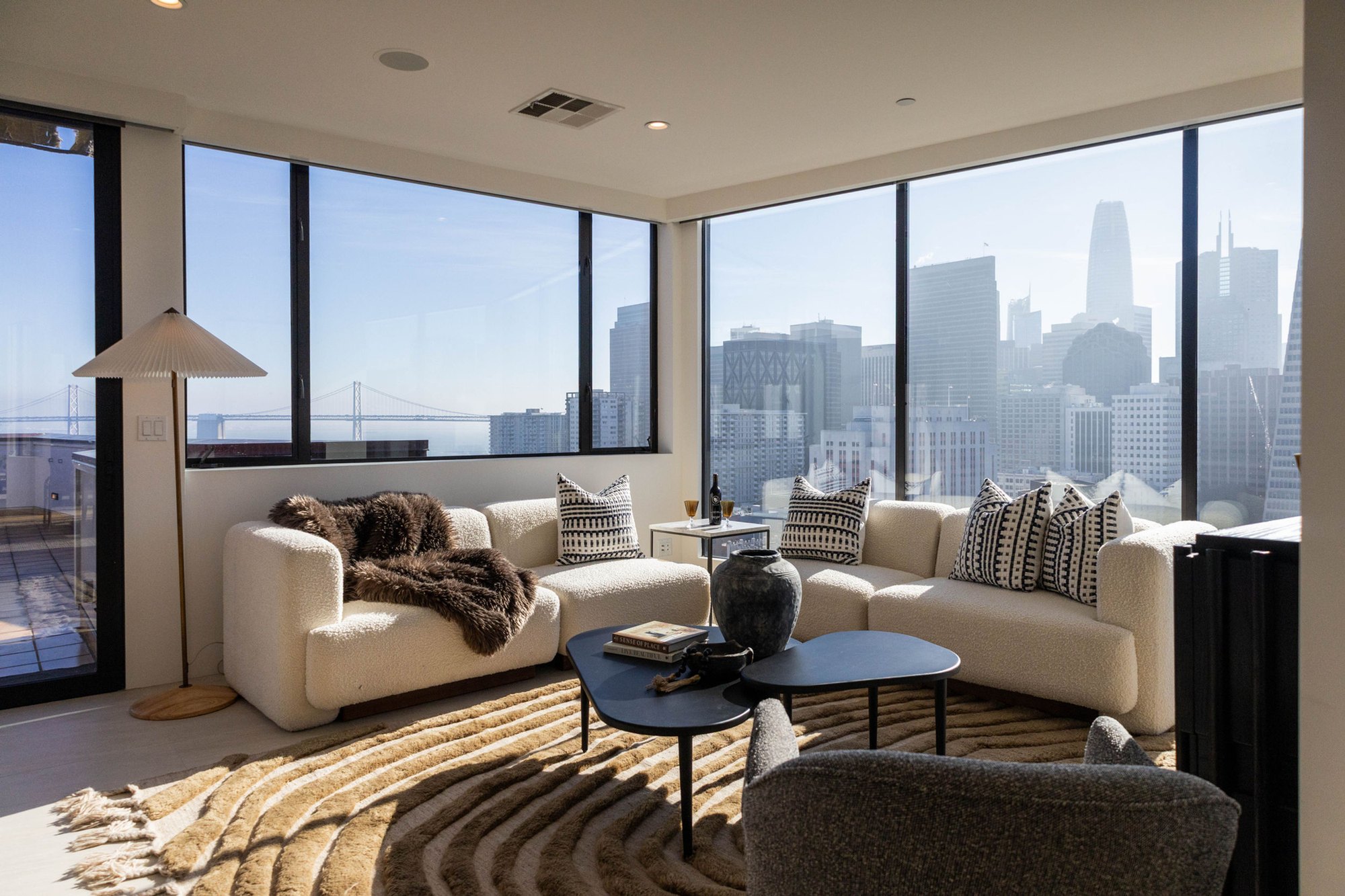
Start Preparing Before the Camera Arrives
A home can look beautiful in person and still fall flat in listing photos. Dark corners, oversized furniture, crowded countertops, and awkward room layouts become even more noticeable through a camera lens. For San Francisco sellers, preparing the property before the photographer arrives is one of the most important steps in making a strong first impression online.
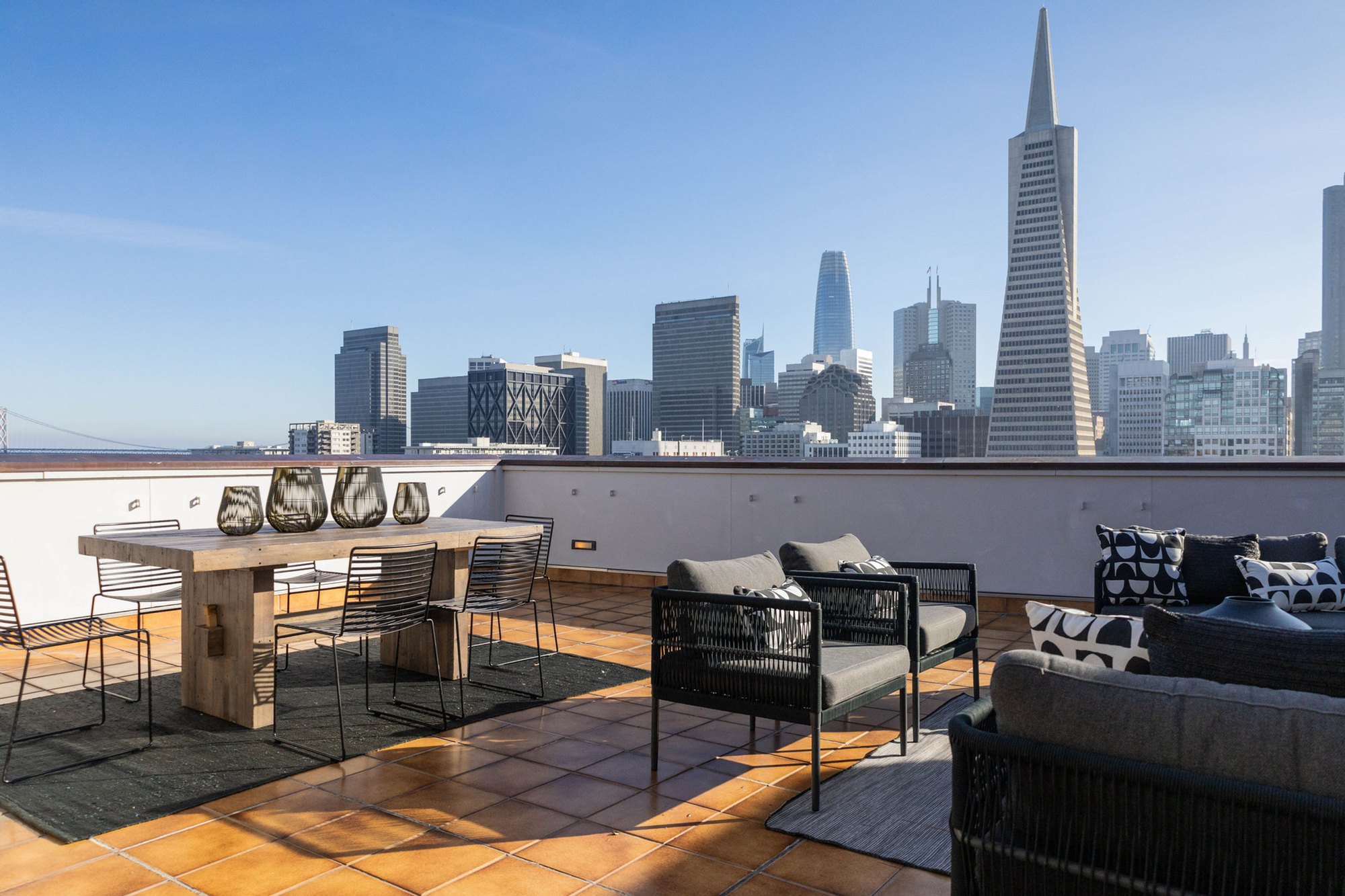
At The Pegasus Team of San Francisco, we approach staging with both photography and in-person showings in mind. We consider how each room will appear on screen, what buyers will notice first, and which details deserve attention before the listing goes live.
Start With a Walkthrough and a Clear Plan
A professional staging plan begins by examining the home rather than immediately choosing accessories. We review furniture scale, traffic flow, natural light, architectural features, and how rooms connect. This helps us identify distractions and decide which spaces need the most support.
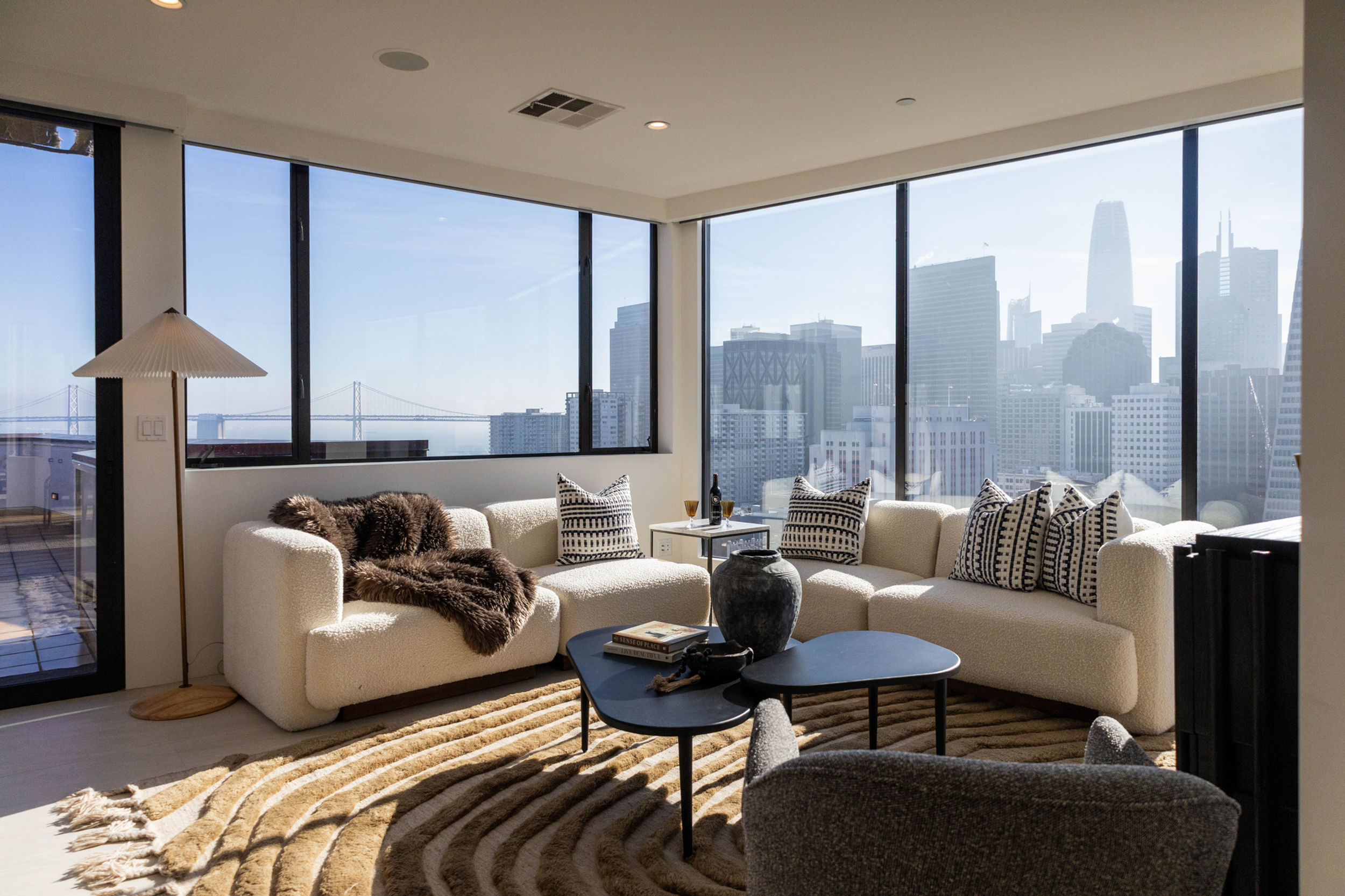
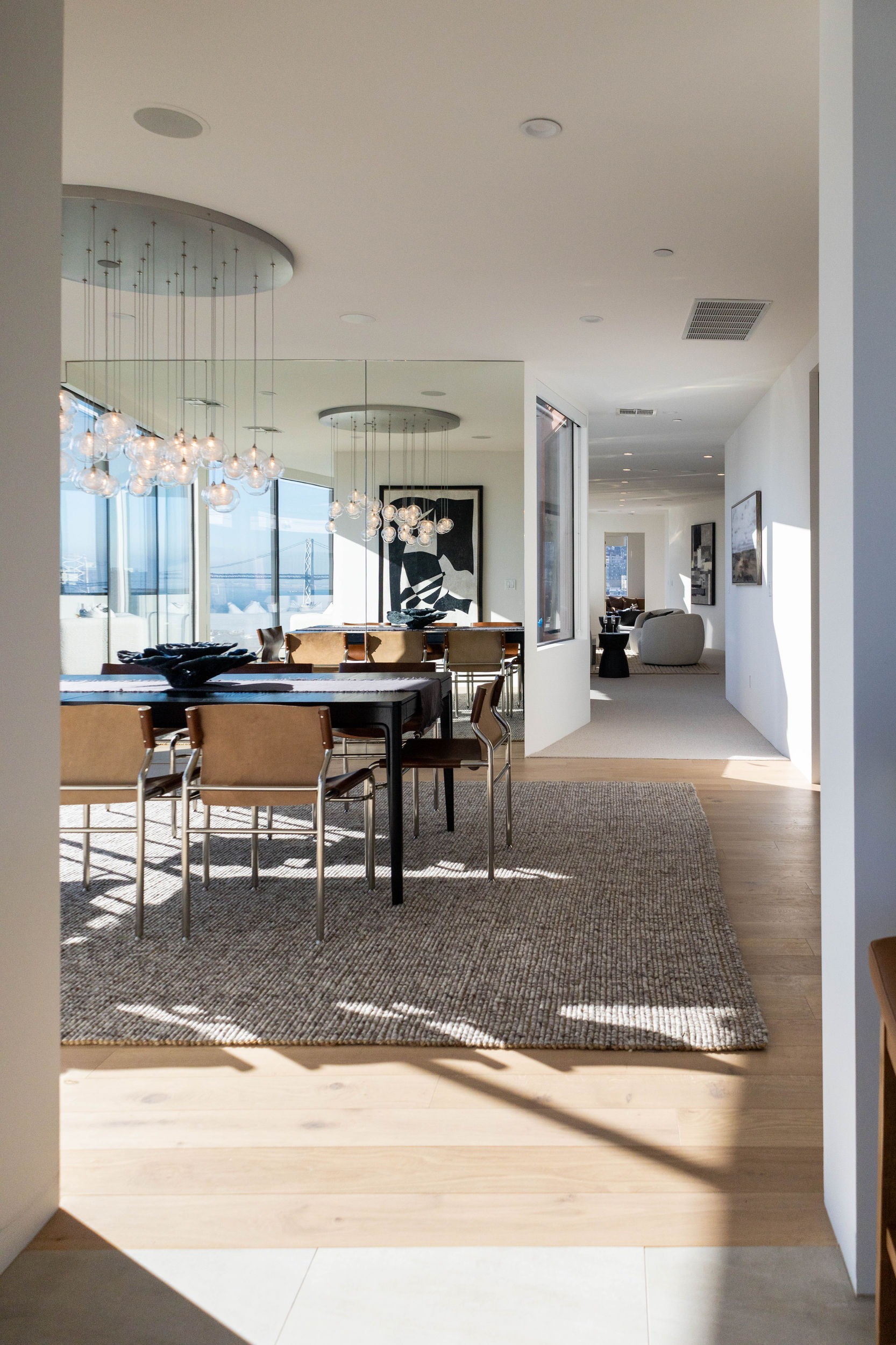
In a compact condominium, the priority may be to open walkways and define a dining area. In a larger home, the challenge may be making an expansive living room feel balanced without hiding a view. The goal is to help photographs communicate a room's actual purpose and proportion.
Remove Visual Clutter Before Adding Style
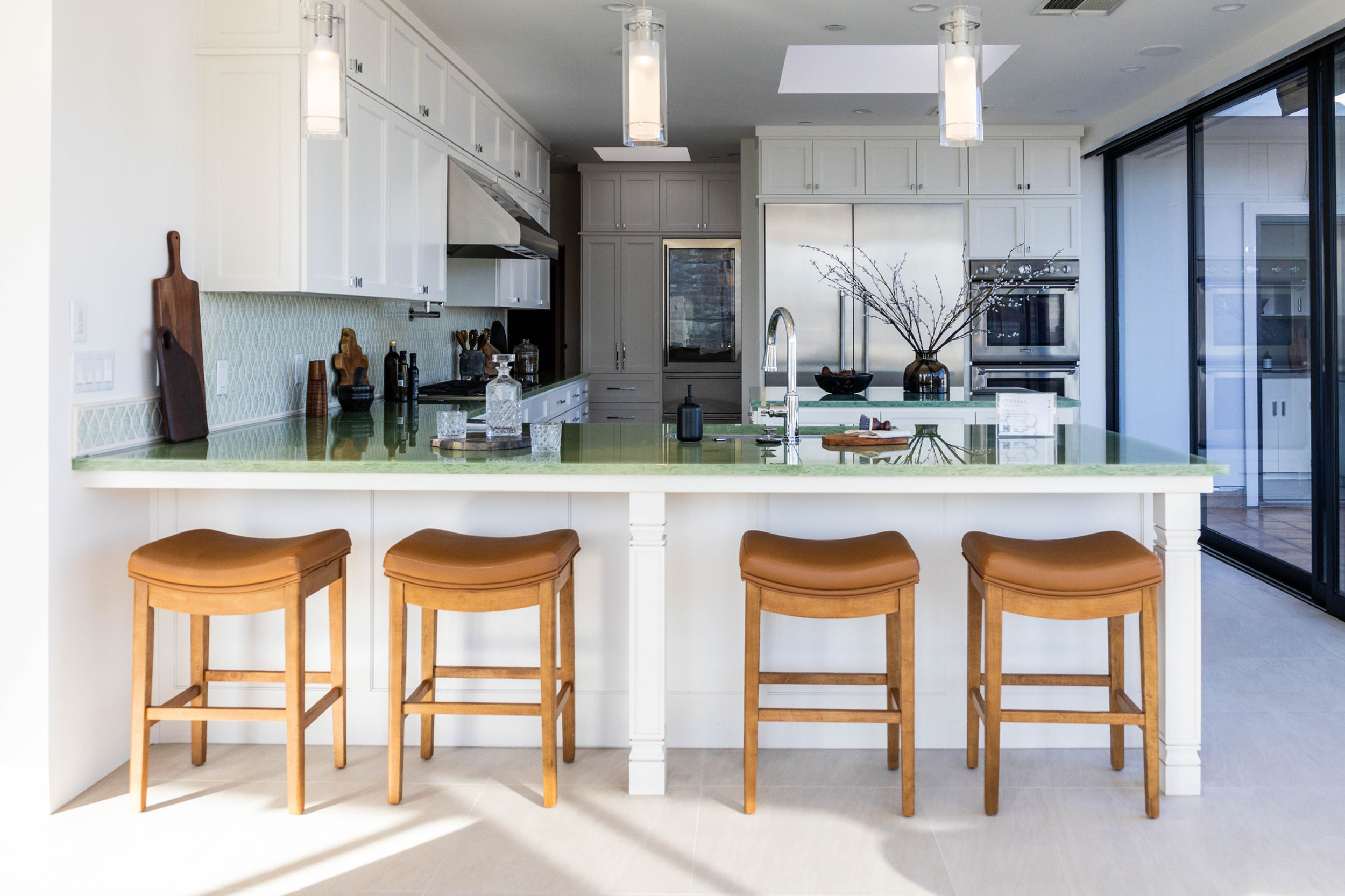
A camera captures details people sometimes overlook in everyday life. Papers on a desk, cords near the television, crowded shelves, and too many kitchen appliances can make a room feel busy. Before styling, remove unnecessary items, personal photographs, and anything drawing attention away from the property.
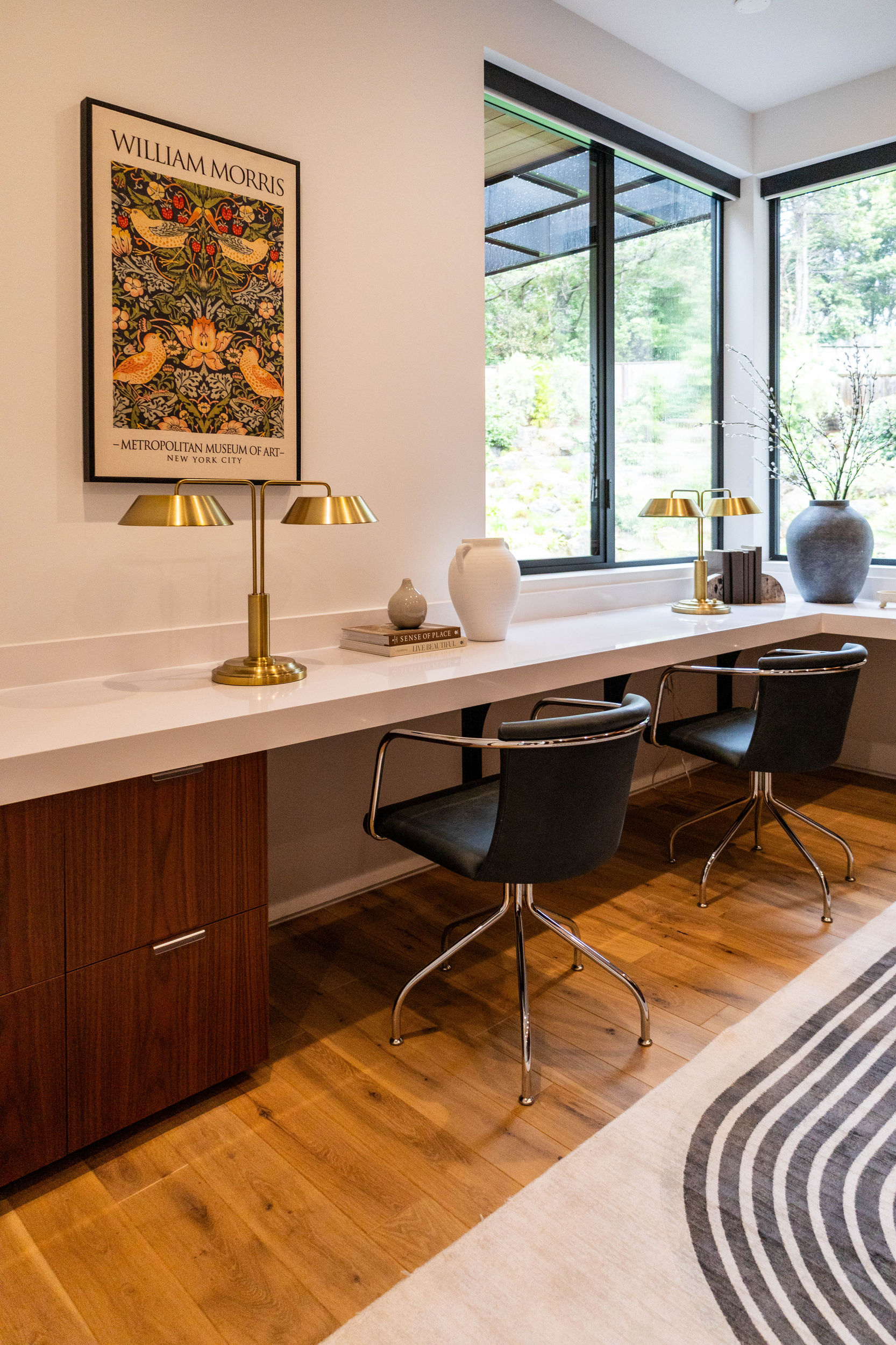
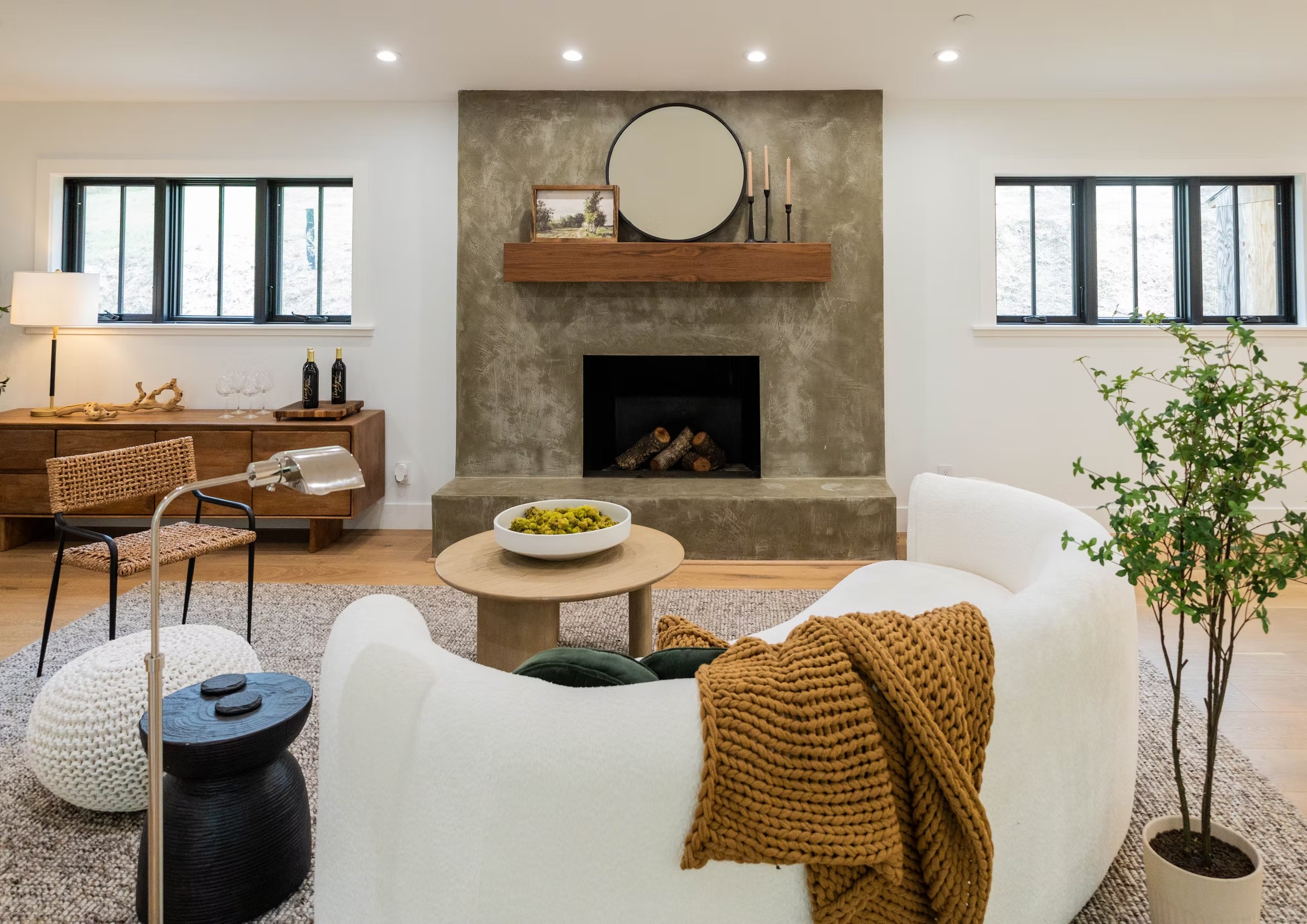
We favor a few intentional accessories over crowded surfaces. A simple centerpiece or well-placed artwork gives a photograph a focal point while leaving the home itself in view.
Choose Furniture With Photography in Mind
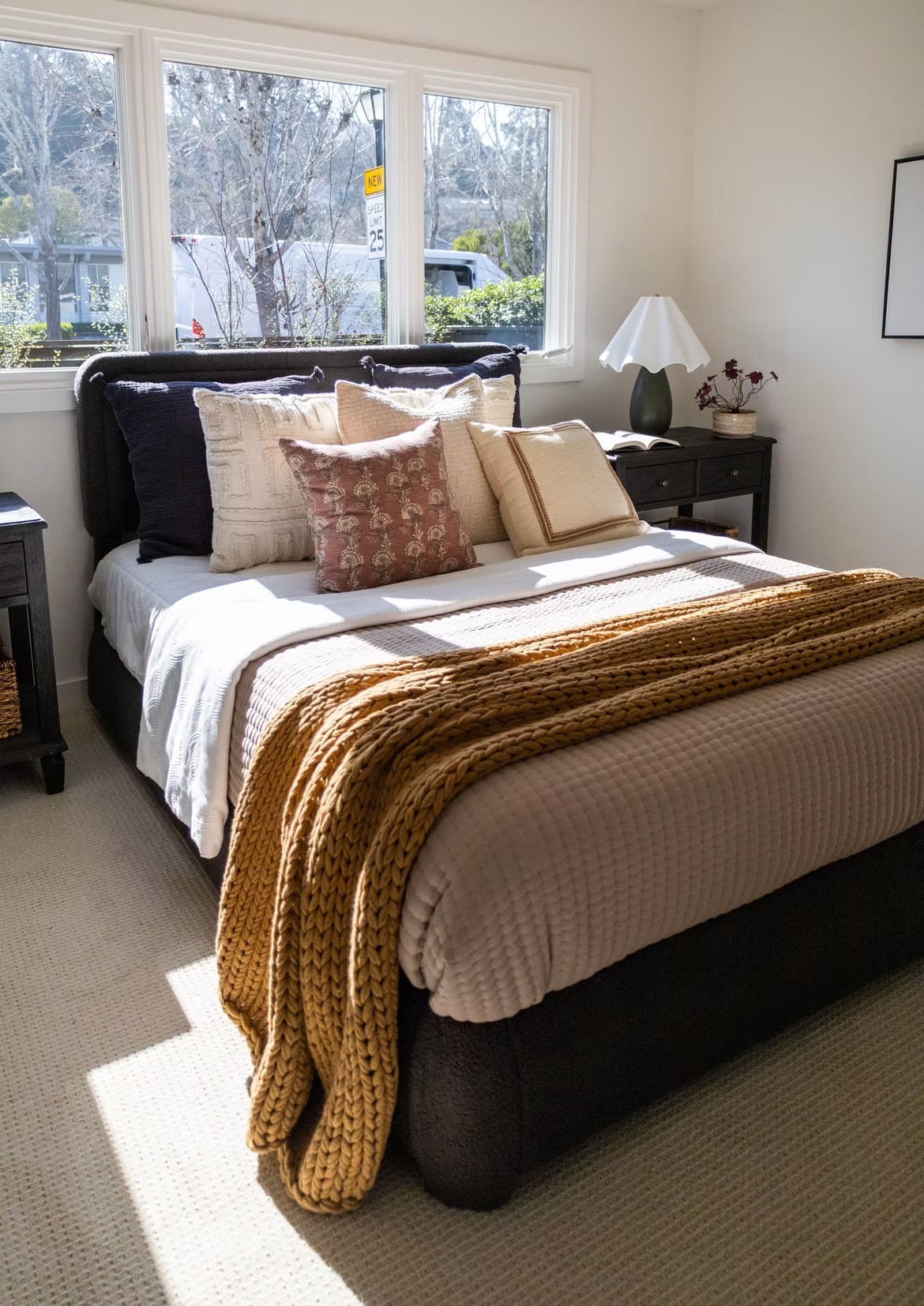
Furniture can help buyers judge room size, but poor placement may distort how spacious a room feels. We use appropriately scaled pieces to define living, dining, and sleeping areas while keeping doorways and sight lines open.
For vacant homes, this may involve bringing in curated furniture, rugs, and accessories. For occupied homes, it may mean refining an existing layout and removing pieces rather than adding more. Both approaches help a photographer capture clear, welcoming spaces.
Make Light and Finishes Work Together
Before the photo session, clean windows, open suitable window coverings, and check bulbs for inconsistent color or poor illumination. Furniture should not obstruct a room's best natural light. Mirrors and reflective surfaces may help brighten darker areas when placed carefully.
Sometimes preparation reveals issues staging cannot solve alone. We also offer pre-market improvement support for targeted updates and repairs. Addressing worn paint, damaged finishes, or dated fixtures before photos may give staging a cleaner foundation.
Coordinate Installation Before the Photo Shoot
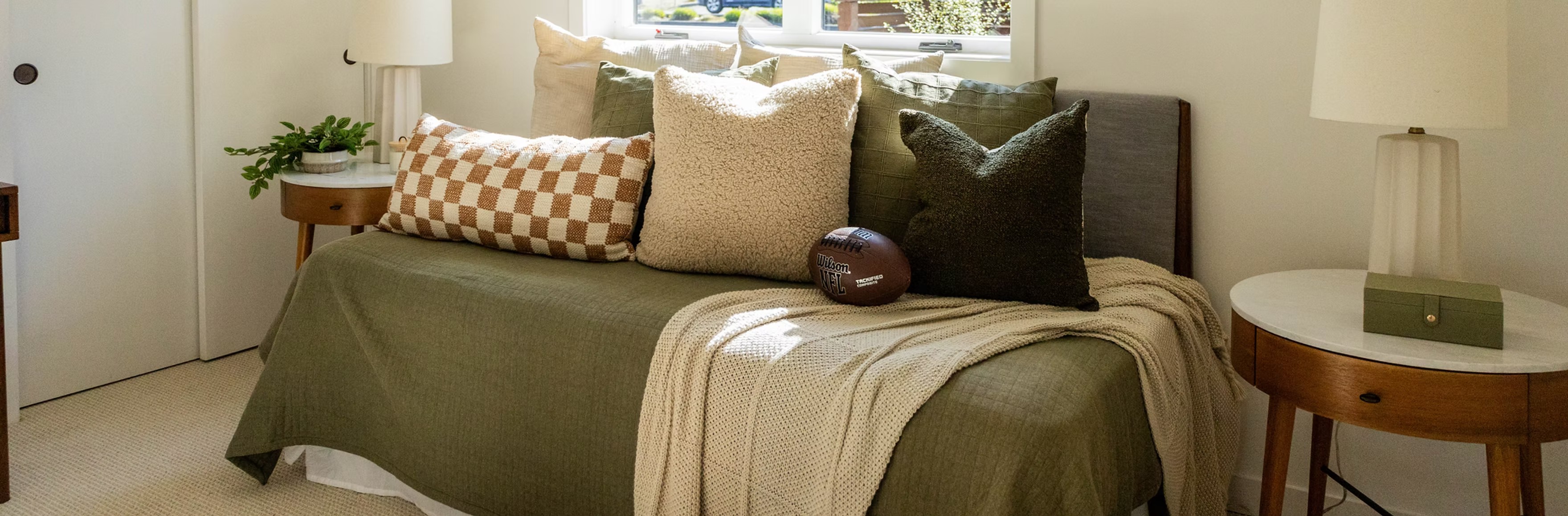
Timing matters. We work with agent partners from the initial walkthrough through staging and installation, with clear communication and agreed-upon schedules helping keep listing preparation organized. Once furnishings are arranged, final styling can focus on straightening textiles, clearing surfaces, aligning chairs, and checking the room from the camera's viewpoint.
Build the First Impression Before Listing Day
Staging cannot replace professional photography or smart pricing, but it will give photographs a clearer story to tell. Buyers should see usable rooms, appealing features, and a home ready to explore.
If you are preparing a San Francisco property for sale, contact The Pegasus Team of San Francisco. We will help develop a staging plan suited to your home, timeline, and buyer audience before photography and showings begin.