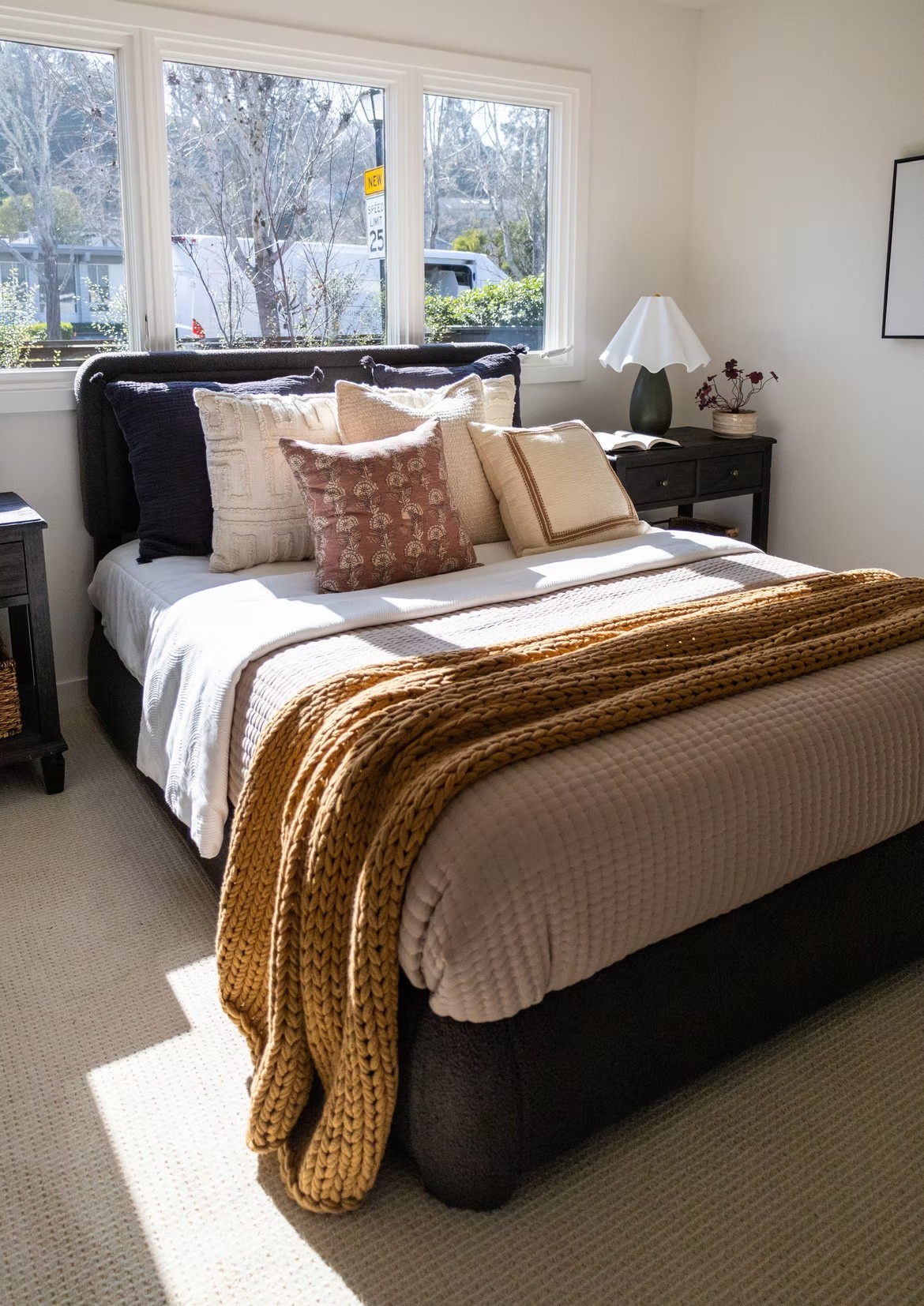
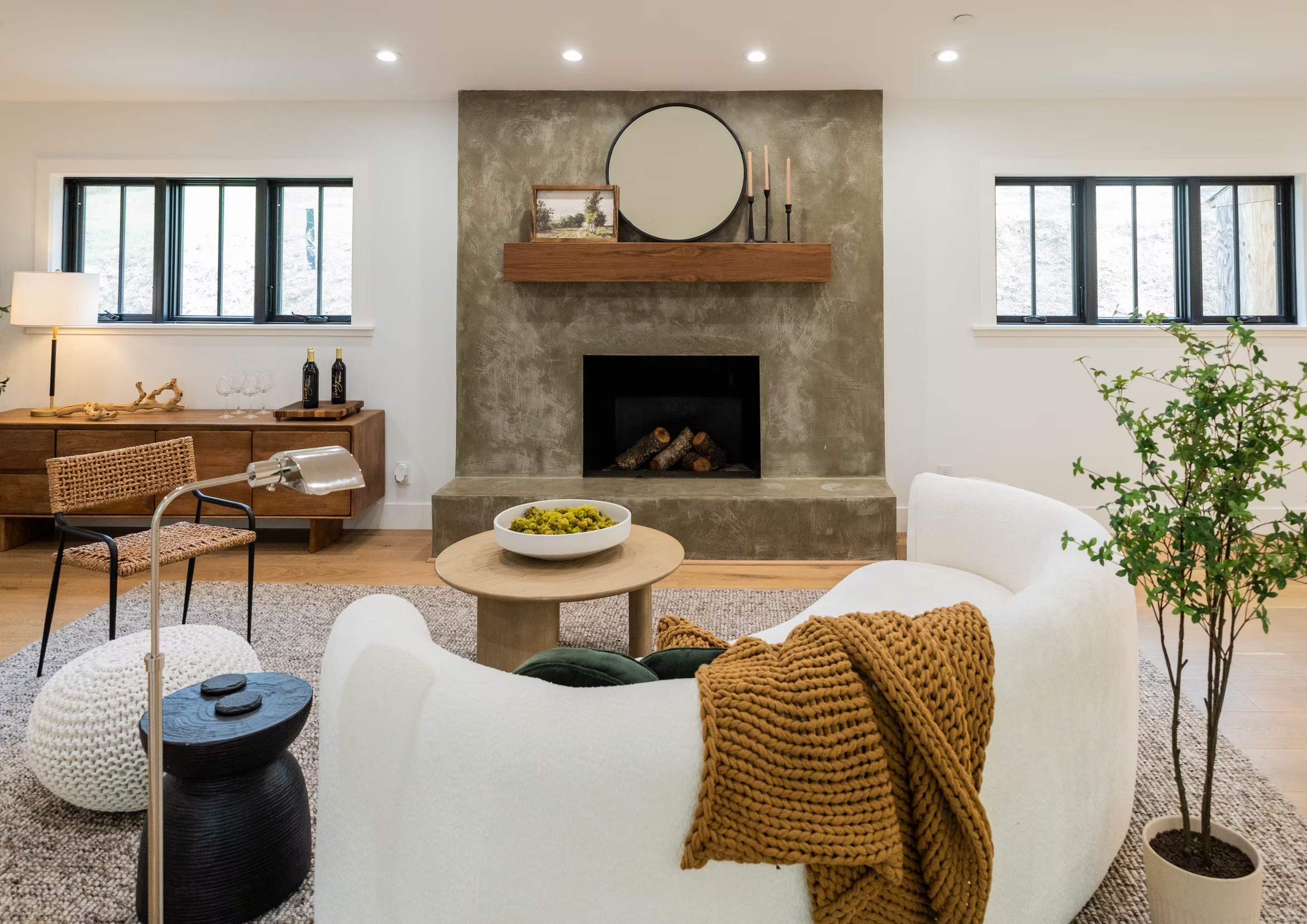
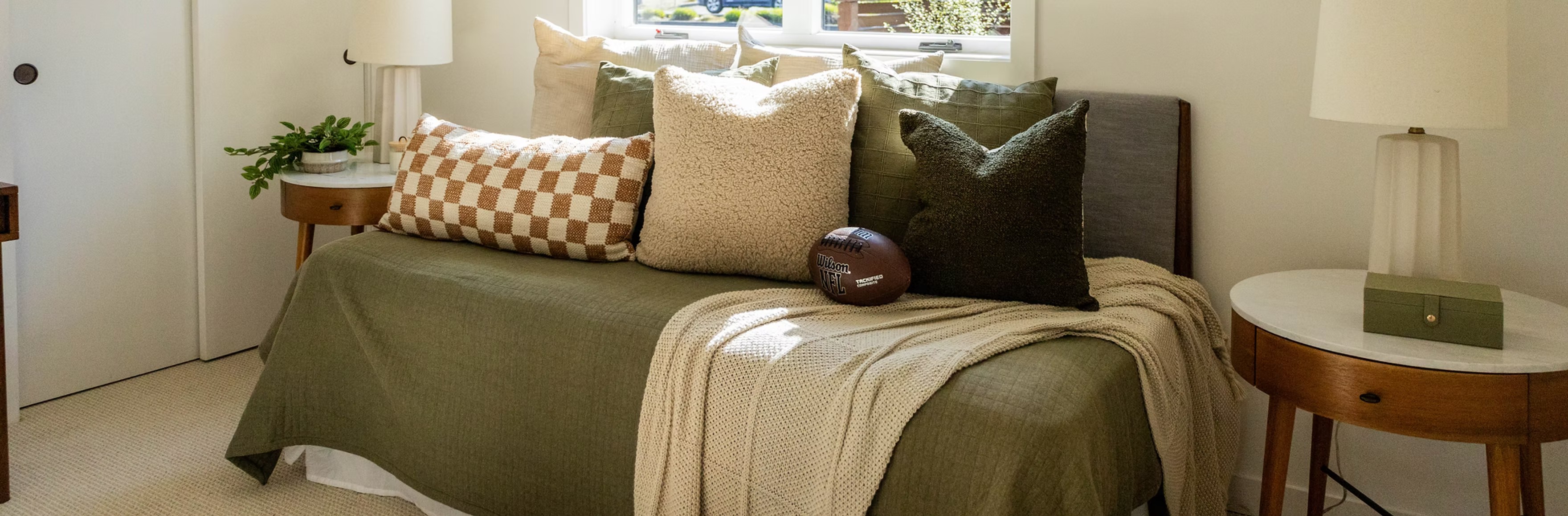
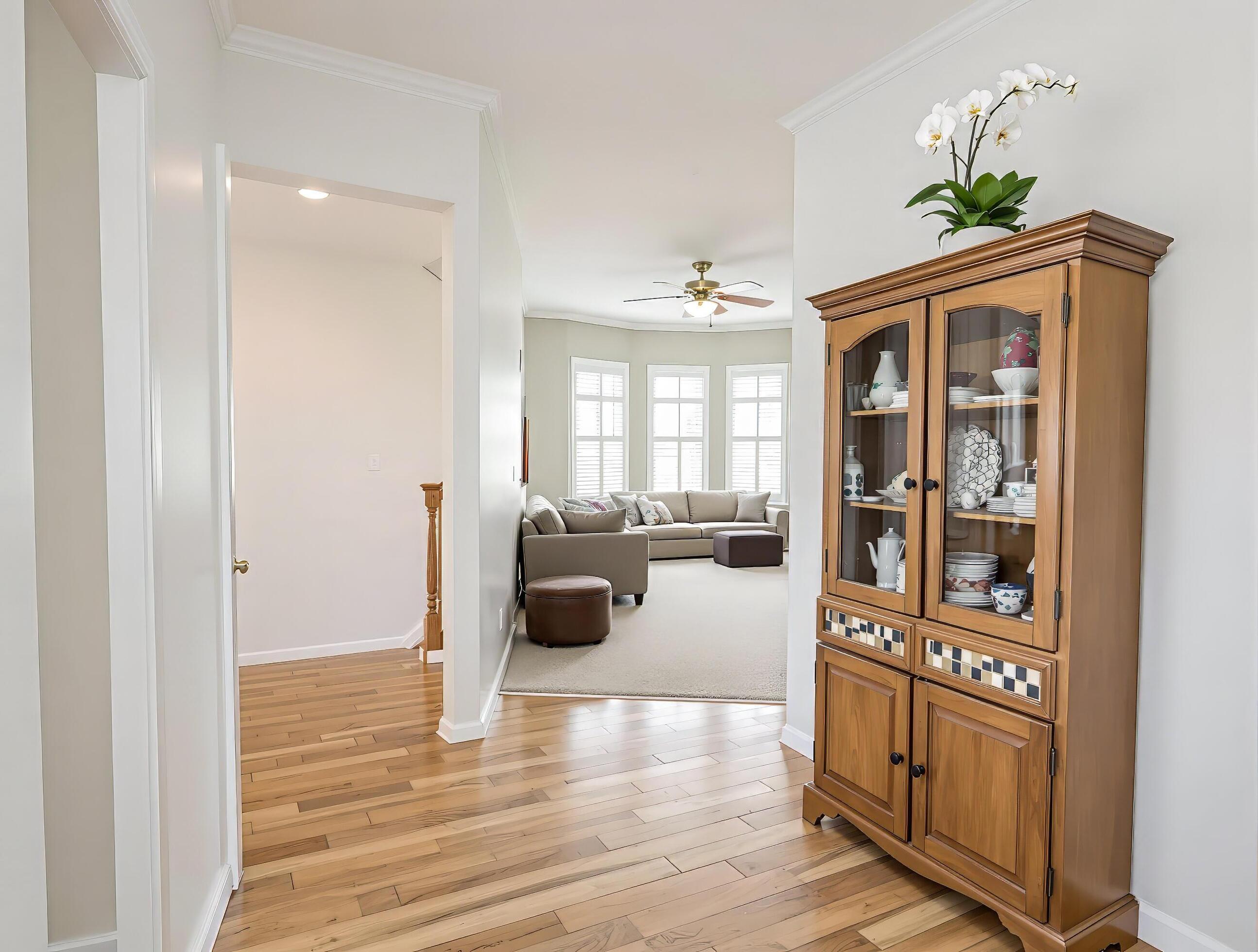
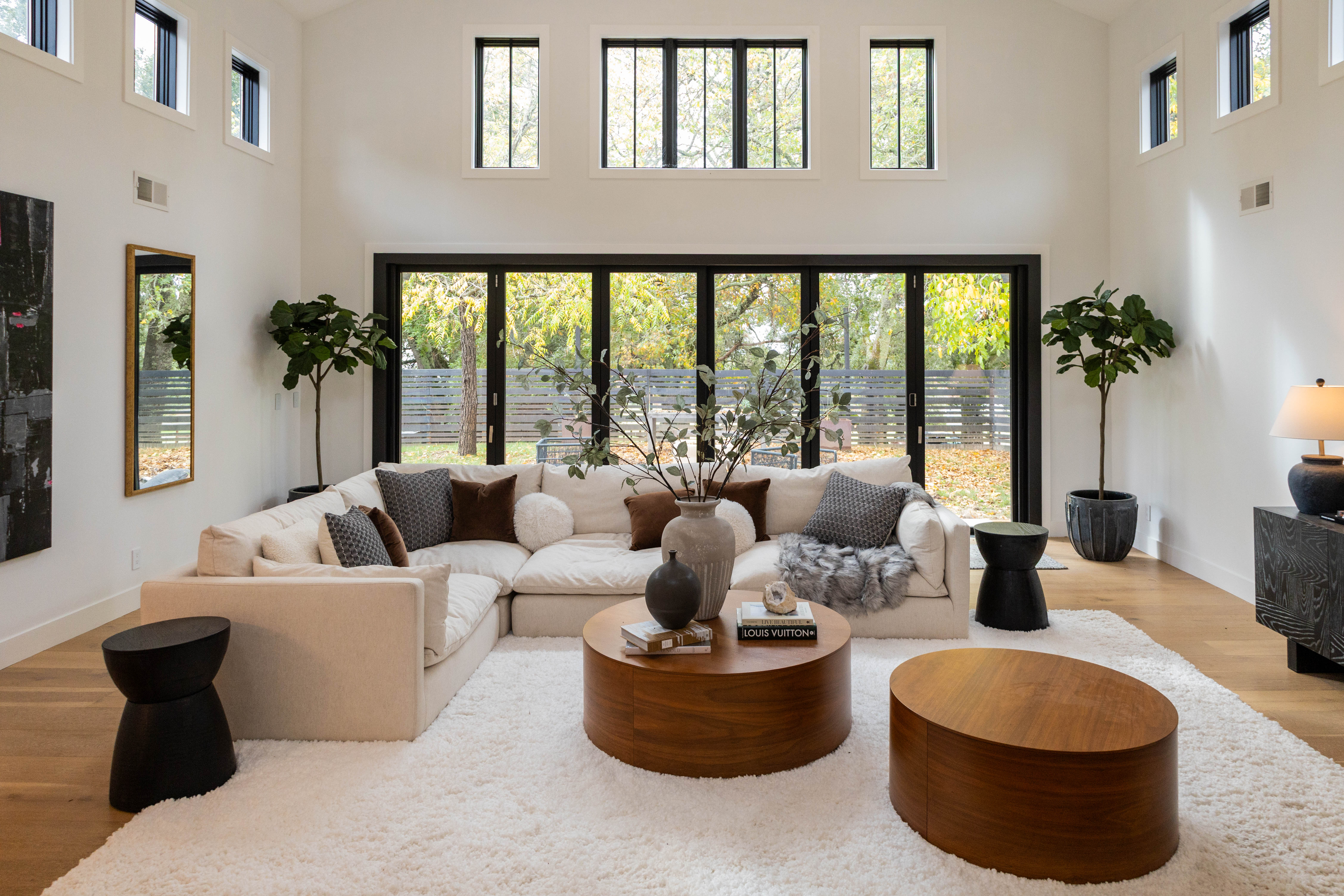
 Contemporary homes already have a strong look. Clean lines. Open rooms. Warm neutrals. Natural textures. The problem is that a lot of these homes still show flat when they sit vacant. Buyers walk in and see the architecture, but they do not always understand how the space lives. They also notice every empty corner because the style is so minimal. Contemporary staging keeps the clean feel, but adds enough structure and warmth to help buyers picture everyday life.
What Contemporary Staging Is Really Doing
This style is not about filling a home with decor. It is about making the home feel grounded and intentional. Buyers should feel like the space has a rhythm. Where people gather. Where they relax. Where they eat. When a home is vacant, buyers have to guess. Staging removes that guesswork without changing the home’s identity. The best contemporary staging looks like it belongs there, not like it was dropped in.
How Stagers Use Furniture to Support the Architecture
Contemporary homes often have big open areas and long sightlines. That can feel impressive, but it can also feel empty if there is no scale. Stagers choose pieces that sit low, feel clean, and help define zones. A living area needs a clear anchor. A dining space needs a center. Walkways need to stay obvious. When furniture is sized correctly, buyers stop worrying that the room is awkward or too large to furnish. They start imagining their own furniture instead.
The Materials and Textures That Make the Style Feel Right
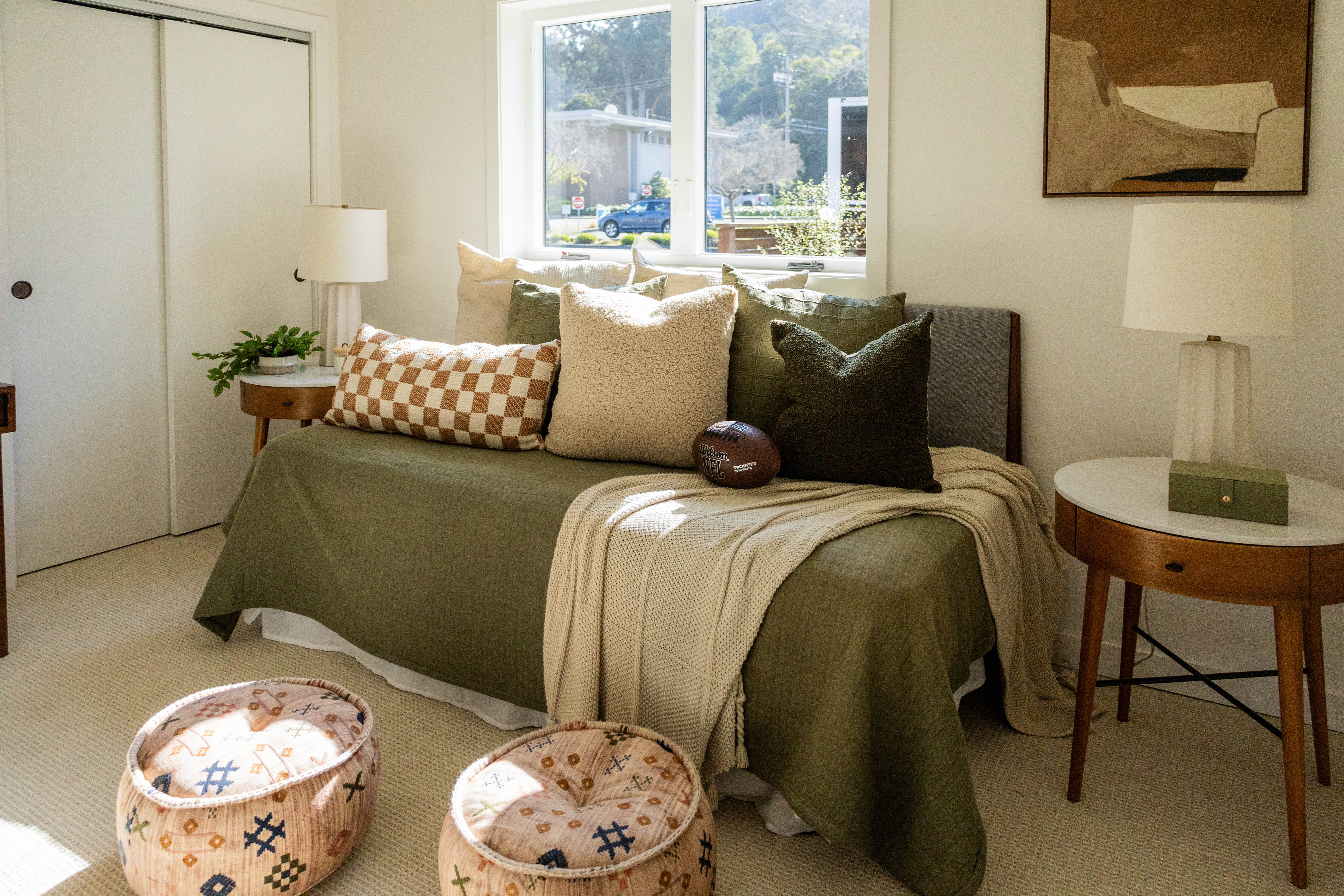
Buyers expect Contemporary homes to feel warm, not sterile. Texture is where that warmth comes from. Staging leans into natural finishes that match what buyers already see in San Francisco builds and remodels. Think wood tones that feel sun-warmed. Woven textures that soften the hard lines. The goal is balance. Clean, modern pieces paired with soft texture so the home feels livable.
Lighting and Window Lines Matter More Than People Think
Contemporary homes often rely on light. Big windows, sliders, and bright open rooms sell the feeling. Staging keeps those lines clean. Nothing heavy that blocks the glass. No furniture that interrupts the view. Lighting inside the home should feel soft and consistent, especially in rooms with corners that fall into shadow. Buyers do not say “the lighting is balanced,” but they feel it. When the light feels right, the home feels calmer.
Keeping the Look Minimal Without Feeling Empty
Minimal homes are unforgiving. A vacant room can feel unfinished. Too many accessories can feel like clutter. Staging has to land in the middle. A few pieces that create a focal point. A rug that grounds the room. Simple artwork that does not fight the architecture. Bedding that looks clean and comfortable. A dining setup that suggests real use without looking staged for a magazine. Buyers like contemporary style because it feels simple. The staging should honor that simplicity without leaving the home feeling bare.