Water damage is overwhelming.
Even for small-scale water damage, you need a professional cleanup and repair service. While the restoration process depends on the intensity of the damage, there is a standard restoration procedure that every professional follows. Here is the standard clean up and repair process that a professional follows after water damage.
Step 1: Shutting Down the Water Line
The first step towards the water damage clean-up and repair process is to shut down the main water line. This will stop the flow of water and prevent further damage. The water damage clean-up and restoration process can only begin once the main source of water has been turned off.
Step 2: Inspecting and Assessing
The next step is to inspect the source of the water leak and determine the extent of water damage. During the inspection and assessment stage, a professional worker uses appropriate tools and instruments to measure the water levels. Then, they prepare a report with all the relevant details, which may include the cause of the leak and the extent of damage. This report will also include details of the timeline and equipment required for the cleanup process.
Step 3: Removing Stagnant Water
The longer the water stays in your home, the more damage it will cause. Thus, removing stagnant water is the most essential step in the restoration process. The professionals use heavy duty vacuum cleaners to clear away the water. They must ensure that water is cleared away from all possible hiding spots, such as beneath the cabinets.
Step 4: Drying Out the Area
Once all the water is removed, the next step is to dry the area. This is done through special equipment that dries out the water from all areas. The professionals may need to move around the beds, sofas, carpets, and other pieces of furniture to dry out all the saturated parts of the house.
Step 5: Dehumidifying
The restoration professionals use dehumidifying machines to remove all moisture and maintain the temperature.
Step 6: Detecting and Removing Mold
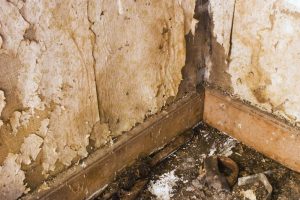
One of the dangers of water damage is mold growth. Mold needs a moist environment to grow and survive. It releases hazardous toxins, causes structural damage, and has a bad odor. Once the property is all dried out, a restoration professional detects and removes mold. They also sanitize and disinfect the area to minimize further mold growth.
Step 7: Restoration and Renovation
Once the water is cleaned and dried up, it is now time to restore and renovate the house. A restoration professional assesses all structural damage and starts the reparation process. They repair all damages, such as a hole in the wall or gap in the floor and try to bring your house back to its original form.