People considering dry needling usually want to know one thing. Will it actually work, and what's it going to be like? Fair questions, and the honest answers depend on understanding that dry needling is rarely a one-and-done. It's a course of treatment that builds over a few sessions. Knowing how that arc goes makes it a lot easier to decide whether it's worth starting.
What Does it Do?
Quick background first. Dry needling targets trigger points, the tight knots that form in a muscle and won't release. A thin needle goes straight into the knot, deeper than any massage or stretch can reach. The muscle gives a quick twitch, the knot lets go, and the pain it was causing, including the pain it was referring elsewhere, tends to ease.
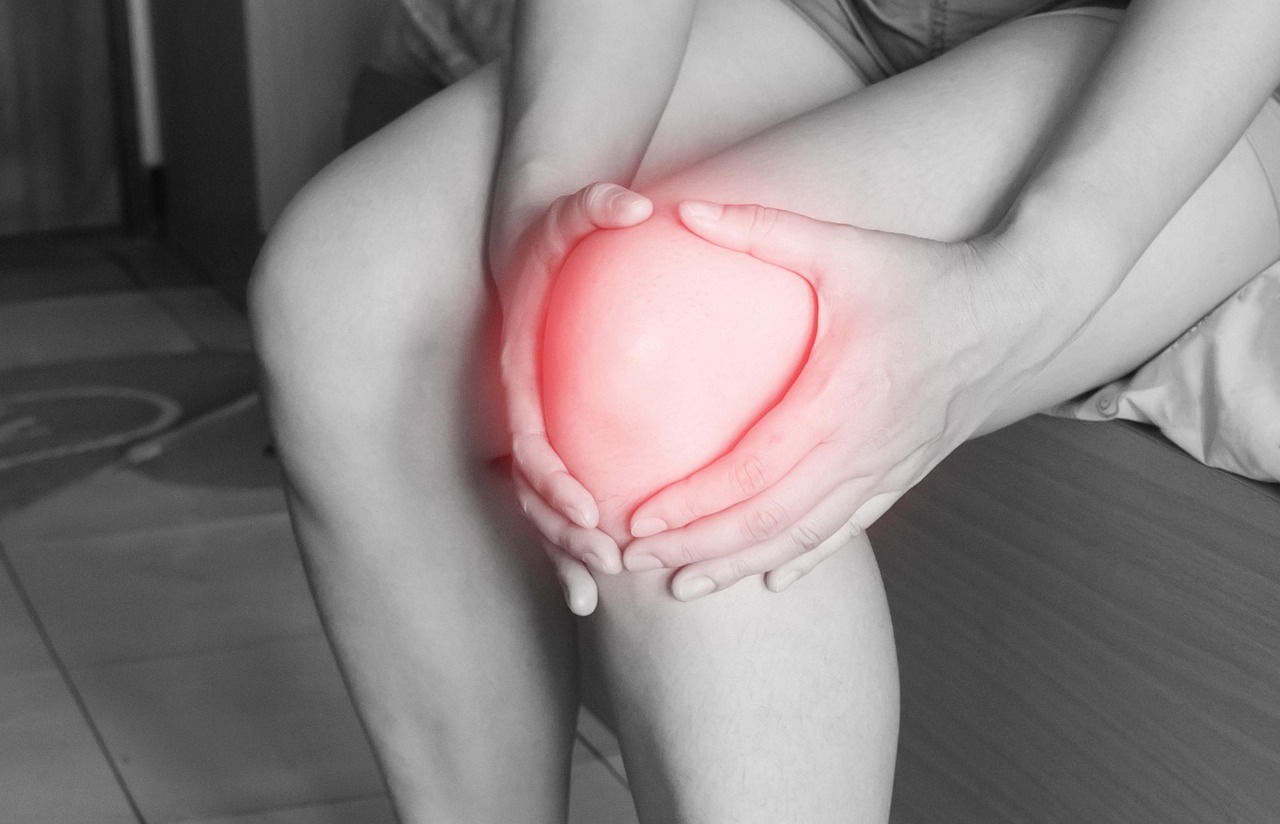
For chronic muscle pain that's in the same spot for months, that's a direct line to the cause. The catch is that stubborn, long-standing knots usually don't surrender everything in one visit.
The First Session
The first appointment starts with figuring out whether trigger points are even behind your pain. If they are, you'll likely get needled that day. Expect the thin needle, the quick twitch, and afterward some soreness like the day after a hard workout.
A lot of people feel a difference within a day or two. The area loosens, the pain drops a notch. For some, that first session is a noticeable shift. For others, it's a smaller one. Either way, it's information, telling the therapist how your muscles respond and what to adjust.
How Results Build
Here's the part worth understanding. Each session tends to build on the last. A deeply stubborn knot that's been there for months might loosen partway the first time, more the second, and fully release by the third or fourth. The relief often stacks up rather than arriving all at once.
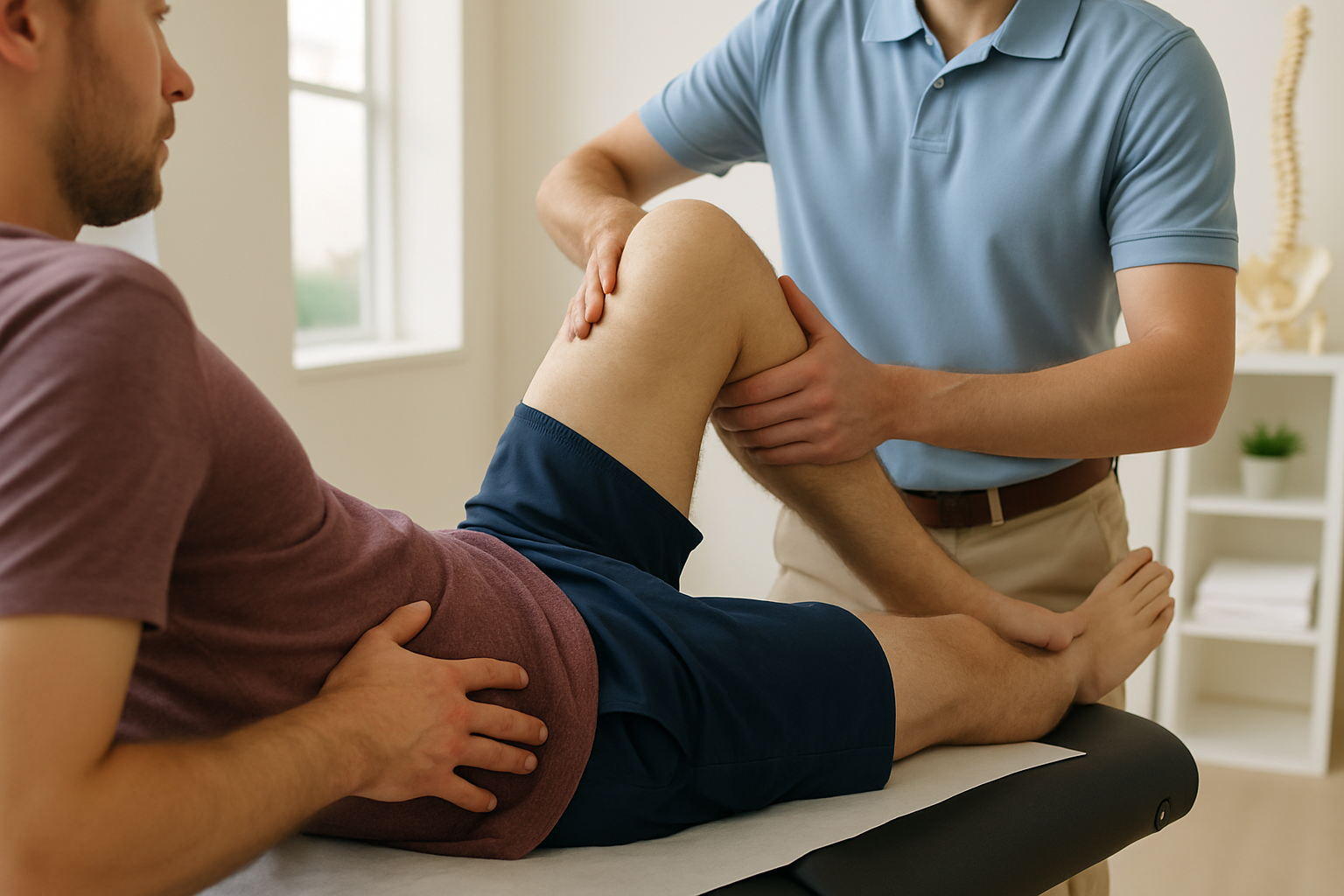
A typical course runs a handful of sessions, spaced out so the muscle has time to respond between them. As things improve, the needling usually gets paired with movement and strength work, since that's what keeps the knots from forming all over again.
What Realistic Relief Looks Like
Being straight about expectations helps. For the right kind of pain, dry needling can take a chronic ache that nothing has touched and genuinely settle it. What it's not is a magic switch. The muscle-driven part of your pain responds well. If there's arthritis, a structural issue, or nerve pain mixed in, the needle won't reach those, which is why the evaluation matters up front.
Done as a full course paired with the right follow-up work, it tends to give lasting relief rather than a temporary loosening.
When to Look Into Treatment
Worth asking about when pain's lived in the same spot for a while, when nothing at home reaches it for long, when it loosens with massage, then tightens back up, or when it's clearly coming from a tight, knotted muscle.
If you're weighing whether dry needling is worth a try, Modern Medicine of Phoenix, AZ, can check whether your pain fits and walk you through what a course would look like. Give us a call to get started.