 Why Tendon and Ligament Pain Can Linger
Tendon and ligament injuries often sound minor at first. A person says they pulled something, tweaked a joint, or felt a sharp pain during a workout. Then the pain stays and days pass, then weeks, and the area still does not feel right.
We see this often at Modern Medicine of Phoenix, AZ. Some patients come in after a sudden sports injury. Some feel pain that has built up slowly from repeated strain. A runner may develop pain near the knee or ankle. These injuries can be frustrating.
What Tendons and Ligaments Do
Tendons connect muscles to bones, helping the body move. Ligaments connect bone to bone. They help hold a joint steady. Both tissues matter every time you run, twist, lift, push, pull, or change direction.
Pain in these tissues often follows overload. That overload may come from one awkward step, one hard fall, or one forceful movement. It can just as easily be built from repeated strain. A person who throws, jumps, golfs, lifts, or works on their feet all day may repeatedly place the same tissue under stress.
What a Sports Medicine Clinic Looks At First
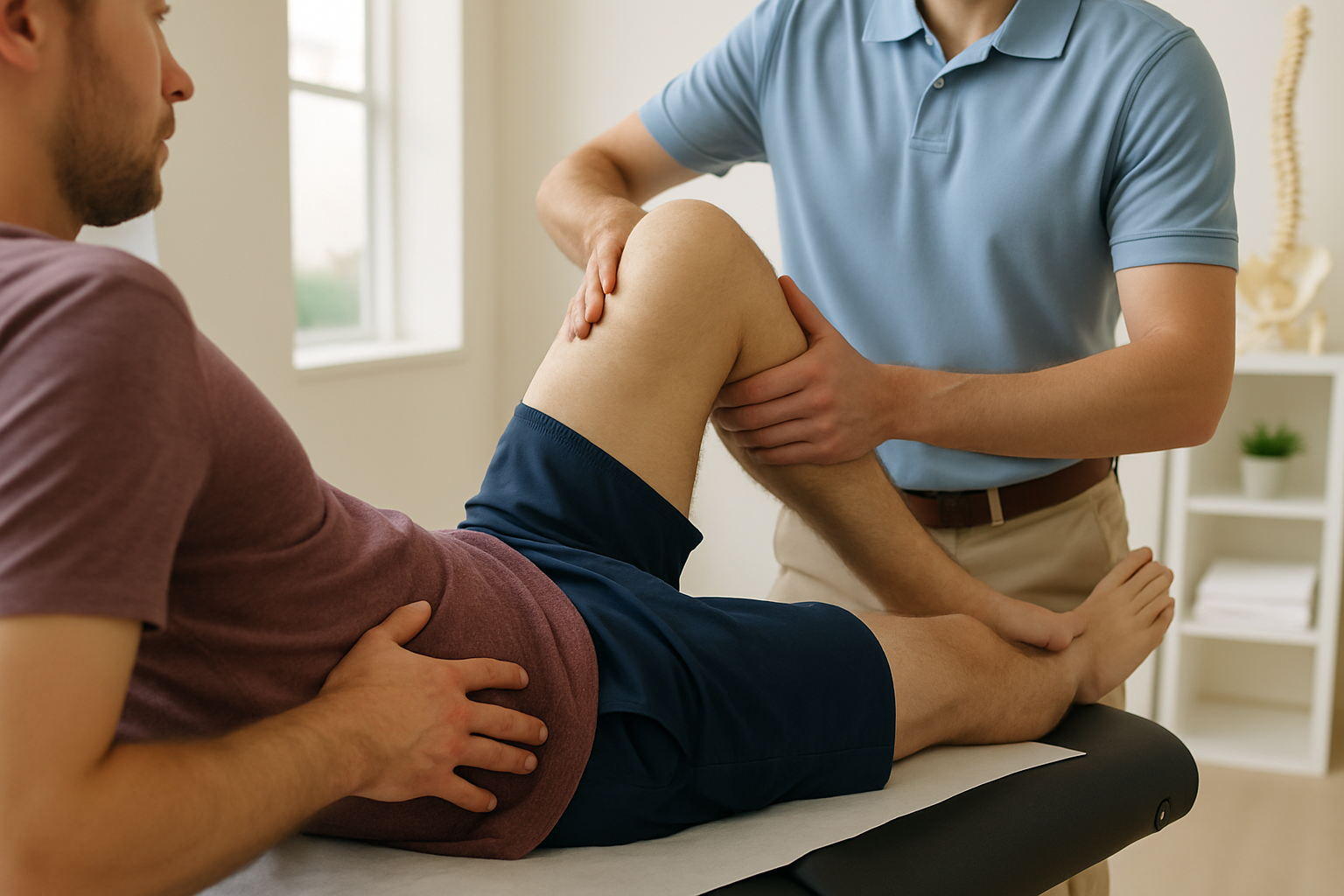
At Modern Medicine of Phoenix, AZ, we check how the joint moves, what motions trigger pain, where the tissue feels tender, and how the surrounding muscles support the area. A weak hip can increase stress at the knee. A stiff ankle can change foot placement. A weak shoulder blade can affect tendon strain in the shoulder or elbow.
During a visit, we may assess:
- Range of motion
- Swelling
- Joint stability
- Strength
- Balance
- Walking or running form
- Sport or work movements that bring on pain
That exam helps us separate one pattern from another, as a fresh ligament sprain needs a different plan than long-term tendon irritation that never fully settles down.
How Sports Medicine Care Helps
Sports medicine care gives patients a way to treat tendon and ligament pain with a plan built around healing and function. Rest has a place, but rest alone rarely solves the full problem. The tissue needs the right load at the right time, and the body needs better support around the injured area.
Treatment often includes physical therapy, guided exercise, hands-on care, and movement retraining. Early care may focus on pain control, swelling, and protected movement. Then the plan shifts into strength work, balance, and return to activity.
For tendon pain, this may include controlled loading to help the tissue tolerate force again. For ligament injuries, this may include balance drills, stability work, and strength training around the joint. Many patients need both. They need pain relief and a stronger body around the injured area.
If tendon or ligament pain has kept you from moving the way you want, schedule a visit with Modern Medicine of Phoenix, AZ, and start care with a team that looks at the whole problem.