 What is Postural Pain?
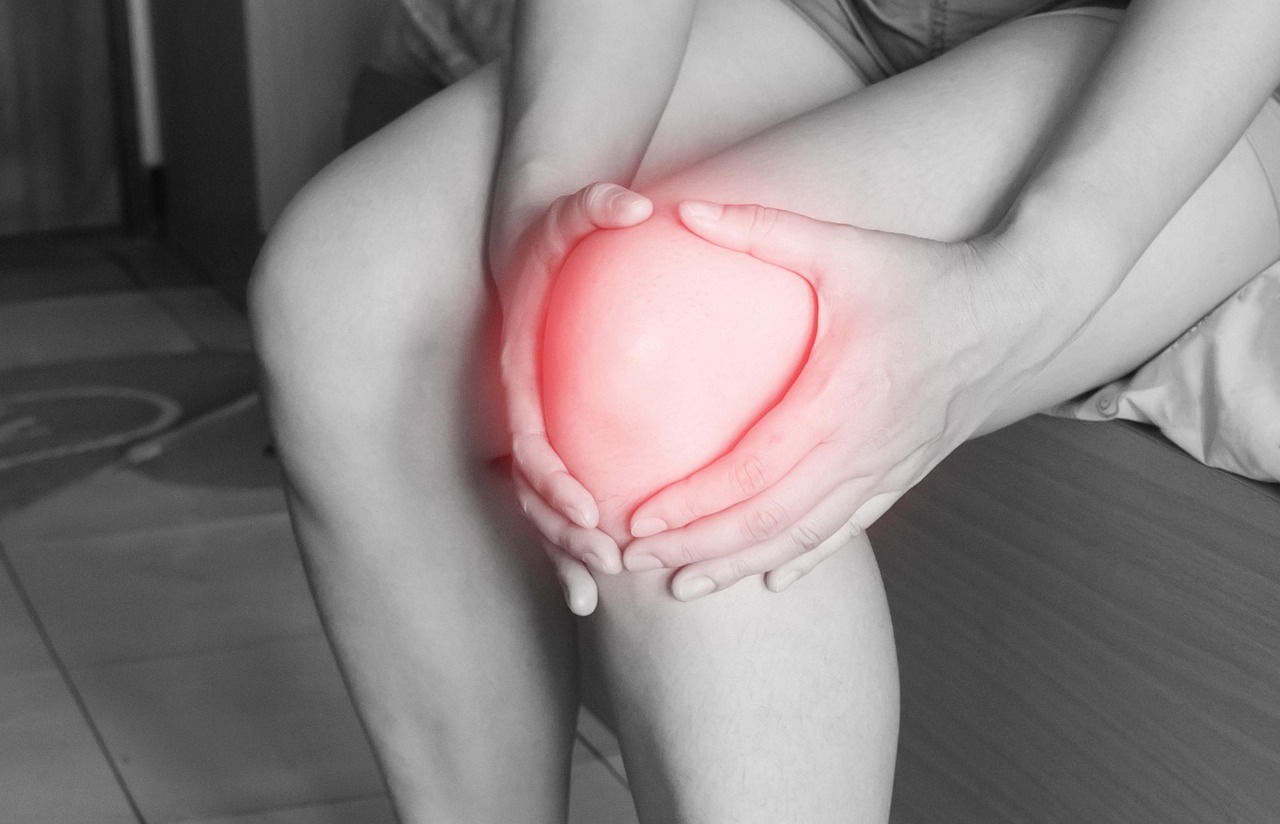
Postural pain is the soreness that builds when your body stays in the same position over and over. It’s common with desk work, driving, phone time, and jobs where you stand in one spot. It can feel like a tight neck, burning between the shoulder blades, low back ache, or headaches that show up late in the day. It’s not always one injury. It’s more like your body getting tired of the same pattern and finally pushing back.
What “Alignment Issues” Usually Mean
Most people think alignment means something is “out of place.” In practice, it’s usually a pattern of how you hold yourself and how your joints stack when you sit, stand, and move.
Common alignment patterns include:
- Forward head posture and neck tension
- Rounded shoulders and a stiff upper back
- Ribs flaring up with shallow breathing
- Pelvis tipped forward or tucked under
- Uneven weight shifting when standing or walking
These patterns can overload certain areas, like the neck holding the head all day, or the lower back taking stress when the hips and core aren’t supporting movement well.
How Alignment Problems Start
Most alignment issues come from routine, not trauma. A laptop setup that keeps you looking down. A long commute. Stress that keeps shoulders lifted. Old injuries that changed how you move. Even returning to workouts with weak core and hip support can feed the same pain cycle. Over time, your body treats the pattern as “normal,” even when it’s the reason pain keeps returning.
How Physical Therapy Treats Postural Pain
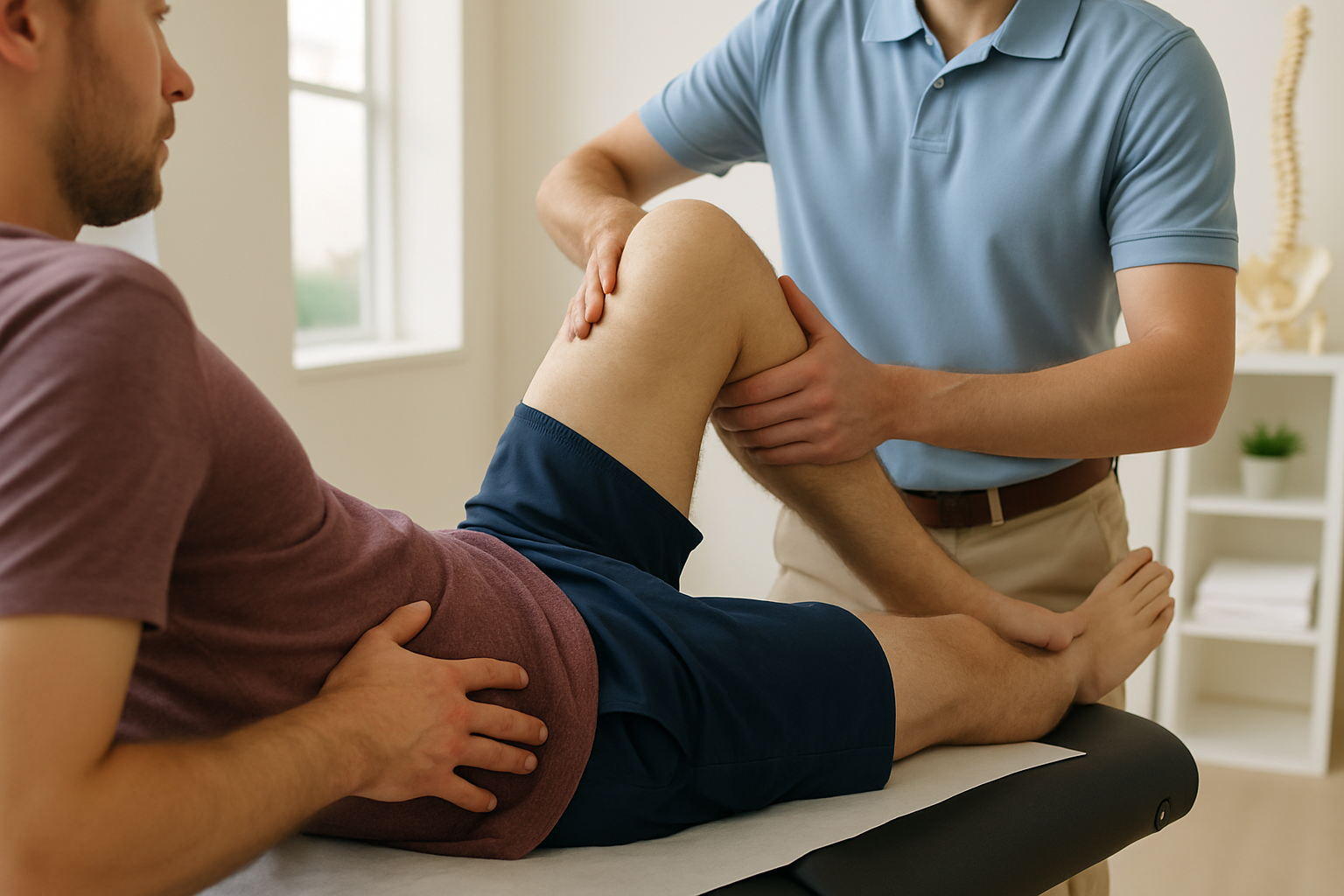
Physical therapy helps by connecting your symptoms to the pattern behind them. We look at your neck, shoulders, upper back, ribs, hips, and breathing mechanics. We also look at the positions you repeat all day, because postural pain usually lives there. The goal is to calm irritation while teaching your body a better way to hold and move, so you’re not stuck managing the same flare-ups forever.
PT Services That Often Help the Most
Postural pain responds best when you combine mobility, strength, and simple daily changes. PT may include:
- Hands-on work to reduce stiffness and improve motion
- Upper back and chest mobility to stop “rounded” posture from feeling stuck
- Shoulder blade and neck strength for better support during desk work
- Core and hip training to reduce low back overload
- Workstation and daily habit tweaks that lower strain fast
Why PT Is Usually the Best First Step Instead of Surgery
Postural pain rarely has a single surgical target. It’s usually a load and movement problem. PT addresses that directly, without the risks that come with surgery. Even if imaging shows wear-and-tear changes, you can still feel much better when your movement improves, and irritated tissues get a break from constant strain.
When to Get Checked
If pain keeps returning, is triggering headaches, or is affecting sleep and daily tasks, it’s worth an evaluation. Also, come in if you have numbness, tingling, weakness, or pain traveling down the arm.
Feel Better With Postural Pain Therapy
If posture-related neck, shoulder, or back pain is limiting your day, we can help. Schedule an evaluation with Modern Physical Therapy & Sports Medicine of Phoenix, AZ, and get a plan that reduces pain and supports better alignment over time.