 What Is Frozen Shoulder?
Frozen shoulder, also called adhesive capsulitis, is not the same as a regular sore shoulder. The tissue around the joint tightens and gets irritated, so the shoulder starts losing motion along with pain. Most people notice it in everyday moments, reaching for the seatbelt, pulling a shirt over their head, putting on a jacket, grabbing something from a cabinet, or reaching behind their back. It can feel like the joint hits a wall. Night pain is common, too, and sleep often becomes the first thing that gets wrecked.
How Frozen Shoulder Usually Happens
Sometimes it starts after an injury or surgery when the arm stays protected, and motion drops for a while. Other times it comes on after illness or a stretch of being less active, where the shoulder just hasn’t been moving much. And plenty of people can’t point to a single cause. They notice a nagging ache, then weeks later realize the shoulder is getting stiffer and everyday reach is disappearing. Diabetes and thyroid conditions can raise the risk, but you don’t need either for frozen shoulder to show up.
Why It’s a Problem if You Ignore It
Frozen shoulder often follows an annoying pattern. At first, pain is the loudest symptom. Then stiffness becomes the main problem. When the shoulder hurts, most people stop using it, which makes the tightness build faster. Daily tasks get harder, and you start “cheating” with your neck, upper back, and other arm just to get through the day. That’s when a second set of issues can pop up, such as headaches, neck tension, or pain on the other side.
How Physical Therapy Helps Frozen Shoulder
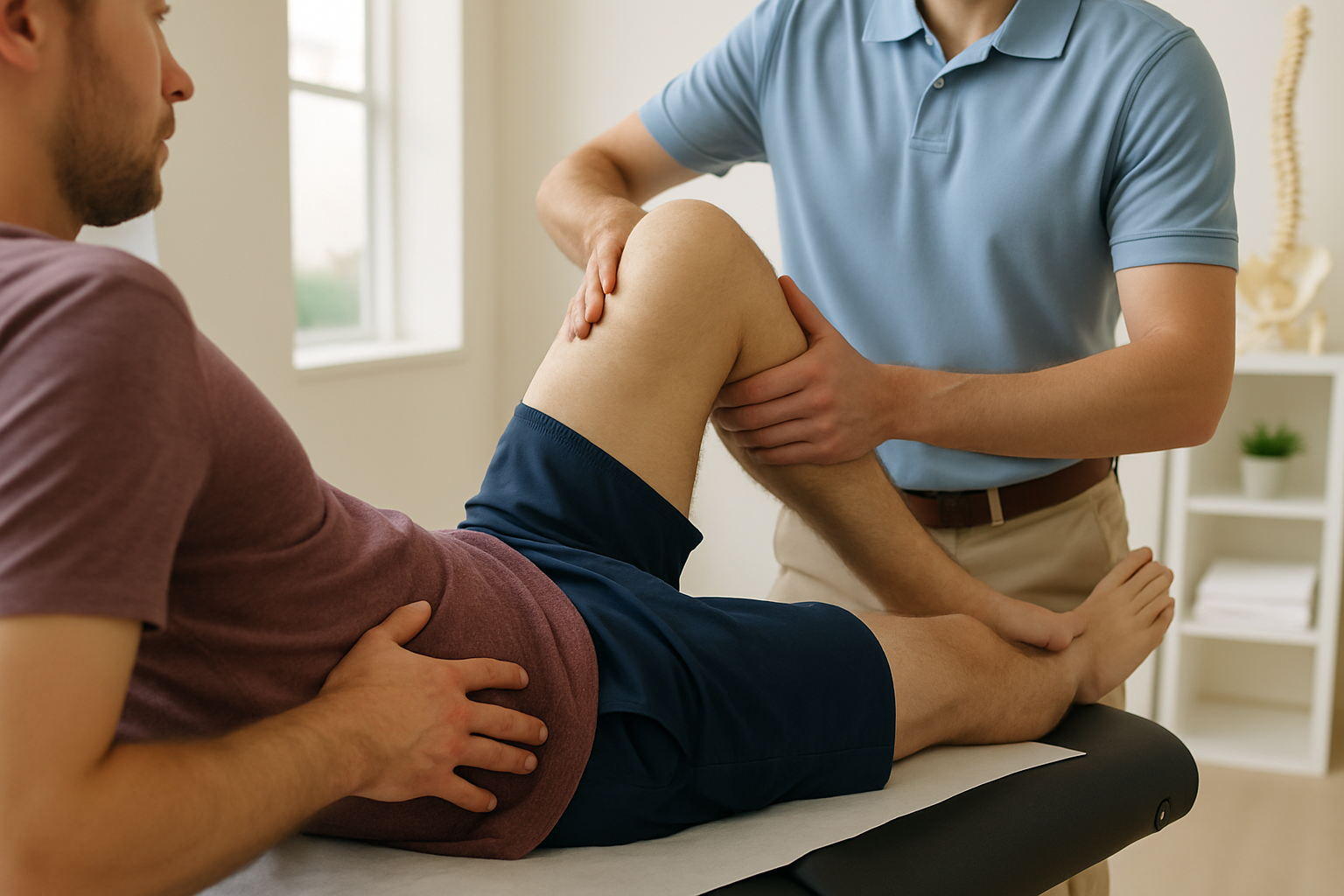
PT works best when it matches the stage you’re in. We start by checking your range of motion, what movements feel blocked, and what patterns are making it worse. Early on, we focus on calming irritation and keeping the shoulder from tightening more than it already has. As stiffness takes over, we shift toward controlled range work and building support through the shoulder blade and rotator cuff, so movement starts feeling smoother again. The goal is steady progress you can actually keep, not pushing so hard you flare for days.
What Types of PT Tend to Make the Biggest Difference
Frozen shoulder care usually needs a few tools working together, and the mix changes as pain and stiffness change. Common parts of treatment include:
- Guided mobility work to slowly open motion back up
- Manual therapy, when it fits and helps you tolerate movement better
- Stretching with clear “how much is enough” guidance, not vague instructions
- Strength work for the rotator cuff and the shoulder blade to steady the joint
- Upper back mobility and posture work to cut down on compensation
- A home plan that fits your routine so you can stick with it
Start Frozen Shoulder PT for Relief Today
If your shoulder feels painful, stiff, and limited, we can help. Schedule an evaluation with Modern Physical Therapy & Sports Medicine of Phoenix, AZ, and get a clear plan to restore motion and feel more normal again.