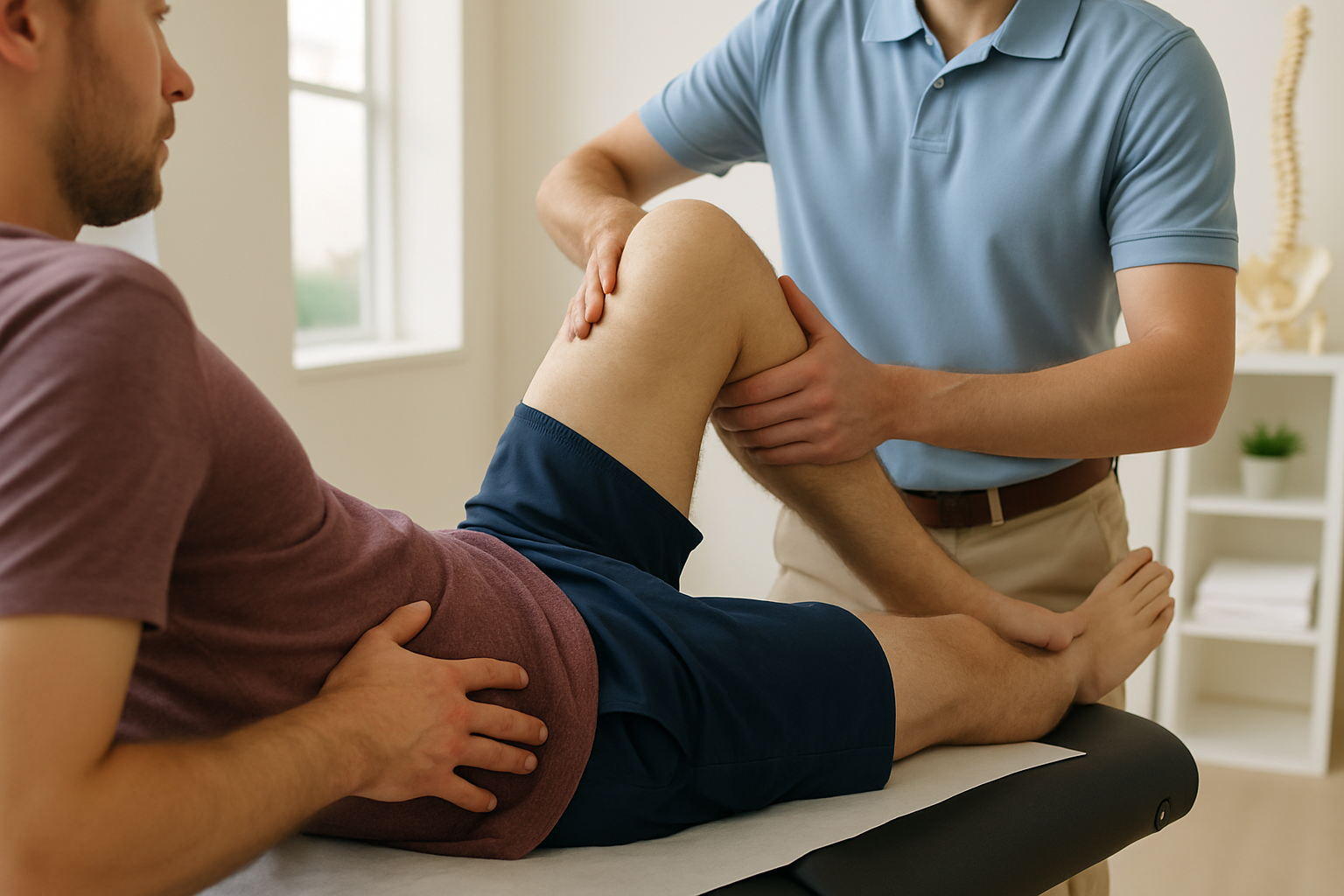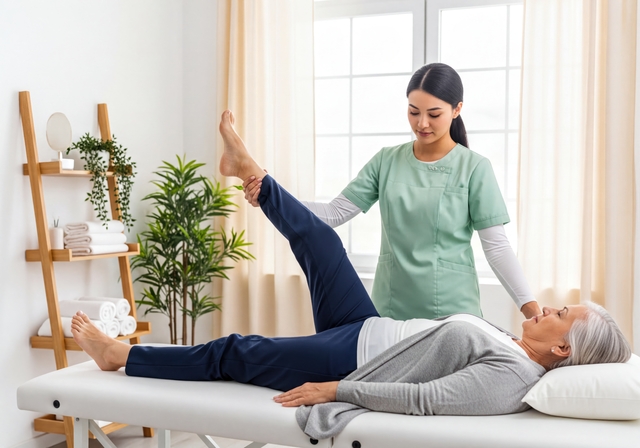
Manual therapy is hands-on work done by a physical therapist. It’s steady, controlled, and focused on helping stiff joints and tight muscles move the way they should. Many people picture PT as only exercises, but manual therapy often sets the stage for those exercises to work. When the body moves better, strengthening becomes easier and less painful.
How Manual Therapy Helps
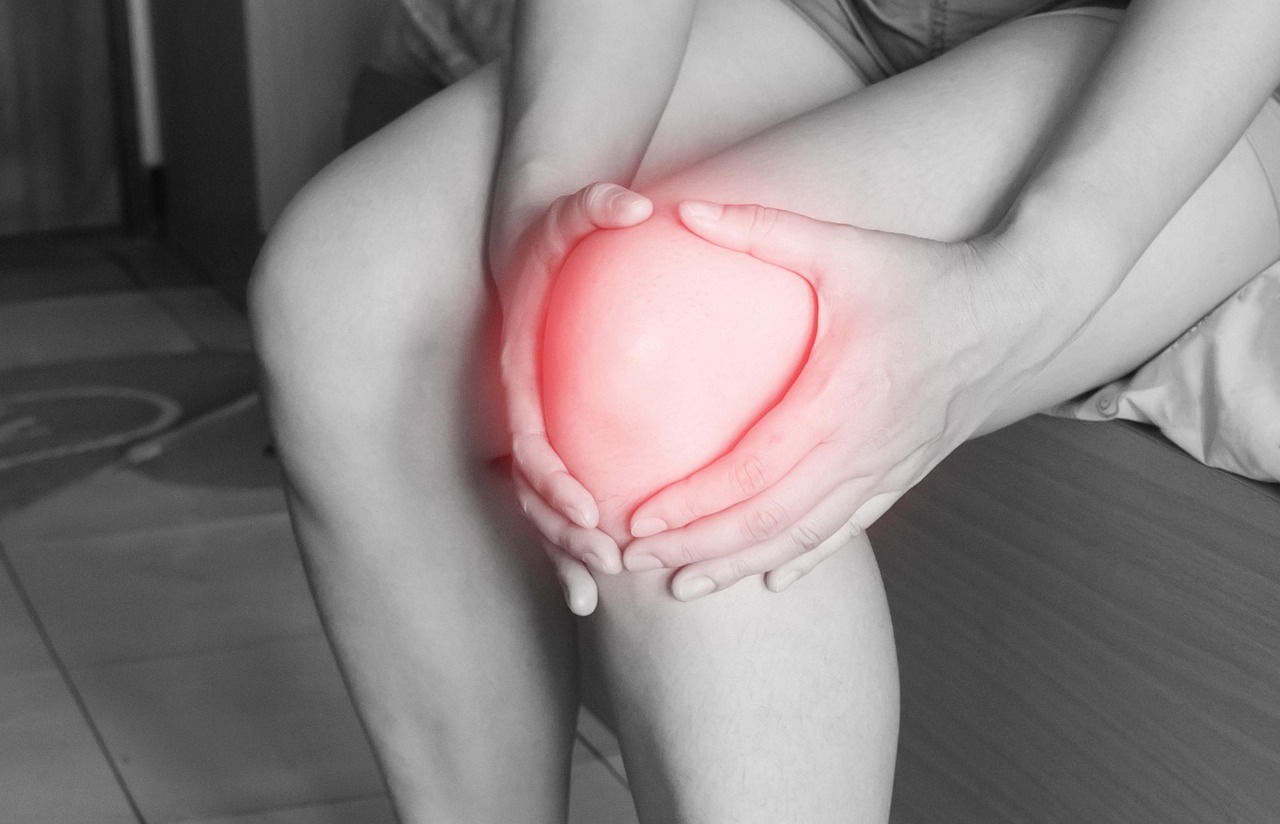
Pain changes how you move. Muscles tighten. Joints get stiff. You bend or twist in ways that protect the painful spot. Manual therapy interrupts that pattern. It helps the body relax, restore motion, and handle load without guarding. It’s not about cracking or forcing anything. It’s about guiding tissues so the nervous system stops treating every movement like a threat.
Common reasons people benefit from manual therapy:
- Stiffness after old injuries
- Muscle guarding from overuse
- Joint irritation
- Limited range of motion
- Pain that shows up during simple tasks
How Manual Therapy Supports Joints
When a joint doesn’t glide well, the surrounding muscles work overtime. Manual therapy helps loosen the area, improve motion, and reduce that “stuck” feeling. This matters for the spine, shoulders, hips, knees, ankles, and smaller joints that carry a lot of stress day after day.
You might notice:
- Smoother movement
- Less catching or pinching
- Easier time lifting or walking
How Manual Therapy Helps Muscles
Muscles often tighten when they’re protecting something. Manual therapy helps calm that tension. It reduces pressure on sensitive areas and helps you move without bracing. Once those muscles settle, you can strengthen them without triggering more pain.
People often feel:
- Less pulling
- Fewer spasms
- More freedom during daily movement
Why Manual Therapy Works Well With Exercise
Manual therapy alone won’t fix everything. Exercise alone won’t fix everything. But together, they support each other. Manual therapy opens the door. Exercise keeps that door open by building strength, control, and stability around the area. This combination helps injuries heal and prevents the same issues from returning.
In orthopedic PT, this teamwork often matters for:
- Low-back and neck irritation
- Shoulder pain from lifting
- Knee pain during stairs
- Hip tightness from long sitting
- Ankle issues after sprains
How PT Decides What Manual Therapy You Need
A therapist checks how each joint moves and how each muscle responds during simple tasks. They look for patterns. Maybe a hip is too stiff. Maybe one side of your spine doesn’t rotate well. Maybe your shoulder blade isn’t gliding. Manual therapy targets the areas that limit your movement the most.
What a session may include:
- Joint mobilization
- Soft tissue work
- Gentle stretching
- Trigger point release
- Guided movement to retrain the area
Why It Matters For Long-Term Recovery
Addressing stiffness and guarding early helps you avoid compensation patterns. Once movement improves, strength gains come faster. That’s what helps you get back to daily tasks, hobbies, and workouts without lingering pain.
Book your visit with Modern Physical Therapy & Sports Medicine of Phoenix, AZ, and learn how manual therapy can help your body move with more ease and comfort.