Pelvic floor problems catch people off guard. One day things feel normal. Then you notice pressure. Maybe leaking when you laugh or sneeze. Maybe pain with sitting. Maybe a heavy feeling you can’t shake. These symptoms feel personal, so people often keep them quiet. But they’re common, and they’re treatable.
What The Pelvic Floor Does
The pelvic floor is a group of muscles that sit at the bottom of your pelvis. They support your bladder and bowel. They help with posture and core stability. They manage pressure every time you stand up, lift something, or even breathe. When these muscles don’t relax or contract the way they should, you notice it in more than one part of your body.
You might see signs like:
- Leaking during movement
- Pelvic pressure or heaviness
- Pain when sitting too long
- A weak or unsteady core
- Tightness in the hips or low back
- Urgency that feels sudden or hard to control
Why People Don’t Seek Help
A lot of people think leaking “comes with age.” Others assume pain after childbirth is something they have to live with. Some don’t know pelvic PT even exists. Many are uncomfortable talking about it. But help is available, and it’s far more common than people realize.
How Pelvic Floor PT Helps
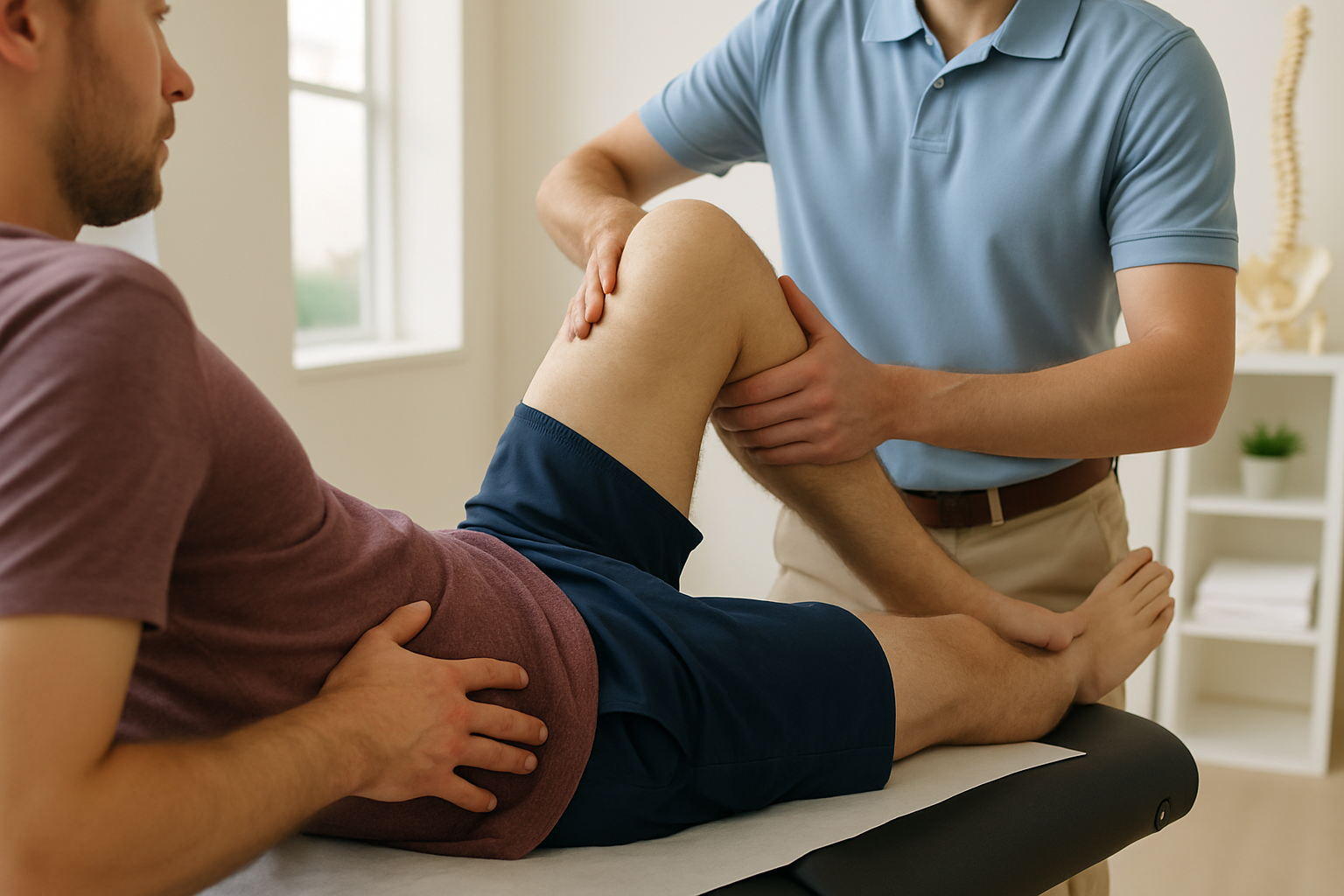
Pelvic PT looks at how your muscles fire, relax, and coordinate with your core and breathing. Some people need more strength. Some need more relaxation. Some need both. A therapist watches how you move, checks nearby areas like the hips and low back, and figures out what’s actually driving the symptoms.
PT may include:
- Internal or external assessments
- Breathing work to ease pressure
- Strength training when the muscles don’t fire well
- Relaxation drills when the muscles stay clenched
- Hip and core exercises for support
- Guidance for lifting, walking, and daily tasks
Why “Just Do Kegels” Isn’t The Answer
Kegels help only if the pelvic floor is weak. Many people have tight, guarded muscles instead. Doing more Kegels in that situation makes symptoms worse. PT helps you figure out what your body actually needs rather than guessing.
How Physical Therapy Helps Daily Life Feel Easier
Pelvic symptoms affect everything. Walking. Bending. Getting in and out of the car. Even laughing. PT teaches you how to move without pushing down on the pelvic floor. You learn how to control pressure so tasks feel smoother instead of stressful.
Who Benefits From Pelvic Floor PT
- People with leaking or urgency
- Anyone with pelvic pain
- Postpartum parents
- Adults recovering from abdominal or pelvic surgery
- People with low-back or hip tightness linked to the pelvic floor
- Older adults seeing changes in control or comfort
Let Us Help You With Better Pelvic Health
If you’re noticing pressure, leaking, or pain, reach out to Modern Physical Therapy & Sports Medicine of Phoenix, AZ. Schedule a visit and get a plan that feels calm, respectful, and built around your needs.