A successful range session starts before you ever step onto the firing line. Bringing the right equipment not only improves safety but also helps you train more efficiently. Whether you’re new to shooting or a regular at the range, having essential gear on hand ensures you can focus on fundamentals instead of scrambling for missing items.
Here’s a practical checklist every Phoenix shooter should consider.
Eye and Ear Protection
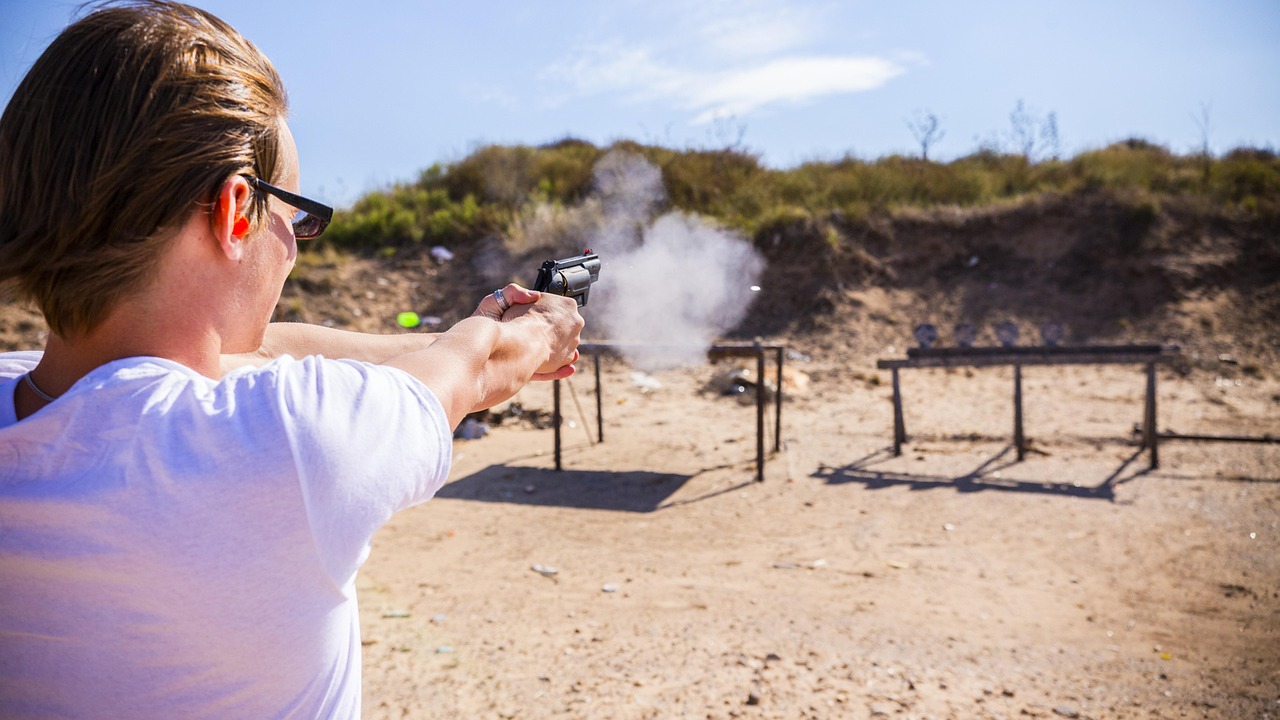
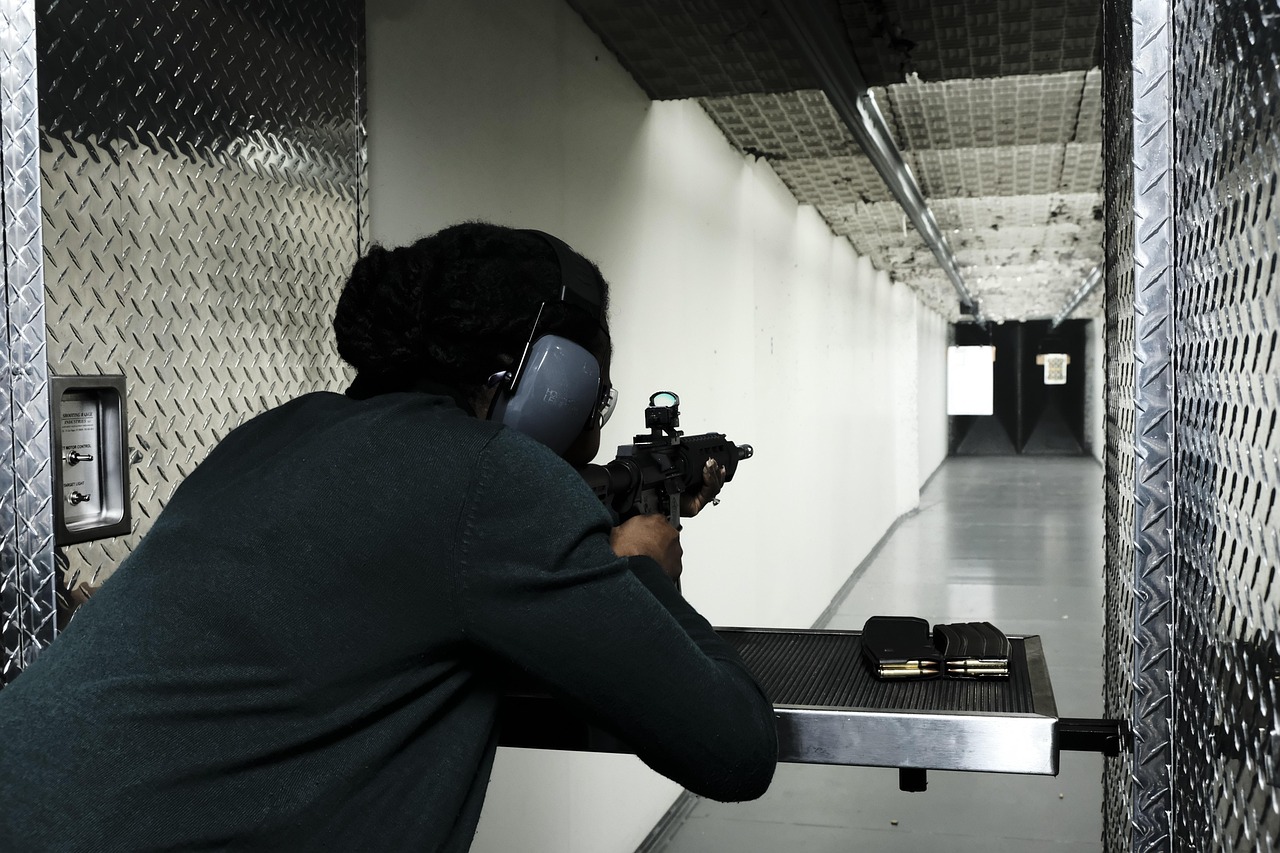
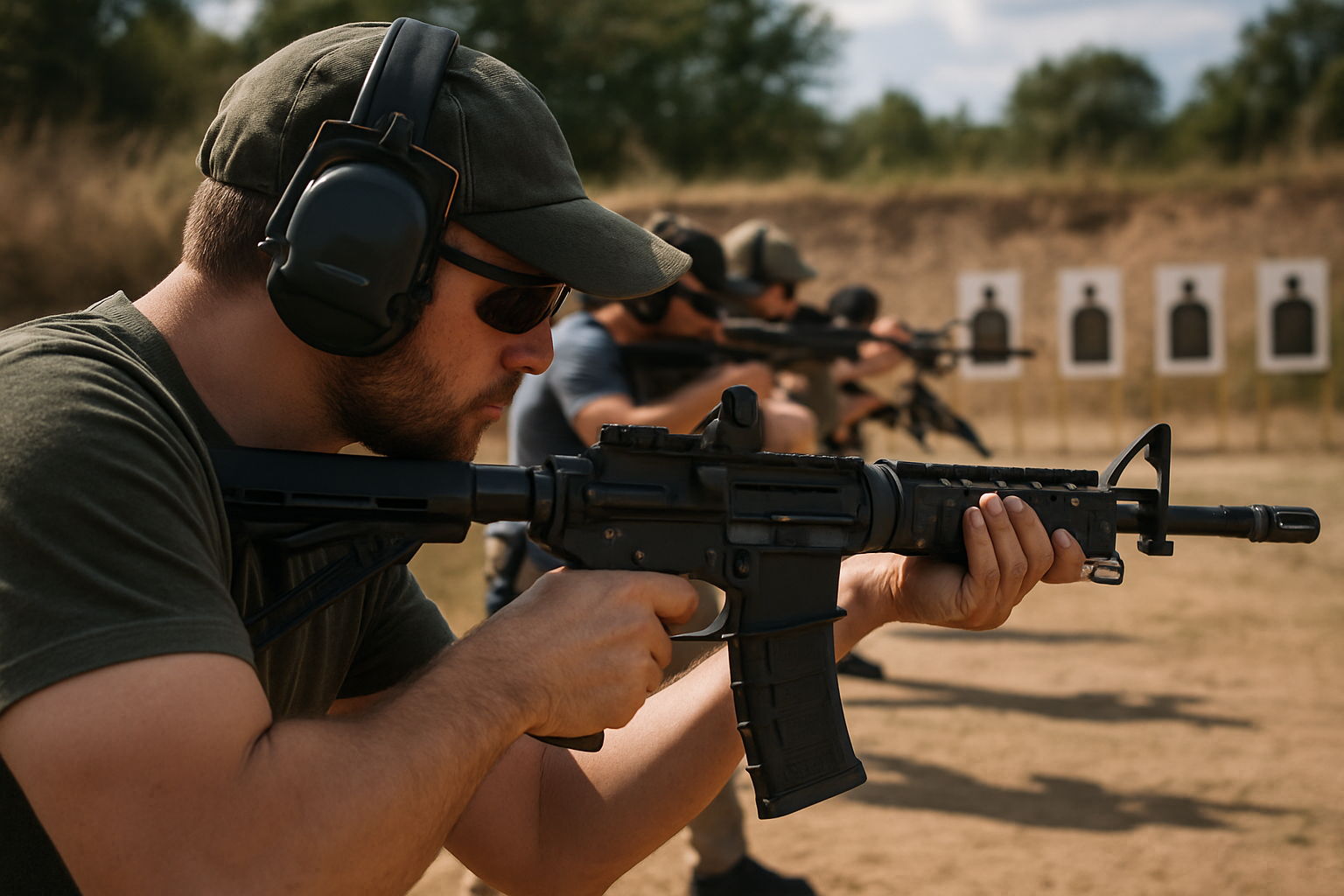
Safety always comes first. Quality eye protection shields against brass and debris, while proper ear protection reduces long-term hearing risk. Electronic ear protection is especially useful because it allows you to hear range commands clearly while still dampening gunfire.
If you forget yours, most professional ranges offer rentals—but owning your own gear ensures consistent fit and comfort.
A Firearm and A Proper Case
Transport your unloaded firearm in a secure case. Keeping the firearm cased until you’re at your assigned lane reinforces safe handling habits. Make sure magazines are unloaded, and ammunition is stored separately during transport.
If you’re still deciding what platform fits you best, firearm rentals at C2 Tactical provide a safe way to explore options without bringing your own equipment.
Ammunition
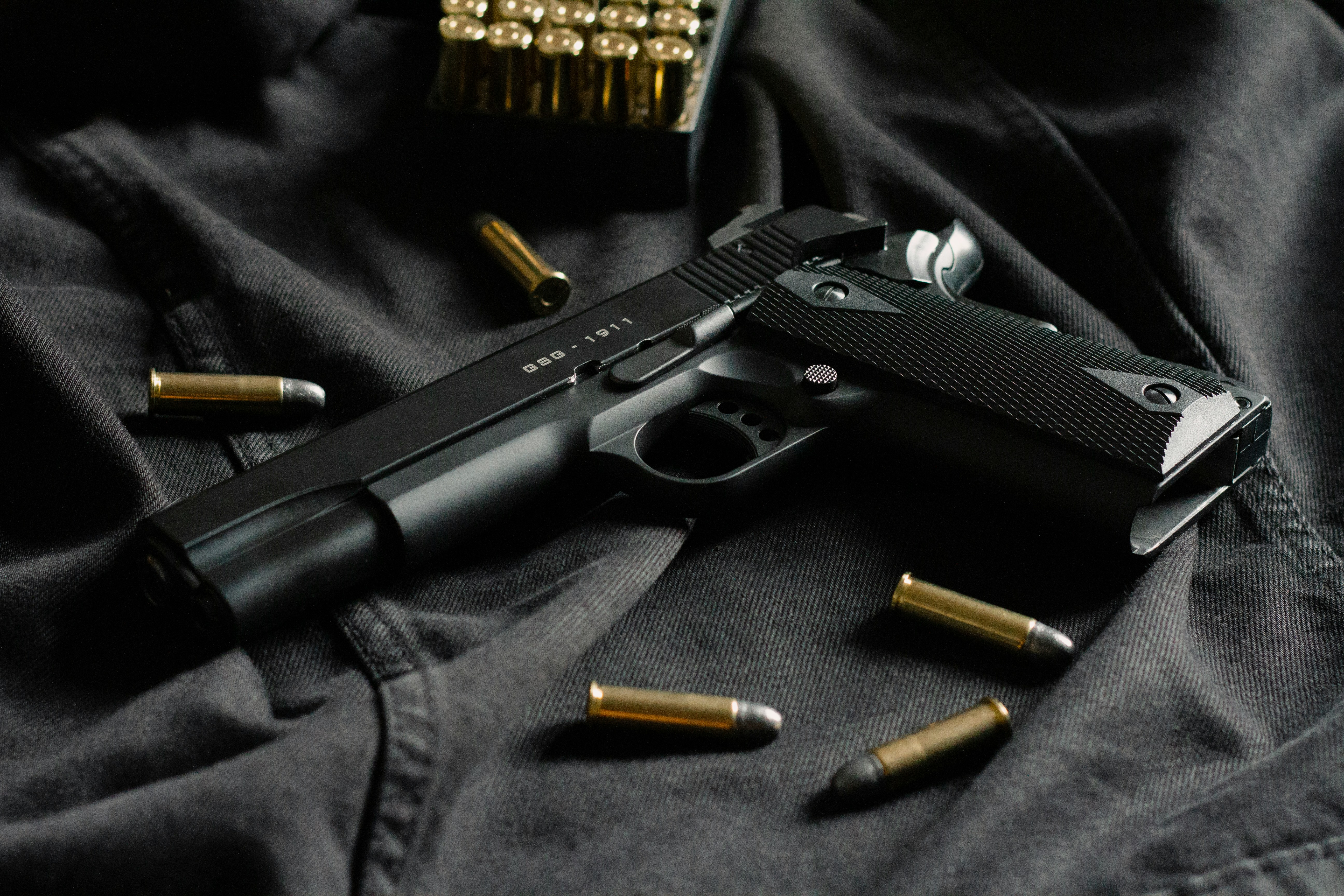
Bring the correct caliber ammunition for your firearm. Using the wrong caliber is dangerous and can cause serious damage. If you’re unsure, double-check the markings on your firearm or consult range staff before purchasing or loading.
Buying range-approved ammunition on-site ensures compliance with indoor range policies and compatibility with the range.
Targets and Markers
While most ranges provide standard targets, bringing a small marker or pen allows you to label and track your groups. Writing distance, drill type, and round count directly on the target helps you monitor improvement over time.
Structured practice leads to measurable progress, especially when paired with private lessons or guided drills.
Basic Maintenance Kit
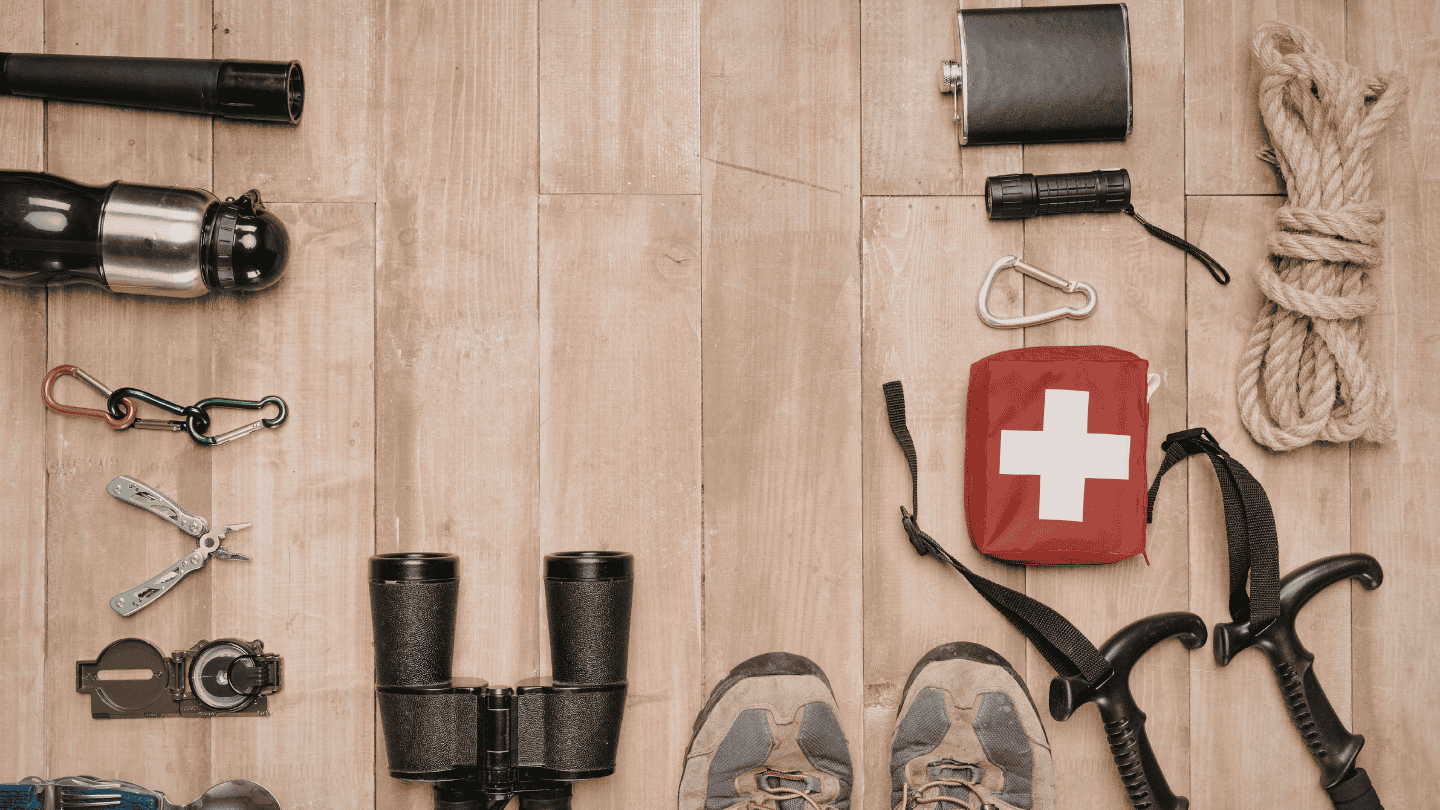
A compact cleaning kit or multitool can be useful for minor adjustments or debris removal between shooting strings. While deep cleaning is done at home, having a bore snake or cloth for quick wipe-downs can prevent small issues from interrupting your session.
Hydration is also important—Phoenix heat can affect you even indoors. Bring water and take short breaks as needed.
Belt and Holster (If Applicable)
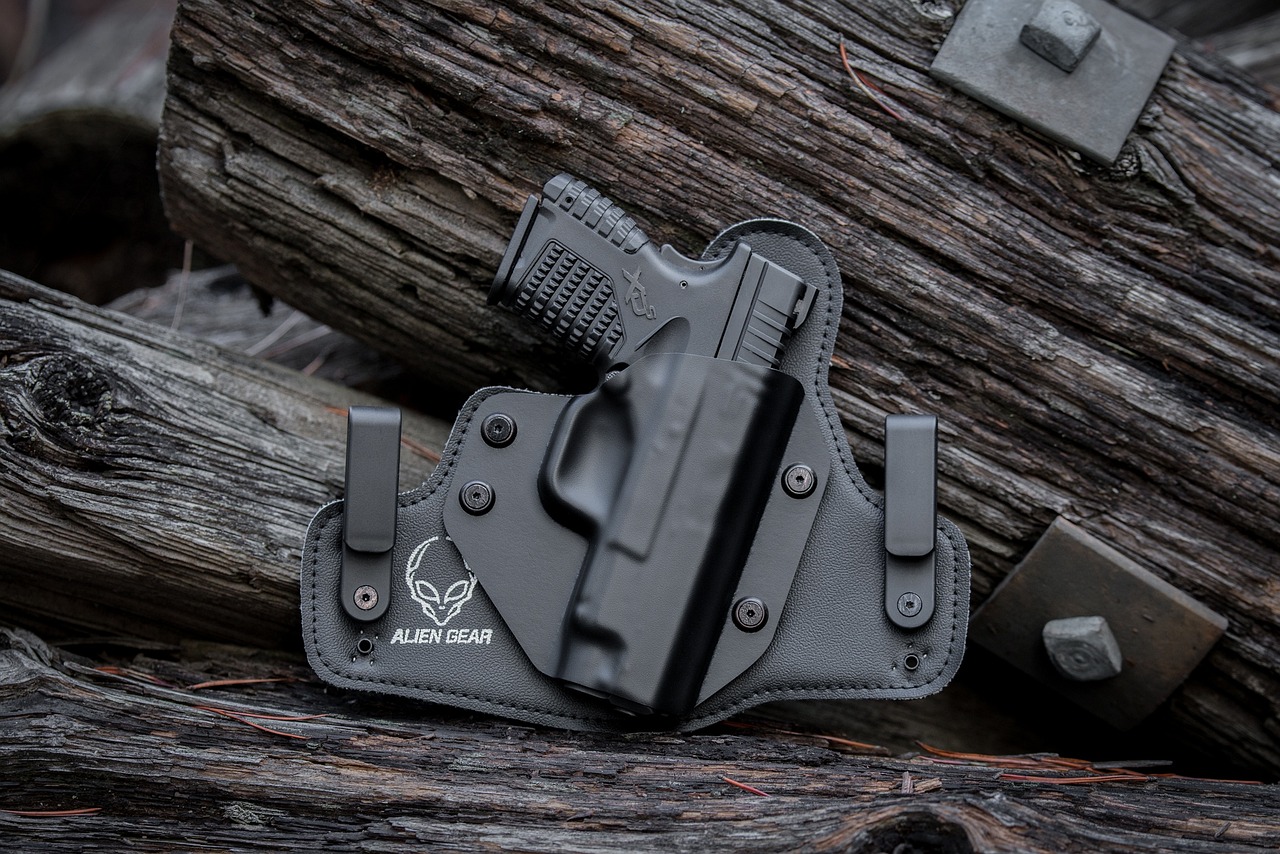
If you’re participating in advanced classes or defensive drills, a proper belt and holster designed for your firearm are essential. Holsters should cover the trigger guard completely and allow safe reholstering without collapsing.
Beginners attending introductory classes typically won’t need a holster unless instructed otherwise.
Notebook or Training Log
It may sound simple, but tracking your performance helps identify patterns. Recording group size, distance, and notes from instructors reinforces what you learn during private shooting lessons or group classes.
Consistency builds skill—and documentation builds consistency.
Comfortable, Practical Clothing
Closed-toe shoes are required. Avoid loose or low-cut clothing that could interfere with safe firearm handling. Choose attire that allows free movement and protects against hot brass.
Optional But Valuable Gear
- Electronic shot timer (for advanced practice)
- Spare magazines
- Magazine loader
- Gloves for extended sessions
- Small range bag to keep everything organized
Train Smarter, Not Just Harder
The right gear supports safe and efficient training, but instruction accelerates improvement. Simulator-only sessions allow you to refine trigger discipline and sight picture without recoil. Private lessons help fine-tune fundamentals. Weekly match competitions offer structured opportunities to apply your skills under light pressure.
Membership options at C2 Tactical of Phoenix make regular practice more convenient for shooters committed to long-term improvement.
Final Checklist Before You Leave Home
Confirm your firearm is unloaded. Pack eye and ear protection. Bring correct ammunition. Dress appropriately. Arrive early enough to check in without rushing.
Preparation turns a simple range visit into focused skill development. With the right essentials and a structured plan, every session becomes more productive—and more rewarding.