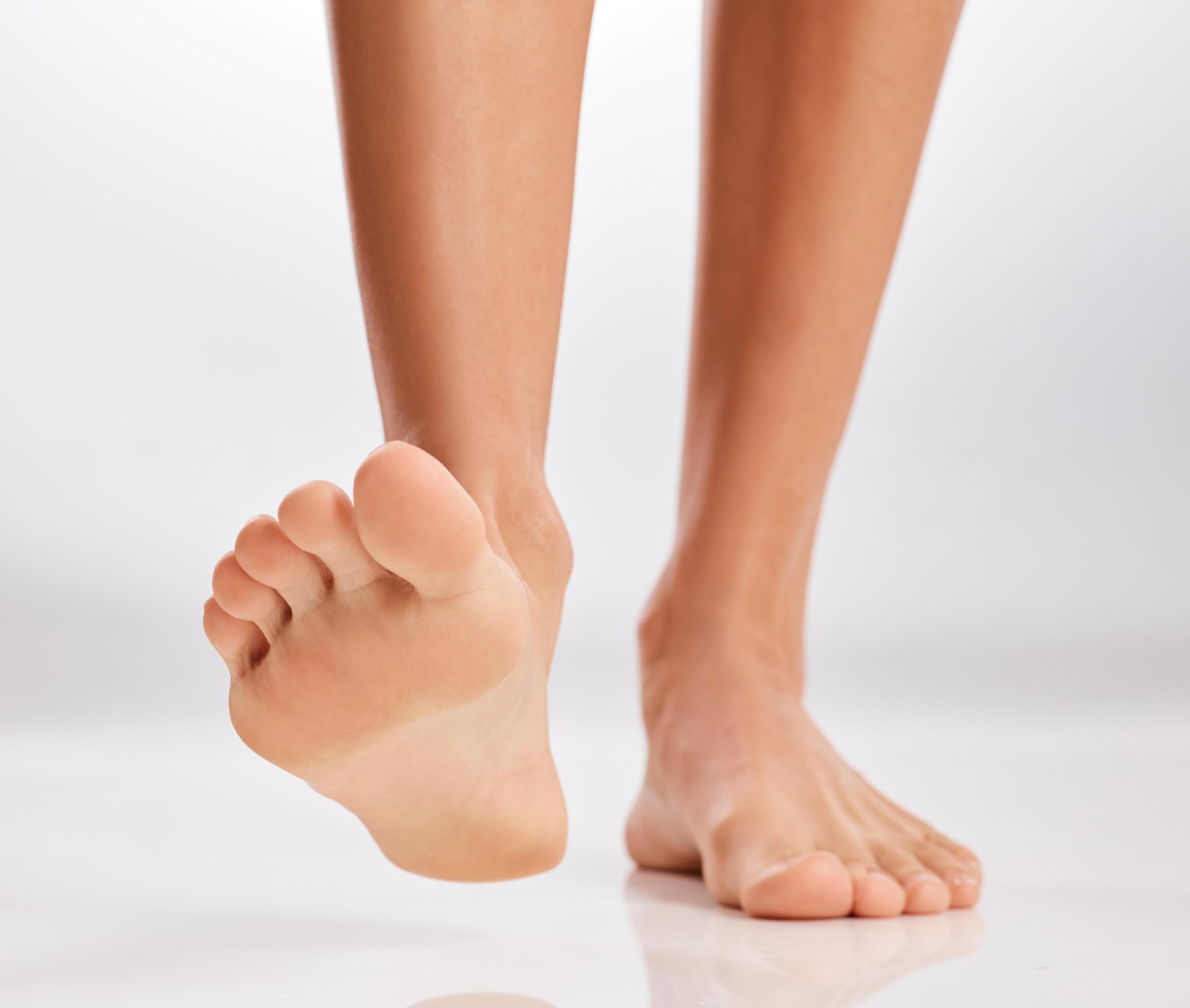
Ask anyone with plantar fasciitis what the worst part is. They'll tell you it's the morning. That first step out of bed, heel hits the floor, and it's like stepping on a rock.
It loosens up after a few minutes. Then you sit for a while at work, stand back up, and there it is again.
If your heel's been doing this, you don't have to jump to surgery. Most cases clear up with the right non-surgical care.
Why The Heel Hurts
The plantar fascia is a thick band of tissue running along the bottom of your foot. It supports your arch. When it gets overloaded, tiny irritation builds up where it attaches at the heel.
Tight calves make it worse. So do worn-out shoes, hard floors, and a sudden jump in walking or running.
Who Tends To Get Plantar Fasciitis
Runners who added miles too fast. People who spend all day on their feet, like nurses and teachers. Folks who put on some weight over a year and their feet are carrying more than they used to.
Flat feet and high arches both throw off how the fascia loads. So does slipping on flip-flops or worn sneakers with no support left in them. A lot of Marana summers get spent in sandals, and that catches up with some heels.
What We Do About It
The goal is simple. Calm the irritated tissue, then fix what overloaded it.
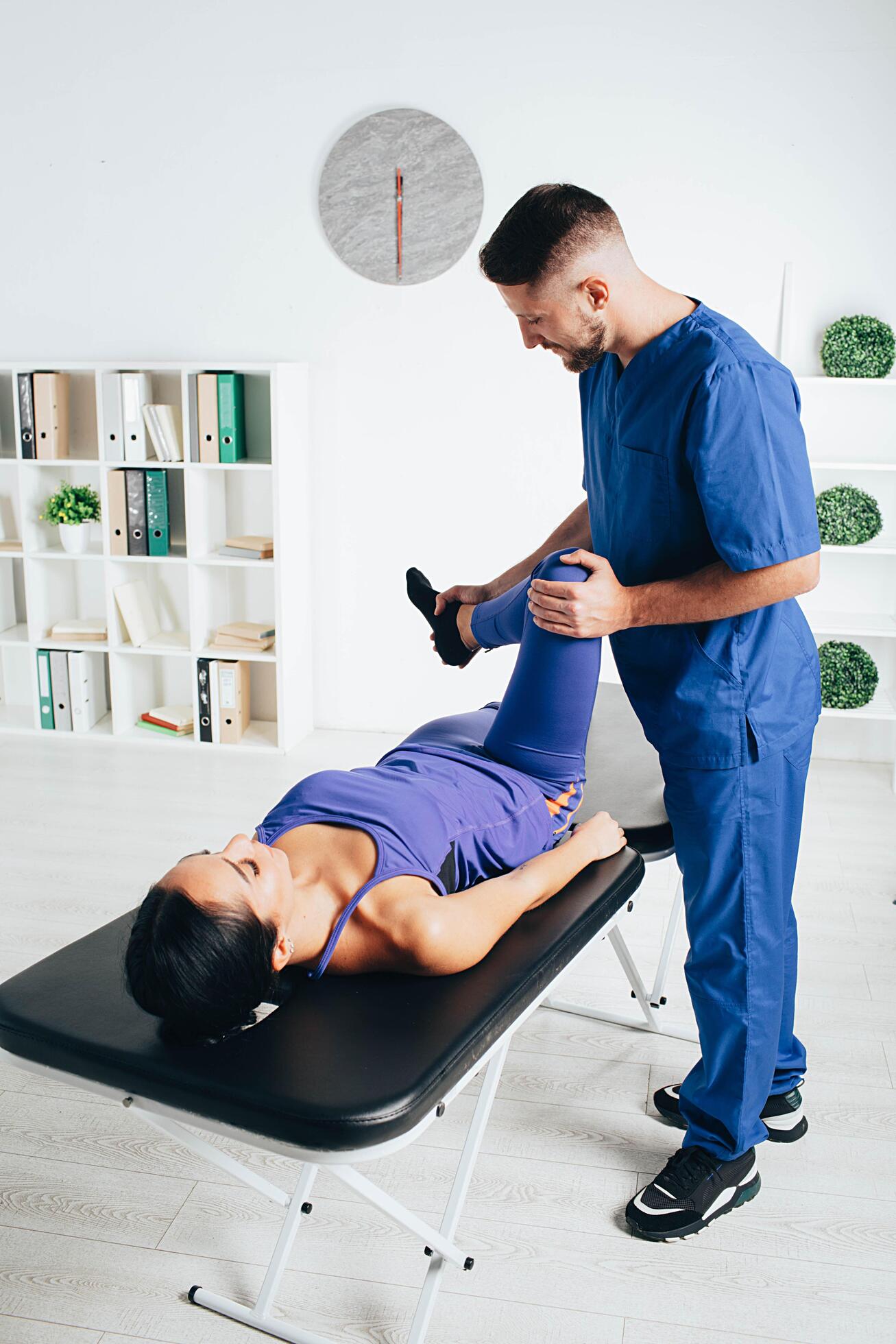
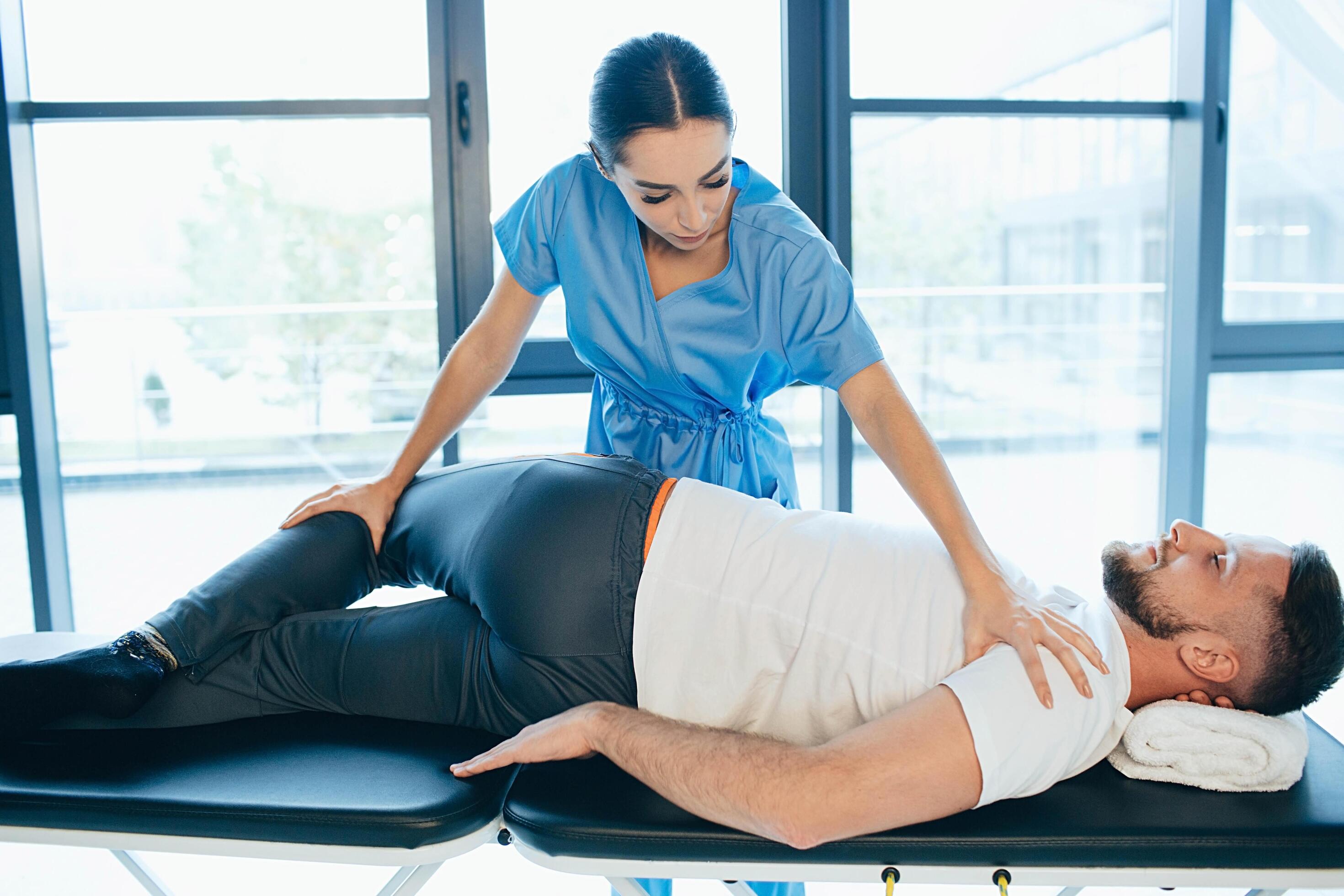
Stretching comes first for most people. The calf and the fascia both need it. We show you how to do it right, because sloppy stretching does nothing.
Then we look at the whole chain:
- Calf and foot stretching you'll actually keep up with
- Strengthening for the foot and lower leg
- Shoe and insert guidance, since bad support undoes everything else
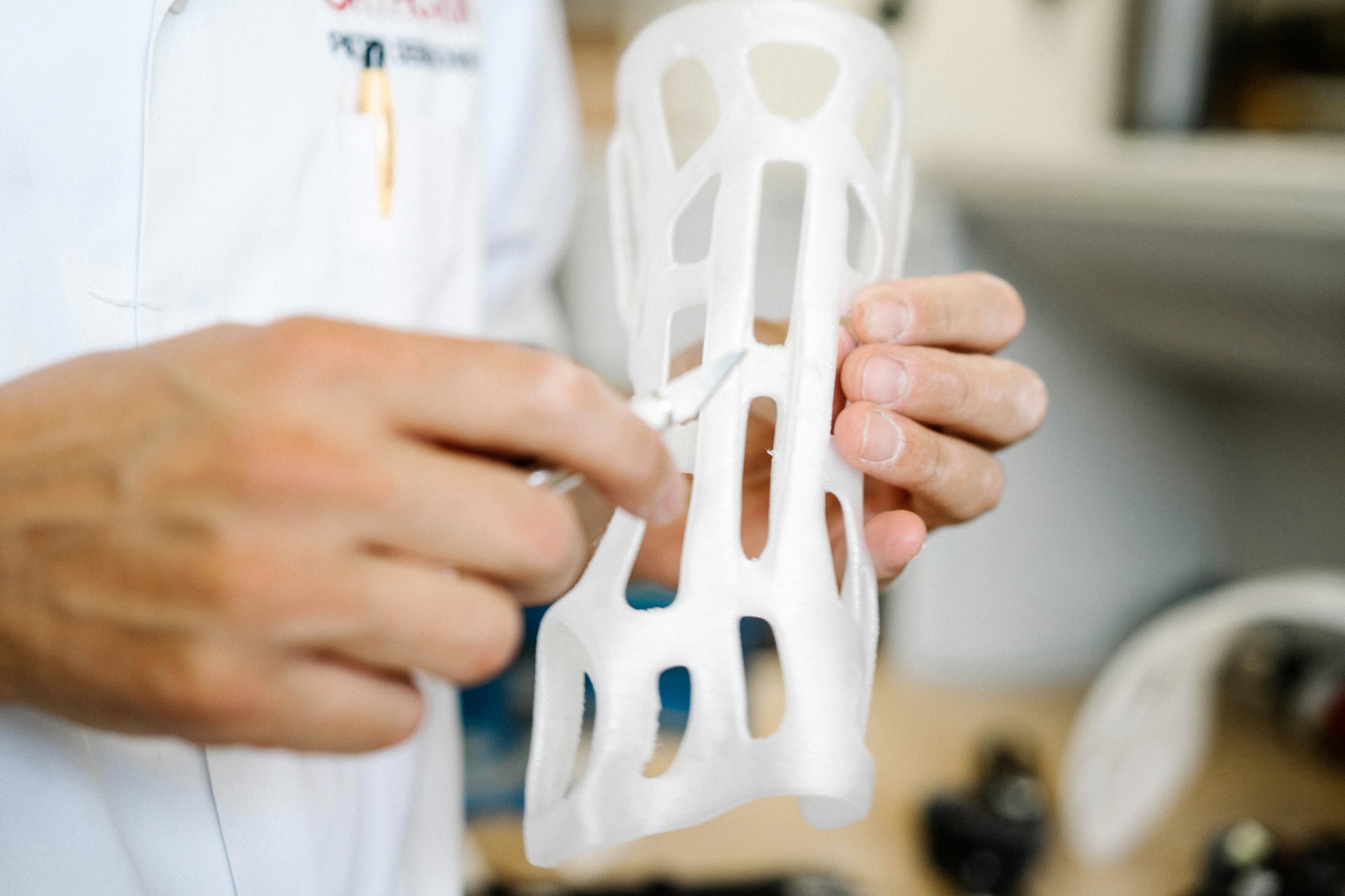
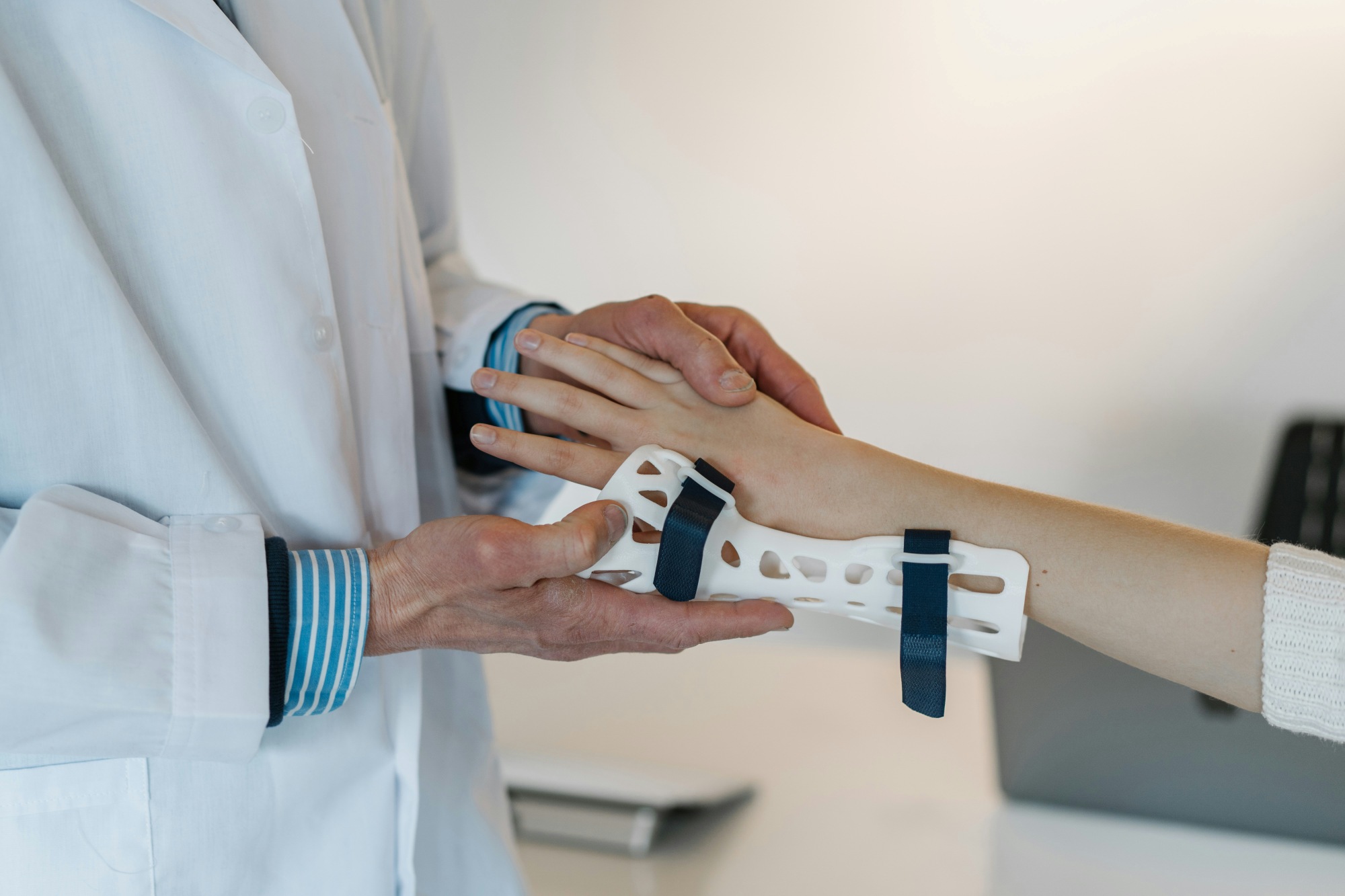
- Taping or a night splint when the mornings are rough
- Adjusting your walking or running load so the heel gets a break
Some people need a bit more, like a targeted injection to knock down stubborn inflammation. That's a case-by-case call.
The Stretches That Help
Two matter most. Stretching the calf, because a tight calf yanks on the whole system. And stretching the fascia itself, often by pulling your toes back toward your shin before you take that first step in the morning.
That morning stretch pays off. Doing it before your foot hits the floor takes the edge off that stabbing first step. Rolling the arch over a frozen water bottle helps some people too. Cold and a gentle massage at once.
How Long Until It Feels Normal
Some heels settle in a few weeks. Stubborn ones take a couple of months. Consistency is the thing that speeds it up. The people who do their stretches daily heal faster than the ones who do them when they remember.
Heel pain in the morning isn't something you have to live with. If it's been dragging on, call Modern Medicine of Northwest Tucson, AZ or use the online form to book, and we'll get a plan going for your foot.