- Clog vital engine components
- Reduce fuel efficiency
- Cause engine damage
- Leads to costly repairs
- Create environmental compliance issues
Knowing EGR Systems
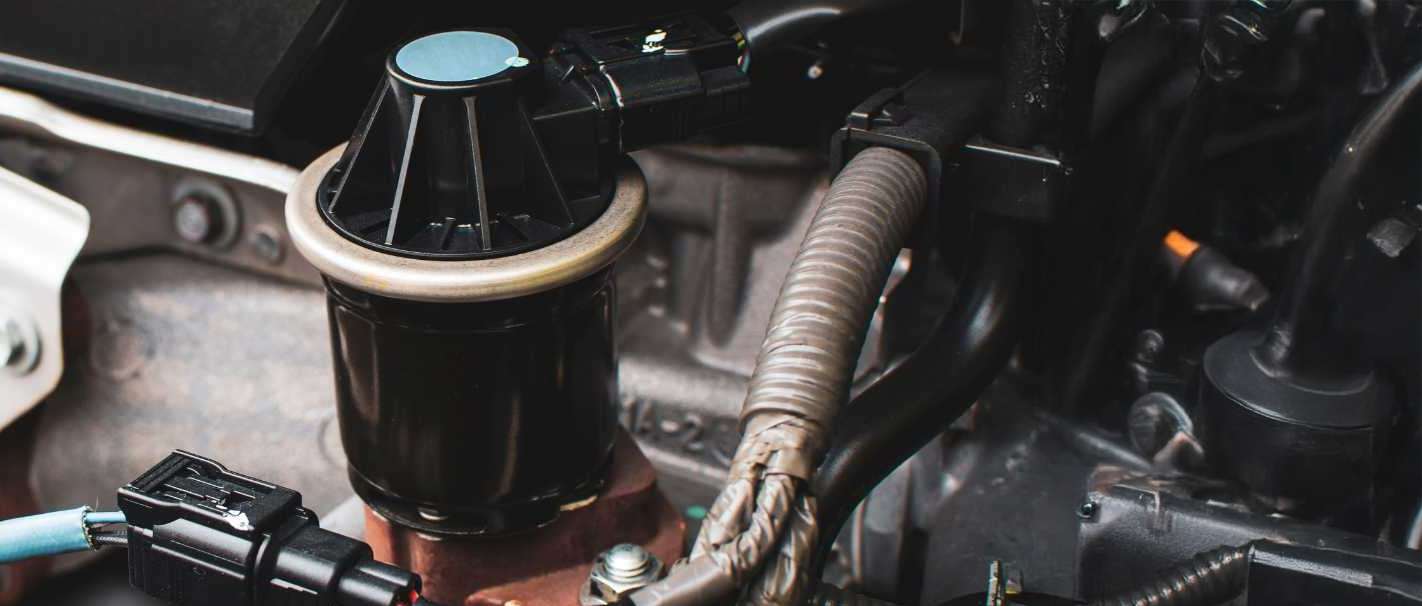
Your vehicle's Exhaust Gas Recirculation (EGR) system is essential in reducing poisonous emissions and increasing engine performance. The EGR system innovatively recycles exhaust gas into the combustion chamber of the engine - typically 10-20% of exhaust flow. How your EGR system works: Reduces NOx Emissions: Recycling exhaust gases, the EGR system lowers burning temperatures, hence lowering nitrogen oxide emissions Improves Fuel Efficiency: The system maintains your engine's air-fuel mix perfectly, leading to fuel-efficient consumption Improved Engine Performance: In top form, it keeps the engine running and prevents knocking The EGR system works through a sophisticated process:- Exhaust gases exit your engine's combustion chamber
- The EGR valve opens at specific times based on engine load and speed
- A portion of these gases flows through the EGR cooler
- The cooled gases mix with fresh air in the intake manifold
- This mixture returns to the combustion chamber for the next cycle
- EGR valve
- EGR cooler
- Various sensors and control modules
- Intake and exhaust manifolds
- Connection pipes and passages
The Connection Between Carbon Build-Up and EGR Malfunction
Carbon build-up creates a chain reaction of problems in your vehicle's EGR system. This stubborn substance accumulates on critical components, acting like a clogging agent that disrupts normal engine operation.Key Signs of Carbon Build-Up Problems:
- Reduced engine performance
- Low boost pressure
- Blocked sensors
- Degraded oil quality
- Potential cylinder wall scoring
Powerstroke EGR Maintenance Issues Due to Carbon Buildup
There can be a severe impact of carbon build-up on EGR systems. An initial inspection can reveal a startling discovery, like a boost pressure sensor that has developed a significant hole, completely blocked by carbon deposits from exhaust buildup. Situations like these inside the engine are equally concerning: Intake System: The plastic intake manifold shows extensive carbon accumulation Engine Walls: Carbon deposits are so severe that they could be easily scraped off, resembling coal mine deposits Internal Components: Thick layers of carbon coating covering multiple passageways A severity of carbon accumulation poses several risks to an engine's components:- Carbon particles falling between upper piston rings
- Potential scoring of cylinder walls
- Degradation of engine oil quality
- Compromised passageways throughout the system
Preventive Measures to Avoid Carbon Build-Up in Your EGR System
Routine maintenance isn't a choice - it's a requirement for your engine's survival. Our expert mechanic suggests implementing a dedicated maintenance schedule, particularly for vehicles reaching the 80,000-mile mark. Here's what your EGR maintenance plan should include:- Schedule professional cleanings every 80,000 miles
- Include EGR system inspection during routine maintenance visits
- Budget for regular EGR maintenance to prevent costly repairs
- Keep detailed records of cleaning services
- Safe for engine components
- Removes stubborn carbon deposits
- Restores optimal EGR performance
- Powerful carbon dissolution
- Cost-effective solution
- Excellent results on intake manifolds
Expert Recommendations for Maintaining Optimal Engine Health Through EGR Maintenance Practices
As an experienced engine builder handling hundreds of Powerstroke engines, our expert mechanic emphasizes a crucial point: "If an engine builder doing hundreds of these is telling you that maintenance will keep Motors out of my machine shop - that might be the guy you want to listen to." Here's what automotive specialists recommend for optimal EGR system health: Track Your Maintenance: Set up a systematic tracking program for EGR maintenance, similar to the successful maintenance patterns seen in 7.3L engines before EGR systems Regular Inspections: Check for carbon buildup every 80,000 miles - this interval has shown promising results for achieving the coveted half-million-mile engine life Professional Cleaning: Have your EGR system professionally cleaned using specialized methods:- Walnut shell blasting for stubborn deposits
- Industrial oven cleaner treatment for thorough cleaning