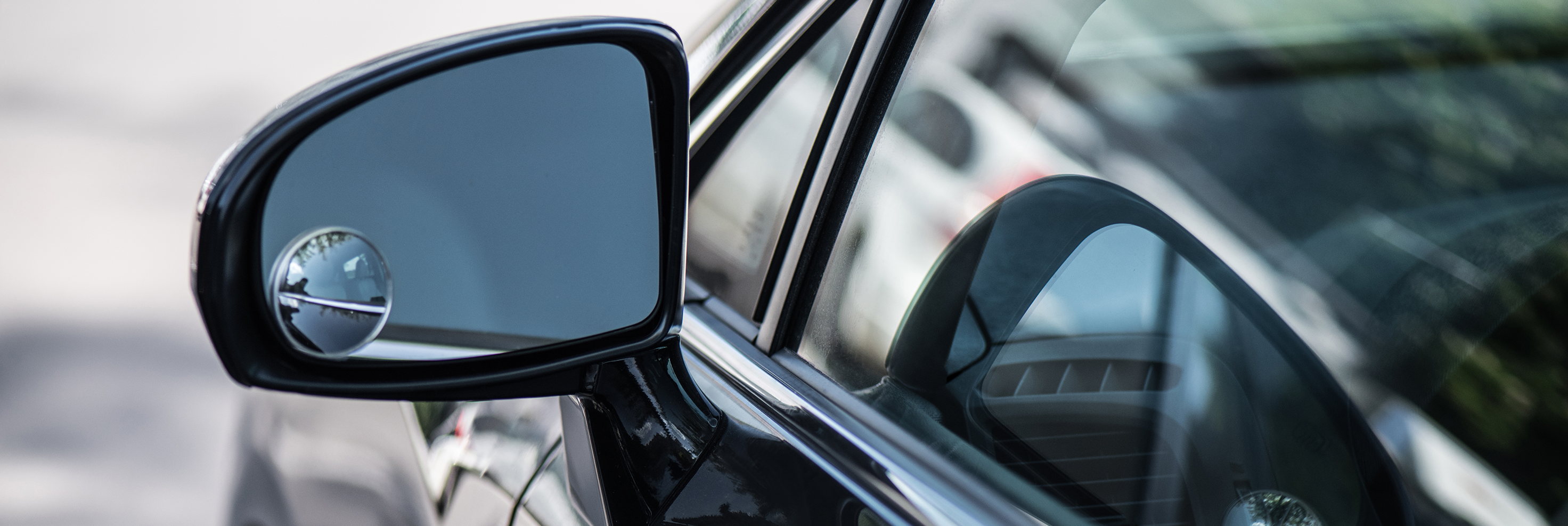
 The power side mirrors of your vehicle are vital for safe driving, as they offer an unobstructed view of the traffic behind and around you. The mirrors have evolved over time from simple reflective plates to sophisticated components with numerous features like power adjustment, heating units, and integrated turn signals.
If your power mirrors fail, it can prove to be a highly hazardous safety issue and a confidence killer while driving. Following are some of the most common issues you may face:
The power side mirrors of your vehicle are vital for safe driving, as they offer an unobstructed view of the traffic behind and around you. The mirrors have evolved over time from simple reflective plates to sophisticated components with numerous features like power adjustment, heating units, and integrated turn signals.
If your power mirrors fail, it can prove to be a highly hazardous safety issue and a confidence killer while driving. Following are some of the most common issues you may face:
- Mirrors not responding to adjustment controls
- Slow or inconsistent mirror movement
- Complete mirror failure on one or both sides
- Problems with additional functions like heating or turn signals
1. Identifying the Issue with Your Power Side Mirror
When your power side mirror stops working, a systematic approach helps pinpoint the exact problem. Here's how to start your diagnosis:1. Test Mirror Controls
- Select the correct mirror position on your switch (driver's or passenger's side)
- Try moving the mirror in all directions: up, down, left, right
- Listen carefully for any motor sounds when activating the controls
2. Cross-Check Mirror Functions
- Switch to the opposite mirror
- Test all movements on the working mirror
- Compare the behavior between both sides
3. Initial Motor Assessment
- If you hear the motor but see no movement, It is possible mechanical failure
- No sound when activating controls: Potential electrical issue
- One mirror works while the other doesn't: Likely isolated to the non-working side
2. Checking the Mirror Switch and Fuses
Before diving into complex repairs, start with a basic inspection of your mirror switch and fuses. A quick switch test can reveal valuable information - try operating both mirrors using your control switch. If one mirror works while the other doesn't, your issue likely lies with the non-working mirror rather than the switch itself. Your next step is checking the fuses. Find the DDM (Driver's Door Module) fuse in the fuse box of your vehicle. Although the position of the fuse is different from one vehicle model to another, the DDM fuse is commonly in charge of power mirror operation. You may not necessarily have a fuse called "mirror" - then you'll have to check several fuses. Key inspection points:- Test the mirror switch in both left and right positions
- Inspect fuses with the key both in and out of the ignition
- Look specifically for the DDM fuse
- Check all related fuses if none are clearly labeled for mirrors
3. Accessing and Testing Mirror Connectors
To properly diagnose your power side mirror issues, you'll need to access and test the mirror connectors directly. Here's what you need to know:Accessing the Mirror Connector
Remove the door panel to reach the mirror's electrical connections. Look for the connector located near the mirror assembly mounting point. The connector typically features multiple wires for different mirror functions.Testing the Connection
- Locate the main mirror connector
- Gently wiggle the connector to check for any loose connections
- If the connector feels loose, disconnect and reconnect it firmly
- Test the mirror functionality after reconnection
Quick Connection Check
When conducting a rapid connection test, start by hearing abnormal noises when running the mirror, i.e., clicking or grinding, potentially caused by a loose electrical connection. Check if the mirror randomly acts based on switch inputs; irregular operation is generally an indication that the connector is not making firm contact. Gently inspect the connector pins for corrosion or physical damage that may be preventing the flow of electricity. Additionally, make sure all the wires are seated in the connector housing in a bid to make good contact between the switch and the mirror motor assembly. Loose or faulty connectors can cause intermittent mirror operation or total loss of operation. A firm connection guarantees continuous power delivery between your mirror switch and mirror motor assembly. If reconnecting the connector doesn't make matters better, you will be required to do other testing of mirror motor circuits.4. Mirror Motor Circuits and Checking Possible Faults in Mirror Motor Assembly
Your power side mirror is regulated by a straightforward and accurate circuiting system. The mirror motor typically operates on three or four wires: a common wire (typically yellow) and two other wires for up and-down and side-to-side control. Your car mirror motor can be considered as a battery with positive and negative terminals. When you press the switch to adjust the mirror, it creates different combinations of power and ground: Horizontal Movement: Power flows between the yellow and blue wires Vertical Movement: Power flows between the yellow and green wiresWhat You'll Need for Testing
To effectively test these circuits, you'll need the following tools: a test light, two paper clips (for back probing), and electrical tape.Step-by-Step Testing Process
Follow these steps to test the mirror motor circuits:- Connect your test light to the paper clips
- Test the light's functionality on your car battery to ensure it's working
- Insert one paper clip into the blue wire slot (this corresponds to the horizontal movement)
- Place the second paper clip in the yellow wire position (this is the common wire)
- Activate the mirror switch while keeping an eye on the test light
Interpreting the Results
While going through the testing process, pay very close attention to what your test light does. If your test light does come on but the mirror doesn't move, then something is most likely wrong with the motor on the mirror. Here, power is reaching the motor, but it isn't acting the way it is supposed to. Conversely, if the test light and mirror do work, then the wiring around and including the mirror motor is most likely fine. If neither the test light nor the mirror responds, you might need to work back farther in the power supply or wire higher up in the circuit to find where the power is being cut off.Replacement Options for a Faulty Mirror Motor
If you've determined that the issue lies with a faulty mirror motor, you have two options for replacement:- Replace just the mirror motor assembly
- Install a complete mirror assembly
Importance of Testing Both Circuits
It's well worth testing both the vertical and horizontal circuits in your troubleshooting procedure. This way, you can then be certain that you have a clear idea of where the issue can be happening—either with the motor itself or the power feed to it.5. Additional Functionalities in Power Side Mirrors
Modern power side mirrors pack more features than just basic movement adjustment. Let's explore these advanced functions and how to test them when issues arise.Extended Mirror Features:
- Turn signal indicators (blinker lights)
- Heating elements for defrosting
- Power folding capability
- Puddle lights
- Auto-dimming
Testing Additional Functions
The testing approach for these features follows a similar pattern to basic mirror movement diagnostics. Each function requires a power supply, ground connection, and specific wiring circuits. When diagnosing these extra features, you'll notice additional wires extending from the mirror assembly. The testing process remains straightforward - use a test light to check power and ground connections between these specific circuits.Quick Testing Guide:
- Locate the extra wires for each feature
- Connect your test light between power and ground points
- Activate the specific function
- Check for proper power flow through the circuit
Choose Phoenix Auto Repair in Nashville
Regular checks of your power side mirrors can prevent unexpected issues and ensure your safety on the road. We've walked you through essential troubleshooting steps - from basic switch testing to detailed motor diagnostics. These simple maintenance practices help you identify problems early and keep your mirrors functioning properly. Need professional help with your car's power side mirrors? Our experienced team at Phoenix Auto Repair in Nashville is ready to assist. We handle everything from basic mirror repairs to complex electrical issues. 🔧 Book Your Auto Repair Service- Call us at (615) 866-9199
- Expert diagnostics and repairs
- Full-service automotive solutions
- Trusted Nashville auto repair shop