Picture this: You're at your local oil change spot, and they tell you that you need a brake fluid flush. Your first thought might be, "
Is this just another upsell, or is it really necessary?"
Here's the truth - brake fluid maintenance isn't just another service recommendation. It's a
critical aspect of your vehicle's safety and performance. Your brake fluid acts like a sponge, constantly absorbing moisture from the air. This moisture can lead to:
- Corroded brake lines
- Damaged seals and O-rings
- Compromised braking performance
- Potential brake system failure
As professional mechanics, we've seen countless cases where neglected brake fluid has caused extensive damage to vehicles. The good news? Understanding proper brake fluid maintenance can save you from costly repairs and ensure your safety on the road.
In this guide, we'll walk you through everything you need to know about brake fluid maintenance - from understanding when it's needed, to the actual process, costs involved, and even how to tackle it yourself if you're feeling handy. Need expert brake service? Call us at (615) 866-9199]
Understanding Brake Fluid Flush
Your car's brake fluid is crucial for your vehicle's safety system. It acts as the medium that transfers the force from your foot on the brake pedal to the actual brake mechanisms, bringing your car to a stop.
What is a Brake Fluid Flush?
A brake fluid flush involves completely removing old brake fluid from your vehicle's braking system and replacing it with fresh fluid. This process is essential because brake fluid has a unique characteristic - it's
hygroscopic, meaning it actively absorbs moisture from the air like a sponge.
Why is Moisture Contamination a Concern?
Here's what happens when water contaminates your brake fluid:
- Water lowers the fluid's boiling point, potentially causing brake failure during heavy braking
- Moisture creates rust inside brake lines and components
- Contaminated fluid can damage seals, O-rings, and other internal parts
- Performance of your entire brake system becomes compromised
How to Check Your Brake Fluid
You can test your brake fluid's condition using a specialized tester that measures water content. When the tester indicates high water content, it's time for a flush.
When Should You Get a Brake Fluid Flush?
As a general rule, you should aim for every 100,000 miles. However, there are other signs that may indicate it's time for a flush:
- When brake fluid appears dark or dirty
- If your brake pedal feels "soft" or spongy
- Following manufacturer-recommended maintenance schedules
Factors Affecting Brake Fluid Maintenance Frequency
The frequency of brake fluid maintenance can vary based on several factors including your driving conditions, climate (especially in humid areas), vehicle's age, and manufacturer specifications.
The Importance of Regular Brake Fluid Maintenance
Regular brake fluid maintenance isn't just about maintaining performance - it's about preventing costly repairs and ensuring your safety on the road. A professional inspection can determine if your brake fluid needs attention before potential problems arise.
The Process of Brake Fluid Flush
A brake fluid flush involves two main components: the
ABS unit and the
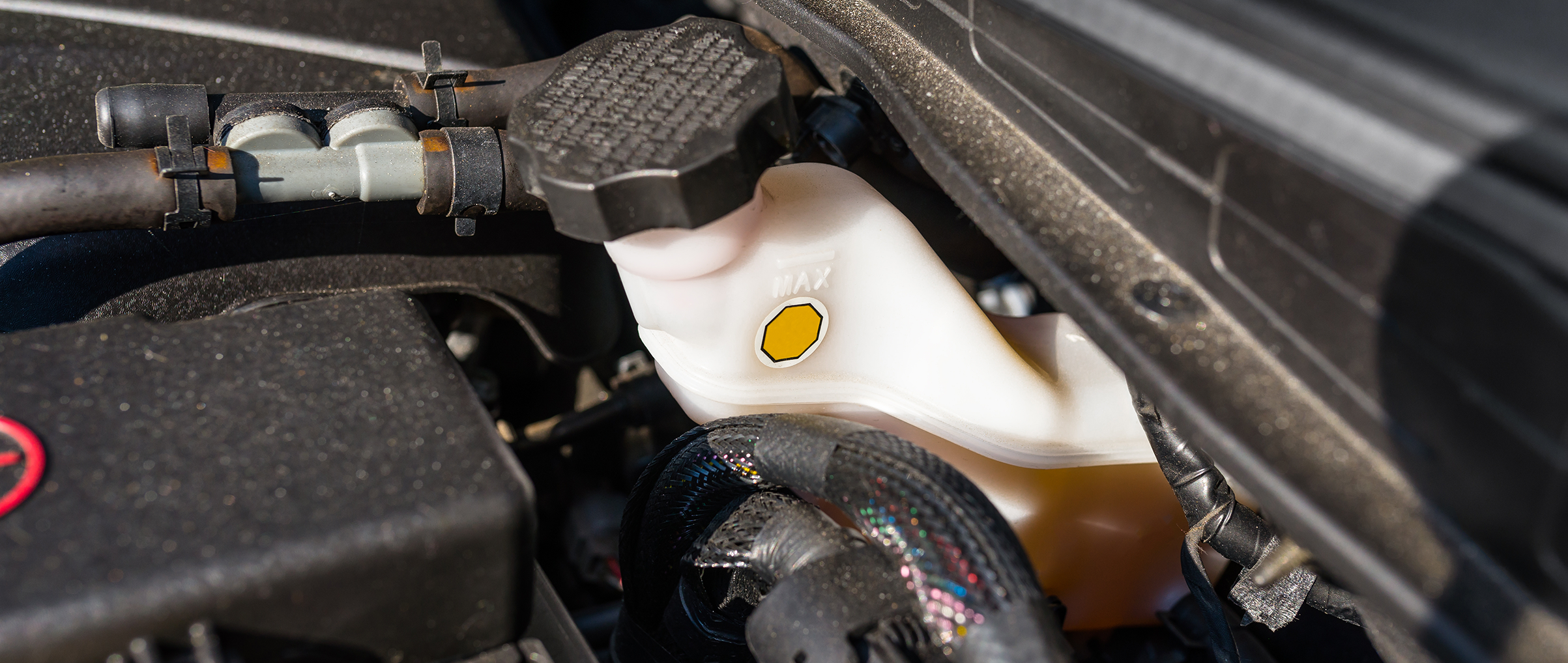
master cylinder reservoir. The ABS unit acts as the hydraulic control center, while the master cylinder reservoir stores and supplies the brake fluid to the system.
Here's the step-by-step process professional mechanics use for a brake fluid flush:
1. Setup and Connection
- Attach a pressurized reservoir to the master cylinder
- Use specialized adapters to ensure a secure connection
- Fill the reservoir with the correct brake fluid type (DOT 3 or DOT 4)
2. Pressurization
- Apply 10-15 PSI pressure to the system
- Maintain pressure in the "green zone" on the gauge
- This pressure replaces the traditional method of manually pumping the brake pedal
3. Fluid Collection
- Connect a vacuum-operated reservoir to the brake bleeder screw
- Open the bleeder to allow old fluid to flow into the collection container
- Monitor fluid color and consistency during the process
4. System Completion
- Repeat the process at all four wheels
- Clean the bleeder hoses using the vacuum tool
- Ensure no air enters the system during the procedure
Modern brake bleeder tools make this process significantly more efficient than traditional methods. These professional-grade tools prevent common issues such as fluid spray and mess, air entering the brake lines, inconsistent pressure during the flush, and the need for a second person to pump the brakes.
The entire process typically takes 1-1.5 hours when performed with proper equipment. Using an ABS-compatible brake bleeder tool ensures a thorough flush without risking damage to sensitive brake components.
Cost and Duration of Brake Fluid Flush
A brake fluid flush service at professional auto repair shops ranges from
$150 to $250 for most standard vehicles. This price variation reflects several key factors:
- Size of the vehicle
- Type of brake fluid required (DOT 3 or DOT 4)
- Labor rates in your area
- Vehicle make and model
Time Investment
A typical brake fluid flush takes 1 to 1.5 hours when performed by experienced mechanics using professional-grade equipment. The process moves efficiently through all four wheels until fresh fluid replaces the old contaminated fluid completely.
Price Warning Signs
Be cautious of quotes exceeding $500-$600 for a basic brake fluid flush. These higher prices might indicate:
- Unnecessary additional services
- Marked-up parts costs
- Inflated labor charges
Special Cases
Exotic cars or vehicles requiring specialized racing fluids might command higher prices, potentially reaching $800 or more. These cases need specific expertise and premium materials.
What's Included in the Price
A complete brake fluid flush service covers several essential aspects to ensure optimal performance and safety. This includes a thorough system flush at all four wheels, ensuring that new, uncontaminated brake fluid replaces the old fluid. Professional pressure testing is conducted to confirm the system's integrity and effectiveness. Additionally, a visual inspection of brake components is performed to identify any potential issues. Proper disposal of old fluid is also part of the service, adhering to environmental regulations and standards.
Regular Maintenance Tips for European Car Owners
The Mercedes-Benz E350 stands out as a prime example of European engineering excellence. This model offers remarkable reliability when properly maintained, particularly with its 3.5 V6 engine configuration.
Key Benefits of the E350:
- Spacious engine bay design allowing easy access to essential components
- Simple access to serpentine belt, water pump, oil filter, and radiator fans
- Base model features reduce complexity and potential repair costs
- Potential longevity of 250,000-300,000 miles with proper maintenance
Maintenance Considerations:
- European cars demand higher maintenance costs compared to domestic brands
- Service intervals require strict adherence to manufacturer specifications
- Parts and labor costs typically exceed those of Kia, Chevrolet, or Dodge
- Regular maintenance becomes crucial after 100,000-150,000 miles
Smart Ownership Tips:
- Choose base models like the E350 for reduced complexity
- Avoid high-performance variants with complex engines
- Schedule regular maintenance checks before issues arise
- Work with mechanics experienced in European vehicles
The E350's design philosophy emphasizes accessibility for maintenance. Unlike some luxury European models that require engine removal for basic services, the E350's layout supports straightforward maintenance procedures. This thoughtful engineering makes it an ideal choice for drivers seeking European luxury without overwhelming maintenance complexity.
A proactive maintenance approach helps prevent the "nickel and dime" effect common in aging European vehicles. Your investment in regular servicing protects both your car's performance and your wallet from unexpected repairs.
Ready to tackle a brake fluid flush at home? Here's your essential toolkit:
Pressurized Reservoir System - Like the Mighty Vac MVA 6850, which includes master cylinder adapters for a clean, efficient flush
Brake Fluid Tester - To measure water contamination levels in your current fluid
Vacuum-Operated Reservoir - For collecting old fluid without messy spills
Specific Brake Fluid - Either DOT 3 or DOT 4, depending on your vehicle requirements
Collection Container - A 5-gallon bucket with attached hose, or specialized fluid collection system
Pressure Gauge - To maintain 10-15 PSI during the flush process
This professional-grade equipment eliminates the need for a second person and reduces the risk of introducing air into your brake system. The right tools transform a potentially messy, time-consuming job into a straightforward maintenance task you can handle solo.
Choose Phoenix Auto Repair
Your car's brake fluid is crucial for your safety while driving. Regular maintenance of your brake fluid is not just another task on your car care list - it's a vital service that protects your vehicle's braking system from water contamination and potential damage.
Whether you decide to handle brake fluid maintenance on your own or get professional assistance, the important thing is to be proactive. Flushing your brake fluid every 100,000 miles can save you from expensive repairs and ensure your braking system works optimally.
At Phoenix Auto Repair, we know how important it is to maintain your brakes properly. Our skilled technicians are here to help you take care of your vehicle's braking system, answer any questions you may have, and provide expert advice for all your automotive needs.
Do you want to book an appointment for brake fluid service or have any queries about your vehicle's maintenance?
Call us at
(615) 866-9199. Your safety is our top priority, and we're committed to keeping your car in great condition on the roads of Nashville.