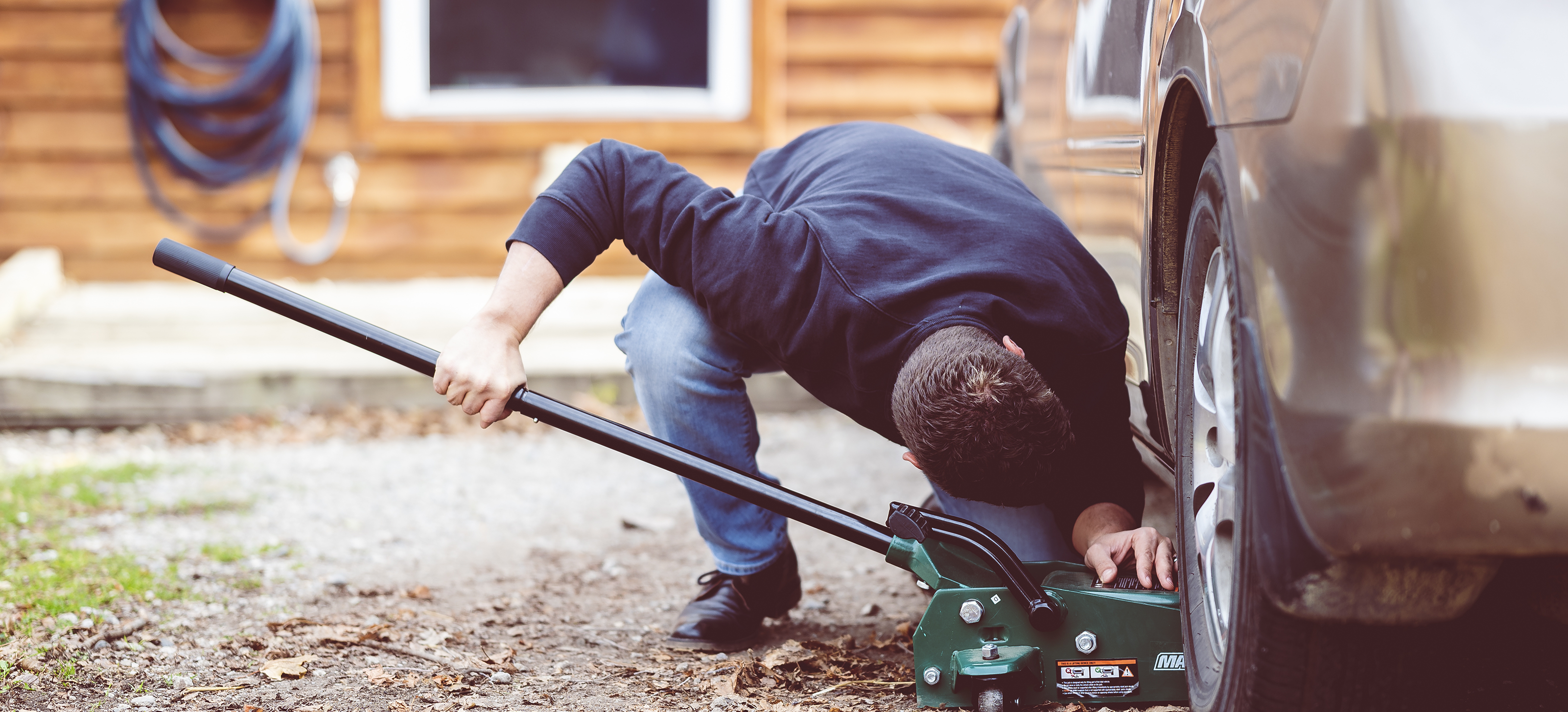
 You, as a car owner, might be faced with the question of whether to repair something yourself or take your car to a mechanic. This might occur when the check engine light comes on, you notice a strange noise, or when there is maintenance time.
It's difficult to choose options like that with the high repair prices these days. For instance, having your brakes replaced in a garage will cost you anything from $300 to $500, yet if you did it yourself, it would be anything from $30 to $50 in parts.
Today's cars are very complex with sensors, computers, and sophisticated systems. It is difficult to understand what type of repairs you can do safely in your own garage and what must be left to a mechanic.
We at Phoenix Auto Nashville want to tell you. That's why we created this guide for Nashville drivers. In this article, you'll discover useful information that will enable you to make wise decisions about car repairs:
You, as a car owner, might be faced with the question of whether to repair something yourself or take your car to a mechanic. This might occur when the check engine light comes on, you notice a strange noise, or when there is maintenance time.
It's difficult to choose options like that with the high repair prices these days. For instance, having your brakes replaced in a garage will cost you anything from $300 to $500, yet if you did it yourself, it would be anything from $30 to $50 in parts.
Today's cars are very complex with sensors, computers, and sophisticated systems. It is difficult to understand what type of repairs you can do safely in your own garage and what must be left to a mechanic.
We at Phoenix Auto Nashville want to tell you. That's why we created this guide for Nashville drivers. In this article, you'll discover useful information that will enable you to make wise decisions about car repairs:
- Find out what repairs are actually DIY-possible
- Find out the tools that you must use to do home repairs
- Find the signs that tell you when it's time to hire a pro
- Find out how to retain your car's high value and wallet health
Understanding Your Vehicle: The Foundation of DIY Repairs
Your owner's manual is your ticket to successful do-it-yourself repairs. Your manual is a complete manual with accurate maintenance schedules, repair step-by-step instructions, fluid capacities and specifications, torque specifications for bolts, and troubleshooting directions. It also contains important safety warnings and precautions so that all of the repairs will be done properly and safely. Factory manuals provide individualized information regarding your vehicle make, model, and year. Factory manuals eliminate the guesswork by employing precise measurements, part numbers, and repair methods you wouldn't find in generic car manuals.Why Vehicle Knowledge Matters
Understanding your car's basic systems creates a solid foundation for DIY repairs:- You'll spot potential issues before they become major problems
- You can accurately diagnose unusual sounds or behaviors
- You'll know which tools and parts to purchase
- You can better assess repair difficulty levels
- You'll understand when a repair is beyond your skill level
Essential Tools for DIY Car Repairs
Your DIY car repair journey starts with the right tools. Here's your essential toolkit checklist:Basic Hand Tools
- Quality socket and wrench sets (both metric and standard sizes)
- Screwdrivers (flathead and Phillips head)
- Pliers set
- Hammer
Specialty Equipment
- Floor jack with sturdy jack stands
- Digital multimeter for electrical troubleshooting
- Oil filter wrench
- Torque wrench for precise bolt tightening
Safety Equipment
- Safety glasses to protect your eyes
- Chemical-resistant gloves
- Steel-toed boots
- Protective clothing
- First aid kit
Pro Tips
- Buy tools from reputable brands - they'll last longer and perform better
- Store tools in a clean, organized space
- Clean tools after each use
- Replace damaged tools immediately
- Keep safety equipment within easy reach
Common DIY Repairs You Can Handle at Home
Several car maintenance tasks are perfect for DIY enthusiasts. Here's what you can tackle confidently:1. Oil Changes
- Warm up your engine for 5 minutes
- Lift your car safely using jack stands
- Remove the drain plug and old oil filter
- Install new filter and add fresh oil
- Check oil level with dipstick
- Dispose used oil at local recycling centers
2. Air Filter Replacement
- Locate the air filter housing under your hood
- Remove housing cover carefully
- Compare old and new filter orientation
- Install new filter with proper alignment
- Secure housing cover tightly
3. Spark Plug Replacement
- Allow engine to cool completely
- Remove spark plug wires one at a time
- Use spark plug socket to extract old plugs
- Gap new plugs according to specifications
- Install new plugs with torque wrench
- Reattach wires in correct order
When to Call a Professional Mechanic
Your safety and the reliability of your vehicle depend on knowing when a repair job is beyond what you can do yourself. Here are important repairs that need professional expertise:Complex Systems Requiring Specialized Equipment
Transmission repairs and rebuilds require special tools and knowledge for their proper functioning. Advanced computer diagnostics are a must for pinpointing problems in modern-day vehicles, which now operate much more on computerized systems than ever before. Where ABS brake system repairs are concerned, precision and expertise are required to uphold safety standards. Timing belt replacements are intricately complicated tasks, where anything less than perfect timing and alignment will result in engine damage. Air conditioning system repair is also featured on this list because of the refrigerants and intricate assortments of components involved in its maintenance, which require professional-level machinery and skills.Safety-Critical Components
Safety-critical components such as the steering system, airbag system, brake lines, and suspension require a professional because of their direct impact on your safety, plus the overall functioning of your very own car. Steering system repairs are not easy and are very necessary to maintain control of the vehicle in all driving conditions. The airbag system must be serviced only by persons accredited to do so, as any improper handling of the system may result in it not functioning or in inadvertent deployment. Changing braking lines is equally important; these lines make sure that adequate hydraulic pressure is delivered for braking, and any mistake in replacement causes brake failure. Suspension overhauls are high-tech units that not only have an impact on safety but also on ride quality, which needs to be returned to its original form by extremely accurate skills. Trying to service such units with improper skills and equipment is extremely risky, and it is therefore absolutely important to leave them in the hands of professionals.Warning Signs to Seek Professional Help
If your check engine light is illuminated, it means your vehicle requires a professional fix. Any strange noise coming from your transmission, such as grinding or whining noise, could be a sign of internal friction that will require the expert's services and repair. A vibration on your steering wheel, especially when driving at high speeds, could be a sign of a suspension or wheel alignment problem that requires professional repairs. Spongy or softer brake pedals can be indications of air in the braking system or some other failure of the braking system. Electrical system breakdowns are also a wonderful reason to seek professional help. Vehicles today have extremely complicated electrical systems, and some electrical issues can go from a dead battery to loose wires to faulty sensors. These signs should never be overlooked because they can compromise the safety and efficiency of your car. Professional mechanics at certified shops have access to:- Diagnostic computers worth thousands of dollars
- Specialized transmission tools
- Calibration equipment
- Factory-level scanning tools
- Lift systems for comprehensive inspections
Balancing Cost Savings With Risks in DIY Repairs
DIY car repair can send hundreds of dollars into your wallet. An oil change could save you $50-70, and new brake pads could save you $200-300 per axle. Those savings accumulate quickly, but they come with vital concerns.Key Financial Risks
One of the main money-saving hazards of doing it yourself with automobile repairs is that you may inadvertently invalidate your manufacturer's guarantee by using improper repair methods or improper parts. That would imply that you'd be paying for any subsequent expense that otherwise would have been covered. Additionally, errors in a repair actually end up doing more harm down the road, leading to even more costly professional repairs. Buying specialized equipment that would be required for only a single project can also contribute to your costs without being of long-term benefit to you. Such cost concerns include concerns of potential safety risks from inferior or inaccurate repairs, which would lead to accidents and resultant medical expenses. Therefore, it is critical to weigh savings against potential long-term costs.Safety Considerations
When doing your own car repair, safety should always be a foremost concern. Inaccurate torque values can result in catastrophic failure of crucial parts, and improper electrical procedures can produce system failure that is costly and possibly fatal. A faulty brake repair is particularly hazardous because it can make the stopping ability of your vehicle worthless and endanger injury or death to all who travel the road. Also, half-baked or substandard repairs raise the likelihood of surprise breakdowns on the road, exposing you to additional damage or expensive towing charges. Approach each repair cautiously, with the appropriate knowledge and equipment needed to do the work safely. Experienced do-it-yourself mechanics value long-term dependability for their vehicles over temporary repairs. Estimate the actual cost - tools, components, and your own time - before any repair is done. Consider the complexity and risk level of each job. A $50 savings isn't worth thousands in potential damage or compromised safety. Remember: Your vehicle represents a significant investment. Protecting its value through proper maintenance and repairs - whether DIY or professional - ensures both safety and financial wisdom.Learning Resources to Build Your Automotive Repair Skills
Ready to expand your car repair knowledge? The digital age offers countless learning opportunities right at your fingertips. Here's your roadmap to automotive education:1. Online Video Tutorials
- Search "[Your Car Make/Model] + specific repair" on YouTube
- Follow established channels
- Watch multiple tutorials for the same repair to catch different perspectives
2. Interactive Learning Platforms
- AutoZone's Free Online Repair Guides
- Mitchell1DIY's detailed repair procedures
- ASE certification practice tests
3. Community Resources
- Join model-specific forums like Honda-Tech or Ford Truck Enthusiasts
- Connect with local car clubs
- Participate in Reddit's r/MechanicAdvice
4. Professional Documentation
- Subscribe to AllData DIY for factory repair information
- Access technical service bulletins (TSBs)
- Download digital workshop manuals
5. Mobile Apps
- RepairPal for cost estimates
- OBD2 diagnostic apps
- Torque specs reference tools