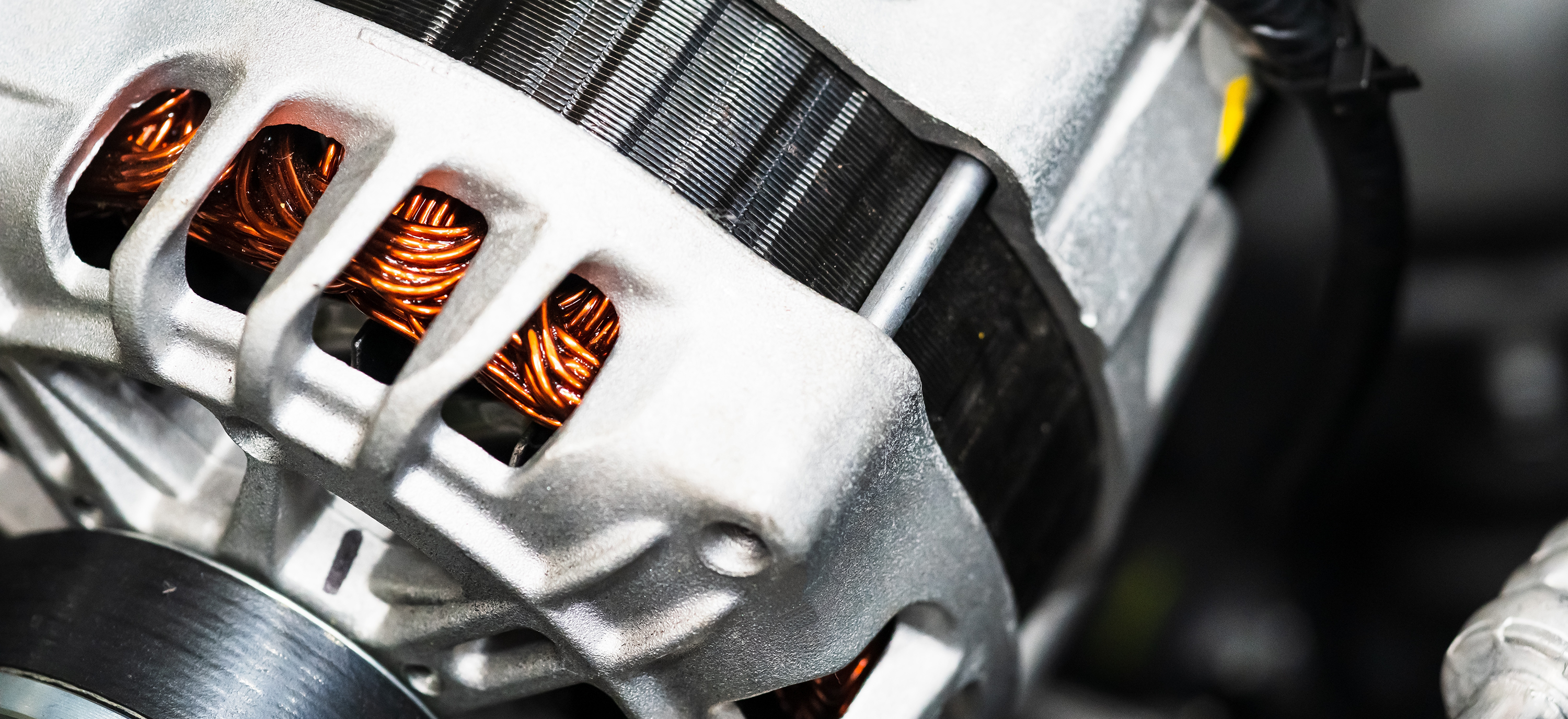
 Always wondering how the electrical system of your vehicle works or what powers those standby generators in a power outage? Continue reading to explore alternators and generators - two crucial machines that play large roles in our everyday lives.
What Are Alternators and Generators?
Alternators and generators are both machines that convert mechanical energy to electricity. But they operate differently: Alternators: They are installed in most cars and are utilized to charge the battery and provide power to electric accessories while the engine is running. Generators: They take over during a power outage, illuminating homes, offices, and even skyscrapers. Notice that the difference between these two machines is more than book knowledge; it has practical application. Here is how it will work for you:- Make informed decisions about power solutions
- Troubleshoot electrical issues in your vehicle
- Choose the right equipment for your power needs
- Save money on maintenance and repairs
How Alternators Work
Your alternator is a remarkable bit of kit that continues to keep your vehicle's electrical system in operation. Let us explain how this vital component works.The Basic Process
As your motor turns, it rotates a pulley that is linked to the rotor shaft of the alternator. This energy turns into a chain reaction within the alternator that generates the power your car requires.Key Components
Rotor: A spinning electromagnet powered by your battery Stator: A stationary set of wire coils surrounding the rotor Diode Rectifier Assembly: Converts AC power to DC power Voltage Regulator: Controls electrical output Cooling Fan: Keeps from overheating while running As the rotor rotates inside the stator, it creates a magnetic field that causes electrical current in the stator's coils of wire. The motion generates alternating current (AC) power, which is rectified to direct current (DC) power by the diode rectifier assembly - the type your automobile battery and electrical system employ.Real-World Applications
You'll find alternators hard at work in:- Modern vehicles - from cars to heavy machinery
- Power plants generating electricity
- Agricultural equipment like tractors
- Marine vessels
- Industrial machinery
Knowing Generators
A generator transforms mechanical power into electrical energy through electromagnetic induction. When you rotate a conductor within a magnetic field, it produces an electrical current - this is the basic principle of how generators work.Core Components:
Rotating Armature - Contains copper windings that spin inside the magnetic field Field Windings - Create the magnetic field necessary for power generation Commutator - A rotating electrical switch that converts AC to DC Carbon Brushes - Make physical contact with the commutator to collect generated power Cooling System - Prevents overheating during operation Generators produce either AC or DC power depending on their design. DC generators use a commutator-brush assembly to convert the naturally produced AC into DC power.Common Applications
Generators are ubiquitous in any setting due to their reliability and flexibility. They are the backup power supply for essential operations in hospitals and data centers for uninterrupted critical services during power failures. Generators are an essential commodity on construction sites for buildings to supply the essential electricity to operate the equipment and machinery when permanent structures have not yet been set up. Where rural areas have no grids, generators supply the required electricity for short-term and long-term applications. In emergency modes, like during natural disasters or unplanned blackouts, generators deliver instant power solutions to ensure homes, companies, and life-critical services remain online. They are equally well-suited for outdoor environments with clean power where necessary. In addition, mining operations depend on reliable generator systems to power heavy equipment in remote areas. Generators are mounted aboard sea vessels and recreational vehicles (RVs), supplying steady power for onboard equipment and facilities during transport or when docked in regions without a shore power feed. Generators also vary in size, from small mobile units that supply camping appliances to gigantic commercial units that supply entire buildings. As much as their ability to provide isolated power makes them worthy of occupying central positions where the main powers are lost or erratic.Key Differences Between Alternators and Generators
The distinctions between alternators and generators offer particular advantages for particular uses. Let's examine these key variations:1. Output Type
- Alternators: Produce three-phase AC power directly
- Generators: Create DC power, with some models capable of AC conversion
2. Maintenance Requirements
- Alternators:
- No brush replacement needed
- Minimal wear and tear
- Lower maintenance costs
- *Generators:
- Regular brush replacement
- Frequent commutator maintenance
- Higher service requirements
3. Efficiency Levels
- Alternators:
- 90-95% efficiency rate
- Consistent power output
- Better performance at higher speeds
- Generators:
- 75-85% efficiency rate
- Variable power output
- Optimal at lower speeds
Comparison of Parameters: Alternators and Generators
We will describe some of the major parameters that distinguish alternators from generators: Construction Principle: The alternator has a rotating magnetic field with a fixed armature winding, while generators have magnetic fields fixed with armatures that rotate. Output Generation: An alternator produces three-phase AC power, while generators unwind to produce direct current or single-phase alternating current for power generation. Essential Parts: Alternators comprise a rotor (or rotating field), stator (stationary armature), diode rectifier assembly, voltage regulator, and cooling fan. Generators comprise a rotating armature, stationary field windings, a commutator, carbon brushes, and slip rings. Generation Method: An alternator generates power through electromagnetic induction in stationary conductors, while a generator does so in moving conductors. Voltage Control: Alternators have their voltage controlled electronically, whereas generators have manual or semi-automatic voltage control. Speed Range: Alternators work at relatively high speeds (1500-3000 RPM), whereas generators work in a much lower speed range (100-1500 RPM). Weight and Size: Alternators are small and light, while generators are heavyweight and large. Building: Construction of an alternator is much simpler, with fewer moving parts, while the construction of a generator is more complicated, with a greater number of moving parts. These differences come from the inherent design, operation, and output nature of the alternators and the generators. They determine their applications and their performance for varying operating conditions.Power Generation
Electromagnetic induction in stationary conductors Electromagnetic induction in rotating conductorsVoltage Control
Electronic voltage regulator Manual or semi-automatic regulationSpeed Range
High-speed operation (1500-3000 RPM) Lower speed operation (100-1500 RPM)Size and Weight
Compact and lighter Bulkier and heavierConstruction
Simple design with fewer moving parts Complex design with more moving parts This table highlights the fundamental differences in design, operation, and output characteristics between alternators and generators. The distinct parameters shape their suitability for specific applications and influence their performance in different operating conditions.Uses in Various Industries: Additional on Alternators and Generators Application
Alternator and generator applications cut across various industries with their respective power generation requirements. Current Alternator Uses: Motor Vehicle Industry: Powers electrical circuits and recharges automotive batteries in automobiles, trucks, and motorbikes Power Plants: Produces electricity on a large scale for towns and industrial estates Farm Machines: Drives new tractors, reapers, and irrigation equipment Maritime Transport: Drives electrical power for navigation devices and onboard ship machineryGenerator Applications:
- Construction Sites: Powers heavy machinery, lighting systems, and temporary facilities
- Healthcare Facilities: Serves as backup power systems in hospitals and medical centers
- Mining Operations: Supplies electricity for underground equipment and ventilation systems
- Entertainment Industry: Powers outdoor events, concerts, and mobile entertainment units
Specialized Industry Uses:
- Data Centers: Generators provide critical backup power for servers and cooling systems
- Telecommunications: Both devices support network infrastructure and cell towers
- Manufacturing: Alternators power production line equipment
- Remote Operations: Handheld generators allow work in remote areas
Efficiency and Cost Analysis: Power Factor Differences Between Alternators and Generators
The alternator and generator power factor difference directly influences their operating cost and efficiency. Alternators also have another power factor of approximately 0.8 to 0.95, and alternators are more effective in terms of converting mechanical energy to electrical form.Cost Comparison Breakdown:
1. Initial Investment
- Alternators: Higher upfront cost
- Generators: Lower initial purchase price
2. Maintenance Expenses
- Alternators: $200-500 annual maintenance
- Generators: $500-1,000+ annual maintenance
Power Efficiency Metrics:
- Alternators achieve 85-95% efficiency rates
- Generators typically operate at 75-85% efficiency
- Energy loss through heat generation is lower in alternators
- Fuel consumption rates are reduced with alternator systems