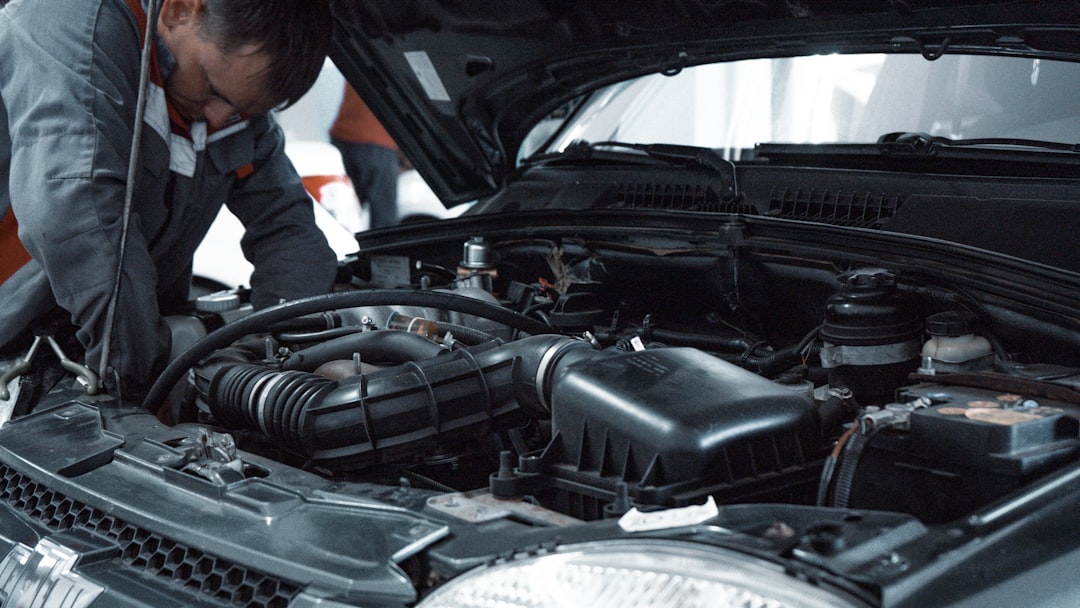
Learn why a Lexus GS 350 might crank for too long or struggle to start once the engine is warmed up. We’ll explore common problems like fuel pressure, bad injectors, sensors or electrical issues.
Many times, it’s some sort of issue with fuel pressure, the fuel injectors, a faulty fuel system sensor or an electrical issue causing the engine to fire improperly. These are usually problems owners can’t accurately diagnose on their own. Fortunately, our technicians have the tools and training to diagnose the issue and reduce the risk of more expensive repairs.
In a Lexus GS 350 the fuel system needs to build and maintain the proper pressure for the engine to start. Any time system pressure drops it can be too low for the engine to restart. This is especially true when it’s warm, causing the engine to crank for an extended period before it finally fires.
Fuel pressure problems like this could come from a variety of sources, including a weakening fuel pump, a faulty pressure regulator, leaking injector or another component within the fuel-delivery system.
Ambient engine heat adds another layer to this problem. Even a minor problem with an electrical connection, pump, relay or sensor may behave normally when cold and begin acting up once everything becomes hot.
Most Lexus GS 350 engines use a direct-injection fuel system which delivers high-pressure atomized fuel to each cylinder. A high-pressure fuel pump needs to generate sufficient pressure for the cylinders to receive the fuel they need to fire robustly enough to turn the engine over. If the fuel pump is wearing out, it might not be able to deliver adequate pressure to fully atomize the fuel for the available amount of air.
Fuel pump problems often show up as hesitation when accelerating, sputtering, power loss or similar performance issues. A failing Lexus fuel pump might also produce an unusual humming or whirring sound from the fuel tank area.
At the same time, fuel injectors need to deliver a precise amount of fuel into each cylinder. If one of the fuel injectors doesn’t seal properly, an unmetered amount of air and fuel will enter a cylinder after the engine shuts down. Then when you try to restart the engine while it’s still warm, the excess fuel in the cylinder causes it to flood.
A Lexus GS 350’s engine also relies on a series of fuel rail sensors to provide the engine control system with accurate fuel pressure data. This helps the system regulate fuel delivery. Anytime a sensor relays an inaccurate pressure reading during a hot start, the ECM won’t be able to properly coordinate the timing with the fuel/air ratio.
The fuel pump relay issues can also be a root cause of hot starting problems in a Lexus GS 350. These relays and their related electrical components will sometimes develop heat-related faults which don’t show up when the engine is cold.
In these cases, the exact cause needs to be determined with professional diagnostic tools. The faulty components could be anywhere in the fuel delivery system, electrical supply, engine-management sensors or ignition coils.
If your Lexus GS 350 has recently developed a hot-starting problem, contact M & R Automotive to schedule a diagnostic inspection. We’ll thoroughly inspect your fuel system to find the source of the problem and fix it, to minimize further expensive repairs.